
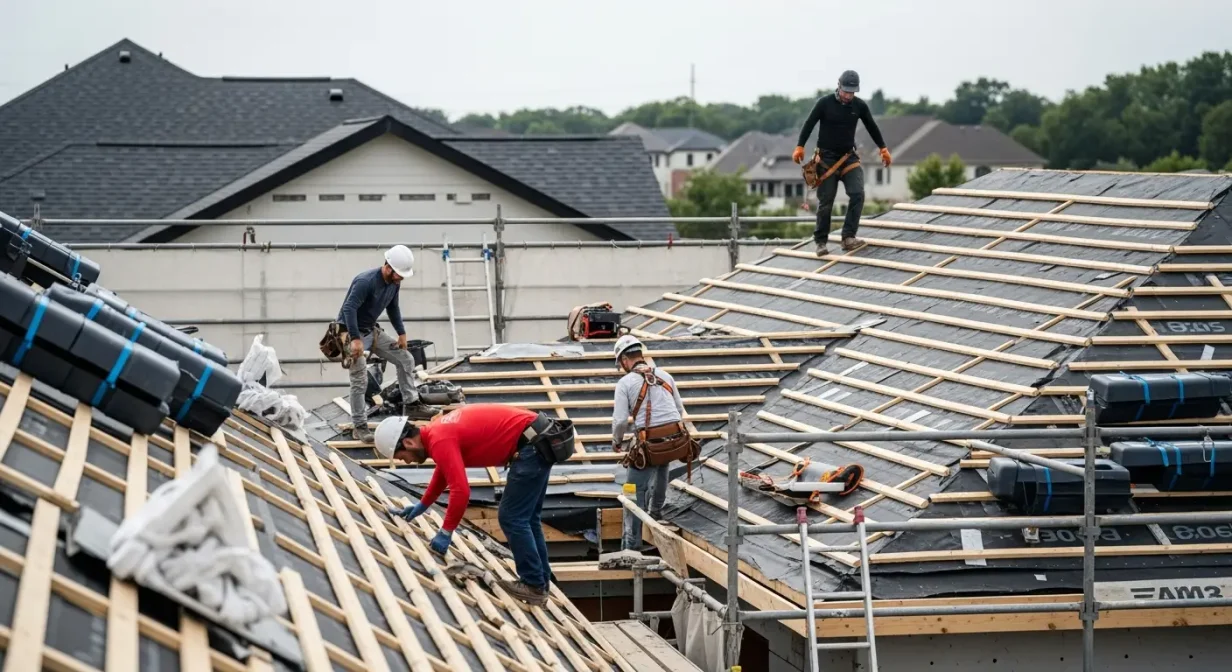
After spending more than eight years working on residential and commercial roofing projects throughout Dallas and North Texas, we at DeckingHub have come to understand that proper roof decking maintenance and installation forms the backbone of any successful roofing system. We’ve seen countless situations where neglected decking led to catastrophic failures, costly emergency repairs, and premature roof replacement.
This comprehensive roof decking maintenance and installation guide draws from our extensive field experience, combining practical insights with industry best practices to help property owners protect their investments and avoid common pitfalls.
The roof decking serves as the structural foundation that supports everything above it—from underlayment and shingles to the weight of workers during installation and maintenance. Despite its critical role, many homeowners and even some contractors overlook proper decking care until serious problems emerge.
Through hundreds of installations, repairs, and inspections across the Dallas area, we’ve learned that proactive maintenance and correct installation techniques can extend decking life by decades while preventing water damage, structural failures, and expensive emergency interventions. Whether you’re planning a new installation, maintaining existing decking, or dealing with deterioration issues, understanding what roof deck construction involves will help you make informed decisions that protect your property and budget.
Understanding Roof Decking Construction and Components
Roof decking, also called sheathing or roof deck, is the structural layer installed directly over your roof’s framing system. In most residential applications, this consists of oriented strand board (OSB) or plywood panels fastened to rafters or trusses. The decking creates a continuous surface that supports roofing materials, distributes loads across the framing, and serves as the attachment point for everything installed above.
Understanding the complete roof deck construction helps you recognize potential problems and maintain the system properly. A typical residential roof deck assembly includes several layers working together. The structural decking forms the base, followed by underlayment (felt or synthetic), ice and water shield in vulnerable areas, and finally the visible roofing material like shingles or metal.
Key Roof Deck Components:
| Component | Function | Common Materials |
|---|---|---|
| Structural Decking | Primary load-bearing surface | OSB, Plywood, Metal deck |
| Underlayment | Secondary water barrier | Felt, Synthetic, Rubberized |
| Ice & Water Shield | Enhanced protection in critical areas | Self-adhering membrane |
| Drip Edge | Directs water away from fascia | Aluminum, Galvanized steel |
| Flashing | Seals penetrations and transitions | Metal, Rubber boots |
The importance of proper deck construction becomes evident when you consider the forces it must withstand. In Dallas, summer heat can raise roof surface temperatures above 160°F, while winter occasionally brings freezing conditions. Wind events during severe storms create significant uplift forces, and the occasional hail storm subjects the entire assembly to impact loads. We’ve assessed numerous cases of roof storm damage where inadequate decking contributed to catastrophic failures that could have been prevented with proper installation and maintenance.
For commercial applications, metal decking provides different advantages and maintenance requirements compared to wood products. Metal deck doesn’t rot or deteriorate from moisture, but it requires proper coating maintenance and careful attention to fastener condition to prevent water intrusion.
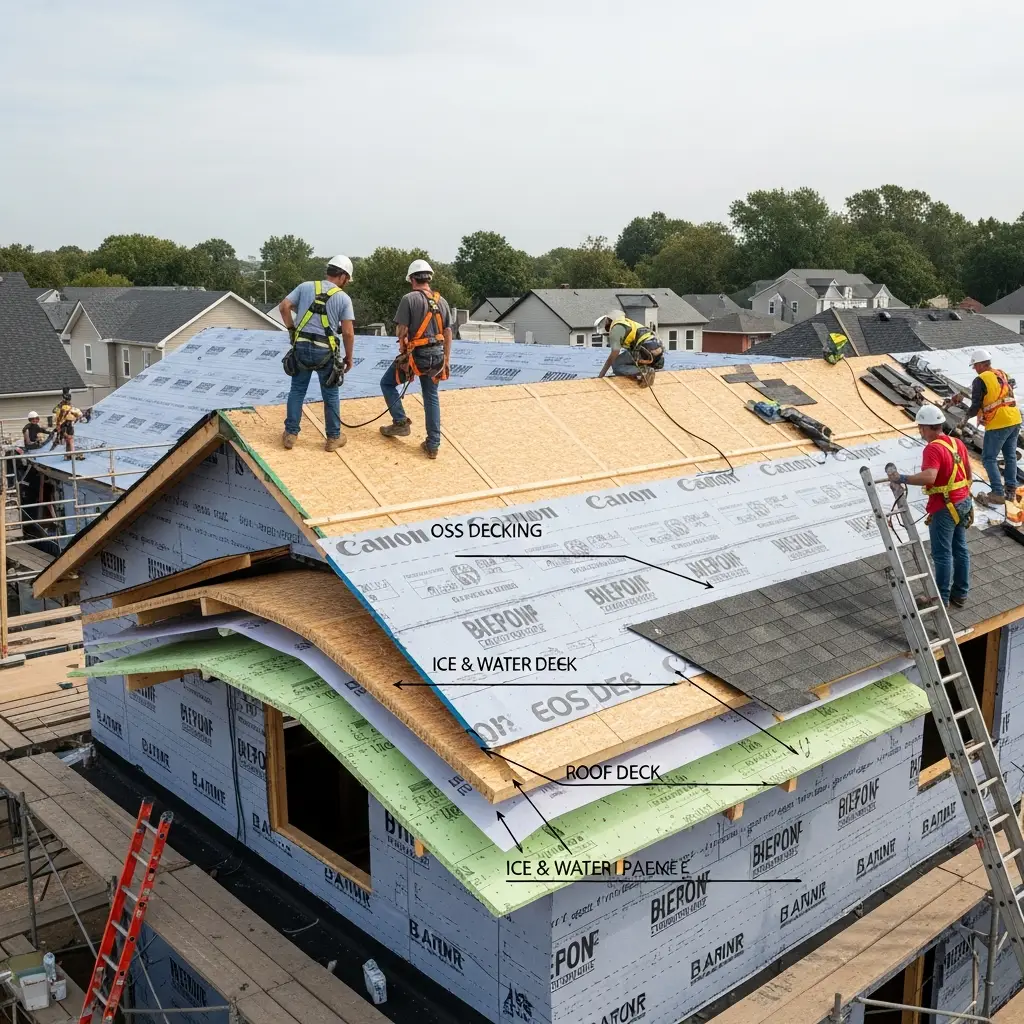
Properly fastened roof decking is critical for structural integrity and prevents premature shingle failure. Consult local building codes for spacing requirements.
When to Replace Roof Decking: Critical Warning Signs
Knowing when to replace plywood on roof structures can save thousands of dollars and prevent extensive water damage to your home’s interior. Through countless inspections, we’ve identified specific warning signs that indicate decking replacement has become necessary.
Immediate Replacement Indicators:
- Visible Sagging: Any noticeable dips or sags between rafters indicate structural failure requiring immediate attention.
- Soft Spots: Areas that feel spongy when walked on signal water damage and deterioration.
- Daylight Visible from Attic: Holes or gaps allowing light penetration compromise waterproofing.
- Extensive Water Staining: Dark stains covering large areas indicate prolonged moisture exposure and likely rot.
- Mold or Fungal Growth: Visible growth on decking underside signals moisture problems and structural compromise.
- Delamination: OSB or plywood separating into layers has lost structural integrity.
- Multiple Layers of Old Roofing: Excessive weight from multiple re-roofs can overload original decking.
We recently completed a project in North Dallas where the homeowner noticed shingles lifting and assumed they just needed shingle replacement. Upon inspection, we discovered the underlying decking had deteriorated from years of small leaks around the roof with chimney penetration. The compromised decking couldn’t hold fasteners properly, causing the shingles to lift. This situation required complete decking replacement in the affected areas before we could install new roofing materials.
When Partial Replacement Makes Sense:
Not every decking problem requires complete replacement. We often replace roof decking in isolated sections when damage is localized. Common scenarios for partial replacement include damage around chimneys or vent penetrations, isolated areas affected by ice dams or leaks, sections damaged during other repair work, and areas where previous repairs were done improperly.
The cost to replace roof decking varies significantly based on extent, accessibility, and material choice. In the Dallas market, we typically see costs ranging from $3-7 per square foot for labor and materials on residential projects. Complete decking replacement on an average 2,000 square foot home might run $6,000-14,000 depending on complexity, existing conditions, and material selection.
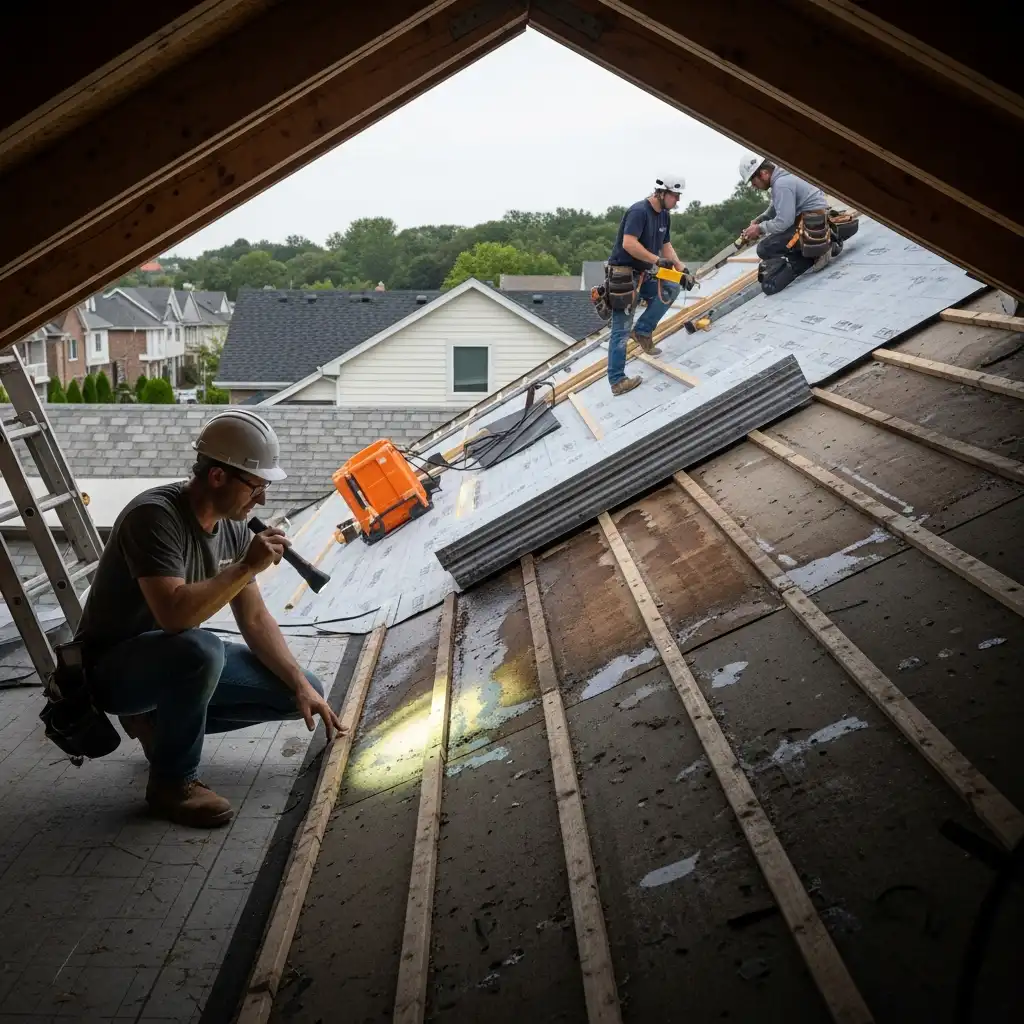
Replace rotted decking to ensure proper fastener adhesion and prevent leaks. Ignoring damage can lead to costly structural repairs and mold remediation.
Professional Installation Techniques and Best Practices
Proper installation sets the foundation for decades of reliable performance. Through years of installing and repairing roof decking across Dallas, we’ve refined our installation protocols to ensure optimal results that exceed code minimums and stand up to our challenging climate.
Panel Selection and Preparation:
Choosing appropriate materials for your specific application starts the process right. For standard residential construction with 24-inch rafter spacing, we recommend minimum 1/2-inch OSB or 15/32-inch plywood, though local conditions might warrant thicker materials. In areas prone to high winds or when installing heavy roofing materials like tile, upgrading to 5/8-inch or 3/4-inch panels provides additional security.
Before installation begins, we verify that all panels meet span ratings for the actual framing spacing. Panels should arrive dry and be stored properly to prevent moisture exposure. We inspect each panel for damage, checking for delamination, edge damage, or manufacturing defects before installation.
Critical Installation Steps:
The installation sequence matters significantly for final performance. We always start with proper layout planning, marking rafter locations on the fascia or starter panels to maintain straight fastening lines. Panel orientation should run perpendicular to framing members with the long dimension spanning across rafters to maximize strength.
Panel spacing requirements prevent buckling when wood products expand. We leave 1/8-inch gaps between panel ends and 1/16-inch gaps along panel edges. This seems minor, but we’ve corrected numerous installations where panels installed tight created ridges that telegraphed through shingles as the wood expanded.
Fastening Schedule Requirements:
| Location | Nail Size | Spacing | Notes |
|---|---|---|---|
| Panel Edges | 8d ring-shank | 6″ on center | Critical for wind resistance |
| Panel Field | 8d ring-shank | 12″ on center | Intermediate support |
| High-Wind Areas | 8d ring-shank | 6″ throughout | Enhanced security |
| Metal Roof Applications | As specified | Per manufacturer | Often requires screws |
Each fastener must be driven flush without overdriving. Overdriven nails crush wood fibers and reduce holding capacity by up to 50%. We use pneumatic nailers with proper depth adjustment to achieve consistent results. In areas subject to high winds, we sometimes specify additional fasteners or switch to screws for superior withdrawal resistance.
Edge support using H-clips or blocking prevents excessive deflection between rafters. The International Residential Code requires edge support when panel edges fall between framing members. We’ve inspected too many roofs where missing edge support led to premature shingle cracking as unsupported edges deflected under foot traffic.
Protecting Work During Installation:
Weather protection during construction ranks among our highest priorities for roof decking maintenance and installation projects. We’ve seen installations compromised by a single afternoon rainstorm that soaked exposed OSB, causing edge swelling and delamination that shortened service life by years.
Our standard practice covers completed decking sections with underlayment the same day panels are installed whenever possible. When weather threatens, we stop panel installation to protect completed work rather than rushing to finish sections that will get soaked. For projects extending multiple days, we install temporary coverings at the end of each workday and ensure proper drainage to prevent water pooling on installed panels.
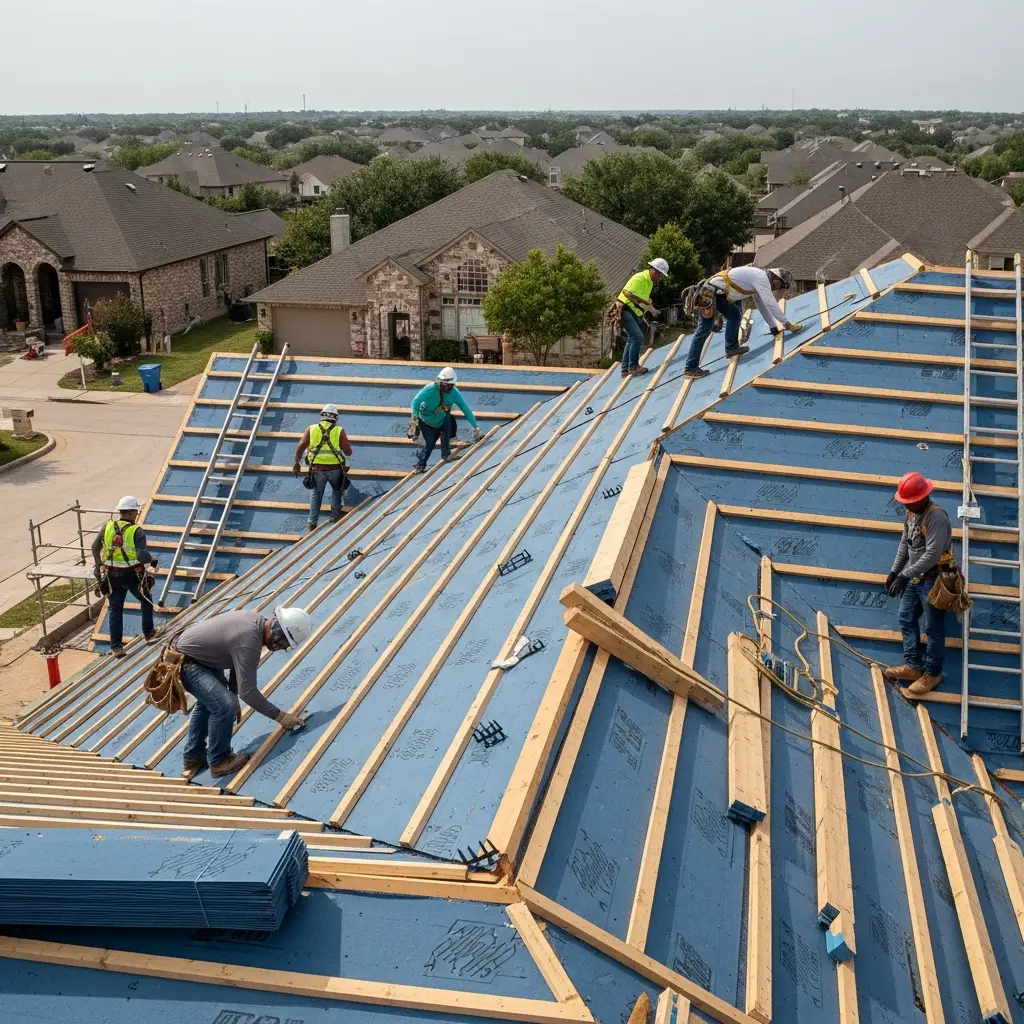
Secure roof decking installation is critical for structural integrity and prevents shingle failure. Follow proper fastening schedules to meet wind load requirements and local building codes.
Essential Maintenance Practices for Long-Term Performance
Regular maintenance extends decking life significantly while catching problems before they become expensive emergencies. This roof decking maintenance and installation guide emphasizes that proactive care costs far less than reactive repairs.
Annual Inspection Protocol:
We recommend comprehensive roof inspections at least annually, ideally in spring after winter weather and again in fall before the holiday season. Professional inspections catch subtle problems homeowners might miss, but informed property owners can perform preliminary checks that identify obvious issues.
From your attic, examine the underside of roof decking with a bright flashlight. Look for water stains, which appear as darkened areas or rings on the wood surface. Fresh stains indicate active leaks requiring immediate attention. Check for sagging between rafters, which signals structural inadequacy or deterioration. Inspect for mold, mildew, or fungal growth that indicates moisture problems. Verify that adequate ventilation exists, as proper airflow prevents moisture accumulation that accelerates deterioration.
Common Maintenance Tasks:
Keeping your roof’s drainage system functioning properly protects decking from water damage. Clogged gutters overflow, sending water under shingles and potentially soaking decking edges. We clean gutters at least twice yearly and recommend gutter guards for homes surrounded by trees. The gutter replacement cost when deteriorated gutters damage decking far exceeds preventive maintenance expenses.
Attic ventilation directly impacts decking longevity. Inadequate ventilation traps moisture and heat, accelerating wood deterioration and reducing shingle life. We assess ventilation on every inspection, checking that soffit vents remain clear and roof air vents or solar powered roof ventilation systems function properly. Understanding the various types of roof vents helps homeowners recognize whether their system provides adequate airflow.
Proper attic insulation prevents condensation that can damage decking from below. In Dallas, we see significant temperature differentials between conditioned living spaces and attics, creating conditions for condensation if the thermal barrier and vapor retarder aren’t properly installed.
Penetration and Flashing Maintenance:
Roof penetrations represent the most common sources of leaks that damage decking. Roof boots around vent pipes deteriorate from UV exposure and temperature cycling, typically lasting 10-15 years before requiring replacement. We inspect these annually and replace them proactively before failures occur.
Chimney flashing requires particular attention. The junction between masonry and roofing creates vulnerable transitions where water can penetrate if flashing fails. We’ve handled numerous projects where deteriorated chimney flashing allowed years of minor water intrusion that rotted surrounding decking before homeowners noticed interior damage.
The drip edge on roof installations protects fascia and helps direct water into gutters, but deteriorated or improperly installed drip edge can allow water behind fascia boards and underneath shingle starter courses where it contacts decking edges.
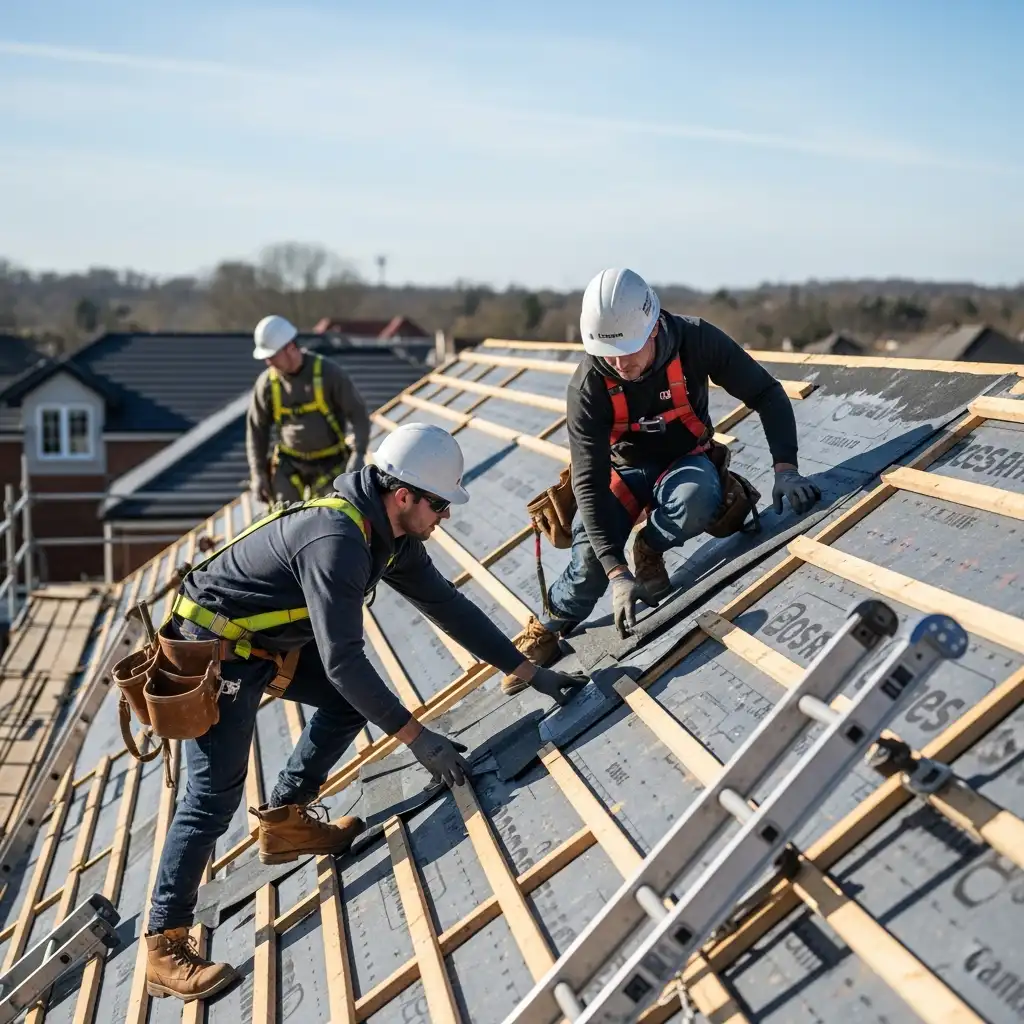
Damaged roof decking compromises structural integrity. Regular inspections can catch moisture issues early, preventing costly repairs and extending your roof’s lifespan.
Addressing Common Roof Decking Problems
Through thousands of service calls and repairs, we’ve encountered recurring problems that affect roof decking across Dallas. Understanding these issues helps property owners recognize problems early and respond appropriately.
Water Intrusion and Leak Solutions:
Water represents the primary enemy of roof decking. Even minor leaks cause progressive damage that worsens over time until structural failure occurs. We’ve developed systematic approaches for leaks in roof decking solution work that address both immediate water intrusion and underlying causes.
The roof valley areas concentrate water flow and represent common leak locations. Improperly installed valley flashing or deteriorated valley materials allow water to contact decking directly. Similarly, the roof ridge requires proper ventilation and sealing to prevent water intrusion at the peak where two roof planes meet.
When we discover leaks, we trace them to their source rather than simply patching visible damage. Water often travels along rafters or through decking layers before appearing inside, making the visible damage location misleading about the actual entry point. Proper leak diagnosis requires experience and systematic investigation that considers roof geometry, water flow patterns, and building construction details.
Storm Damage Assessment and Repair:
Dallas experiences severe weather regularly, and storm damage roof repair forms a significant portion of our business. High winds can lift shingles, allowing rain to soak decking. Hail damage roof repair often reveals underlying decking problems that existed before the storm but went unnoticed until insurance inspections occurred.
We’ve responded to emergency calls after severe storms where wind-driven rain entered through compromised roofing and saturated large sections of decking. These situations require immediate temporary protection followed by systematic drying and assessment before permanent repairs can proceed. Wet decking must dry completely before covering with new roofing materials, or moisture trapped in the assembly leads to rot and premature failure.
Structural Issues and Solutions:
Sometimes decking problems stem from inadequate original installation or structural deficiencies in the framing system. We’ve corrected installations where contractors used panels too thin for the rafter spacing, causing excessive deflection that cracked shingles and created uneven roof planes. These situations require decking replacement with properly sized materials.
Framing movement from settling, inadequate bracing, or structural damage can stress decking and create problems. We work with structural engineers when underlying framing issues exist, ensuring repairs address root causes rather than just visible symptoms.
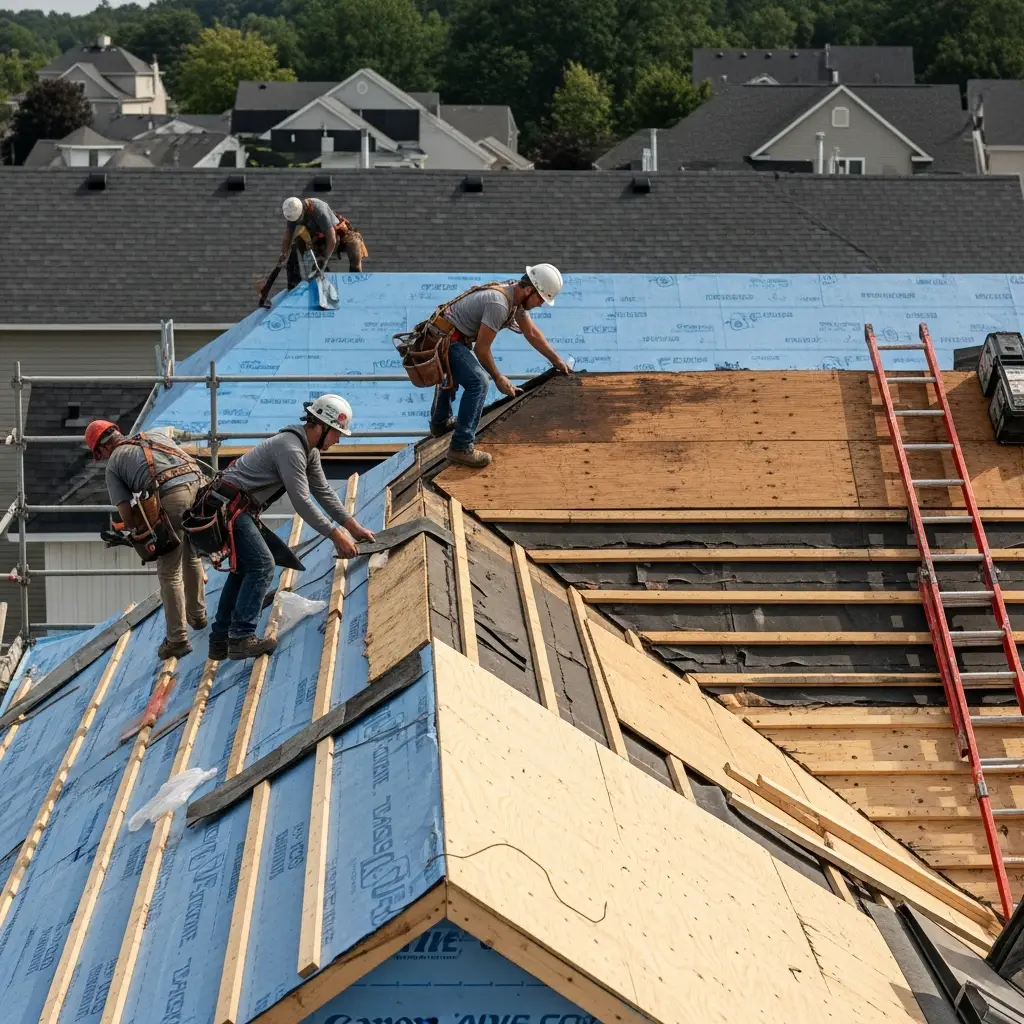
Damaged roof decking? Addressing issues early prevents costly structural repairs. Consider thicker plywood for enhanced durability and code compliance.
Cost Considerations and Project Planning
Understanding the financial aspects of roof decking maintenance and installation helps property owners budget appropriately and make informed decisions about timing and scope.
Material Cost Ranges (Dallas Market):
| Material Type | Cost per Sheet | Coverage | Typical Applications |
|---|---|---|---|
| 7/16″ OSB | $12-18 | 32 sq ft | Standard residential |
| 1/2″ OSB | $15-22 | 32 sq ft | Upgraded residential |
| 15/32″ Plywood | $22-32 | 32 sq ft | Premium residential |
| 5/8″ Plywood | $28-40 | 32 sq ft | Heavy roofing materials |
| Radiant Barrier OSB | $28-38 | 32 sq ft | Energy-efficient applications |
Labor costs typically equal or exceed material expenses, particularly on complex roof geometries. A straightforward gable roof might see labor costs of $2.50-4.00 per square foot, while complicated roofs with multiple valleys, dormers, or difficult access could reach $5-8 per square foot.
Project Planning Timeline:
Proper planning prevents rushed work and costly mistakes. For complete roof replacement including decking work, we typically schedule 3-7 days depending on size and complexity. Weather contingencies must be built into schedules, as we won’t install decking when rain threatens or work on wet surfaces.
Understanding what does roof replacement include helps homeowners recognize whether decking work is necessary and what additional costs might arise. Not every roof replacement requires decking work, but assessing decking condition should always be part of the scope.
When to Combine Projects:
Sometimes combining roof decking work with other improvements makes financial sense. If you’re planning siding replacement or considering whether to install new siding over old siding, coordinating with roof work can reduce mobilization costs and create more efficient project execution.
Similarly, when adding features like building a garage with rooftop deck cost considerations, or determining labor cost to add roof over patio, understanding decking requirements from the project’s inception ensures proper planning and budgeting.
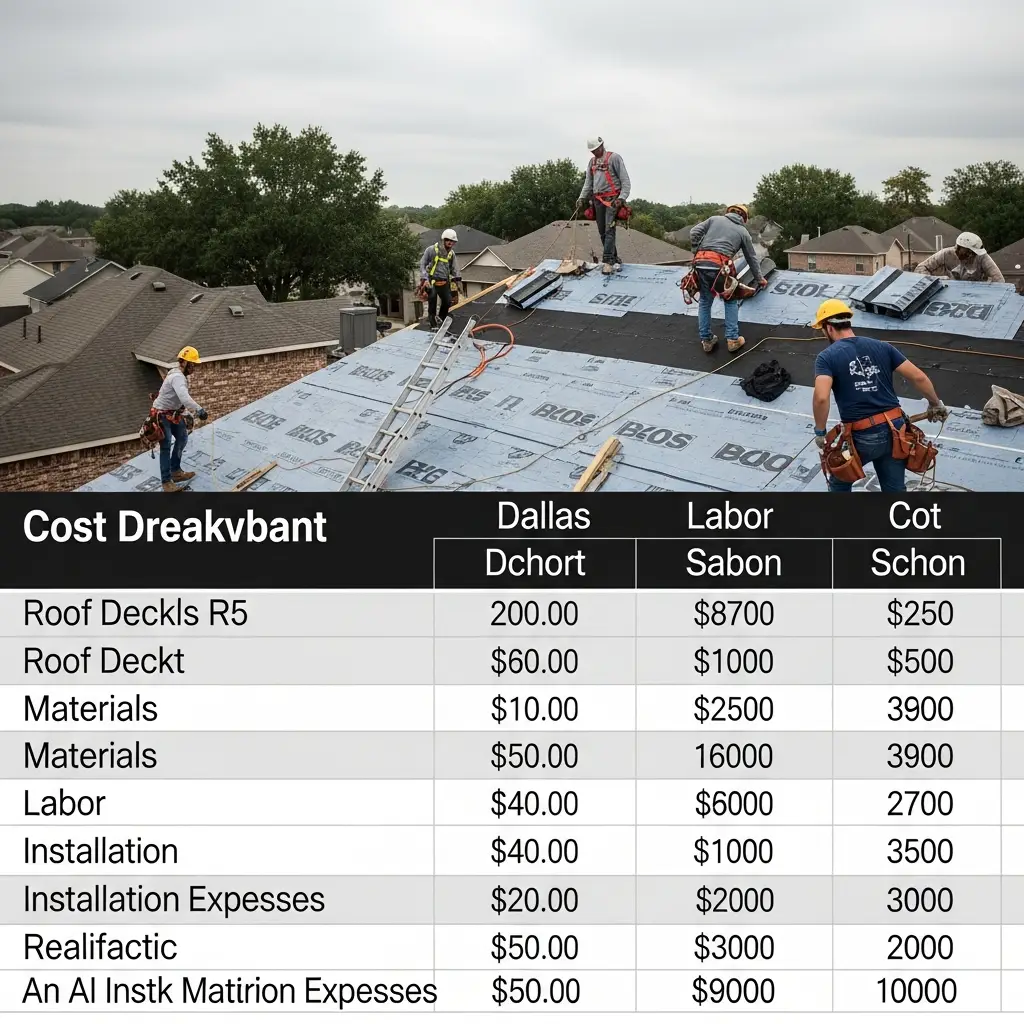
Budget for roof decking replacement? Labor and material costs should be considered when planning a complete roofing renovation. Prioritize proper installation for long-term protection.
Specialized Decking Applications and Considerations
Beyond standard residential pitched roofs, various specialized applications require different approaches to roof decking maintenance and installation.
Flat and Low-Slope Roof Decking:
Flat roof deck systems present unique challenges compared to pitched roofs. Water doesn’t drain as readily, making waterproofing details even more critical. We’ve installed numerous flat roof systems using EPDM roofing or TPO roofing membranes, and proper deck preparation makes the difference between decades of reliable service and repeated leak problems.
Flat roof decking must provide continuous support for membrane systems without gaps or irregularities that could damage the waterproofing. Panel joints should be staggered and properly fastened, with special attention to edge support. Some membrane systems require specific deck preparations, including taper systems for positive drainage or insulation boards attached to the structural deck.
Metal Roofing Over Decking:
When installing metal roof systems, decking requirements differ from asphalt shingle applications. Metal roofing’s dimensional stability and spanning capability can sometimes allow wider framing spacing, but underlayment selection and fastening patterns must accommodate metal’s expansion and contraction. We’ve corrected installations where contractors familiar only with shingle work used inappropriate techniques for metal roofing, leading to fastener loosening and panel movement.
Some metal roof installations use strapping or purlins over solid decking rather than fastening directly to the deck surface. These systems require careful planning to ensure proper attachment while maintaining ventilation space beneath the metal.
Specialty Roofing Materials:
Premium roofing materials like copper roof installations demand exceptional deck preparation. Any irregularities or movement telegraphs through metal and can cause premature failure. Similarly, high-quality shingles like CertainTeed Landmark shingles deserve proper deck foundations to achieve their full potential lifespan.
The rake roof edges require particular attention regardless of roofing material. Proper edge support, drip edge installation, and overhang details protect the deck structure while providing clean finished appearance. We’ve seen numerous rake edge failures where inadequate support or missing protection allowed water intrusion that rotted deck edges.
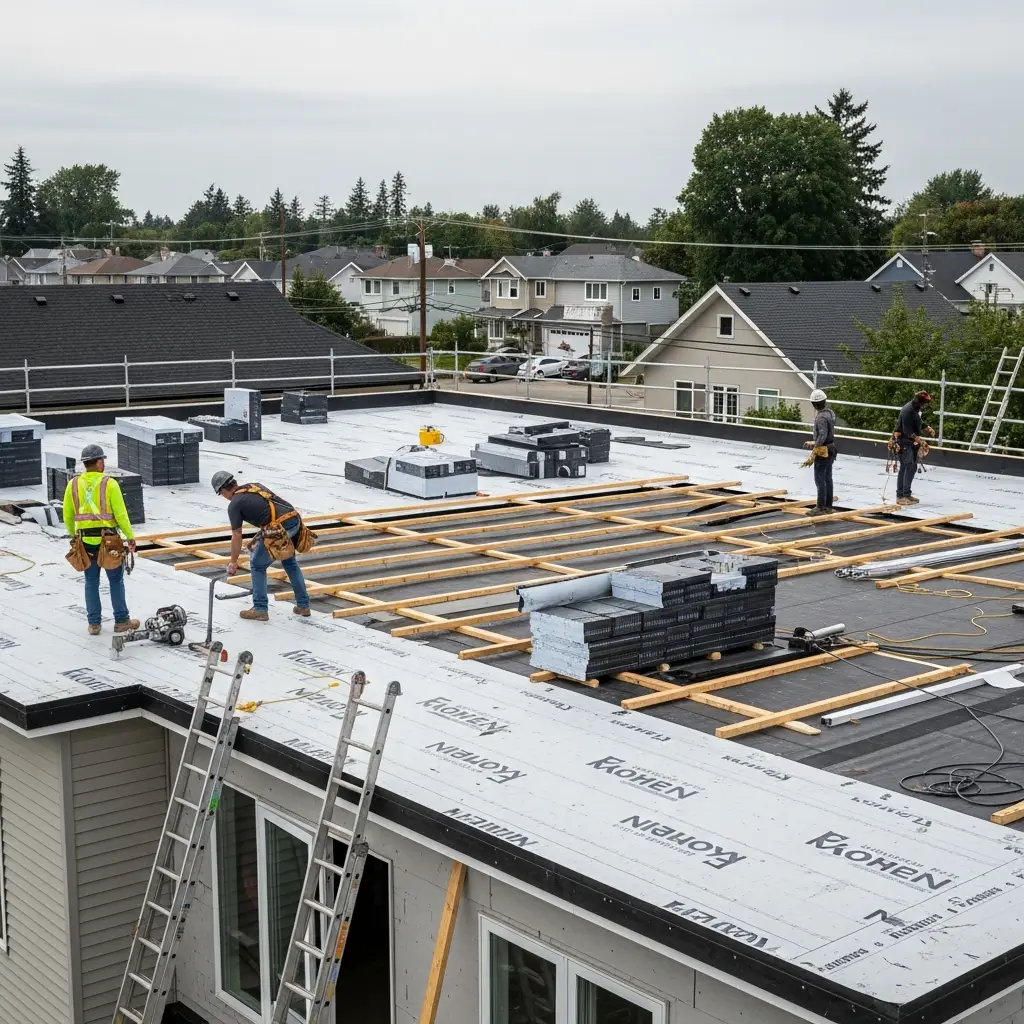
Flat roof decking requires meticulous prep for reliable waterproofing. Ensure proper panel staggering and edge support for long-term EPDM or TPO roofing performance.
DIY vs Professional Installation Decisions
Determining whether to tackle roof decking work yourself or hire professionals depends on multiple factors including experience, project scope, safety considerations, and local code requirements.
When DIY Makes Sense:
Small, straightforward projects sometimes suit capable DIY homeowners. Repairing a small damaged section on an accessible low-slope roof with proper safety equipment might be manageable. Simple shed or detached garage projects provide learning opportunities without risking your primary residence. However, even small projects require proper tools, safety equipment, and understanding of building codes.
We’ve provided consultation for homeowners planning DIY projects, helping them understand proper techniques and code requirements. Some chose to proceed independently, while others decided professional installation offered better value after understanding the complexity involved.
When to Call Professionals:
Most roof decking maintenance and installation work warrants professional expertise. Working at heights requires proper safety equipment and training that most homeowners lack. Complex roof geometries with multiple valleys, dormers, or penetrations demand experience to execute properly. Understanding structural requirements, load calculations, and code compliance requires training beyond typical homeowner knowledge.
The consequences of improper installation or repair extend beyond wasted materials. Failed decking can lead to catastrophic roof collapse, extensive water damage to interior finishes and contents, personal injury from falls or structural failure, and code violations that complicate future property sales or insurance claims.
We’ve repaired too many DIY installations where well-intentioned homeowners created problems requiring expensive professional correction. The cost of fixing botched DIY work typically exceeds what professional installation would have cost originally, making the DIY attempt a false economy.
Licensing and Insurance Considerations:
In Dallas and surrounding areas, roofing contractors must carry proper licensing and insurance. This protects property owners from liability if workers are injured and ensures recourse if work proves defective. DIY work on your own property doesn’t require licensing, but it also lacks the protections professional contractors provide.
When hiring contractors, verify current licensing, insurance certificates, and references from recent projects. The lowest bid rarely represents the best value, as quality materials and experienced labor cost money. We’ve followed behind discount contractors who cut corners, leaving clients with failed systems requiring complete reinstallation.
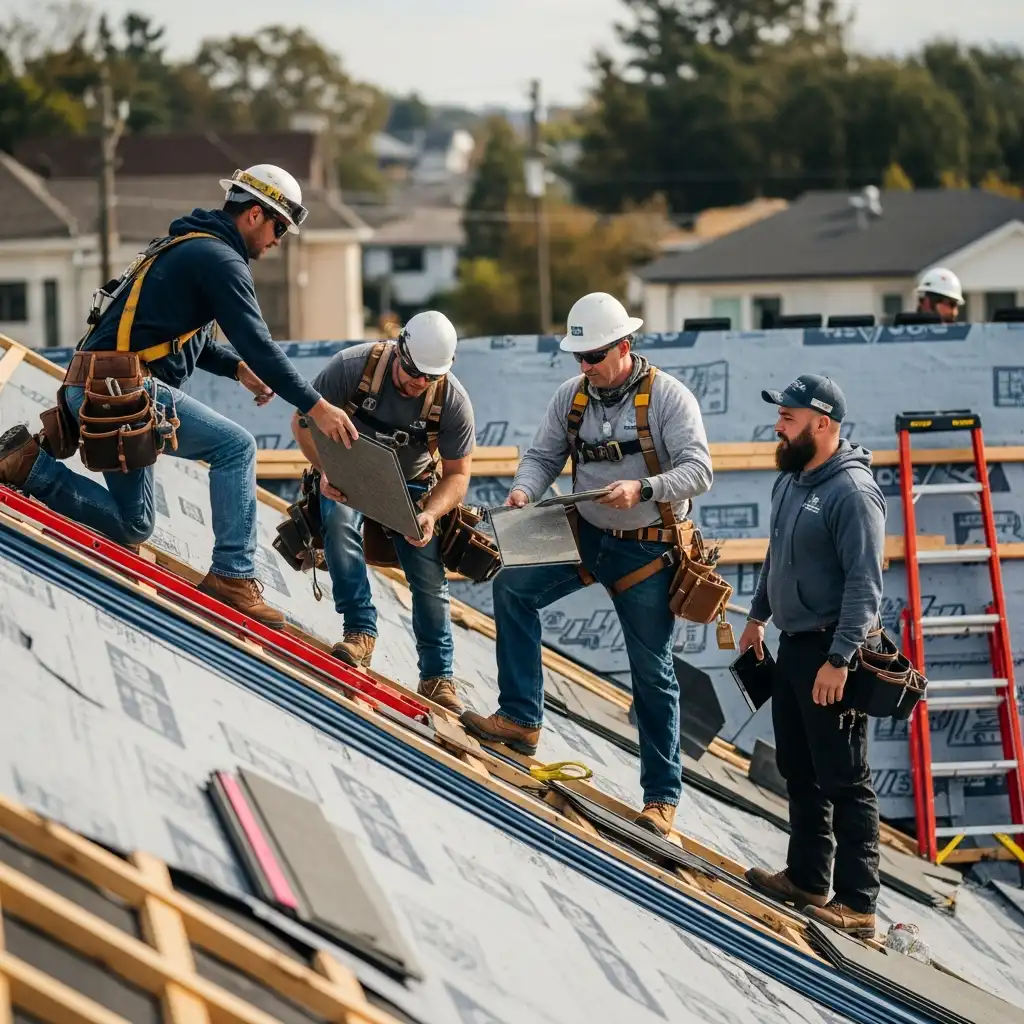
Proper roof decking ensures structural integrity. Local building codes mandate specific materials and fastening schedules for safety and longevity.
Climate-Specific Considerations for Dallas and North Texas
Our Dallas climate presents specific challenges that influence roof decking maintenance and installation approaches. Eight years of field experience has taught us how regional conditions affect materials and techniques.
Heat and UV Exposure:
Summer temperatures regularly exceed 100°F, and roof surface temperatures can reach 160°F or higher. This extreme heat accelerates deterioration of all roofing components. Decking exposed during construction must be covered quickly to prevent UV damage and excessive heat absorption that can warp panels.
The intense heat also affects installation timing. We typically start work early and pause during peak afternoon heat, resuming in the evening when practical. This protects workers from heat stress while ensuring materials don’t become too hot to handle safely.
Humidity and Moisture Cycling:
Dallas experiences significant humidity variations throughout the year. Spring and fall often bring extended humid periods, while summer heat creates very dry conditions. These cycles cause dimensional changes in wood-based decking materials, making proper installation gaps and fastening critical.
We’ve observed that standard OSB handles these moisture cycles adequately when properly protected, though premium enhanced OSB or plywood performs better in challenging installations. The key is keeping water off the deck through proper roofing material installation and maintenance.
Storm and Wind Events:
Severe thunderstorms with high winds occur regularly in North Texas, creating significant uplift forces on roofing systems. Proper fastening becomes critical, and we often exceed minimum code requirements when local conditions warrant additional security. Understanding how wind loads affect various roof areas helps us specify appropriate fastening schedules.
In areas known for particularly high winds, we sometimes use ring-shank nails throughout rather than just at panel edges, or we switch to screws for superior holding power. These upgrades add minimal cost while providing significant performance improvements during severe weather.
Preventing Ice Damage:
While Dallas doesn’t experience harsh winters, occasional freezing weather creates ice dam potential, particularly on north-facing roof slopes with inadequate insulation. We emphasize proper attic insulation and ventilation to prevent heat loss that melts snow, creating runoff that refreezes at eaves. Understanding how to keep gutters from freezing forms part of comprehensive winterization planning.
Ice and water shield installation in vulnerable areas provides additional protection during these occasional events. We install this self-adhering membrane along eaves, in valleys, around penetrations, and on low-slope roof sections where water might pond.
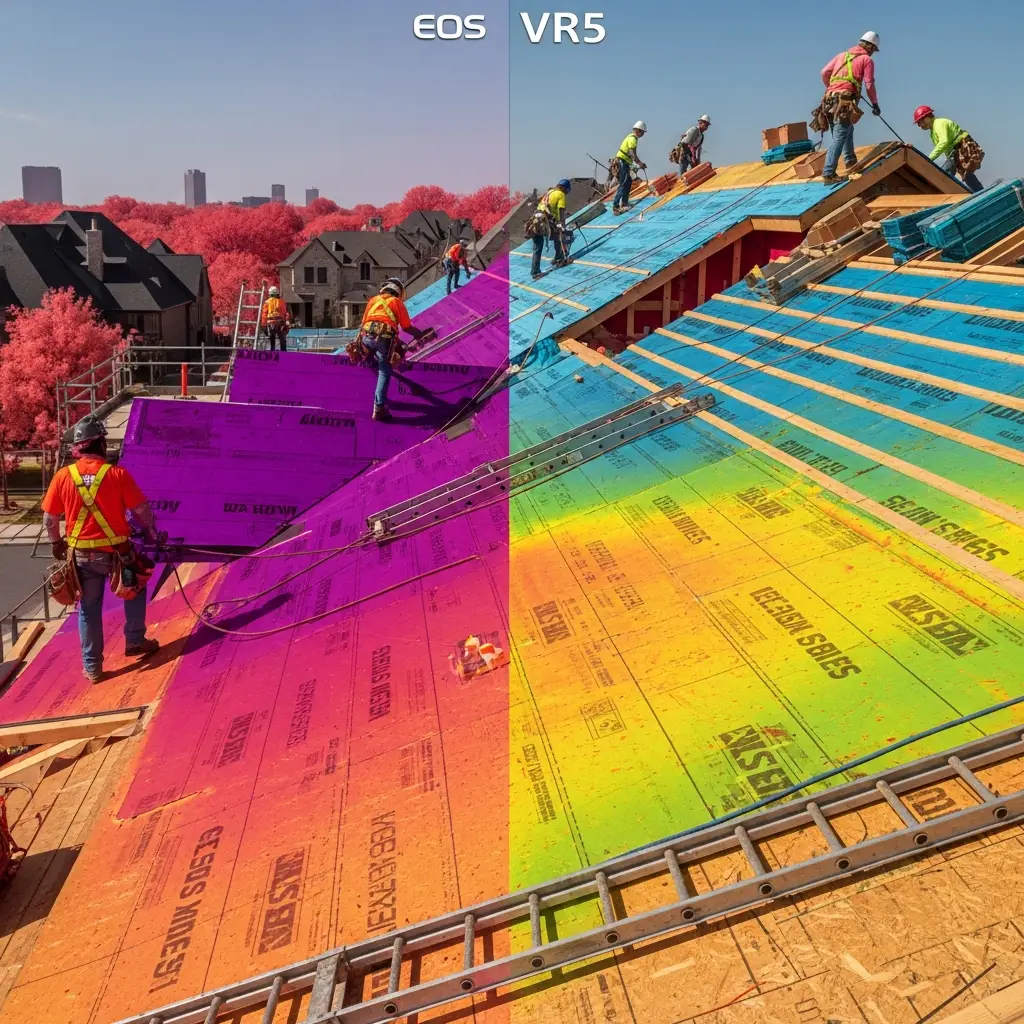
Protect your roof deck! Proper underlayment installation is vital in Dallas’ fluctuating climate to prevent moisture damage and ensure code compliance.
Building Code Compliance and Permit Requirements
Proper roof decking installation must comply with International Residential Code (IRC) and International Building Code (IBC) requirements as adopted by local jurisdictions. Understanding these requirements ensures legal compliance while providing baseline performance standards.
IRC Structural Requirements:
Section R803 of the IRC establishes roof sheathing requirements including minimum thicknesses based on framing spacing, allowable span ratings for different materials, and fastening schedules for various applications. These represent minimums that must be met or exceeded.
We reference these requirements on every project but frequently exceed minimums based on our experience with long-term performance in Dallas conditions. Code compliance represents the floor, not the ceiling, of what we recommend.
Permit and Inspection Requirements:
Most roof decking work requires building permits and inspections. Complete roof replacement including decking definitely requires permits, while minor repairs might not depending on scope and local requirements. We always check with local building departments before starting work to ensure compliance.
Inspections typically occur at the framing stage before decking installation, after decking is complete but before roofing materials are applied, and at final completion. These inspections verify code compliance and proper installation techniques, protecting property owners and ensuring quality work.
Some homeowners try to avoid permits to save costs, but this creates serious problems. Unpermitted work can void insurance coverage, complicate property sales, and result in fines if discovered. More importantly, it bypasses inspections that catch problems before they’re hidden under finished materials.
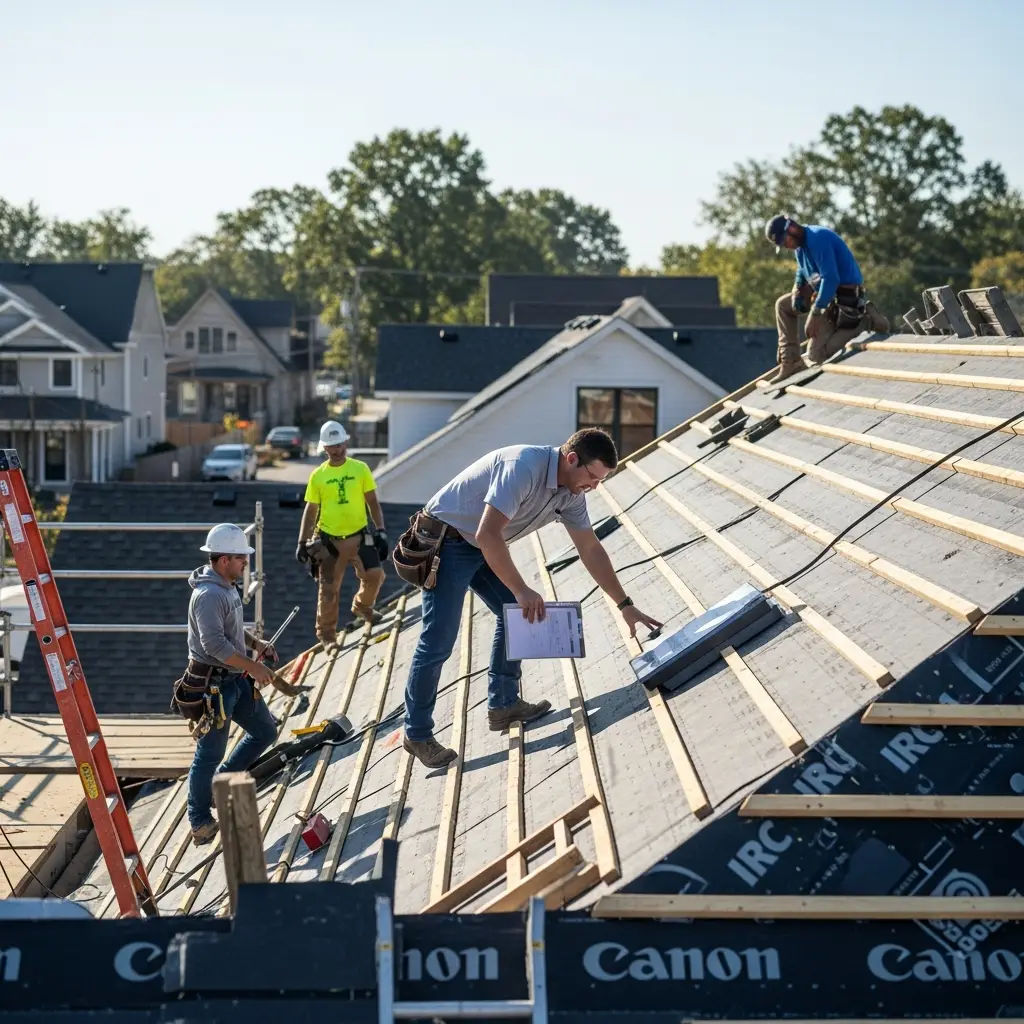
Roof decking must meet IRC and IBC structural requirements. Permit compliance protects homeowners and ensures quality roof installation that lasts.
Conclusion
Roof decking forms the critical foundation of your entire roofing system, and proper maintenance and installation directly determines how well that system performs over its intended lifespan. This roof decking maintenance and installation guide has covered the essential knowledge we’ve gained through more than eight years of hands-on work across Dallas and North Texas, from understanding construction fundamentals to recognizing when replacement becomes necessary, from mastering installation techniques to implementing effective maintenance protocols.
The most important takeaway is that proactive attention to your roof decking prevents expensive problems and extends system life significantly. Regular inspections catch small issues before they become catastrophic failures. Proper installation using quality materials and correct techniques provides decades of reliable service. Understanding when to call professionals versus attempting DIY work prevents costly mistakes and safety incidents.
We encourage property owners to view roof decking as a long-term investment deserving appropriate care rather than an afterthought addressed only when problems emerge. The relatively modest cost of proper installation and regular maintenance pales compared to emergency repairs, water damage remediation, or premature complete replacement resulting from neglect or corner-cutting.
Whether you’re planning new construction, maintaining an existing roof, or addressing deterioration problems, the principles covered in this guide apply. Start with quality materials properly installed, protect the system through regular maintenance and prompt repairs, and work with experienced professionals when projects exceed your capabilities or comfort level.
Frequently Asked Questions
How often should I inspect my roof decking?
We recommend professional roof inspections annually, with additional checks after severe weather events. Homeowners can perform preliminary inspections from the attic twice yearly—once in spring after winter weather and again in fall before the holiday season. Look for water stains, sagging, daylight visible through gaps, or signs of mold and deterioration.
Can I install new roofing over damaged or deteriorated decking?
Never install new roofing materials over damaged, deteriorated, or inadequate decking. The new roof will only perform as well as its foundation, and compromised decking undermines everything installed above it. We always inspect existing decking thoroughly during re-roofing projects and replace any sections showing water damage, rot, sagging, delamination, or inadequate thickness.
What’s the typical lifespan of roof decking in Dallas?
Properly installed OSB or plywood roof decking in well-ventilated attics should last 40-50 years or longer in Dallas. We’ve inspected plywood installations from the 1970s that remain serviceable. However, several factors can shorten this lifespan significantly. Inadequate ventilation traps moisture and heat, accelerating deterioration. Roof leaks exposing decking to water can cause failure within months. Poor installation with inadequate fastening or thickness creates premature problems.
How much does it cost to replace roof decking in Dallas?
Roof decking replacement costs in Dallas vary significantly based on extent, accessibility, and material selection. For partial replacement of damaged sections, expect $4-8 per square foot including labor and materials. Complete decking replacement on a typical 2,000 square foot home might run $6,000-15,000 depending on complexity, roof pitch, height, existing conditions, and material choice.
What are the signs that my roof decking needs immediate attention?
Several warning signs indicate roof decking requires immediate professional assessment. Visible sagging between rafters signals structural failure requiring urgent attention. Soft or spongy spots when walking on the roof indicate water damage and deterioration beneath. Daylight visible from the attic means holes or gaps compromise waterproofing.
Should I use OSB or plywood for roof decking in Dallas?
Both OSB and plywood perform well in Dallas when properly installed and maintained. Standard OSB costs 15-30% less than comparable plywood and offers consistent composition without voids, making it our most common residential choice. Modern OSB formulations have improved moisture resistance significantly compared to older products. Plywood provides superior moisture resistance and better aging characteristics.
Can I do roof decking replacement myself, or should I hire professionals?
Most roof decking replacement warrants professional expertise due to safety requirements, technical complexity, and code compliance issues. Working at heights requires proper safety equipment and training most homeowners lack. Proper installation demands understanding of structural requirements, load calculations, fastening schedules, and waterproofing details.
How does proper roof decking affect my energy costs?
Proper roof decking installation and maintenance affects energy costs in several ways. Radiant barrier decking with reflective facing can reduce attic temperatures by 20-30°F during Dallas summers, lowering cooling costs by 5-15% depending on insulation and home characteristics. Adequate attic ventilation facilitated by proper deck installation prevents excessive heat buildup that increases air conditioning loads.
