
Contractor’s Bottom Line
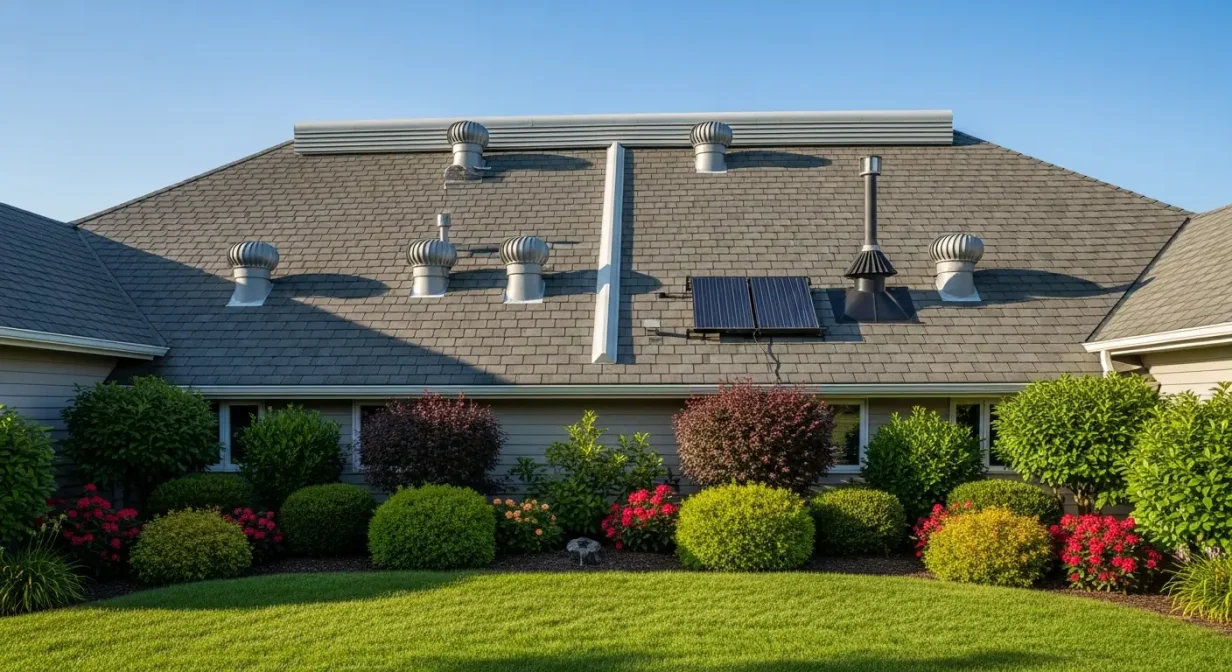
Types of roof vents include static designs like ridge vents and box vents, as well as mechanical options like turbine vents and powered exhaust fans. The chosen vent type must be sized correctly to provide the net free area required by IRC R806 for the specific attic volume. Avoid mixing different types of exhaust vents on the same roof plane, as this can cause short-circuiting of the airflow and reduce ventilation efficiency.
Key Takeaways
- Poor roof ventilation can lead to moisture buildup, causing mold and wood rot, potentially costing thousands in repairs.
- Regular roof inspections, guided by NRCA recommendations, can identify ventilation problems early and prevent costly damage.
- In Dallas, the Texas climate demands proper attic ventilation to mitigate heat buildup and prevent premature shingle degradation.
Roof vents are essential components of a healthy roofing system, playing a critical role in regulating attic temperature and moisture levels. Proper ventilation helps prevent a range of problems, from mold growth and wood rot to premature shingle failure. Understanding the different types of roof vents and their functions is the first step in ensuring your roof is adequately protected. As a construction consultant in Dallas, I have seen firsthand the devastating effects of poor roof ventilation.
Many Dallas homeowners do not realize that inadequate ventilation can void their shingle warranty and lead to significant structural damage. Ignoring warning signs like staining on ceilings or excessive attic heat can result in costly repairs and potential health hazards. Proper ventilation, conforming to IRC 2021 standards, is a key component of a long-lasting roof.
Warning Signs of Roof Vent Problems
Several warning signs can indicate issues with your roof ventilation system. One common sign is the presence of mold or mildew in the attic, which thrives in damp, poorly ventilated environments. Another indicator is excessive heat buildup in the attic, particularly during the hot summer months in Texas. This heat can damage shingles and increase energy costs.
The NRCA recommends checking for these signs regularly. Other warning signs include ice dams in the winter, which can damage shingles and cause leaks. Look for peeling paint on eaves and soffits, indicating moisture buildup. Uneven shingle wear or discoloration can also be a sign of inadequate ventilation.
Ignoring these symptoms can lead to significant structural damage and costly repairs. The International Code Council (ICC) provides guidelines for identifying and addressing these issues.

Mold Growth
Typical Cost: $5,000 – $15,000 for remediation
Prevention: Ensure proper attic ventilation
Insurance Coverage: May not be covered if caused by lack of maintenance
Code Reference: IRC R806.1
Ice Dams
Typical Cost: $1,000 – $5,000 for roof repairs
Prevention: Improve attic insulation and ventilation
Insurance Coverage: Often covered if caused by storm damage
Code Reference: IRC R806.5
Field Note from Experience
After inspecting dozens of Dallas-area roofs, I found that homes built before the 1980s often lack adequate ventilation according to modern standards, leading to premature shingle failure and high energy bills. Many older homes do not meet current IRC 2021 ventilation requirements.
How to Inspect Your Roof Vents
Regular roof inspections are crucial for identifying potential ventilation problems. Start by visually inspecting the vents from the ground, looking for any signs of damage or blockage. Check for debris, such as leaves or branches, that may be obstructing airflow. A thorough inspection of your attic is also necessary.
Ensure you have proper safety equipment, including eye protection and gloves. When inspecting the attic, look for signs of moisture, such as water stains or condensation. Check the insulation for dampness or mold growth. Feel the temperature of the attic; it should be relatively close to the outside temperature.
If the attic is excessively hot, it indicates poor ventilation. If you’re not comfortable performing the inspection yourself, consider hiring a professional roofing contractor in Dallas. They can provide a comprehensive assessment and identify any underlying issues. The NRCA provides guidelines for proper inspection techniques.

Advantages
- Visual inspection can identify obvious damage.
- Attic inspection can reveal moisture problems.
Disadvantages
- Requires climbing on the roof, which can be dangerous.
- May not identify subtle ventilation issues.
Field Note from Experience
Working on Texas roofing projects, I have noticed that many homeowners in the Dallas-Fort Worth area neglect regular roof inspections. This often leads to small problems escalating into major, costly repairs. A simple inspection twice a year can save homeowners thousands of dollars and prevent insurance headaches.
Assessing the Severity of Ventilation Damage
Once you’ve identified potential ventilation problems, it’s important to assess the severity of the damage. Minor issues, such as a small amount of mold or a few damaged shingles, may be easily addressed with simple repairs. However, more extensive damage, such as widespread mold growth or significant wood rot, may require more extensive repairs or even a complete roof replacement. Consider the age of your roof when assessing damage.
Consider the extent of the damage when determining the appropriate course of action. A professional roofing contractor can provide a thorough assessment and recommend the best solution. They can also help you navigate the insurance claims process if the damage is covered by your policy. Always prioritize safety when assessing roof damage.
If you’re unsure about the extent of the damage or not comfortable performing the assessment yourself, consult with a qualified professional. FEMA also offers resources for assessing storm damage to roofs.
| Damage Severity Levels | |
|---|---|
| Minor | Small mold patches, few damaged shingles |
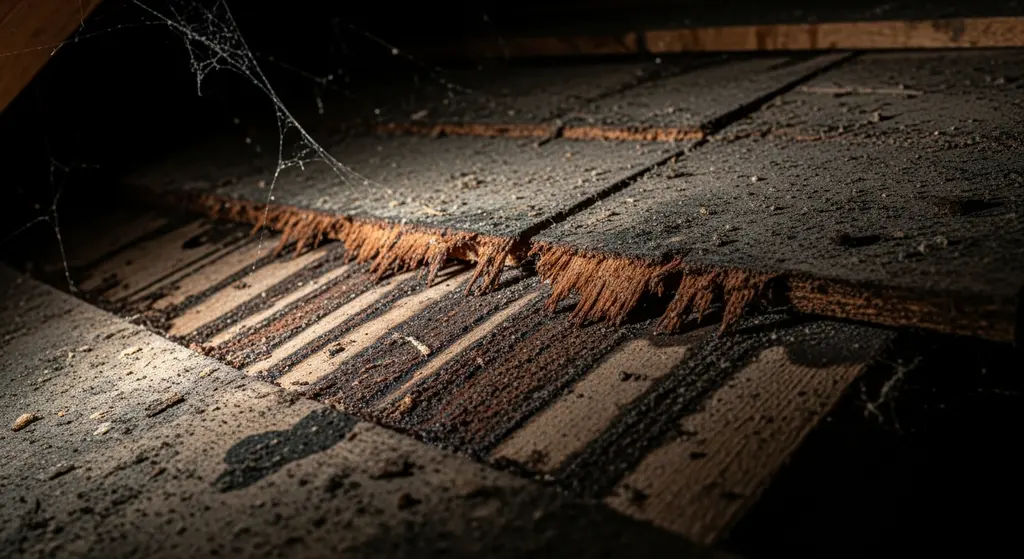
| Moderate | Widespread mold, some wood rot |
| Severe | Extensive wood rot, structural damage |
Field Note from Experience
In my 8+ years as a construction consultant in Dallas, I have seen numerous cases where homeowners underestimated the severity of ventilation damage, leading to more extensive and costly repairs down the line. A seemingly small leak can quickly escalate into a major structural problem, costing tens of thousands of dollars to fix.
External Authoritative Resources
These industry-standard references support the information in this guide:
Building Codes
Frequently Asked Questions
What are the different types of roof vents?
There are several types of roof vents, including ridge vents, soffit vents, gable vents, and turbine vents. Ridge vents are installed along the peak of the roof and provide continuous ventilation. Soffit vents are located under the eaves and allow air to enter the attic. Gable vents are located on the gable ends of the house and provide cross-ventilation.
Turbine vents are rotating vents that exhaust air from the attic. Each type has its advantages and disadvantages, and the best choice depends on the specific needs of your home and local climate. The NRCA offers guidance on selecting the appropriate ventilation system.
How much ventilation do I need?
The amount of ventilation required depends on the size of your attic and the climate you live in. Generally, the IRC 2021 requires a minimum of 1 square foot of ventilation for every 150 square feet of attic space. In colder climates, the requirement may be higher to prevent ice dams. A balanced ventilation system, with equal intake and exhaust, is crucial for optimal performance.
Consult with a roofing professional to determine the specific ventilation needs of your home. The International Code Council (ICC) provides detailed ventilation requirements.
Can I install roof vents myself?
Installing roof vents can be a challenging and potentially dangerous task. It requires working at heights and using specialized tools. If you’re not comfortable working on roofs or lack the necessary skills and experience, it’s best to hire a professional roofing contractor. Improper installation can lead to leaks and other problems, costing you more money in the long run.
The NRCA recommends hiring a qualified professional for all roofing work.
How often should I inspect my roof vents?
It’s recommended to inspect your roof vents at least twice a year, typically in the spring and fall. Regular inspections can help identify potential problems early, preventing costly damage. Pay close attention to any signs of damage or blockage, such as debris or mold growth. In Dallas, the extreme weather conditions can accelerate wear and tear on roofing components, making regular inspections even more important.
What are the benefits of proper roof ventilation?
Proper roof ventilation offers several benefits, including preventing moisture buildup, reducing the risk of mold growth, extending the lifespan of your roof, and lowering energy costs. By regulating attic temperature and moisture levels, ventilation helps protect your home from a range of problems. It also helps prevent ice dams in the winter and keeps your home cooler in the summer. According to Energy Star, proper ventilation can save homeowners up to 10-15% on their energy bills.
What happens if my roof ventilation is inadequate?
Inadequate roof ventilation can lead to a range of problems, including moisture buildup, mold growth, wood rot, premature shingle failure, and increased energy costs. It can also void your shingle warranty and lead to significant structural damage. In Dallas, the hot and humid climate makes proper ventilation even more critical. Ignoring ventilation problems can result in costly repairs and potential health hazards.
It is important to ensure your roof meets the minimum ventilation requirements outlined in the IRC 2021.
Final Thoughts
Proper roof ventilation is essential for maintaining a healthy and long-lasting roof. By understanding the warning signs of ventilation problems, performing regular inspections, and addressing any issues promptly, you can protect your home from costly damage. Remember that in the Dallas-Fort Worth area, the extreme Texas climate puts extra stress on roofing systems, making proper ventilation even more critical. If you suspect ventilation problems or are unsure about the best course of action, consult with a qualified roofing contractor.
A professional can provide a thorough assessment and recommend the best solution for your home. Don’t wait until it’s too late; take action today to protect your investment. Always verify your contractor’s Texas Department of Licensing and Regulation (TDLR) license. Many Dallas homeowners do not realize the importance of ventilation until significant damage has already occurred.
