
Contractor’s Bottom Line
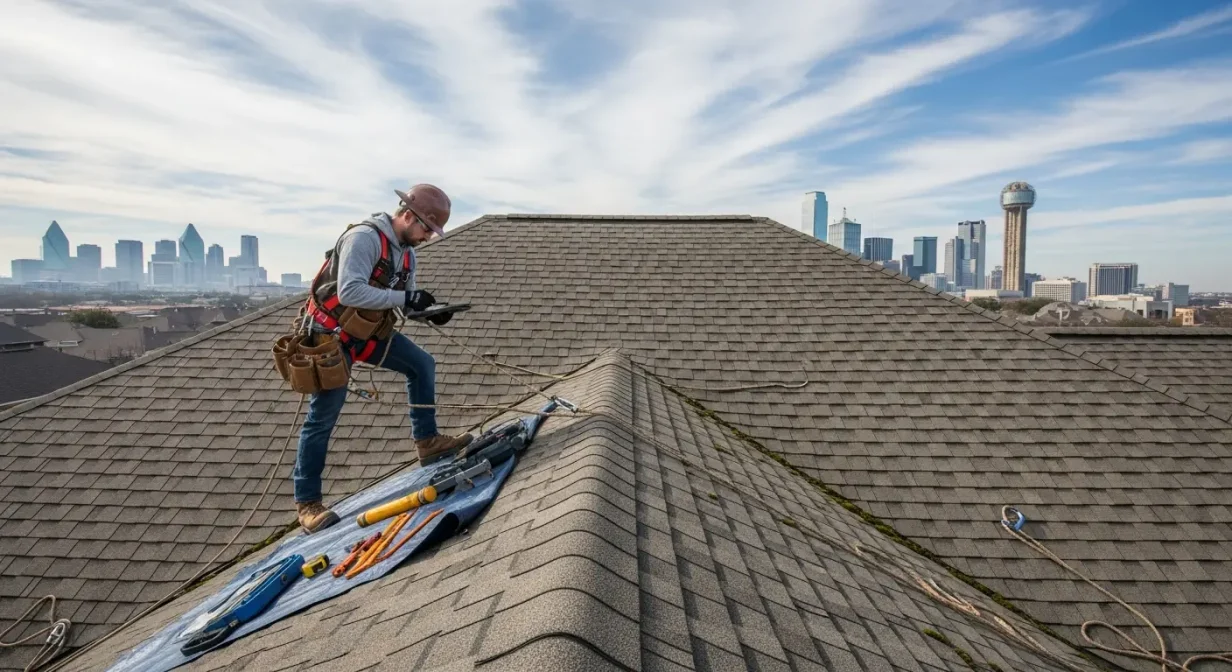
Roof storm damage encompasses any structural or material compromise caused by high winds, hail, or flying debris during severe weather. Wind damage often presents as lifted shingle tabs and removed ridge caps, while hail leaves distinct bruises that displace granules. Document all damage with high-resolution photos immediately after the storm passes to support an accurate insurance claim assessment.
Key Takeaways
- Identify functional damage like shingle bruising or fractured mats that meet ASTM D3462 standards for asphalt shingles.
- Ensure all repairs comply with IRC R905.2.1, which mandates specific underlayment and fastening patterns in high-wind zones.
- Texas HB 2102 makes it illegal for contractors to waive deductibles; always verify your contractor follows state law.
- The National Roofing Contractors Association (NRCA) recommends professional inspections twice a year for North Texas homes.
As a construction consultant in Dallas, I have seen how quickly a spring storm can turn a secure home into a liability. The combination of 100-degree heat and sudden hailstorms creates a thermal shock that weakens even the best architectural shingles. Understanding the difference between cosmetic aging and structural storm damage is the first step in protecting your largest investment. FIELD NOTE #1: Last month, a Dallas homeowner in Highland Park called me after their initial claim for roof storm damage was denied.
The adjuster claimed the granule loss was ‘normal wear,’ but my inspection revealed fractured fiberglass mats beneath the asphalt shingles. By documenting the specific impact patterns, we secured a $28,000 full replacement that was initially valued at zero. We will explore the technical indicators of damage and the regulatory requirements set by the International Code Council (ICC). My goal is to equip you with the knowledge to navigate the complex intersection of building codes and insurance requirements.
Whether you have 3-tab shingles or premium synthetic underlayment, the principles of professional assessment remain the same.
Identifying Critical Warning Signs of Storm Impact
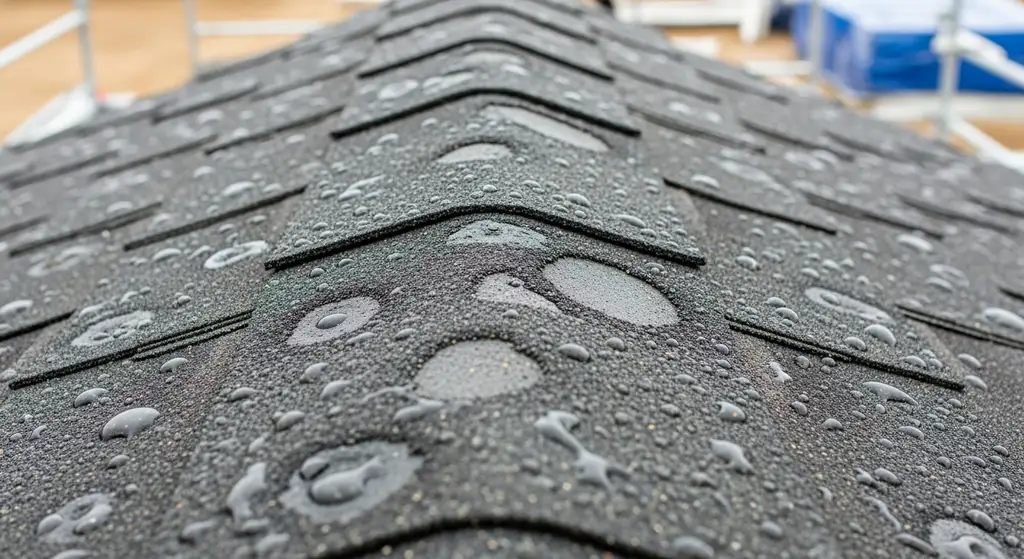
The most common form of roof storm damage in North Texas is hail impact, which often appears as dark spots or ‘bruises’ on asphalt shingles. These impacts displace the protective granules, exposing the underlying bitumen to UV radiation and accelerating degradation. According to ASTM D3462, shingles must maintain specific tear strength, which is compromised once the mat is fractured. Wind damage presents differently, often lifting the adhesive seal of architectural shingles or creasing them at the top of the exposure line.
If the sealant strip fails to re-adhere, the roof is vulnerable to water infiltration during the next rain event. I often find that synthetic underlayment meeting ASTM D226 standards provides a critical secondary barrier when shingles are displaced. Check your gutters and downspouts for excessive granule accumulation after a storm. While some shedding is normal for new roofs, a significant ‘sludge’ of granules indicates that the shingles have suffered high-energy impacts.
This loss of surfacing significantly reduces the life expectancy of the roof system and may warrant a full replacement under NRCA guidelines.
Contractors offering ‘free roofs’ by covering deductibles
Consequence: This is insurance fraud under Texas HB 2102 and can lead to legal penalties.
Professional Inspection Protocols for Dallas Homes
A thorough inspection must go beyond a simple ground-level view to accurately assess roof storm damage. I utilize high-resolution drone photography and physical ‘test squares’—10-foot by 10-foot areas—to count the number of impacts. This methodology aligns with the standards used by most major insurance carriers and the International Code Council (ICC). Safety is paramount during any roof assessment, and we strictly adhere to OSHA (Occupational Safety and Health Administration) fall protection standards.
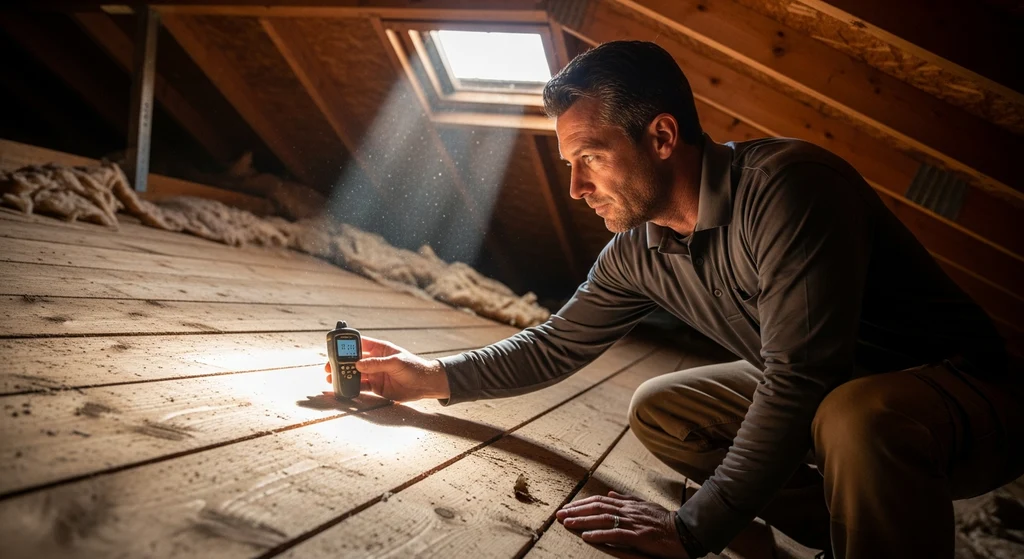
We examine not just the shingles, but also the ‘soft metal’ components like ridge vents, lead boots, and turtle vents. Dents in these materials often serve as ‘collateral damage’ evidence that supports a hail claim. In the DFW Metroplex, we also check the roof decking for signs of moisture or structural deflection. Using a moisture meter, we can detect leaks that haven’t yet manifested as ceiling stains.
If the CDX plywood or OSB (oriented strand board) shows signs of delamination, it must be replaced per IRC R803.2.1 requirements.
Field Note from Experience
During an inspection in Plano, I discovered that a previous contractor had installed new shingles over rotted OSB. This code violation meant the new roof lacked proper fastener pull-out resistance. We had to strip the entire roof, costing the homeowner an additional $4,500 that could have been avoided with a proper initial inspection.
Dallas Building Codes and Compliance Standards
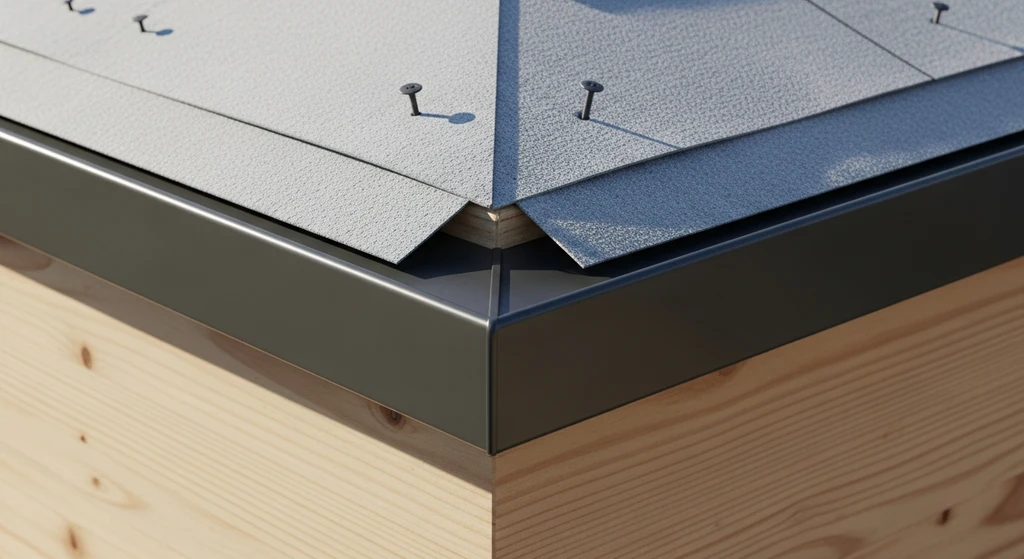
The City of Dallas and surrounding municipalities generally follow the 2021 International Residential Code (IRC). Specifically, IRC R905 governs the installation of roof coverings and requires that they be installed according to manufacturer specifications. For asphalt shingles, this includes using fasteners that meet ASTM D1761 for mechanical properties. One critical code often overlooked in North Texas is the requirement for drip edge installation.
IRC R905.2.8.5 mandates that drip edge be provided at eaves and gables of shingle roofs. I frequently see older homes in Dallas neighborhoods like Lake Highlands that lack this, leading to rot in the fascia and soffit after heavy storms. Furthermore, if more than 25% of a roof section is damaged, some local amendments in the DFW Metroplex may require the entire slope to be brought up to current code. This includes ensuring proper ventilation ratios as defined by the NRCA.
Proper ventilation prevents the extreme heat of Dallas summers from ‘cooking’ the shingles from the inside out.
| Code Compliance Checklist | |
|---|---|
| Fasteners | Min. 12-ga nails with 3/8-in heads |
| Underlayment | ASTM D226 Type II or ASTM D4869 |
| Decking | Min. 15/32-inch CDX or OSB |
Navigating the Texas Insurance Claims Process
Understanding your policy is vital before filing a claim for roof storm damage. Most Texas homeowners have either Replacement Cost Value (RCV) or Actual Cash Value (ACV) policies. RCV pays to replace the roof at current 2026 market rates, while ACV subtracts depreciation, which can leave you with significant out-of-pocket expenses. In Dallas-Fort Worth, expect to pay $4.50-$7.00 per square foot for professional roofing services.
These are current 2026 Dallas market prices; costs can be 15-25% higher in remote Texas areas and 10% lower in rural counties. Prices fluctuate seasonally, with the spring storm season driving a 20-30% premium due to high demand for labor and materials. Texas law also provides for ‘Ordinance or Law’ coverage, which is essential when building codes change. If your home was built under an older IRC version, this coverage pays the extra cost to bring the roof up to the current IRC 2021 standards.
I always advise clients to verify this coverage exists in their policy to avoid unexpected costs during a rebuild.
Dallas Market Pricing
In Dallas-Fort Worth, expect to pay $450-$700 per roofing square (100 sq ft). These are current 2026 Dallas market prices; costs vary by region and can be 15-25% higher in remote Texas areas. Peak pricing occurs spring (March-May) storm season.
What Contractors Hide
Adjusters using ‘preferred contractors’
The Reality: These contractors often have pre-negotiated rates that may lead to using lower-grade materials like 3-tab shingles instead of architectural shingles.
External Authoritative Resources
These industry-standard references support the information in this guide:
Building Codes
Frequently Asked Questions
How long do I have to file a claim in Texas?
Most Texas policies allow 12 months from the date of loss, but you should check your specific policy language as some ‘surplus lines’ carriers limit this to 180 days. Prompt filing is recommended by the NRCA to prevent secondary water damage.
Can I just repair the damaged sections?
While possible, IRC R905 requires that repairs maintain the fire-resistance rating of the roof. In Dallas, if the shingles are brittle from heat, a ‘partial repair’ may cause more damage to surrounding shingles, making a full replacement more cost-effective.
What is a ‘Class 4’ shingle?
A Class 4 shingle has passed the UL 2218 impact test, meaning it can withstand a 2-inch steel ball drop without cracking. Many Dallas insurance providers offer premium discounts for installing these high-performance materials.
Does insurance cover code upgrades?
Only if you have ‘Ordinance or Law’ coverage. This pays for mandatory items like new drip edges or ventilation required by the current IRC 2021 that weren’t present when the home was originally built.
What if my claim is denied?
You have the right to request a re-inspection or enter into ‘Appraisal’ per the Texas Insurance Code. Having a consultant present with a moisture meter and ASTM standards documentation can often overturn a denial.
Are ‘Free Roof’ offers legal in Dallas?
No. Under Texas HB 2102, it is illegal for a contractor to pay, waive, or rebate an insurance deductible. Both the contractor and the homeowner can face legal consequences for this practice.
Final Thoughts
Identifying roof storm damage in the Dallas-Fort Worth area requires a blend of technical expertise and a deep understanding of local building codes. By following the standards set by the NRCA and ensuring compliance with the IRC, you can protect your home from the long-term effects of North Texas weather. Never settle for a cursory glance from the ground; insist on a detailed inspection that includes collateral damage and attic assessments. FIELD NOTE #3: I recently worked with a family in the DFW Metroplex who had three ‘storm chasers’ tell them their roof was fine.
My inspection found that while the shingles looked okay, the wind uplift had broken the seal on 40% of the roof, violating IRC R905.2.7. We secured a full replacement just weeks before a major rainstorm would have caused catastrophic interior leaks. Be proactive, stay informed, and always prioritize code-compliant repairs.
