
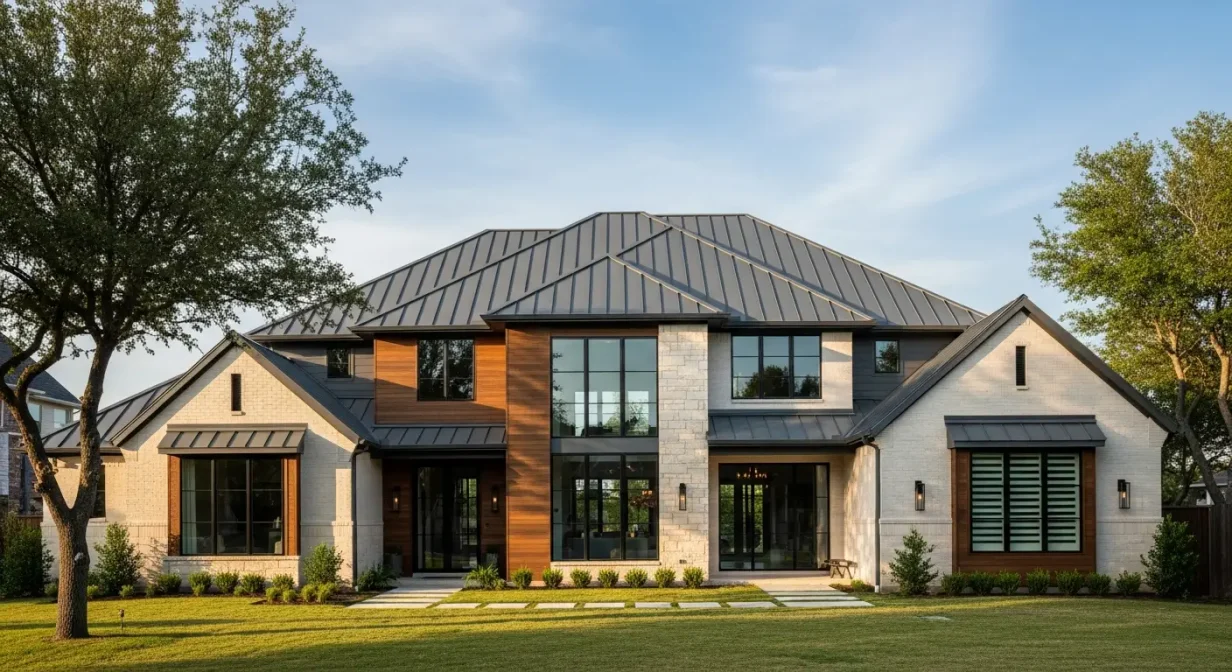
Contractor’s Bottom Line
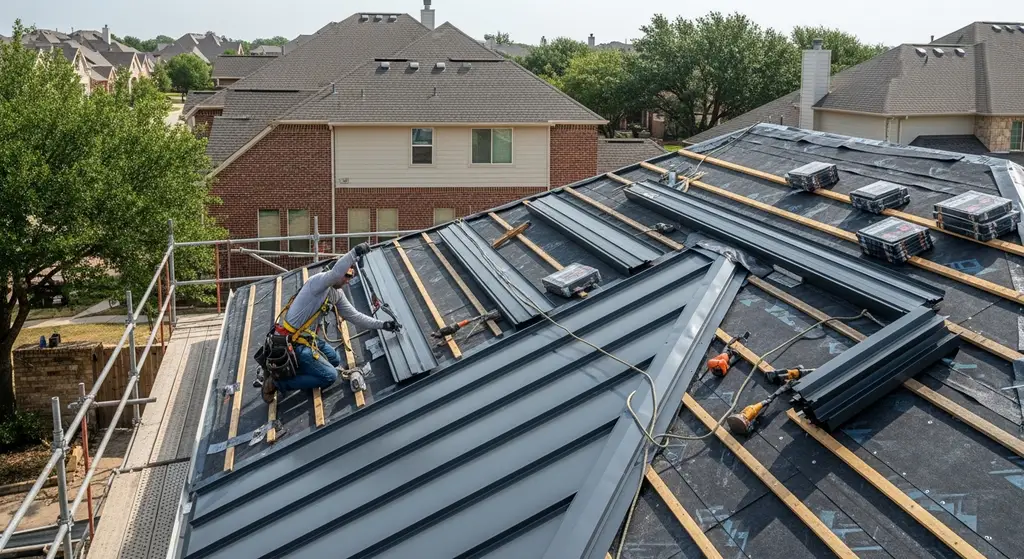
Metal roof installation requires precise fastening techniques and thermal expansion planning to ensure long-term weather resistance. Concealed fastener systems require carefully calculated clip spacing to allow the panels to move freely during temperature fluctuations without distorting the standing seams. Follow the manufacturer’s specific layout instructions for panel orientation and fastener placement to maintain the structural warranty.
Key Takeaways
- Metal roofing provides a Class 4 impact rating per UL 2218, which is essential for surviving North Texas hail storms.
- IRC 2021 requirements in Dallas County mandate specific underlayment such as ASTM D226 Type II or synthetic underlayment.
- Energy Star certified metal roofs can reduce summer cooling costs in Dallas by up to 40% through high solar reflectance.
Choosing a metal roof in the Dallas-Fort Worth area is a strategic move to combat our volatile weather patterns. As a consultant with over eight years of experience in the DFW Metroplex, I have seen how high-quality steel systems outperform architectural shingles during our intense spring storm seasons. The National Roofing Contractors Association (NRCA) emphasizes that proper material specification is the difference between a lifetime solution and a costly failure. FIELD NOTE #1: Last month, a homeowner in Lake Highlands called me after a spring hailstorm destroyed their three-year-old asphalt roof, resulting in a $22,000 loss.
We upgraded them to a standing seam metal roof, which not only secured a significant insurance premium discount but also provided peace of mind for the next four decades. By following International Code Council (ICC) standards, we ensured their home was the most resilient on the block. While the initial cost is higher than 3-tab shingles, the long-term value of metal is unmatched in the Texas climate. We will explore the technical nuances of Galvalume, the importance of ASTM International standards, and how to navigate the local Dallas building permit process.
Understanding these details ensures you are making an informed decision for your most valuable asset.
Technical Composition of Modern Metal Systems
Modern metal roofing systems are engineered for durability using high-tensile steel or aluminum alloys. Most residential projects in North Texas utilize Galvalume, which is a patented alloy of 55% aluminum and 45% zinc by weight, conforming to ASTM A792 standards. This composition provides the sacrificial protection of zinc with the barrier protection of aluminum, making it ideal for the humidity and heat of the DFW Metroplex. For those seeking a specific aesthetic, G-90 galvanized steel remains a popular choice due to its thick zinc coating of 0.90 ounces per square foot as per ASTM A653.
This material is often finished with a Kynar 500 or Hylar 5000 PVDF resin-based coating, which resists UV degradation and chalking. These coatings are essential for maintaining Energy Star ratings and ensuring the roof reflects solar radiation rather than absorbing it into the attic space.
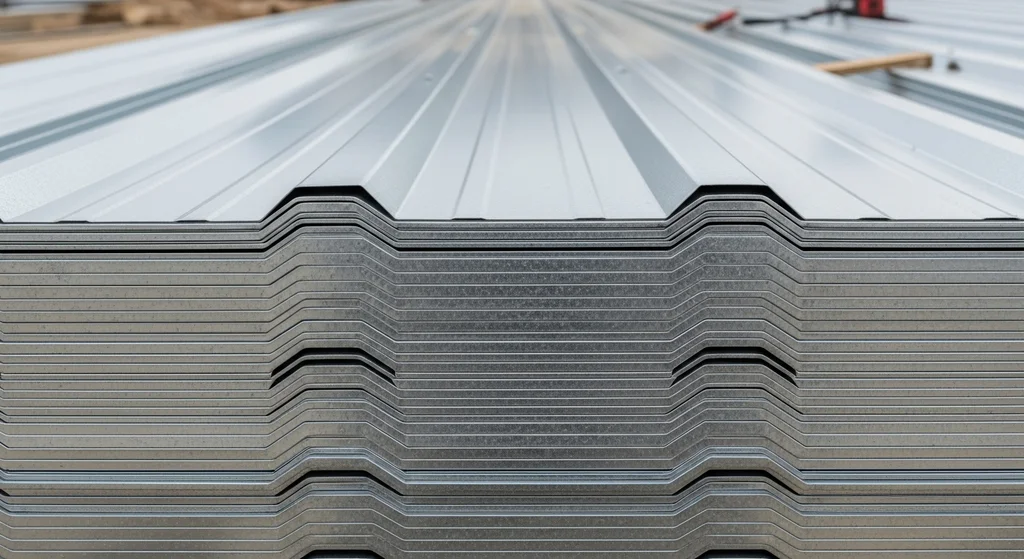
| Core Material Specs | |
|---|---|
| Standard Gauge | 24 or 26 Gauge Steel |
| Coating Type | PVDF (Kynar 500) |
| Reflectivity | Energy Star Certified |
Performance in the North Texas Environment
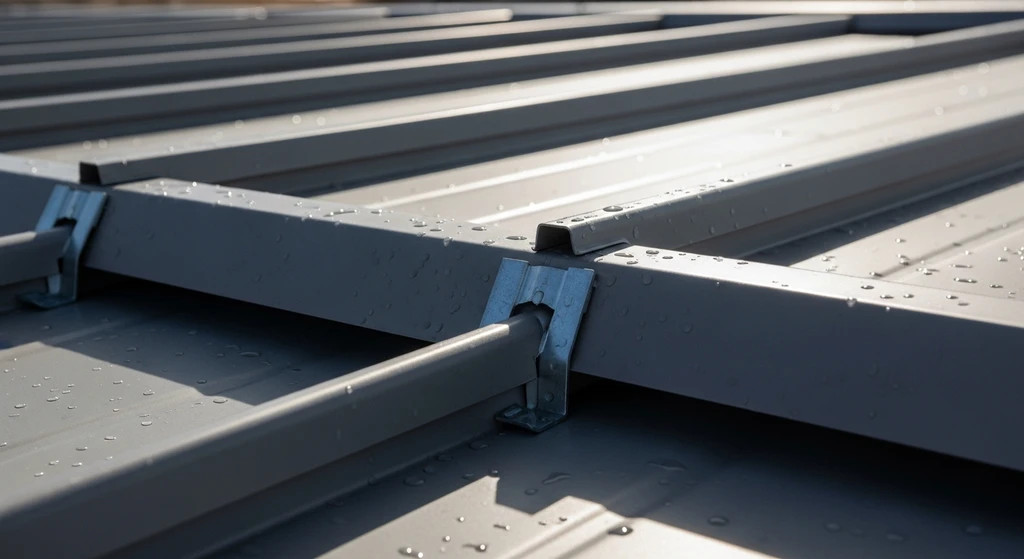
The Dallas climate presents unique challenges, including temperature swings of 40 degrees in a single day and extreme summer heat exceeding 100°F. Metal roofs handle thermal expansion through specialized clips in standing seam systems, which allow the panels to move without stressing the fasteners. This is a critical advantage over fixed-fastener systems that may back out over time due to the constant movement of the structure. In terms of storm resilience, the Federal Emergency Management Agency (FEMA) highlights metal as a preferred material for high-wind zones.
When installed according to IRC R905.10, these systems can withstand wind uplift pressures common during North Texas supercell events. Furthermore, the non-combustible nature of steel provides an added layer of fire protection, which is increasingly relevant in suburban-interface areas of the DFW Metroplex.
Field Note from Experience
I once inspected a metal roof in Frisco where the previous contractor used ‘exposed fasteners’ on a long panel run without accounting for expansion. The thermal movement eventually elongated the screw holes, leading to $8,500 in water damage to the CDX plywood decking during a heavy rain. We had to replace the entire slope using proper standing seam techniques to fix the root cause.
Dallas Metal Roofing Investment Analysis
Investing in a metal roof requires a higher upfront capital outlay compared to asphalt shingles, but the lifecycle cost is significantly lower. In the Dallas-Fort Worth market, labor costs are influenced by the complexity of the roof’s geometry and the height of the structure. Homeowners should also factor in the cost of high-quality synthetic underlayment, which is required by IRC R905.1.1 to provide a secondary moisture barrier. Permit fees in cities like Dallas or Plano typically range from $150 to $500 depending on the project valuation.
While some contractors might suggest skipping the tear-off of old shingles to save money, I strongly advise against it. Removing the old material allows for a full inspection of the OSB or oriented strand board decking to ensure it meets the structural requirements of ASTM D3043 before the new heavy-duty metal system is applied.
Dallas Market Pricing
In Dallas-Fort Worth, expect to pay $1,200-$1,800 per square for premium standing seam. These are current 2026 Dallas market prices; costs vary by region and can be 15-25% higher in remote Texas areas. Peak pricing occurs during the spring (March-May) storm season due to high demand.
| System Type | DFW Price Per Square | Expected Lifespan |
|---|---|---|
| Standing Seam (24ga) | $1,200 – $1,800 | 50+ Years |
| Stone-Coated Steel | $900 – $1,400 | 45+ Years |
| Exposed Fastener Rib | $650 – $950 | 20-30 Years |
Identifying Contractor Scams in DFW
The roofing industry in Texas is unfortunately prone to ‘storm chasers’ who appear after major hail events. One of the most common red flags is a contractor offering to ‘cover your deductible,’ which is a violation of Texas HB 2102 and constitutes insurance fraud. Always verify that your contractor has a physical office in the DFW Metroplex and carries adequate general liability insurance and OSHA-compliant safety protocols. Another industry trick is the use of thin, 29-gauge ‘agricultural grade’ metal for residential applications.
While this material is cheaper, it lacks the structural integrity required by the International Code Council (ICC) for residential dwellings. Ensure your contract specifies the steel gauge and the specific ASTM International standards the material meets to avoid paying premium prices for sub-standard products.
Deductible Assistance
Consequence: Involvement in insurance fraud per Texas law.
No Local References
Consequence: High risk of poor warranty support and ‘tail-light’ warranties.
Missing Underlayment
Consequence: Premature decking rot and failure to meet IRC code.
What Contractors Hide
Reusing old flashing
The Reality: Contractors save $500 in materials but cause leaks within 2 years.
Skipping edge metal
The Reality: Leaves the roof deck vulnerable to wind uplift and pests.
External Authoritative Resources
These industry-standard references support the information in this guide:
Building Codes
Frequently Asked Questions
Is a metal roof louder during Texas rainstorms?
When installed over solid OSB decking with proper synthetic underlayment, metal roofs are no louder than asphalt shingles. The attic insulation and roof structure dampen the sound effectively according to NRCA standards.
Does a metal roof attract lightning in Dallas?
No, metal roofing is a conductor but not an attractor. In the event of a strike, the non-combustible steel helps prevent the house from catching fire, meeting FEMA safety recommendations.
Can I walk on my metal roof?
Yes, but it requires specific foot placement on the ribs or flat areas depending on the profile. Always follow OSHA safety guidelines and wear soft-soled shoes to avoid scratching the PVDF coating.
How does metal roofing affect cell service?
In most cases, there is no noticeable difference. However, if you already have weak signal, the metal might slightly impact it, which can be easily resolved with a signal booster.
What is the best gauge for a Dallas home?
I recommend 24-gauge steel for residential standing seam. It provides the best balance of structural strength and oil-canning resistance required by IRC 2021 standards.
Do metal roofs rust near DFW lakes?
Galvalume (ASTM A792) is highly resistant to corrosion. For homes directly on the water at Lake Ray Hubbard or Joe Pool Lake, aluminum is an even more durable option.
Final Thoughts
Transitioning to a metal roof is one of the most significant upgrades you can make for your North Texas home. By adhering to IRC 2021 codes and selecting materials that meet ASTM International standards, you ensure that your investment will withstand the harshest Dallas weather. The combination of energy efficiency, hail resistance, and long-term durability makes metal the gold standard for residential roofing in the DFW Metroplex. FIELD NOTE #3: I recently consulted for a family in Plano who had been through three roof replacements in twelve years due to hail.
They finally opted for a stone-coated steel system, and when the next storm hit, they were the only ones on their street who didn’t have to file an insurance claim. Don’t wait for the next storm to realize the value of a resilient roof; contact a qualified professional today to secure your home’s future.
