
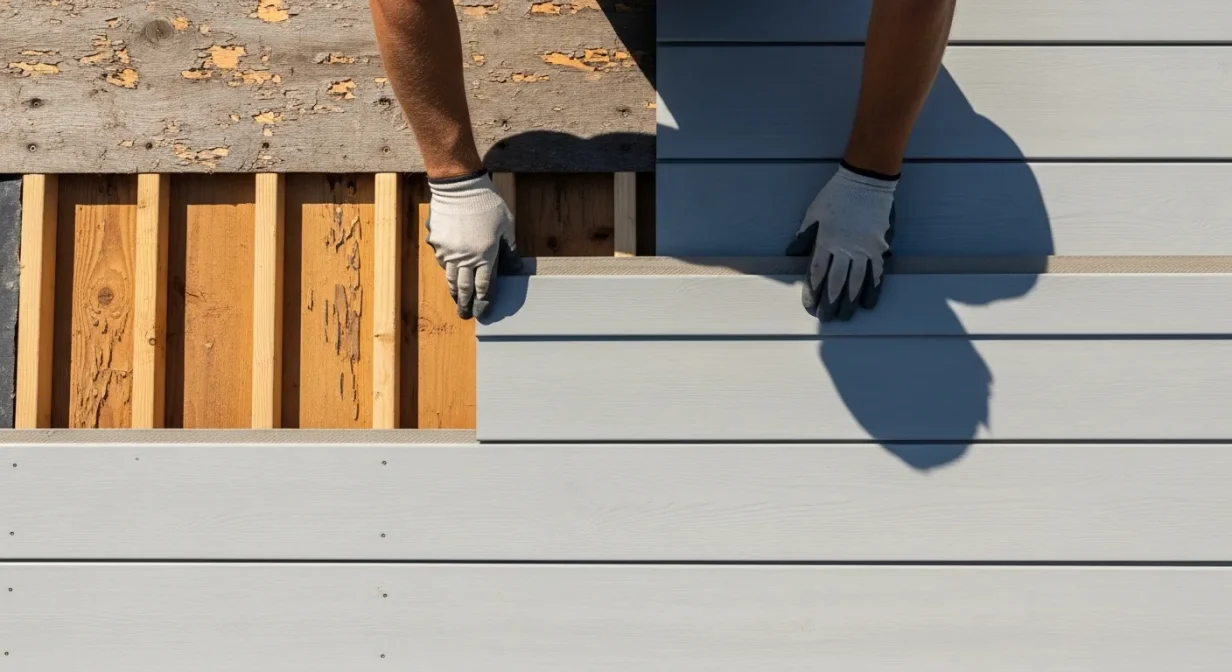
Contractor’s Bottom Line
Installing new siding over old siding is structurally permissible only if the existing framing and sheathing can support the added weight. IRC R703.1 requires walls to have a weather-resistant barrier, and wrapping old siding creates a hidden moisture trap that accelerates rot. Remove the original cladding to inspect the wall cavity, and install a proper drainage plane before applying the new exterior.
Key Takeaways
- Trapped moisture between siding layers can lead to rapid fungal growth and structural decay in North Texas humidity.
- IRC 2021 R703 requires a continuous water-resistive barrier, often necessitating furring strips for proper ventilation.
- Overlaying siding in Dallas-Fort Worth typically saves 15-20% upfront but increases long-term maintenance costs by 40% due to hidden rot.
- ASTM D4869 or ASTM D226 felt paper must be integrated correctly to prevent water from reaching the original oriented strand board (OSB).
Installing new siding over old siding is a common request from homeowners looking to boost curb appeal without the mess of a full tear-off. However, as a consultant in the DFW Metroplex, I’ve seen how the extreme Texas heat can turn an overlay into a moisture trap. Before proceeding, you must understand the structural implications and the local building codes that govern these installations. FIELD NOTE: Last month, a Dallas homeowner in the M-Streets called me after their ‘siding-over-siding’ project resulted in $22,000 in structural repairs.
The previous contractor had nailed vinyl siding directly over old cedar shakes, which trapped condensation and rotted the underlying wall studs. We had to strip the entire house down to the framing to ensure the home was safe and compliant with the International Code Council (ICC) standards. Deciding to overlay requires a thorough inspection of the existing substrate and a commitment to high-quality materials like James Hardie fiber cement or premium vinyl. We will explore the technical requirements of IRC 2021 and how to protect your investment from the unique environmental stressors found in North Texas.
Siding Overlay vs. Full Tear-Off: The Professional Verdict
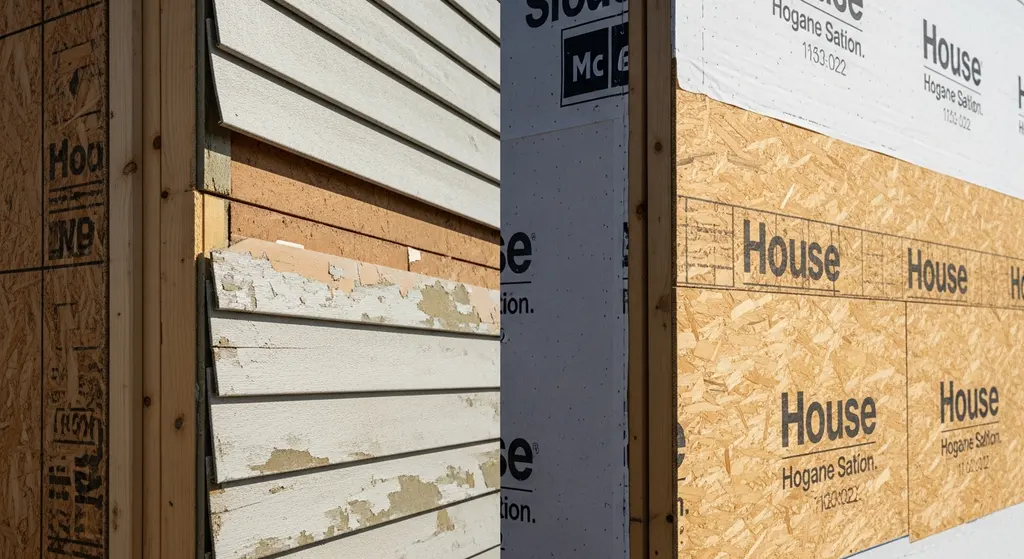
A siding overlay involves installing new materials, such as vinyl or fiber-cement, directly over the existing wood or metal siding using furring strips. This method avoids the disposal costs of old materials and can provide a slight increase in R-value if rigid foam insulation is added. However, it often masks underlying issues like termite damage or wood rot that only a full tear-off would reveal. A full replacement involves stripping the exterior down to the CDX plywood or oriented strand board (OSB) sheathing.
This allows for the installation of modern house wrap that meets ASTM D226 standards, ensuring a superior weather-tight seal. While more expensive, this method is the only way to guarantee that the building envelope is free of mold and structural compromises before the new facade is applied.
| Feature | Siding Overlay | Full Replacement |
|---|---|---|
| Upfront Cost (DFW) | $7.50 – $11.00/sq ft | $12.00 – $18.00/sq ft |
| Lifespan | 15-20 Years | 30-50 Years |
| Code Compliance | Difficult (IRC R703) | Standard |
| Moisture Risk | High | Low |
Field Note from Experience
During an inspection in Plano, I found that an overlay had added so much weight that the original fasteners were shearing. The homeowner had to pay $9,000 just to stabilize the wall before we could even start the actual replacement project. (Currently applicable in 2026).
The Danger of Trapped Moisture in North Texas
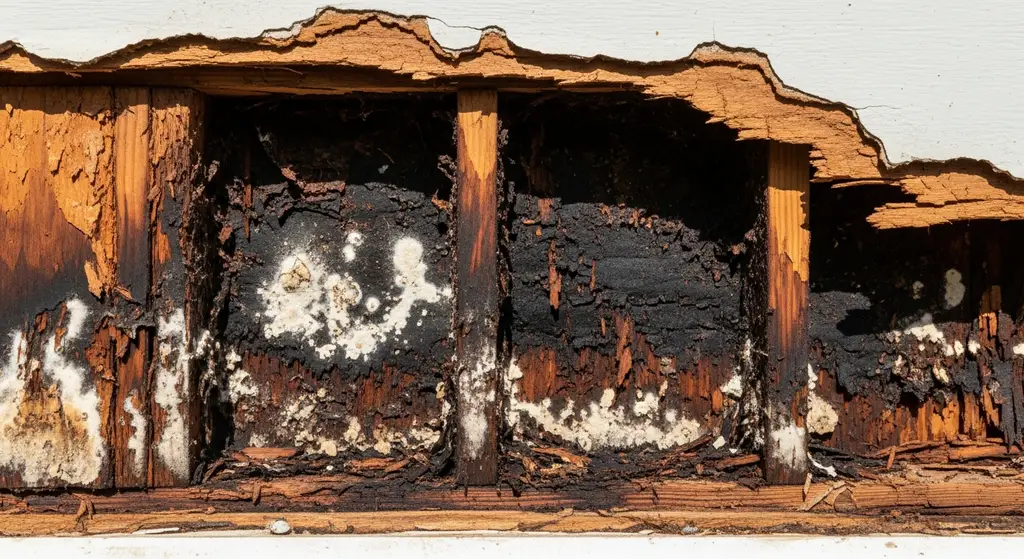
In the Dallas-Fort Worth area, the humidity levels and frequent spring storms create a high-pressure environment for exterior walls. When you install new siding over old siding, you create a ‘sandwich’ effect where humidity can condense between the layers. Without a proper rainscreen or furring strip system, this moisture has no path to evaporate, leading to rapid decay of the original wood siding. Over a period of 24 to 36 months, this trapped moisture can compromise the structural integrity of the wall sheathing.
Fungal growth often begins within the first year, though it remains invisible to the homeowner until the rot penetrates the interior drywall. Utilizing a high-quality synthetic underlayment that meets ASTM D4869 can mitigate some risk, but it is not a foolproof solution for overlays.
Ghosting and Mold
Typical Cost: $3,500 – $6,000
Prevention: Install furring strips for ventilation
Insurance Coverage: Typically excluded (maintenance issue)
Code Reference: IRC R703.1.1
IRC 2021 Code Compliance for Siding Overlays
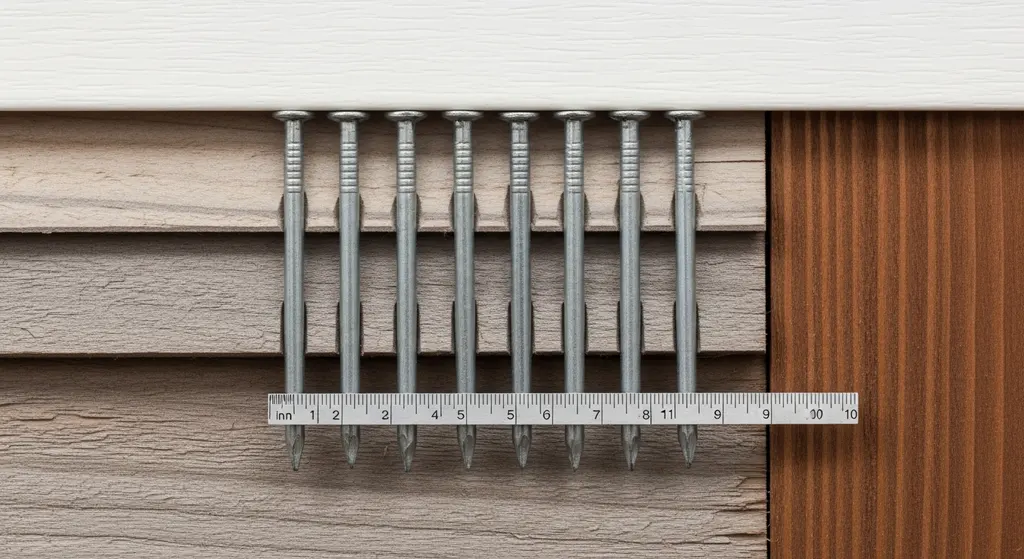
The International Residential Code (IRC) 2021, specifically Section R703, dictates the requirements for exterior coverings. When performing an overlay, the new siding must be attached to the structural framing, not just the old siding. This often requires longer fasteners that can penetrate at least 1 inch into the wall studs, as specified by ASTM D1761 for mechanical fasteners. Furthermore, the International Code Council (ICC) requires that the water-resistive barrier be maintained.
If the original siding is used as the substrate, it must be sound, level, and free of decay. In many Dallas jurisdictions, inspectors will require a mid-point inspection to verify that the new fasteners are reaching the studs and that flashing is correctly integrated with existing windows and doors.
| Code Compliance Checklist | |
|---|---|
| Fastener Depth | 1-inch minimum into studs |
| Barrier Standard | ASTM D226 Type II |
| Wind Load | Must meet DFW 115mph zones |
What Siding Contractors Won’t Tell You
Many contractors push for overlays because they are faster to complete and require less labor, allowing for higher profit margins. They may hide the fact that the manufacturer’s warranty for the new siding could be voided if installed over an unstable or non-breathable substrate. Always ask for a written statement from the manufacturer, such as James Hardie or CertainTeed, regarding overlay installations. Another common tactic is skipping the installation of new flashing at window headers and sills.
Because the wall becomes thicker with a second layer of siding, original flashing is often insufficient to divert water. Contractors may try to ‘caulk their way out’ of this problem, but caulk is a temporary fix that will fail within 3-5 years in the intense Texas sun.
Dallas Market Pricing
In Dallas-Fort Worth, expect to pay $7.50-$11.00 per square foot for a basic vinyl overlay. These are current 2026 Dallas market prices; costs for fiber cement overlays are 30-40% higher. Prices typically peak in spring (March-May) after storm season.
Contractor doesn’t mention furring strips
Consequence: No air gap means the old siding will rot within 24 months.
What Contractors Hide
Reusing old window flashing
The Reality: Creates a leak point because the new wall profile is deeper than the old one.
Nailing into old siding only
The Reality: The new siding will sag or blow off during high North Texas winds because it lacks structural attachment.
External Authoritative Resources
These industry-standard references support the information in this guide:
Building Codes
Frequently Asked Questions
Does IRC 2021 allow siding over siding?
Yes, IRC 2021 Section R703 allows it, provided the substrate is sound and the new fasteners penetrate the structural framing. However, the NRCA warns that moisture management becomes significantly more complex.
Will an overlay void my siding warranty?
It can. Most manufacturers, like James Hardie, require a flat, stable substrate. If the old siding is warped, the new material may not perform as intended, potentially voiding the ASTM D3043 performance ratings.
How much does a siding overlay cost in Dallas?
Current 2026 rates in the DFW Metroplex range from $7.50 to $11.00 per square foot for vinyl. Fiber cement options are higher, often reaching $14.00 per square foot including furring strips.
Can I put vinyl siding over old wood siding?
You can, but you must install a weather-resistive barrier meeting ASTM D226 standards first. Without this, the wood underneath will absorb condensation and rot over time.
Do I need a permit in Dallas for a siding overlay?
Yes, most cities in the DFW Metroplex, including Dallas and Fort Worth, require a building permit for exterior alterations to ensure IRC code compliance.
What are furring strips and why are they needed?
Furring strips are thin wood or metal spacers that create an air gap between the old and new siding. This gap allows moisture to drain and air to circulate, preventing rot.
Final Thoughts
Installing new siding over old siding is a decision that should not be taken lightly, especially in the volatile climate of North Texas. While the initial cost savings are attractive, the potential for hidden moisture damage and code violations can turn a simple renovation into a financial nightmare. If you choose an overlay, ensure your contractor adheres to IRC 2021 standards and uses high-quality ASTM-rated underlayments to protect your home’s structural integrity. FIELD NOTE: I always tell my clients in Highland Park and surrounding areas that your home’s exterior is its first line of defense.
If you’re planning to stay in your home for more than five years, a full tear-off is almost always the better investment. Don’t let a ‘quick fix’ today lead to a FEMA-level disaster in your living room tomorrow. Always prioritize a dry, ventilated building envelope over short-term savings.
