
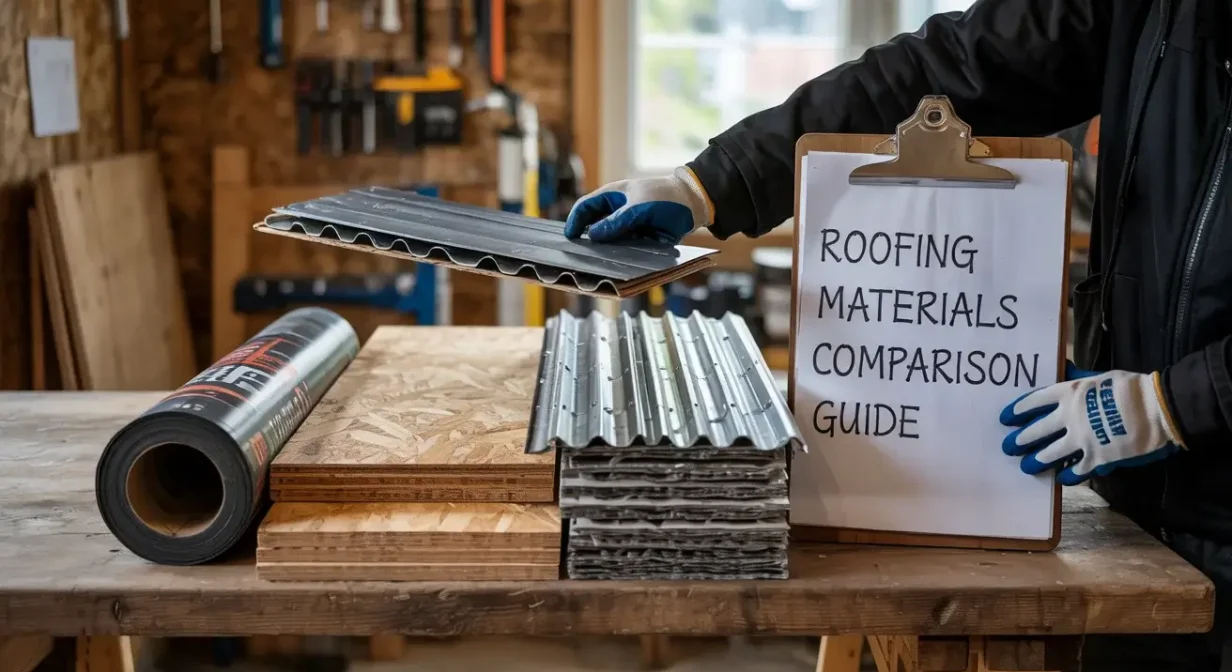
After more than eight years working on residential and commercial roofing projects throughout Dallas and North Texas, we at DeckingHub have learned that choosing the right roof decking material can make or break a roofing system’s performance. We’ve seen firsthand how poor decking choices lead to premature failure, especially in our challenging Texas climate where summer temperatures regularly exceed 100°F and severe storms can strike with little warning.
The roof decking serves as the foundation for your entire roofing system.
It’s the structural surface that supports your shingles, underlayment, and everything else that keeps water out of your building. Despite its critical importance, many property owners overlook this component until problems emerge. This comprehensive roof decking buying guide draws from hundreds of projects we’ve completed, combining our field experience with industry best practices to help you make an informed decision that protects your investment for decades to come.
What Exactly Is Roof Decking?
Roof decking is the structural layer installed over your roof’s framing members (rafters or trusses). Think of it as the “skin” that covers the skeleton of your roof structure. This component must support the weight of roofing materials, resist wind uplift forces, provide a nailing surface for shingles, and act as a barrier against the elements.
The distinction between roof decking and sheathing often confuses homeowners, though in residential applications these terms are typically used interchangeably. Both refer to the structural panels or boards that span between framing members. We always clarify these terms during our initial consultations to ensure everyone speaks the same language throughout the project.
It’s also worth noting the difference between a roof deck versus rooftop deck. The former refers to structural sheathing, while the latter describes an outdoor living space built on top of a flat or low-slope roof.
[IMAGE_PLACEHOLDER]
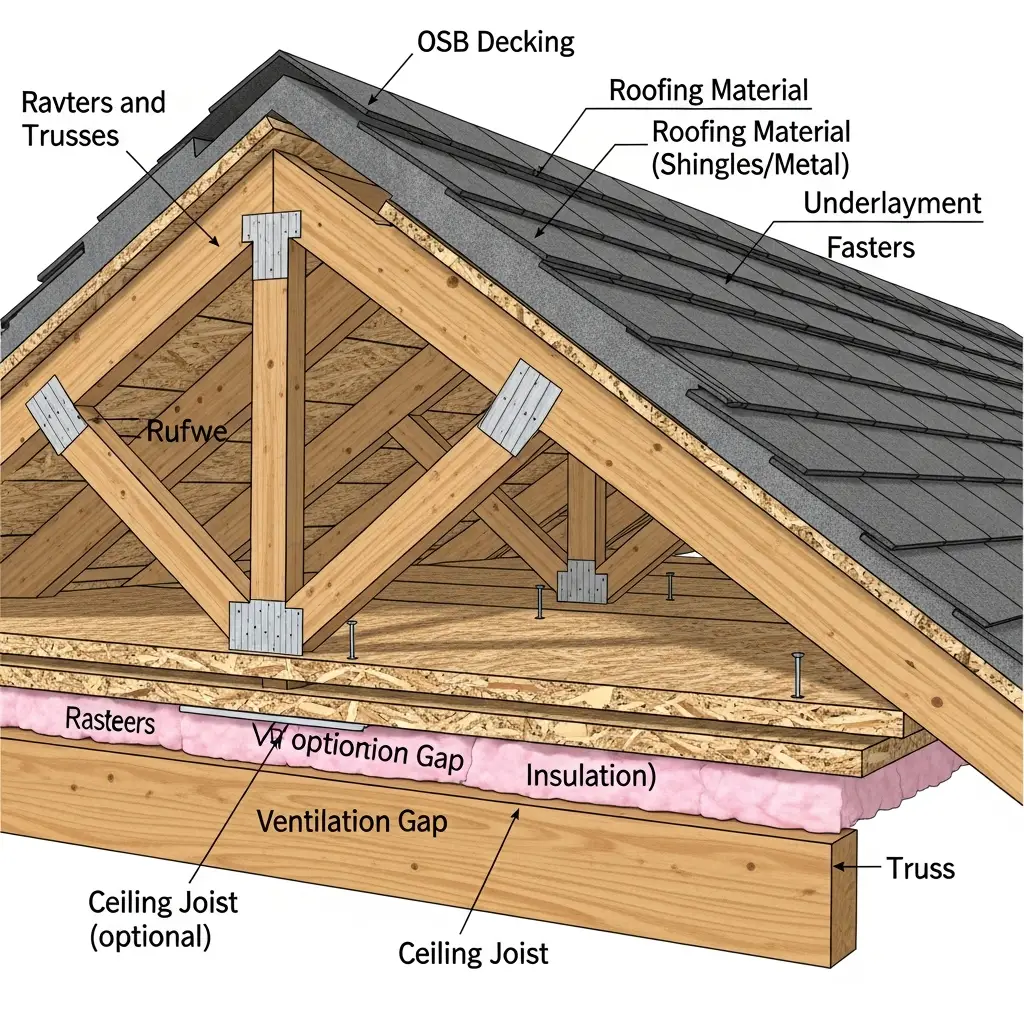
Proper roof decking ensures a strong and stable base for your roofing system. Contact us for expert decking installation and repair services!
Roof Decking Thickness: Getting It Right the First Time
[IMAGE_PLACEHOLDER]
One question we answer repeatedly is how thick should roof decking be for different applications. Thickness directly impacts structural capacity, spanning ability, and overall roof system performance.
IRC Minimum Requirements vs. Our Recommendations:
| Rafter Spacing | IRC Minimum OSB | IRC Minimum Plywood | Our Recommendation |
|---|---|---|---|
| 16″ on center | 5/16″ | 3/8″ | 7/16″ OSB or 15/32″ plywood |
| 24″ on center | 7/16″ | 15/32″ | 1/2″ OSB or 15/32″ plywood |
| 32″ on center | 1/2″ | 19/32″ | 5/8″ OSB or 19/32″ plywood |
| 48″ on center | 5/8″ | 23/32″ | 3/4″ OSB or 3/4″ plywood |
Why do we recommend thicker panels than code minimums? We’ve handled projects where inadequate thickness led to sagging between rafters, creating an uneven surface that telegraphed through shingles and contributed to premature failure.
Thickness also affects the decking’s ability to hold fasteners during high wind events. We’ve inspected roofs after severe storms where thin decking contributed to shingle blow-off because nails pulled through the material. In Dallas, where wind damage to roofs occurs regularly during severe storms, this isn’t theoretical—it’s a practical consideration we address on every project.
When we’re raising the roof on a house or modifying roof structure, we calculate deflection limits to ensure the decking won’t bounce or feel spongy. Excessive deflection can crack brittle roofing materials and compromise waterproofing.
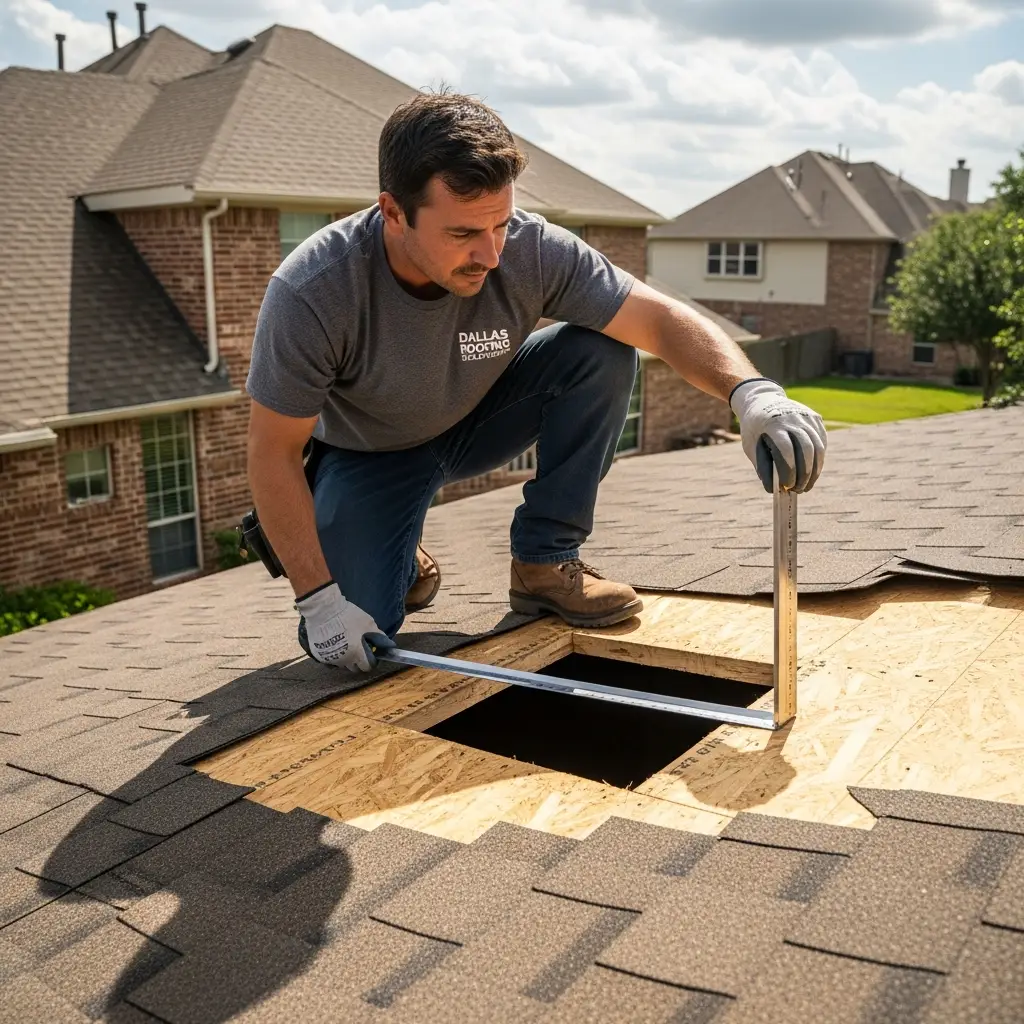
Choosing the right roof decking thickness is crucial for performance. Don’t settle for minimum code! Upgrade for durability and weather resistance.
OSB vs Plywood: The Material Showdown
[IMAGE_PLACEHOLDER]
The debate between OSB and plywood has persisted throughout our years in the industry. We’ve installed thousands of squares of both materials, and each has legitimate advantages and drawbacks.
Quick Comparison:
OSB (Oriented Strand Board):
- Costs 15-30% less than comparable plywood
- Uniform composition eliminates voids and weak spots
- Swells more when exposed to moisture
- Edge swelling can telegraph through shingles if wet during construction
- Modern formulations have improved water resistance significantly
Plywood:
- Superior moisture resistance compared to standard OSB
- More dimensionally stable during wetting and drying cycles
- Better aging characteristics based on our inspections of older roofs
- Higher initial cost
- Can have voids or weak spots in lower grades
We’ve used OSB successfully on the majority of our Dallas residential projects. When properly installed and protected, it performs admirably. However, we typically recommend plywood for projects in exposed areas, buildings with complex roof geometries where water might pond, or when homeowners prioritize maximum moisture resistance regardless of cost.
The Moisture Question
Standard OSB swells more than plywood when exposed to water, and edge swelling can create ridges visible through shingles. We’ve learned to protect OSB installations meticulously during construction—covering the roof at the end of each workday and immediately after panel installation when possible.
Some manufacturers now produce enhanced OSB products with improved moisture resistance and edge sealing. These premium OSB products perform nearly as well as plywood in wet conditions while still costing less.
Energy Efficiency Considerations
For homeowners considering OSB versus radiant barrier products, radiant barrier sheathing typically uses OSB as the base material with a reflective foil facing applied to the underside. These products can reduce attic temperatures by 30°F or more during Dallas summers.
We’ve installed radiant barrier decking on numerous projects where clients prioritized energy efficiency, and the performance gains are measurable. In our hot climate, the energy savings can justify the higher upfront cost within 5-7 years.
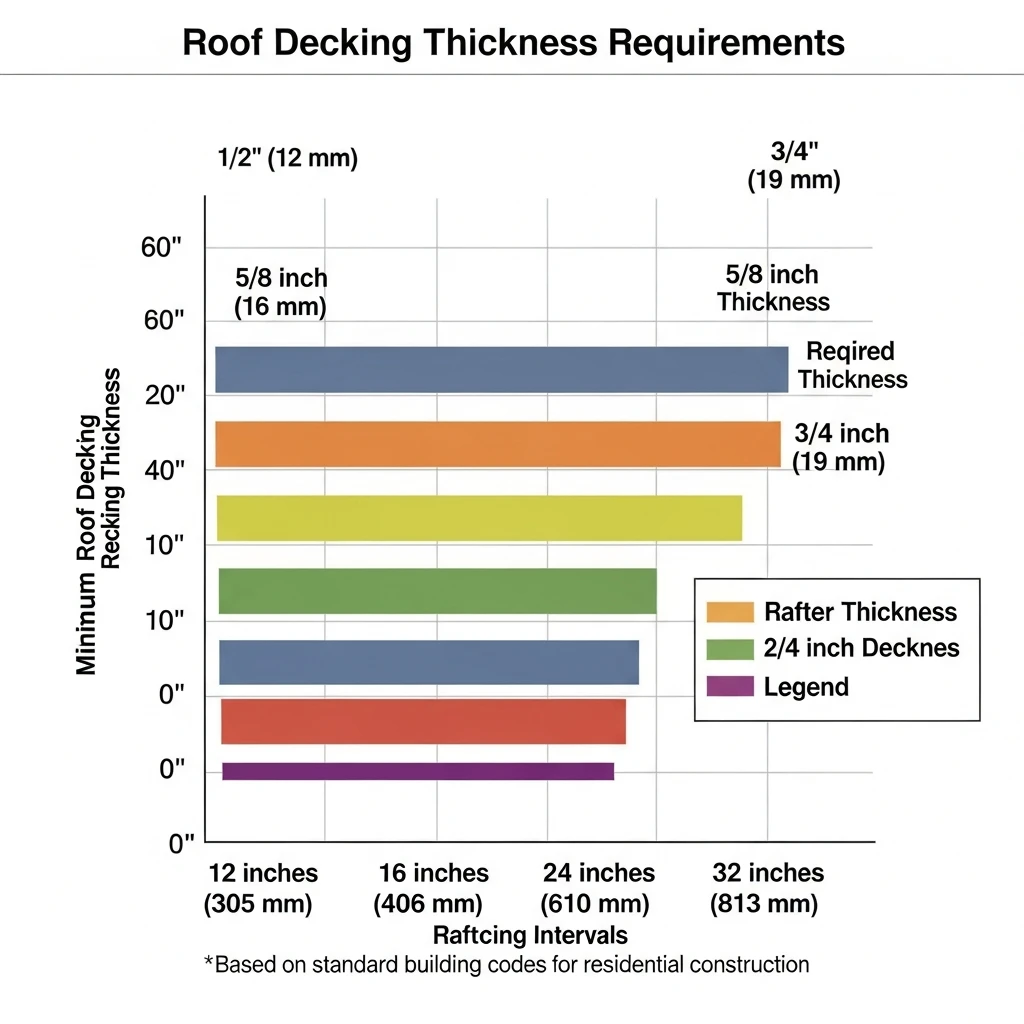
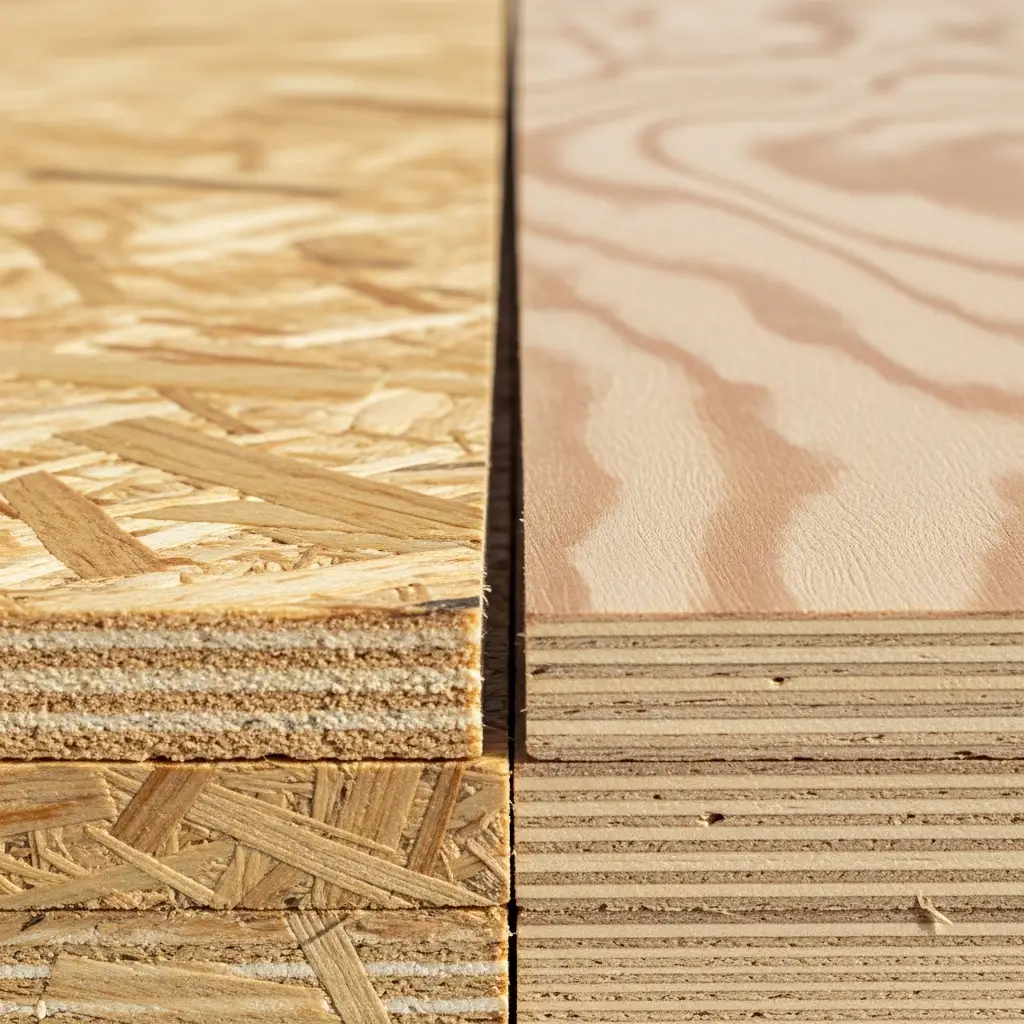
Choosing between OSB and plywood? This visual comparison highlights the distinct textures. Understanding these differences can impact your project’s performance and longevity.
Commercial and Specialty Decking Options
Beyond standard residential panel products, some applications require different solutions. Understanding these options helps even if you’re planning a residential project, because upscale homes sometimes incorporate commercial-grade materials.
Metal Decking for Commercial Applications
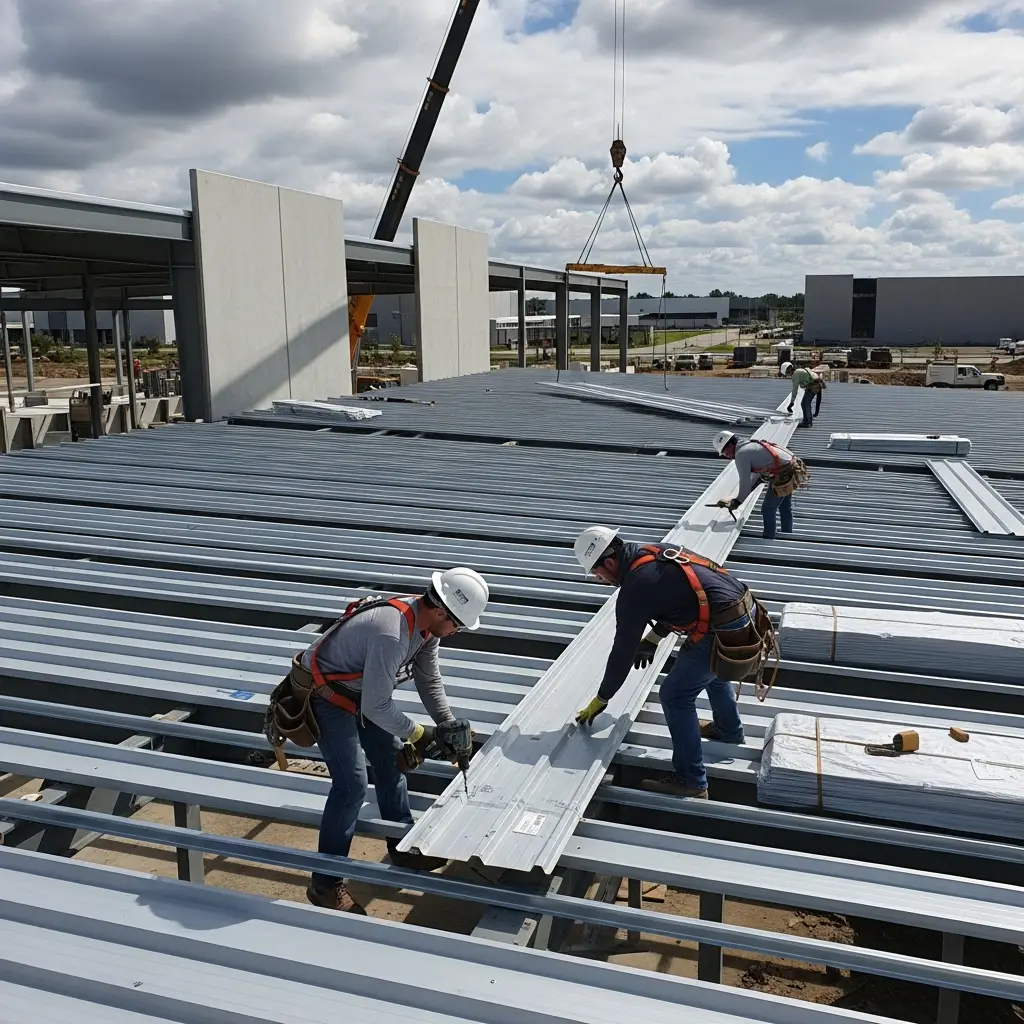
B-deck metal panels dominate commercial construction for good reason. These corrugated steel panels span longer distances than wood products, creating opportunities for wider bay spacing and more economical structural systems.
B-deck offers several advantages:
- Excellent strength-to-weight ratio
- Doesn’t rot or deteriorate from moisture
- Non-combustible roof assembly
- Longer spanning capabilities reduce framing costs
We’ve installed B-deck on warehouses, retail centers, and office buildings throughout Dallas. The material requires different skills than wood decking, including proper welding or fastening to structural steel and coordination with insulation and membrane installations.
Concrete Roof Decking
For specialized applications, reinforced concrete roof deck provides unmatched fire resistance, sound isolation, and structural capacity. We don’t install concrete decking frequently in residential work, but we’ve been involved in commercial projects where building codes, insurance requirements, or specific performance needs mandated concrete construction.
The material excels in parking structures, high-rise buildings, and facilities requiring maximum fire ratings. Installation costs significantly exceed wood or metal alternatives, but lifecycle costs may be competitive when you factor in durability and minimal maintenance.
When clients ask about building a garage with rooftop deck, we sometimes recommend metal decking for the structural roof layer, then build the walking deck as a separate assembly above.
B-deck metal decking offers superior strength and fire resistance for commercial buildings. Consider its long-spanning capabilities for cost-effective roof solutions.
The Real Cost of Roof Decking in Dallas
Pricing roof decking projects accurately requires understanding both material and labor costs, which vary based on numerous factors.
Current Dallas Market Material Costs (per sheet):
| Material | Standard Grade | Premium/Enhanced |
|---|---|---|
| 7/16″ OSB | $12-18 | $18-25 |
| 1/2″ OSB | $15-20 | $22-28 |
| 15/32″ Plywood | $18-28 | $28-38 |
| 5/8″ Plywood | $25-35 | $35-48 |
| Radiant Barrier OSB | N/A | $25-35 |
These prices fluctuate with lumber markets, so current quotes are essential for budgeting purposes.
Labor Cost Factors
Roof sheathing labor cost typically equals or exceeds material expense, particularly on complex roof geometries. A straightforward gable roof with minimal cuts and easy access might cost $2-3 per square foot for labor, while a complicated multi-level roof with numerous penetrations could reach $4-6 per square foot or higher.
What Influences Labor Costs:
- Roof pitch (steeper slopes cost more)
- Complexity and number of valleys, dormers, or hips
- Accessibility and ease of material delivery
- Height of the building
- Removal and disposal of old decking
- Weather protection requirements
When we’re called to replace roof decking, the project becomes more expensive because it involves removing existing roofing materials, disposing of old decking, installing new panels, and then re-roofing. Complete decking replacement on a typical Dallas home might run $8,000-15,000 depending on size and complexity, not including the cost of new roofing materials.
For specific applications like building a porch roof or adding a gable roof over a patio, decking costs scale with project size but often show higher per-square-foot pricing because of mobilization costs and minimum charges.
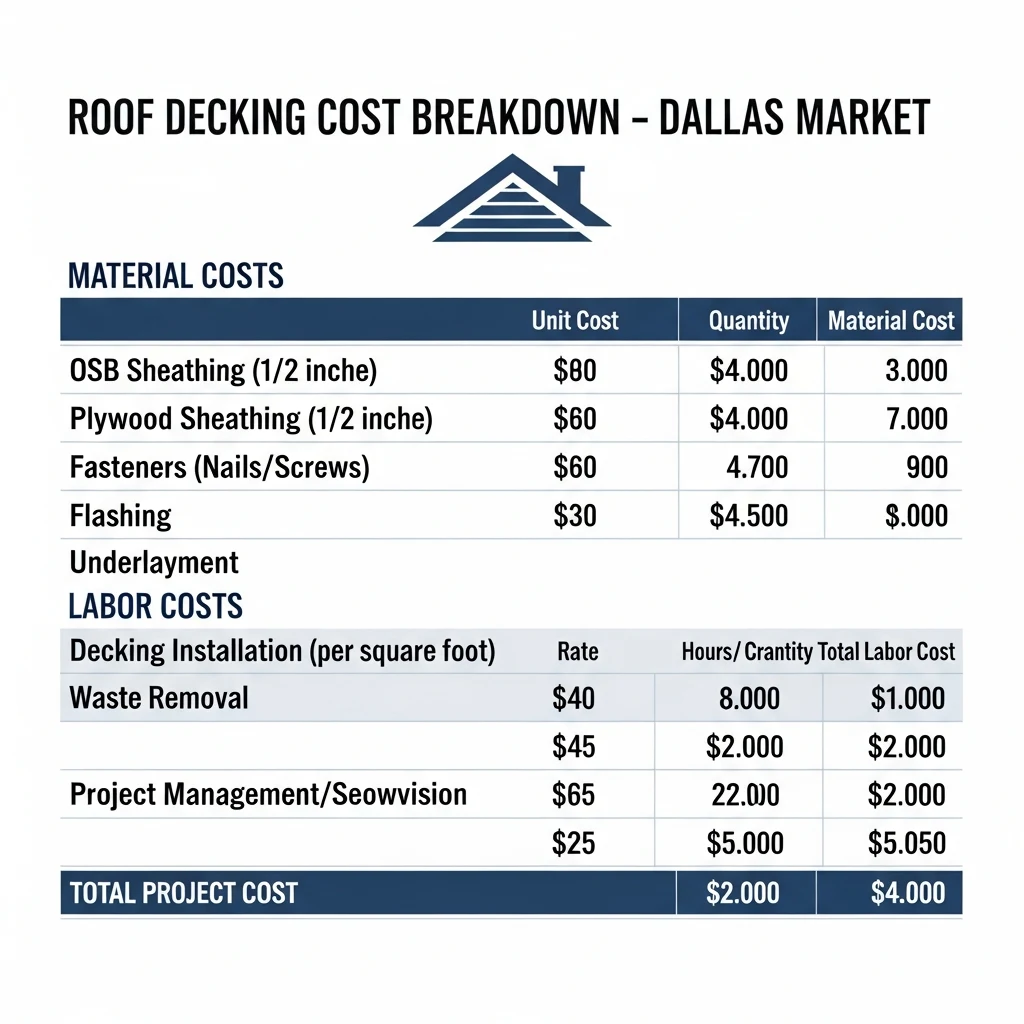
Understanding roof decking costs is crucial for budgeting your Dallas home renovation. Accurate installation ensures long-lasting protection from the Texas weather!
Installation Best Practices from the Field
After thousands of installations, we’ve developed specific protocols that ensure optimal performance. Proper installation technique matters as much as material selection.
Critical Installation Details
Panel Orientation and Layout:
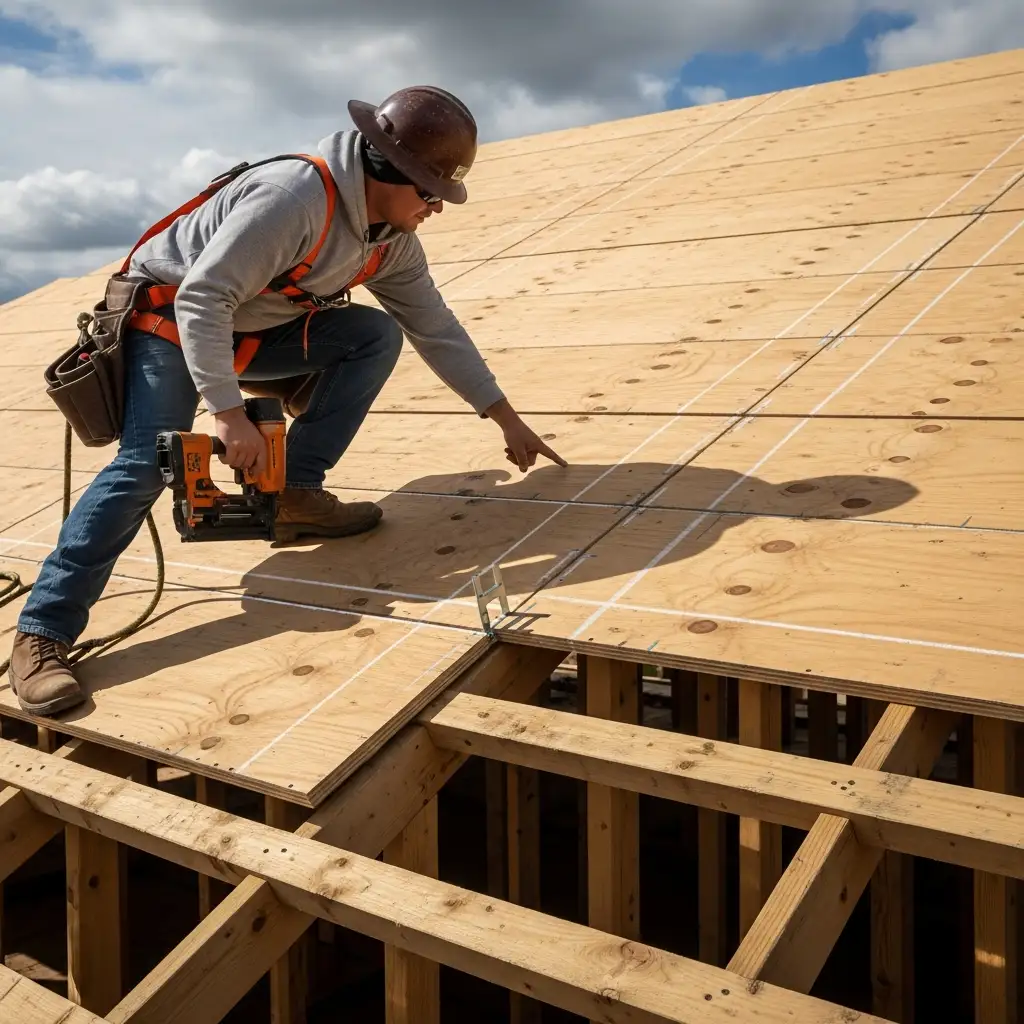
Install panels with the long dimension perpendicular to framing members to maximize strength. Stagger panel joints between rows—never align panel ends on the same rafter. We offset joints by at least one framing bay to prevent continuous seams that could become weak points.
Fastening Schedules:
The IRC specifies minimum fastening, but in Dallas where wind events regularly occur, we typically exceed minimums. For typical residential installations, we use 8d ring-shank nails spaced 6 inches on center along panel edges and 12 inches on center in the field.
Each fastener must be driven flush without overdriving, which crushes wood fibers and reduces holding capacity.
Panel Spacing Requirements:
Wood products expand and contract with moisture and temperature changes. We leave 1/8-inch gaps between panel ends and 1/16-inch gaps along edges. These gaps seem minor, but we’ve seen buckling problems on roofs where panels were installed tight.
Edge Support:
The IRC requires edges to be blocked, tongue-and-groove, or supported by specially designed clips. On most of our projects, we use H-clips between framing members to support panel edges. This detail matters because unsupported edges can deflect when walked on, potentially cracking brittle roofing materials.
Weather Protection During Construction
Protecting installed decking from weather during construction ranks among our highest priorities. We’ve seen OSB installations compromised by rain exposure during construction, resulting in swelling, delamination, and reduced service life.
Our crews cover completed sections with roofing felt or synthetic underlayment as quickly as possible—ideally the same day panels are installed. If weather threatens, we stop decking installation and focus on protecting completed work rather than rushing to finish panels that will get soaked.
Proper roof decking installation prevents future problems. Note the staggered joints, H-clips, and panel spacing – crucial details for long-lasting performance and preventing buckling.
Climate-Specific Considerations for Dallas
Our Dallas climate presents unique challenges that influence decking material selection and installation practices.
North Texas Climate Factors:
- Summer temperatures regularly exceed 100°F
- Attic temperatures can reach 150°F or higher
- Winter temperatures occasionally drop below freezing
- Spring and fall bring high humidity periods
- Severe thunderstorms with high winds are common
- Occasional hail events can damage roofing systems
These conditions create thermal cycling that stresses materials through expansion and contraction. Humidity fluctuations cause dimensional changes in wood products, making proper panel spacing and fastening critical.
Wind events create significant uplift forces on roofing systems. Proper fastening becomes critical in our market, and we sometimes specify additional fasteners or stronger fastening systems for added security.
Hail represents another North Texas concern. While hail primarily damages shingles, severe impacts can sometimes crack or puncture decking, particularly thinner panels. Thicker decking provides somewhat better impact resistance.
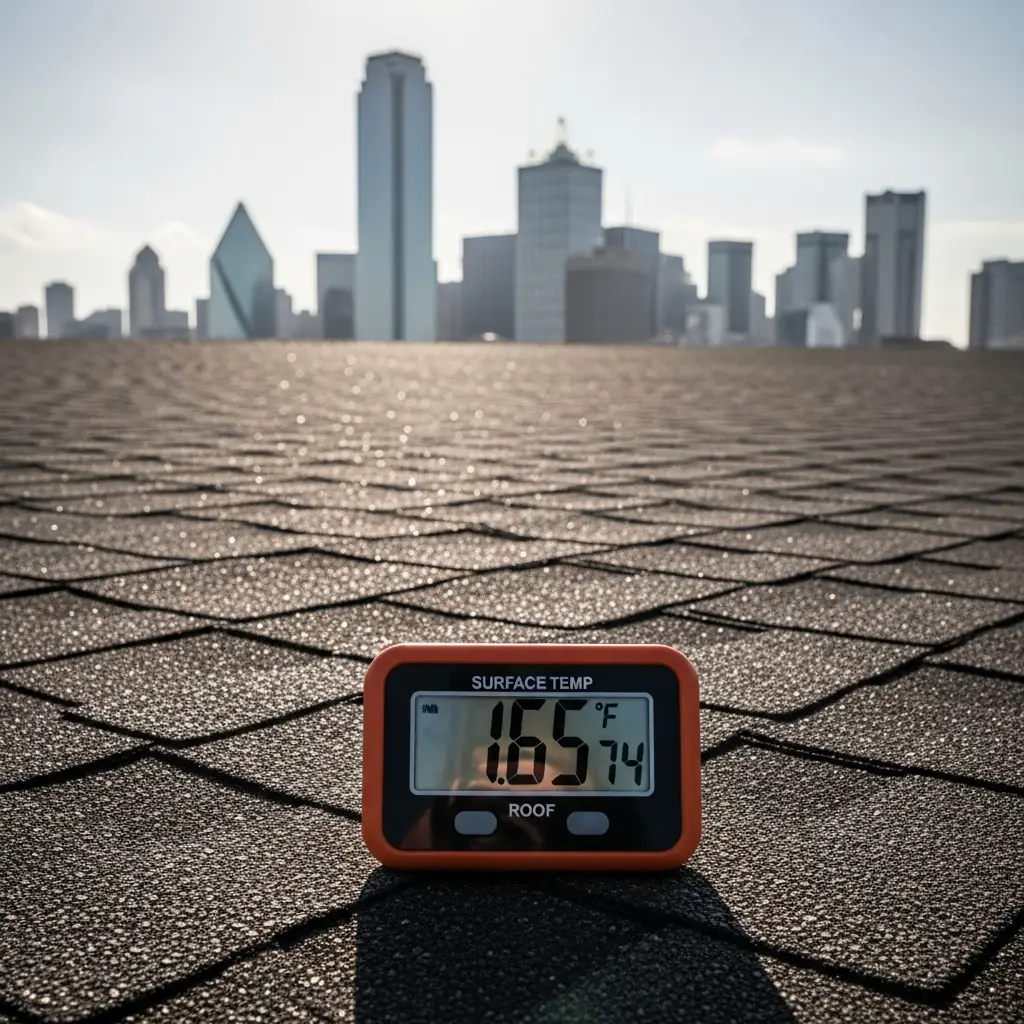
Dallas decks endure extreme heat, humidity, and occasional hail. Proper material selection and installation are vital for longevity. Learn how we protect your investment.
Understanding Building Code Requirements
Building code compliance isn’t optional. The International Residential Code (IRC) governs most residential construction in Dallas, while the International Building Code (IBC) applies to commercial projects.
Key IRC Requirements for Roof Sheathing:
Section R803.2 establishes minimum thickness based on rafter spacing and material type. We reference these requirements on every project but frequently exceed minimums based on our experience with long-term performance.
Allowable Span Ratings: Each panel is printed with a span rating. A panel rated 32/16 can span 32 inches between supports when used for roofing and 16 inches for subflooring. We verify that selected panels meet or exceed span ratings for the actual framing spacing.
Fastening Requirements: IRC Table R602.3(1) specifies nail sizes, types, and spacing. The code distinguishes between panel edges (requiring closer fastener spacing) and panel field areas.
Wind Resistance: Dallas falls within wind speed zones requiring specific design pressures. While standard fastening schedules typically suffice, we increase fastening density in areas known for high wind exposure or when homeowners request enhanced wind resistance.
When to Consider Professional Engineering
Some projects require stamped engineering calculations:
- Changes to roof structure or framing spacing
- Unusually heavy roofing materials (slate, concrete tile)
- Buildings over certain heights or areas
- Commercial applications
- Structures in high-wind or high-snow-load areas
We work with structural engineers on these projects to ensure compliance and optimal performance. If you’re considering changing roof pitch, engineering analysis typically becomes necessary.
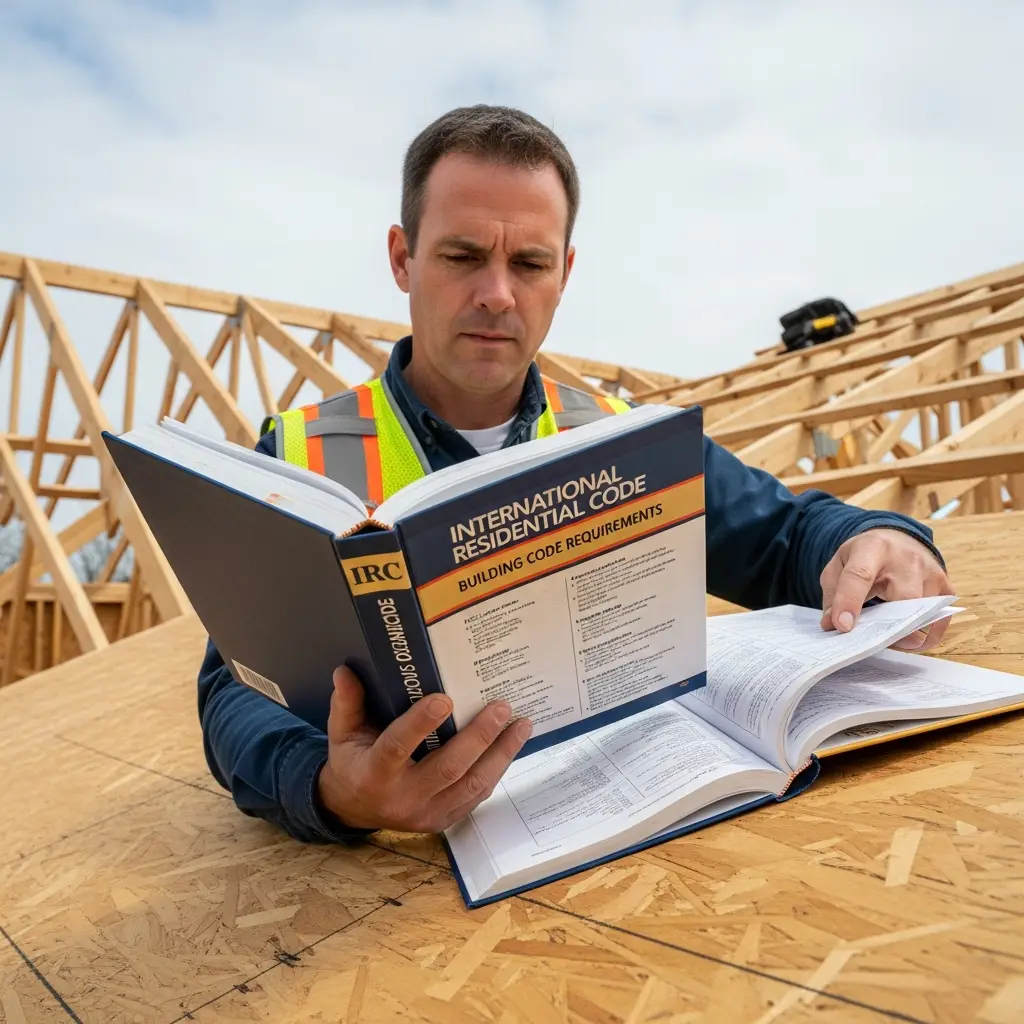
Proper roof sheathing installation is crucial for building code compliance and long-term structural integrity. Ensure correct nail patterns and panel ratings for your project!
Common Mistakes to Avoid
We’ve been called to assess or correct numerous problematic installations over the years. Here are the most common mistakes we encounter:
Using Inadequate Thickness: Homeowners or contractors trying to save money by using minimum code thickness often regret it later. The small material savings don’t justify the performance compromise.
Poor Weather Protection: Allowing panels to get soaked during construction leads to swelling, delamination, and reduced service life. This is especially problematic with OSB.
Incorrect Fastening: Missing fasteners, overdriven nails, or incorrect spacing compromises the entire system. We’ve seen shingle blow-off traced directly to inadequate decking fastening.
Ignoring Panel Gaps: Installing panels tight against each other causes buckling when they expand. The resulting ridges telegraph through shingles and look terrible.
Mixing Panel Types: Using different thicknesses or materials on the same roof plane creates an uneven surface and potential problems. Stick with one product across each continuous roof section.
Skipping Edge Support: Unsupported panel edges deflect excessively and can crack roofing materials above. H-clips or blocking are essential, not optional.
Ignoring Manufacturer Instructions: Each product has specific installation requirements. Reading and following these instructions prevents many problems.
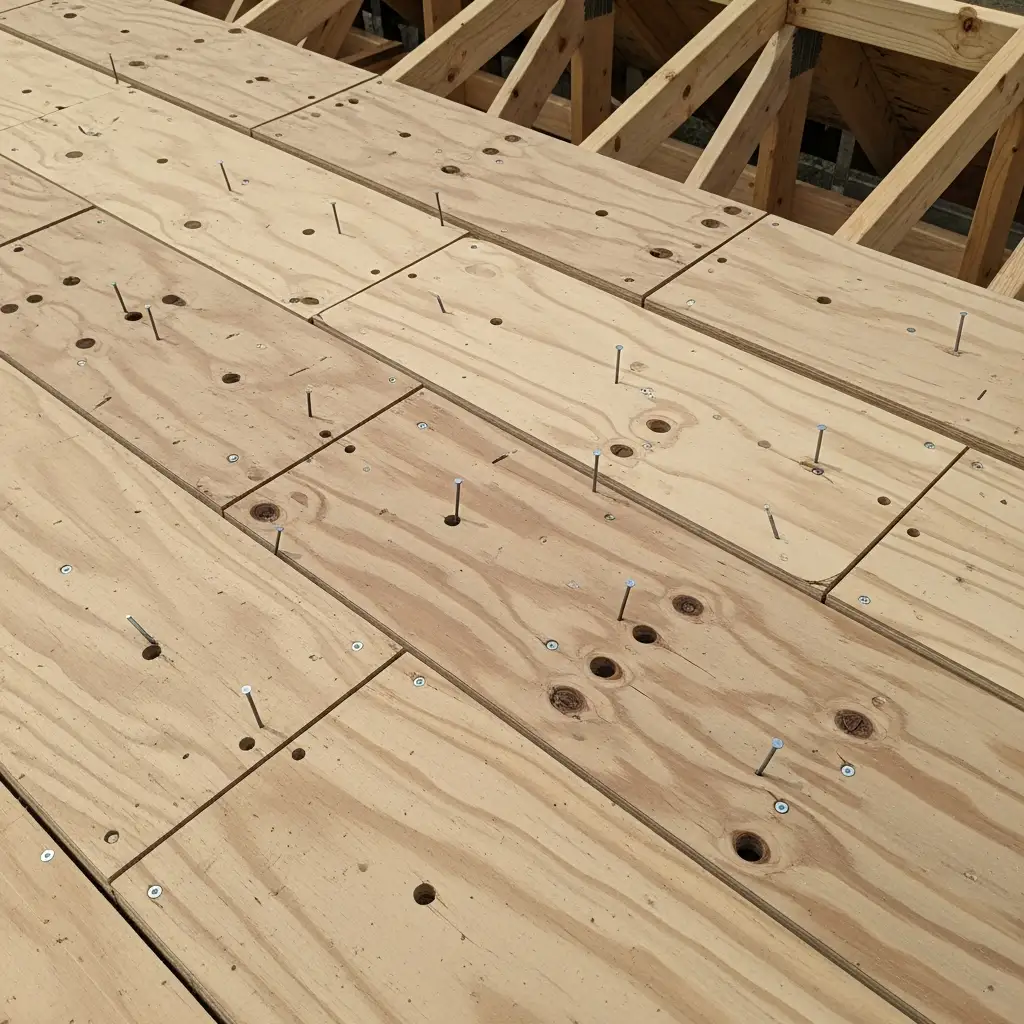
Don’t let water ruin your roof! Proper weather protection during installation prevents costly decking damage and extends your roof’s lifespan. Learn more in our guide.
DIY vs. Professional Installation
This is one area where we strongly recommend professional installation for most homeowners. Here’s why:
Challenges of DIY Decking:
- Working at heights requires proper safety equipment and training
- Cutting panels accurately for complex roof shapes demands experience
- Proper fastening schedules and techniques aren’t intuitive
- Weather protection timing is critical
- Building permits and inspections are required in most areas
- Mistakes can compromise your entire roofing system
When DIY Might Be Feasible:
- Small, simple structures like sheds or small porches
- Low-slope roofs with easy access
- You have construction experience and proper safety equipment
- You’re comfortable working at heights
- The project allows time for careful work without weather pressure
When to Hire Professionals:
- Your primary residence or valuable property
- Complex roof shapes with multiple valleys or dormers
- Steep roof pitches
- Two-story or higher buildings
- You lack experience with construction or heights
- Time constraints don’t allow for learning curve
We’ve repaired too many DIY installations where well-intentioned homeowners created problems requiring expensive fixes. Professional installation typically costs less than fixing botched DIY work.
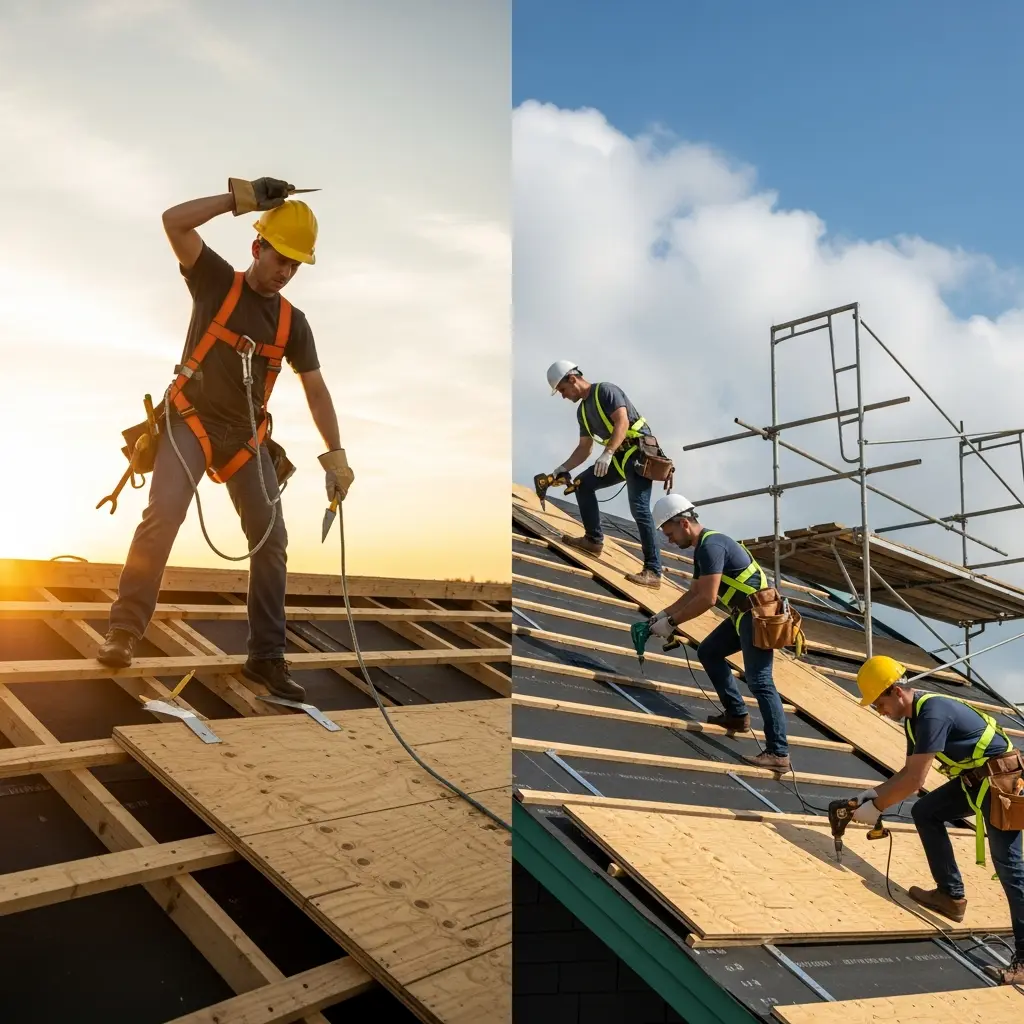
Is DIY roofing worth the risk? Protect your investment and ensure proper installation by hiring qualified roofing professionals for complex projects.
Maintenance and Inspection Tips
Once your roof decking is properly installed, occasional inspection helps catch problems early.
Annual Inspection Checklist:
- Check attic for water stains on decking underside
- Look for sagging between rafters indicating inadequate support
- Inspect for daylight visible through gaps or holes
- Verify adequate attic ventilation to prevent moisture buildup
- Check for signs of rot, mold, or deterioration
- Examine fasteners for rust or loosening
After Severe Weather:
Following major storms or hail events, inspect your attic for new water stains or damage. Sometimes roof covering damage allows water penetration that affects decking before you notice exterior signs.
Ventilation Matters:
Proper attic ventilation prevents moisture accumulation that can damage decking from below. Ensure soffit vents and ridge vents remain clear and functional.
When to Call Professionals:
If you notice sagging, water stains, visible daylight through the roof, or any signs of deterioration, contact a roofing professional immediately. Small problems become major expenses if ignored.
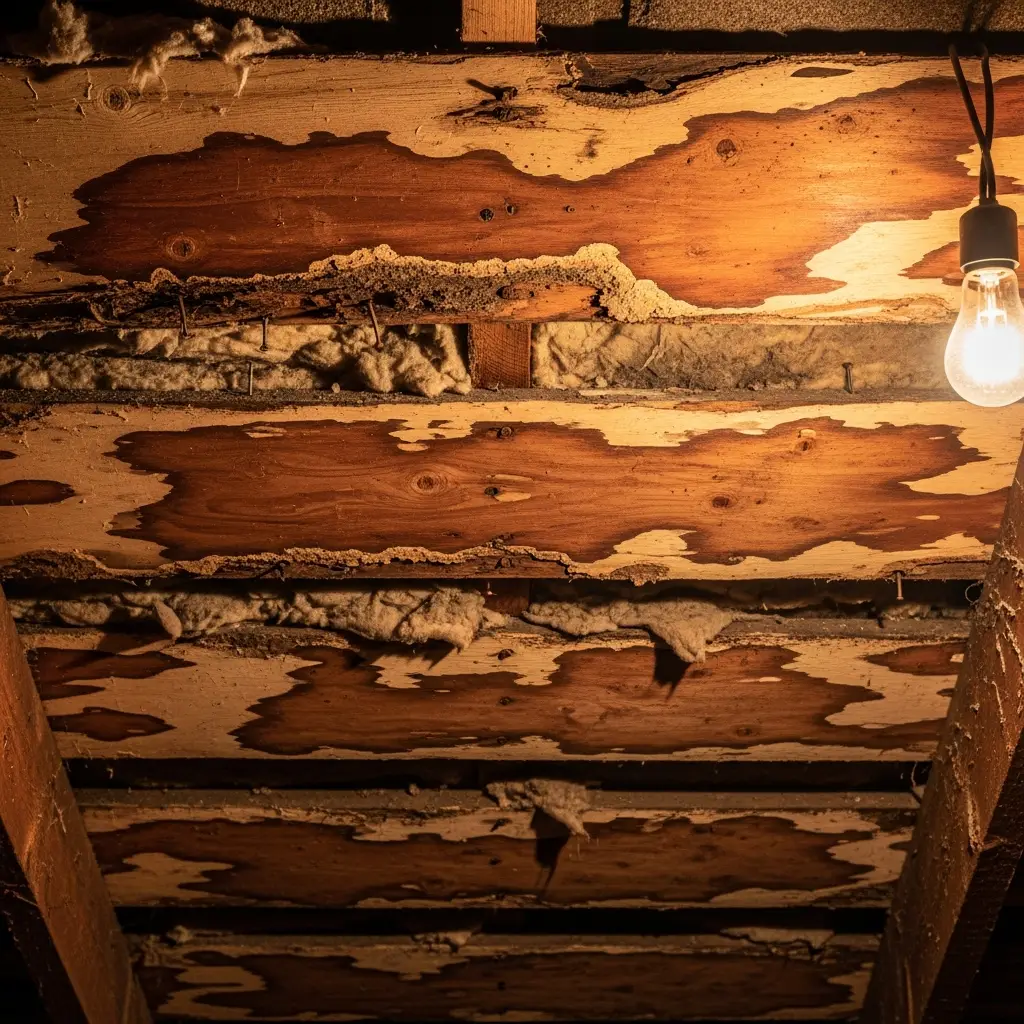
Regular attic inspections help catch roof decking issues like water damage early, preventing costly repairs down the line. Check for stains after storms!
Selecting the Best Option for Roof Decking
If you’re evaluating the best option for roof decking in 2024, consider your specific circumstances:
Budget-Conscious Choice: Standard 1/2″ OSB provides good performance at the lowest cost for straightforward residential applications in Dallas. Protect it carefully during installation.
Best Overall Value: 15/32″ plywood or premium enhanced OSB offers excellent performance with good moisture resistance. This is our most common recommendation for residential projects.
Maximum Performance: CDX plywood in 5/8″ or 3/4″ thickness provides superior moisture resistance, spanning capability, and longevity. Worth the investment for premium homes or challenging applications.
Energy Efficiency Priority: Radiant barrier OSB reduces cooling costs significantly in Texas. The energy savings justify higher upfront costs for most homeowners.
Commercial Applications: B-deck metal panels or engineered wood products designed for commercial use provide the strength and spanning capabilities needed for larger bay spacing.
For more detailed guidance on roof sheathing options specific to your project, consider consulting with experienced professionals who understand local climate challenges and building codes.
Choosing the right roof decking impacts cost and performance. Match your sheathing material to your budget and building needs for optimal results. Learn more!
Making Your Roof Decking Decision
Choosing the right roof decking involves balancing performance requirements, budget constraints, and long-term value. This roof decking buying guide has covered the essential factors, but your specific situation may present unique considerations.
The roof decking forms the foundation of your roofing system. Investing appropriately in quality materials and professional installation pays dividends through decades of reliable performance. We’ve seen too many projects compromised by false economy on this critical component.
When evaluating your options, consider the total lifecycle cost rather than just initial expense. Premium materials that cost 20-30% more upfront often last significantly longer and perform better throughout their service life. In Dallas’s demanding climate, this performance difference becomes especially important.
Work with experienced professionals who understand local conditions, building codes, and proper installation techniques. The complexity of modern roofing systems demands expertise that goes beyond simple carpentry skills. Whether you’re building new construction, replacing deteriorated decking, or planning a roof modification, starting with a solid foundation ensures long-term success.
Frequently Asked Questions
What’s the difference between roof decking and roof sheathing?
In practical terms, these terms are interchangeable in residential construction. Both refer to the structural panels or boards installed over rafters to provide a surface for roofing materials. Some regions or contractors prefer one term over the other, but they describe the same component.
How long does roof decking typically last?
Properly installed plywood or OSB decking in a well-ventilated attic should last 40-50 years or longer in Dallas. We’ve inspected plywood installations from the 1970s that remain serviceable. However, decking exposed to persistent moisture, inadequate ventilation, or roof leaks may deteriorate much faster.
Can I install new roofing over damaged decking?
Never install new roofing materials over damaged, deteriorated, or inadequate decking. The new roof will only be as good as its foundation. We always inspect existing decking before re-roofing projects and replace any sections showing water damage, rot, sagging, or inadequate thickness.
Is thicker roof decking always better?
Within reason, yes. Thicker decking provides better structural performance, improved fastener holding, and often better durability. However, there’s a point of diminishing returns where additional thickness doesn’t provide meaningful benefits for the application. For typical residential construction with 24-inch rafter spacing, 1/2-inch OSB or 15/32-inch plywood represents the practical sweet spot.
Should I use radiant barrier decking in Dallas?
For most Dallas homes, radiant barrier decking provides measurable benefits that justify the higher cost. Reducing attic temperatures by 20-30°F lowers cooling costs and extends the life of roofing materials. The energy savings typically pay back the additional investment within 5-8 years, then continue providing savings for the life of the roof.
What happens if roof decking gets wet during installation?
OSB exposed to rain can swell, particularly along edges, creating ridges that telegraph through shingles. Minor exposure usually isn’t catastrophic if panels dry quickly, but extended soaking can cause delamination and permanent damage. Plywood handles moisture exposure better than standard OSB.
Do I need to replace all roof decking when re-roofing?
Not necessarily. During re-roofing projects, we inspect existing decking carefully and replace only damaged, deteriorated, or inadequate sections. Many homes have perfectly serviceable decking that only needs spot repairs.
Can I mix OSB and plywood on the same roof?
While technically possible, we don’t recommend mixing materials on the same roof plane. Different materials have different expansion rates, moisture responses, and thicknesses that can create an uneven surface. If you’re replacing sections of damaged decking, try to match the existing material type and thickness.
