
Contractor’s Bottom Line
Identifying potential problems early with your copper roof can save significant expense. Look for discoloration, staining, or leaks inside your home. A professional inspection is essential to determine the root cause of issues. In Dallas, expect to pay $300-$800 for a roof inspection. The NRCA (National Roofing Contractors Association) recommends regular inspections to maintain the integrity of your roof. Ignoring warning signs can lead to costly repairs or premature roof failure. Addressing issues promptly can prevent further damage and maintain your roof’s lifespan. Remember that improper installation or material defects may void any existing warranty.
Key Takeaways
- Discoloration and staining are common warning signs of potential copper roof problems.
- Regular inspections, as recommended by the NRCA, can help identify and address issues before they escalate.
- Ignoring roof leaks can lead to significant structural damage and costly repairs, potentially exceeding $10,000 in the Dallas area.
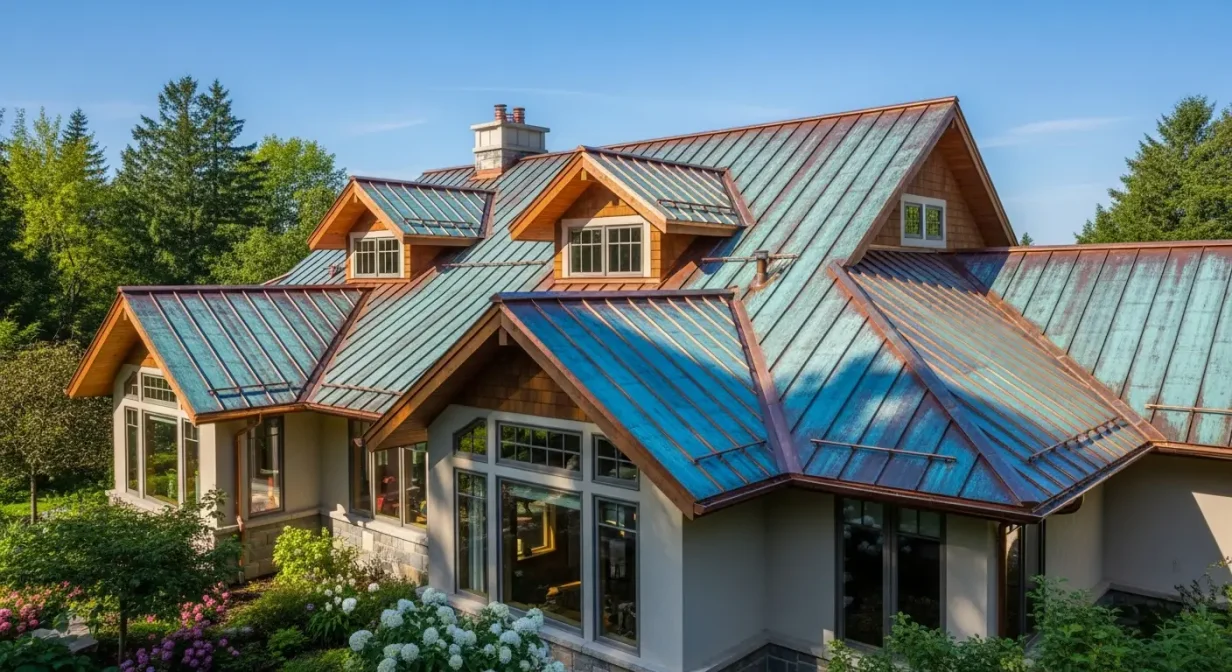
Copper roofs offer a unique aesthetic and long-lasting durability. However, like any roofing system, they are susceptible to problems. Recognizing the early warning signs of damage is crucial to maintaining its integrity. Proper maintenance and timely repairs can prevent minor issues from escalating into major and expensive problems.
In my 8+ years as a construction consultant in Dallas, I have seen many homeowners ignore subtle warning signs, leading to significant water damage. I once inspected a home in Highland Park where minor discoloration was overlooked for years, resulting in extensive damage to the underlying sheathing. The cost to repair was over $20,000. The NRCA provides guidelines for proper copper roof installation and maintenance, which can help prevent such issues.
Understanding these guidelines is essential for homeowners. A copper roof, properly installed according to the International Residential Code (IRC 2021), can last for decades. However, environmental factors and improper installation can contribute to premature failure. This article will guide you through identifying common issues, conducting thorough inspections, and assessing the extent of damage.
Addressing these problems promptly helps protect your investment and maintain the value of your home.
Recognizing the Warning Signs of Copper Roof Problems
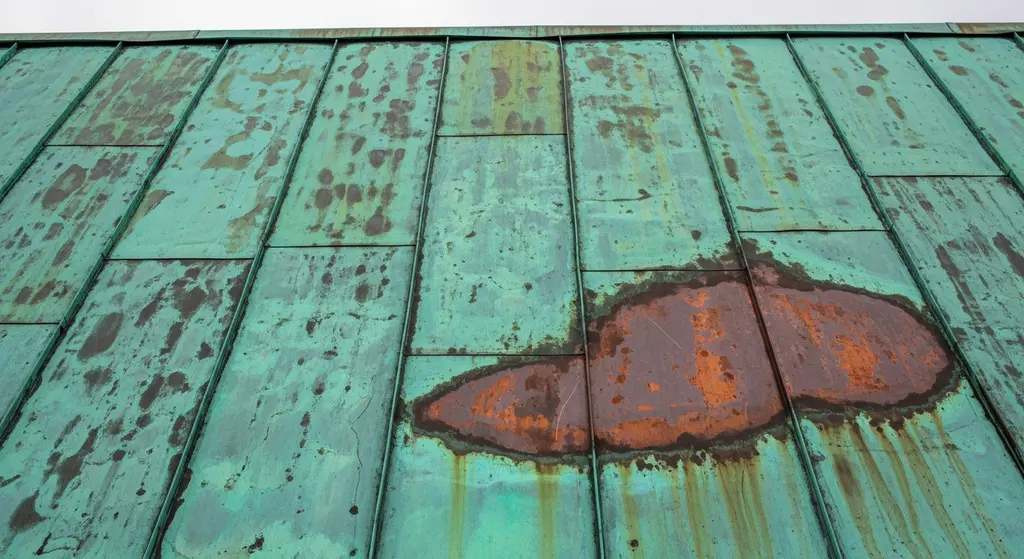
Several visible signs can indicate potential problems with your copper roof. Discoloration is a common issue, often presenting as green or brown staining. This is due to oxidation, a natural process, but excessive or uneven discoloration could indicate underlying issues. Leaks are another critical sign, often appearing as water stains on ceilings or walls inside the home.
Another warning sign is damaged or missing copper panels. Strong winds or hail can cause panels to loosen or detach, compromising the roof’s ability to protect your home. Dents and punctures can also occur due to impacts from falling debris or severe weather. The NRCA recommends regular inspections after major weather events to identify and address any damage promptly.
It is important to check around chimneys, vents, and other penetrations for signs of water intrusion.
Field Note from Experience
Working on Texas roofing projects, I have noticed that extreme temperature fluctuations can accelerate the oxidation process on copper roofs, leading to more rapid discoloration.
How to Inspect Your Copper Roof for Damage
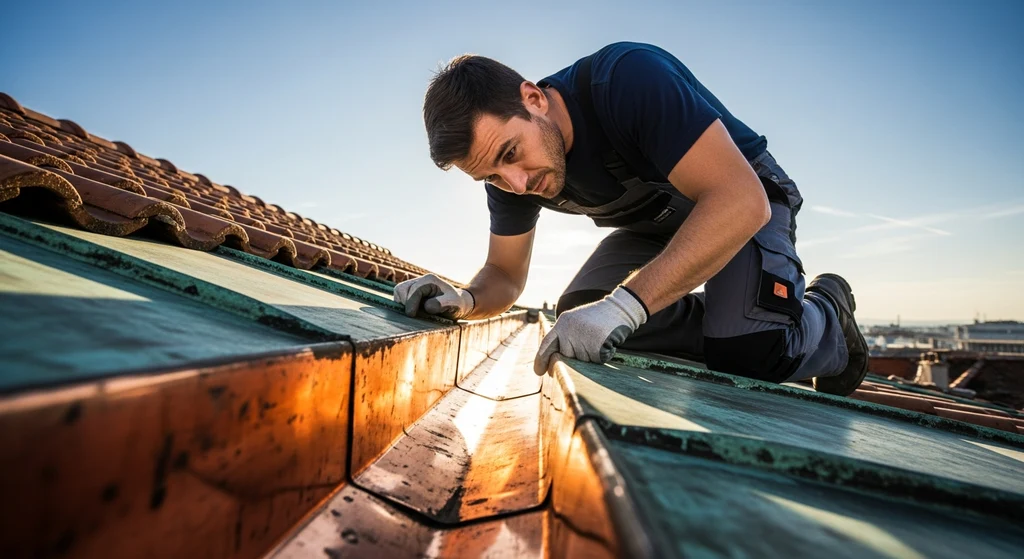
Inspecting a copper roof requires a careful and systematic approach. Start by visually assessing the roof from the ground, using binoculars if necessary. Look for any obvious signs of damage, such as missing panels, dents, or discoloration. Next, if safe and accessible, climb onto the roof to conduct a closer inspection.
Always follow OSHA safety guidelines when working at heights. Pay close attention to seams and joints, as these are common areas for leaks to develop. Check the flashing around chimneys, vents, and skylights, ensuring it is properly sealed and in good condition. Also, examine the fasteners holding the copper panels in place, looking for any signs of corrosion or loosening.
The IRC 2021 provides guidelines for proper flashing installation to prevent water intrusion. Remember to document any findings with photos or notes for future reference. If you’re uncomfortable with heights, hire a professional roofing contractor for the inspection.
Field Note from Experience
After inspecting dozens of Dallas-area roofs, I found that many homeowners neglect the importance of regular inspections, which can lead to significant problems down the road.
Assessing the Severity of Damage to Your Copper Roof
Once you’ve identified potential problems, it’s crucial to assess the severity of the damage. Minor discoloration or a few small dents may not require immediate attention, but should be monitored. Leaks, on the other hand, are a serious issue that needs to be addressed promptly. The presence of water stains inside the home is a clear indication of a leak.
Missing or severely damaged copper panels can compromise the roof’s integrity and require immediate repair or replacement. Corrosion around fasteners can weaken the roof’s structure and needs to be addressed to prevent further damage. If you’re unsure about the severity of the damage, consult with a professional roofing contractor. They can provide a thorough assessment and recommend the appropriate course of action.
Ignoring significant damage can lead to structural problems and costly repairs, as well as potential insurance claim denials.

Field Note from Experience
In my 8+ years as a construction consultant in Dallas, I have seen cases where homeowners delayed repairs on minor roof damage, only to face much larger bills later due to water damage and structural issues. A stitch in time saves nine.
External Authoritative Resources
These industry-standard references support the information in this guide:
Building Codes
Frequently Asked Questions
How often should I inspect my copper roof?
The NRCA recommends inspecting your roof at least twice a year, ideally in the spring and fall. Regular inspections can help identify potential problems early and prevent them from escalating into more serious issues. After severe weather events, such as hailstorms or high winds, it’s essential to inspect your roof for damage.
What causes discoloration on a copper roof?
Discoloration on a copper roof is typically caused by oxidation, a natural process that occurs when copper is exposed to the elements. The copper reacts with oxygen in the air, forming a layer of copper oxide, which gives the roof a green or brown patina. While some discoloration is normal, excessive or uneven discoloration may indicate underlying problems.
How long does a copper roof typically last?
A properly installed and maintained copper roof can last for 50 years or more. The lifespan of a copper roof depends on several factors, including the quality of the materials, the installation method, and the environmental conditions. Regular inspections and timely repairs can help extend the life of your copper roof.
What are the benefits of a copper roof?
Copper roofs offer several benefits, including durability, longevity, and aesthetic appeal. Copper is a naturally durable material that can withstand harsh weather conditions. It is also resistant to corrosion and fire. Additionally, copper roofs add a unique and elegant look to any home.
Are copper roofs energy efficient?
Copper roofs can be energy efficient, especially when combined with proper insulation and ventilation. Copper reflects sunlight, which can help reduce heat gain in the summer. However, the energy efficiency of a copper roof depends on several factors, including the roof’s design, the climate, and the insulation levels. Energy Star rated roofing products can help improve energy efficiency.
Can I install a copper roof myself?
Installing a copper roof is a complex and specialized task that requires expertise and experience. It is not recommended for DIYers. Improper installation can lead to leaks, damage, and premature failure. It is best to hire a qualified roofing contractor with experience installing copper roofs.
Final Thoughts
Maintaining your copper roof is essential for preserving its beauty and protecting your home. Regular inspections, prompt repairs, and proper maintenance are key to preventing minor issues from escalating into major problems. Ignoring warning signs can lead to costly repairs and potentially void any existing warranty. By following the recommendations outlined in this article, you can ensure that your copper roof provides years of reliable protection and aesthetic appeal.
Many Dallas homeowners do not realize the importance of proper ventilation in preventing moisture buildup under the copper roofing. This can lead to corrosion and damage to the underlying structure. If you suspect any problems with your copper roof, contact a qualified roofing contractor for a professional inspection and assessment. They can provide expert advice and recommend the appropriate course of action.
Remember to verify their TDLR license to ensure they are qualified to perform roofing work in Texas.
