
Contractor’s Bottom Line
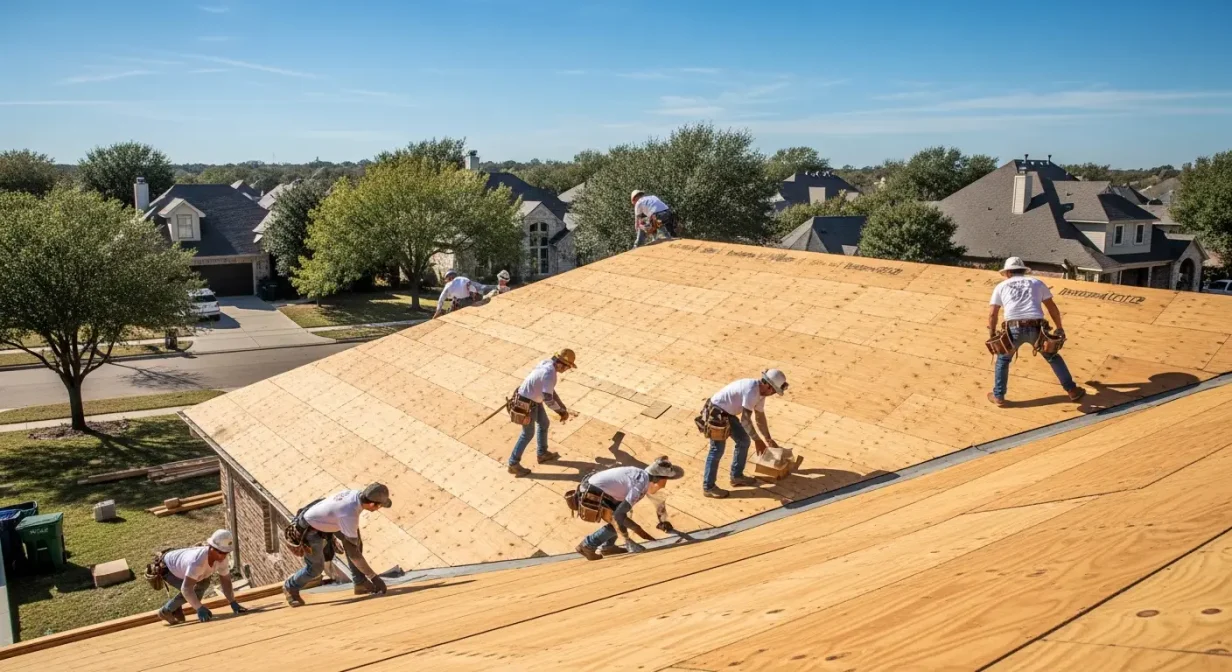
Leaks in roof decking indicate a failure in the primary weatherproofing layer that has allowed water to reach the structural wood base. Once the wood sheathing becomes saturated, it loses fastener holding power and rapidly deteriorates, expanding the damage area beyond the initial leak point. Remove the wet materials to expose the framing, locate the exact penetration point above, and replace all compromised wood panels.
Key Takeaways
- Identify decking leaks early through attic inspections to avoid the $5,000+ cost of full structural OSB replacement.
- The International Code Council (ICC) requires specific fastener spacing (IRC R803.2.1.1) to prevent decking uplift during North Texas wind storms.
- Upgrade to high-performance materials like Advantech or CDX plywood for superior moisture resistance in high-humidity Texas environments.
- Ensure all repairs include an ice and water shield meeting ASTM D1970 standards at all valley and penetration points.
Identifying a permanent leaks in roof decking solution requires moving beyond simple patches and addressing the underlying structural vulnerabilities. In my eight years as a consultant in the DFW Metroplex, I have found that most recurring leaks stem from improper flashing or aged underlayment that no longer meets ASTM D226 standards. We must evaluate the deck’s ability to hold fasteners and resist the extreme thermal expansion common in North Texas. FIELD NOTE #1: Last month, a Dallas homeowner in Lakewood called me after a $1,200 ‘quick fix’ failed during a spring thunderstorm.
The previous contractor had simply layered more asphalt shingles over rotted OSB, which eventually gave way and caused $8,500 in interior ceiling damage. This highlights why a thorough diagnosis of the roof decking is the first step in any viable solution. To provide a lasting fix, we look toward the standards set by the National Roofing Contractors Association (NRCA) and the International Residential Code (IRC). These guidelines ensure that the decking material, whether oriented strand board (OSB) or plywood, provides a stable substrate for the final roof covering.
By understanding these technical requirements, you can ensure your home remains protected against the volatile Texas climate.
Critical Symptoms of Compromised Roof Decking
The first indicators of a decking leak often appear inside the attic before they are visible on the exterior asphalt shingles. Look for dark water stains, white powdery efflorescence on rafters, or ‘swollen’ seams where OSB panels meet, which indicates moisture absorption. In the Dallas heat, these damp areas can quickly become breeding grounds for mold, compromising both structural integrity and indoor air quality. On the exterior, ‘bouncing’ or soft spots when walking the roof are a major red flag that the decking has lost its shear strength.
If you notice architectural shingles that appear wavy or buckled, it often means the wood beneath has expanded due to moisture saturation. This condition typically requires immediate intervention to prevent a total failure of the roof system during high-wind events.
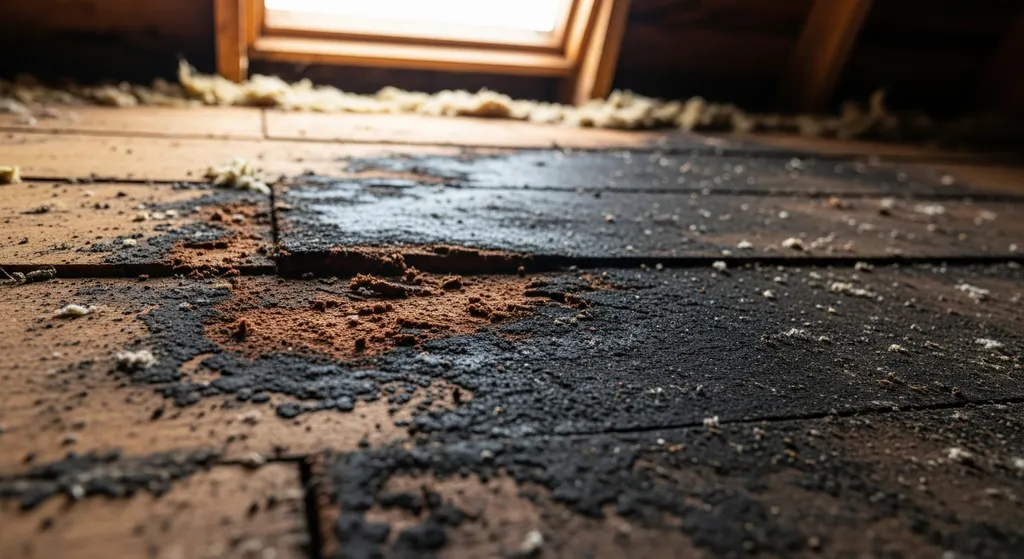
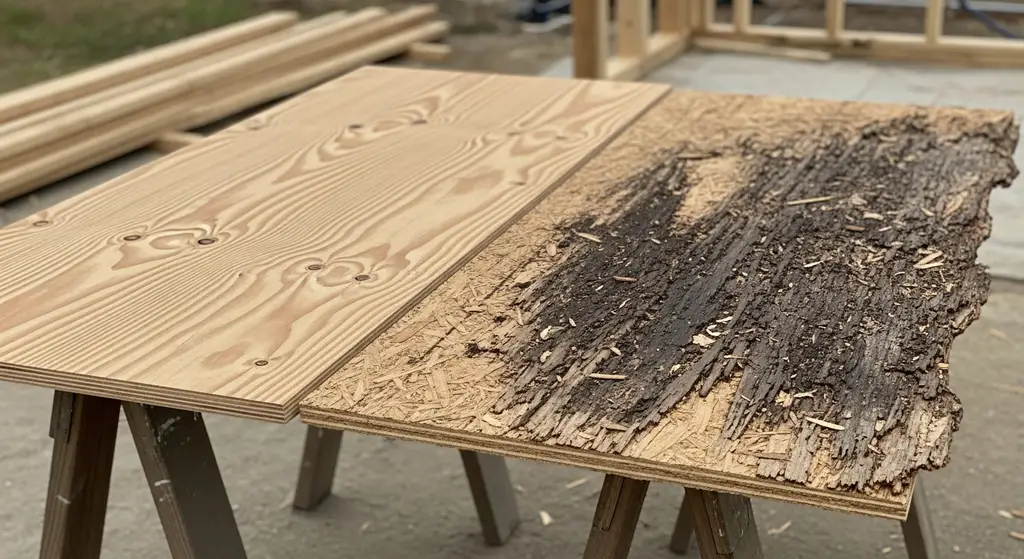
Delaminated Plywood
Typical Cost: $150 – $250 per sheet
Prevention: Install ASTM D4869 felt or synthetic underlayment.
Insurance Coverage: Often covered if caused by a sudden wind/hail event.
Code Reference: IRC R803.2.1
Professional Inspection Protocols for DFW Homes
A comprehensive inspection must involve both a top-down and bottom-up approach to locate the exact entry point of the leak. We use high-sensitivity moisture meters to track the path of water from the ridge down to the eaves, often finding that leaks originate feet away from where they manifest. In the DFW Metroplex, we pay special attention to chimney flashings and valley transitions, as these are the most frequent points of failure. Thermal imaging is another tool we utilize to find hidden moisture trapped between the synthetic underlayment and the decking.
This technology allows us to see temperature differentials that indicate damp OSB or saturated insulation without invasive tearing. Following the International Code Council (ICC) inspection standards ensures that every potential vulnerability is documented for insurance or repair planning.
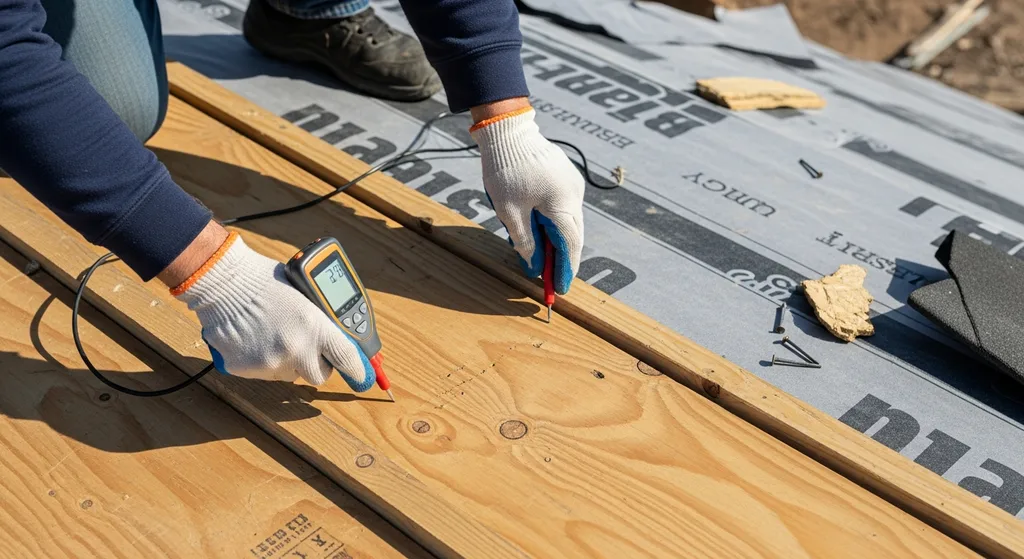
Field Note from Experience
During an inspection in Plano, I used a FLIR thermal camera to discover a leak that had been active for two years behind a stone facade. The homeowner thought it was a window leak, but it was actually a failure in the kick-out flashing that had rotted four sheets of CDX plywood, costing $2,800 to remediate.
Why Roof Decking Fails in North Texas
The primary root cause of decking failure in Texas is the extreme thermal cycle, where roof temperatures can swing 80 degrees in a single day. This causes constant expansion and contraction, which can back out fasteners or tear underlayment meeting ASTM D226 standards. When the seal is broken, the high humidity of the DFW Metroplex prevents the wood from ever fully drying out, leading to dry rot. Poor attic ventilation is a secondary but equally destructive cause.
Without proper airflow, heat builds up in the attic, ‘baking’ the decking from the inside out and making it more brittle. This heat-weakened wood is far more susceptible to leaking when spring hailstorms damage the primary asphalt shingles, allowing water to penetrate the now-porous substrate.
| Decking Material Performance | |
|---|---|
| CDX Plywood | High moisture resistance; stays flat |
| OSB | Cost-effective; prone to edge swelling |
| Advantech | Premium resin-bonded; superior 2026 choice |
Repairing vs. Replacing: The $10,000 Decision
Deciding whether to patch a leak or replace the decking depends on the extent of the ‘softness’ and the age of the overall system. If the damage is localized to a small area around a vent or pipe jack, a targeted replacement of the affected CDX plywood sheets is often sufficient. However, if more than 25% of the decking shows signs of delamination or mold, the NRCA recommends a full deck replacement to ensure a flat, stable surface for new architectural shingles. In Dallas-Fort Worth, we also consider the ‘ordinance or law’ requirements of your insurance policy.
If your home was built under older codes, current IRC 2021 standards might require you to upgrade your decking thickness or fastening pattern during a major repair. Ignoring these requirements can lead to failed city inspections and expensive rework during the permit process.
Dallas Market Pricing
In Dallas-Fort Worth, expect to pay $115-$165 per sheet for decking replacement including labor and disposal. These are current 2026 Dallas market prices; costs vary by region and can be 15-25% higher in remote Texas areas. Peak pricing occurs spring (March-May) storm season.
IRC 2021 Codes for Roof Decking Solutions
The International Residential Code (IRC) provides strict mandates for roof decking to ensure it can withstand wind uplift and snow loads. Section R803.2.1 requires a minimum of 15/32-inch thickness for sheathing on rafters spaced 24 inches on center. In Dallas, many older homes have thinner 7/16-inch decking, which we often recommend upgrading during a leak repair to meet modern safety and performance standards. Furthermore, the IRC R905 section dictates that all roof coverings must be installed according to manufacturer specifications and over a solid deck.
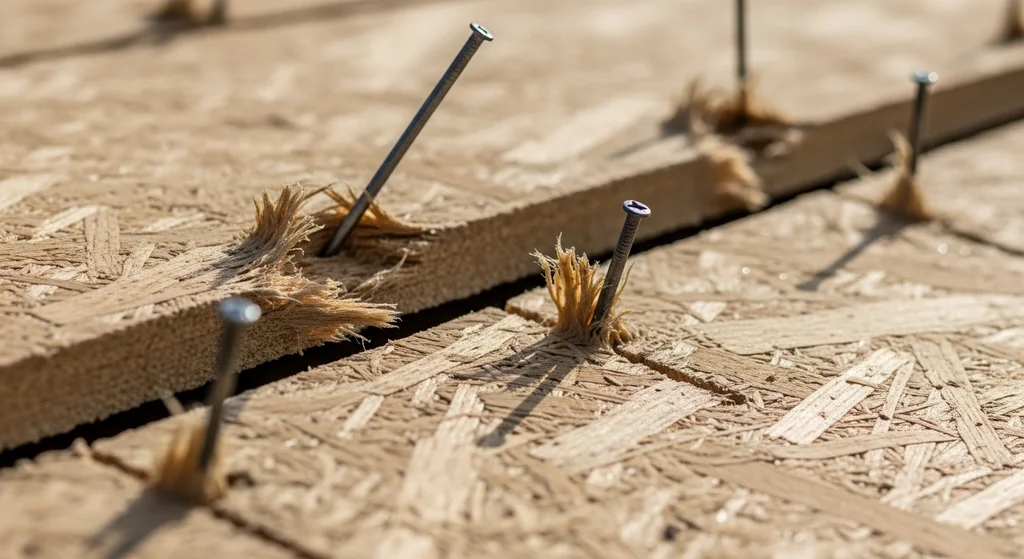
If your decking is ‘gapped’ more than 1/4 inch, it no longer meets code for asphalt shingles. We use 8d common nails with a specific 6-inch edge and 12-inch field spacing to satisfy the wind-uplift requirements for the DFW Metroplex.
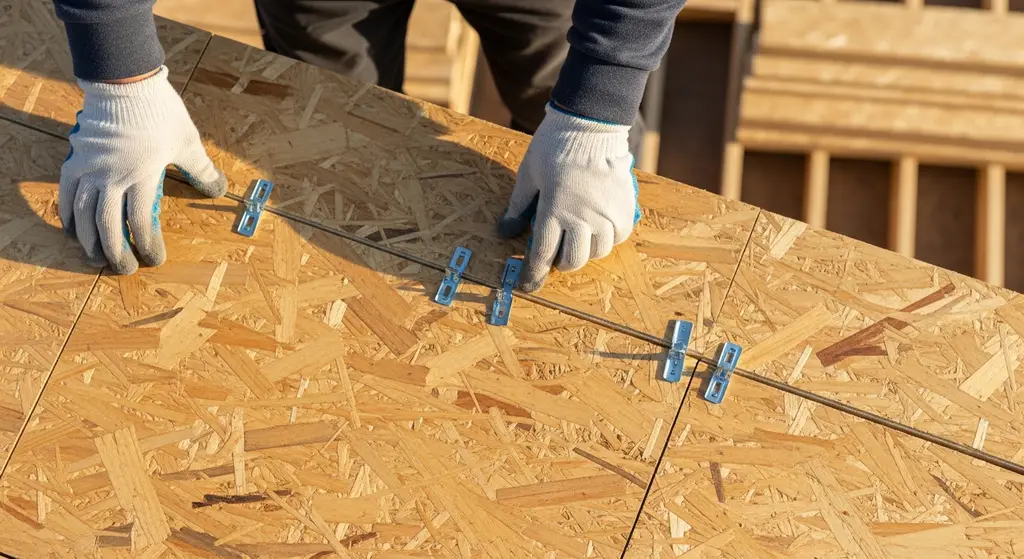
Skipping H-Clips
Consequence: Leads to ‘buckling’ of shingles as the wood expands in the Texas heat.
Reusing Old Flashing
Consequence: The most common cause of ‘new’ leaks in recently repaired roofs.
External Authoritative Resources
These industry-standard references support the information in this guide:
Building Codes
Frequently Asked Questions
Can I just nail new shingles over a small leak?
No, nailing shingles over wet decking is a violation of IRC R905.1 and will cause the fasteners to pull out as the wood rots. You must replace the saturated decking to provide a sound substrate for the new roof covering.
How much does it cost to replace roof decking in Dallas?
Currently in 2026, Dallas homeowners pay between $120 and $170 per 4×8 sheet for professional replacement. This price includes the removal of old material, the new CDX or OSB panel, and code-compliant fastening.
What is the best decking material for Texas weather?
CDX plywood or premium resin-bonded panels like Advantech are superior to standard OSB. These materials resist the high humidity and thermal expansion common in the DFW Metroplex, meeting ASTM D3043 standards for structural integrity.
Does insurance cover leaks in roof decking?
Insurance typically covers decking replacement if the damage was caused by a ‘covered peril’ like hail or wind. It generally does not cover rot caused by long-term maintenance neglect or poor ventilation.
What is an ice and water shield and do I need it?
An ice and water shield is a self-adhering underlayment meeting ASTM D1970. In Dallas, it is critical for valleys and penetrations to prevent leaks from wind-driven rain and occasional ice damming.
How do I know if my decking is rotted without removing shingles?
Inspect the attic for dark stains or use a moisture meter. On the roof, feel for soft or ‘spongy’ areas while walking, which indicates the wood has lost its structural bond.
Final Thoughts
Solving leaks in roof decking requires a commitment to quality materials and strict adherence to building codes. In the Dallas-Fort Worth area, the combination of extreme heat and intense storms makes the roof deck the most critical component of your home’s defense. By utilizing ASTM-rated underlayments and ensuring your contractor follows IRC R803.2.1 guidelines, you can transform a temporary patch into a permanent solution. FIELD NOTE #3: I always tell my DFW clients that ‘cheap’ decking repairs are the most expensive ones you’ll ever buy.
I recently saw a Richardson home where a cut-rate repair led to a full roof collapse over a garage because the contractor ignored rotted eaves. Investing in proper CDX plywood and professional installation now will save you thousands in structural repairs and insurance headaches down the road. Don’t settle for a quick fix when your home’s safety is on the line.
