
Contractor’s Bottom Line
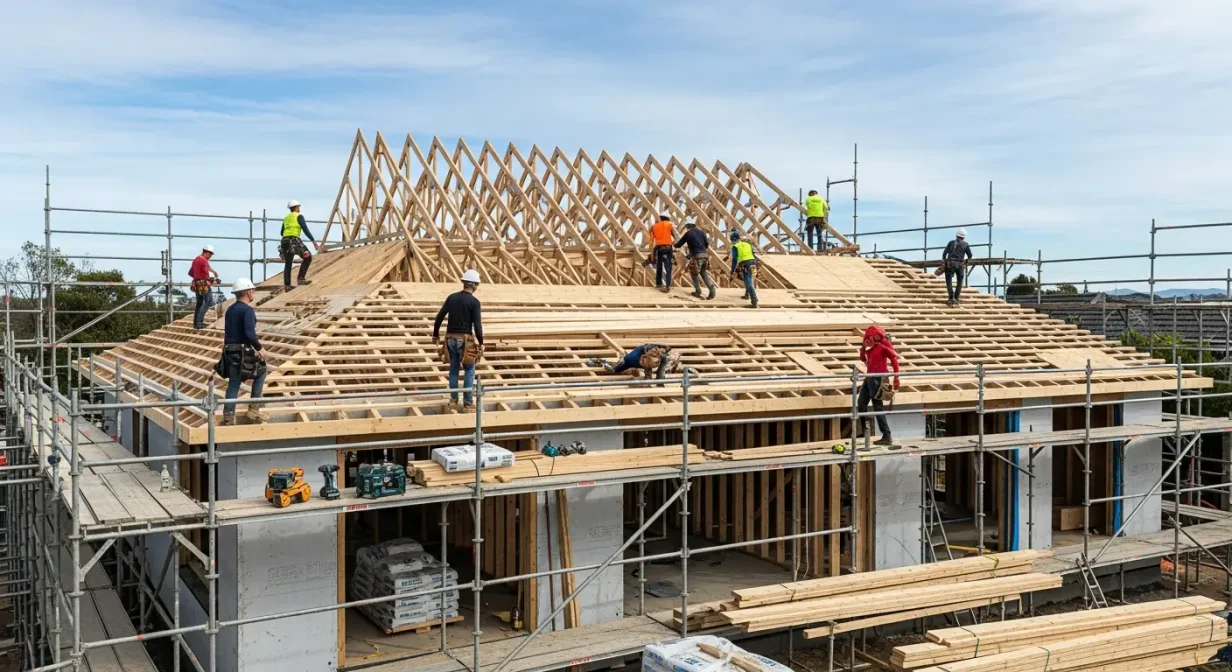
Roof deck construction involves installing a solid base for roofing materials, typically using OSB or plywood sheathing. It’s crucial for structural integrity and weather protection. Compliance with IRC 2021 codes, particularly IRC R803.2.1 for sheathing thickness, is essential. In Dallas, proper installation is key to withstand extreme heat and potential storm damage. Expect a professionally installed roof deck to last 20-30 years with proper maintenance. Ignoring proper fastening and code requirements can lead to costly repairs and potential roof failure.
Key Takeaways
- Roof deck provides the structural base for your roofing system, ensuring stability and weather resistance.
- Proper material selection, such as CDX plywood or OSB, is crucial, adhering to ASTM standards and local Dallas building codes.
- Correct installation, including proper fastening and spacing, is essential to prevent issues like sagging or water damage, as outlined by the NRCA.
- Following OSHA safety guidelines during installation is crucial for worker safety.
Roof deck construction is the foundation of any roofing system, providing a solid surface for the roofing materials to be attached. This crucial element ensures the roof’s structural integrity and its ability to withstand weather elements like wind and rain. Proper roof deck installation is essential for the longevity and performance of the entire roof system. Choosing the right materials is a critical first step.
Common materials include CDX plywood and oriented strand board (OSB), each with its own advantages and disadvantages. Understanding the International Residential Code (IRC) requirements is vital for compliance and safety. The NRCA also provides best practices for roof deck construction. FIELD NOTE #1: Last summer, a Dallas homeowner called me after their roof started sagging.
Upon inspection, I discovered the original contractor used improperly spaced fasteners and substandard OSB, which buckled under the Texas heat. This resulted in $8,000 in damages and a complete roof deck replacement.
Understanding IRC Code Requirements for Roof Decks
The International Residential Code (IRC) sets minimum standards for roof deck construction to ensure safety and structural integrity. These requirements cover aspects like sheathing thickness, fastening schedules, and support spacing. Adhering to these codes is crucial for obtaining building permits and ensuring the roof meets safety standards. In Dallas, Texas, the IRC 2021 is currently applicable as of 2026, with some local amendments.
Specifically, IRC R803.2.1 addresses wood structural panel sheathing, specifying minimum thickness based on rafter spacing and load requirements. For example, IRC R803.2.1 requires a minimum of 15/32-inch thickness for roof sheathing with rafters spaced 24 inches on center. Additionally, IRC R905 covers specific requirements related to roof coverings and their attachment to the roof deck. Failure to meet these requirements can result in failed inspections and costly rework.

Field Note from Experience
During an inspection in Plano, a suburb of Dallas, I found a contractor had used 7/16-inch OSB on a roof with 24-inch rafter spacing, violating IRC R803.2.1. This code violation could have cost the homeowner $5,000 in repairs if not caught during inspection.
Preparing Roofing Materials for Installation
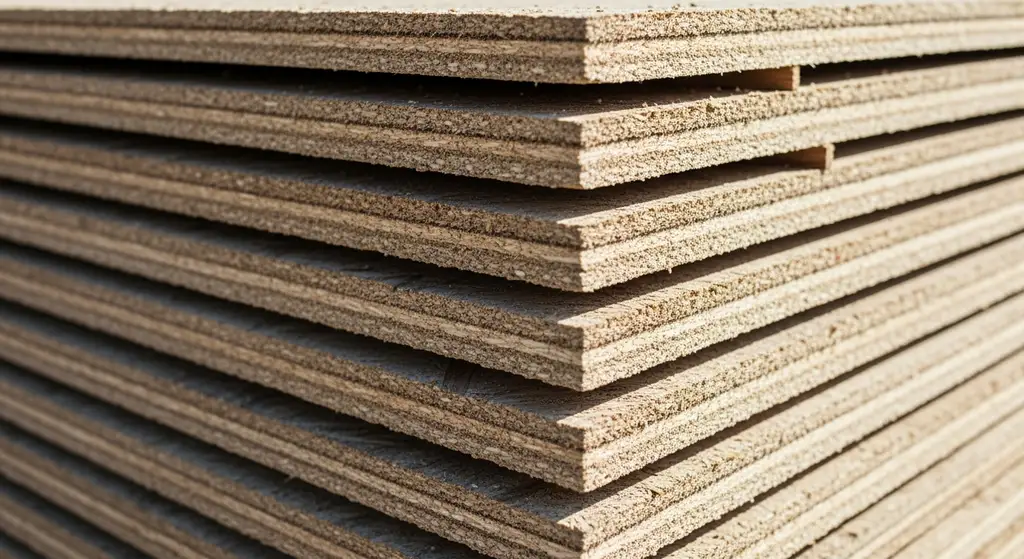
Proper material preparation is essential for a successful roof deck installation. This includes inspecting the sheathing for any defects, ensuring it is dry and free of debris, and cutting the panels to the correct size. Using high-quality materials like CDX plywood or oriented strand board (OSB) that meet ASTM standards is also important. In Dallas, humidity can affect wood sheathing, so acclimating the materials to the local climate before installation is advisable.
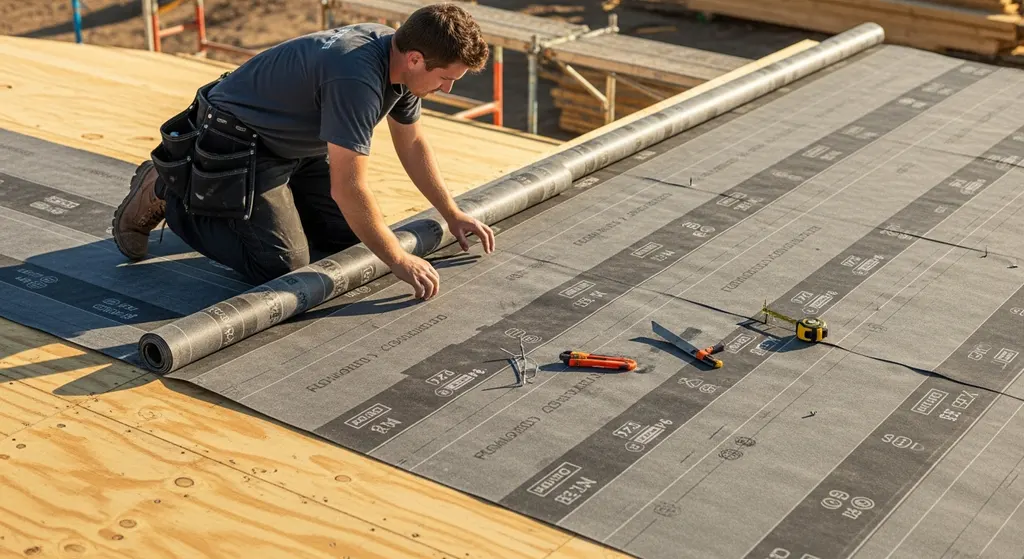
Synthetic underlayment, such as those meeting ASTM D4869 standards, should be unrolled and allowed to relax before installation. This helps to minimize wrinkles and ensure a smooth surface for the roofing material. For areas prone to ice dams, like around chimneys and valleys, consider installing an ice and water shield that meets ASTM D1970 standards. These preparations contribute to a durable and long-lasting roof deck.
Field Note from Experience
I’ve seen OSB swell and warp due to improper storage on Dallas job sites. Always store materials under cover to prevent moisture damage, which can lead to premature roof failure and cost homeowners thousands.
Step-by-Step Guide to Roof Deck Installation
Roof deck installation typically involves several key steps. First, install the sheathing panels, ensuring they are properly aligned and spaced according to the manufacturer’s instructions. Next, fasten the panels to the rafters or trusses using nails or screws. The fastening schedule should comply with IRC requirements and local building codes.
In Dallas, it’s crucial to account for potential wind uplift forces by using appropriate fasteners and spacing. Once the sheathing is installed, apply underlayment to protect the roof deck from moisture. Overlap the underlayment according to the manufacturer’s specifications, typically 6 inches for horizontal laps and 12 inches for vertical laps. Finally, install flashing around chimneys, vents, and other roof penetrations to prevent water intrusion.
The NRCA provides detailed guidelines for flashing installation to ensure a watertight seal.
Field Note from Experience
On a project in McKinney, a Dallas suburb, I discovered a contractor who skipped the underlayment step to save time and money. This resulted in water damage and mold growth within months, costing the homeowner over $10,000 to repair.
Choosing the Right Fasteners for Roof Decks
Selecting the appropriate fasteners is critical for securing the roof deck sheathing. Common fasteners include nails and screws, each with specific advantages and disadvantages. Nails are typically faster to install, while screws offer greater holding power, especially in high-wind areas like parts of North Texas. The International Code Council (ICC) provides guidelines for fastener selection based on the type of sheathing and the expected wind loads.
For plywood and OSB sheathing, use 8d (2 1/2-inch) nails spaced 6 inches along the edges and 12 inches in the field, as per IRC guidelines. Alternatively, use screws that meet ASTM D1761 standards for withdrawal resistance. In areas prone to high winds, consider using ring-shank nails or screws with deeper threads for increased holding power. Always consult local building codes and manufacturer’s specifications for specific fastener requirements.

Field Note from Experience
I helped a family in Frisco, TX whose roof failed after a hailstorm. The contractor had used staples instead of nails on the roof deck, a clear violation of code and manufacturer specifications. The repair cost them $7,500, which their insurance company initially denied due to improper installation.
Prioritizing Safety During Roof Deck Construction
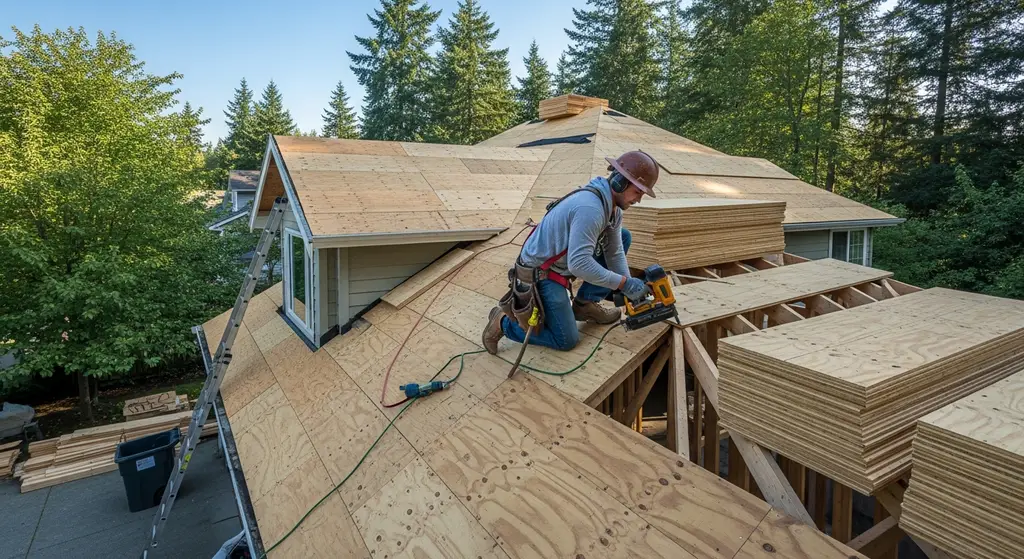
Roof deck construction involves inherent safety risks, including falls, injuries from tools, and exposure to the elements. It is crucial to prioritize safety throughout the entire process. OSHA, Occupational Safety and Health Administration, sets standards for workplace safety, including fall protection, ladder safety, and personal protective equipment (PPE). Always wear appropriate PPE, including safety glasses, gloves, and a hard hat.
Use fall protection equipment, such as harnesses and lifelines, when working at heights. Ensure that ladders are properly secured and extended at least 3 feet above the landing. In Dallas, where summer temperatures can soar, take frequent breaks and stay hydrated to prevent heat exhaustion. Following these safety precautions can help prevent accidents and injuries.
Field Note from Experience
I once witnessed a near-fatal fall on a Dallas job site because a worker wasn’t wearing proper fall protection. Emphasizing safety and following OSHA guidelines are non-negotiable.
Avoiding Common Roof Deck Installation Errors
Several common errors can compromise the integrity and performance of a roof deck. These include improper fastener spacing, using the wrong type of fasteners, and failing to properly seal roof penetrations. Ignoring these details can lead to water damage, structural issues, and premature roof failure. The NRCA provides best practices for avoiding these errors.
Another common mistake is using damaged or substandard materials. Always inspect the sheathing for defects before installation and discard any panels that are warped, cracked, or delaminated. In Dallas, ensure that the sheathing is properly acclimated to the local climate before installation to minimize expansion and contraction. By avoiding these common errors, you can ensure a durable and long-lasting roof deck.

Field Note from Experience
I’ve seen many roofs in the DFW Metroplex fail prematurely due to improper nail spacing. Contractors often cut corners to save time, but it ends up costing homeowners far more in the long run. Always verify nail patterns and spacing during the project.
External Authoritative Resources
These industry-standard references support the information in this guide:
Building Codes
International Residential Code (IRC 2021)
Official building code for residential construction
ICC Code Adoption Map
Find which IRC version your state uses
Industry Standards
NRCA Roofing Manual
National Roofing Contractors Association best practices
ASTM International Standards
Material testing standards (ASTM D3043, D1761)
Manufacturer Resources
Frequently Asked Questions
What is the purpose of a roof deck?
The roof deck provides a solid, structural base for attaching roofing materials, protecting the building from weather elements and ensuring the roof’s overall stability. It’s a critical component that must meet IRC requirements.
What materials are commonly used for roof decks?
Common materials include CDX plywood and oriented strand board (OSB), chosen for their strength, durability, and cost-effectiveness. The specific choice depends on local building codes and project requirements.
How thick should roof deck sheathing be?
The required thickness of roof deck sheathing depends on rafter spacing and load requirements, as specified in IRC R803.2.1. Generally, a minimum of 15/32-inch thickness is required for rafters spaced 24 inches on center.
What are the signs of a damaged roof deck?
Signs of a damaged roof deck include sagging, water stains, rot, and loose or missing fasteners. These issues can compromise the roof’s structural integrity and lead to further damage.
How often should a roof deck be inspected?
A roof deck should be inspected at least once a year, and after any major weather events, such as hailstorms or high winds. Early detection of problems can prevent costly repairs.
Can I install a roof deck myself?
While DIY roof deck installation is possible, it’s generally recommended to hire a qualified roofing contractor. Proper installation requires specialized skills, tools, and knowledge of building codes and safety procedures.
Final Thoughts
Roof deck construction is a crucial aspect of any roofing system, providing the foundation for weather protection and structural integrity. Proper material selection, installation techniques, and adherence to building codes are essential for a long-lasting and reliable roof. Ignoring these factors can lead to costly repairs and potential safety hazards. FIELD NOTE #2: A client in Dallas-Fort Worth recently had to replace their entire roof due to a poorly installed deck.
The original contractor cut corners, which resulted in significant water damage and structural issues. Always prioritize quality workmanship and materials to avoid similar problems. Contact a qualified roofing professional to ensure your roof deck is properly installed and maintained.
