
Contractor’s Bottom Line
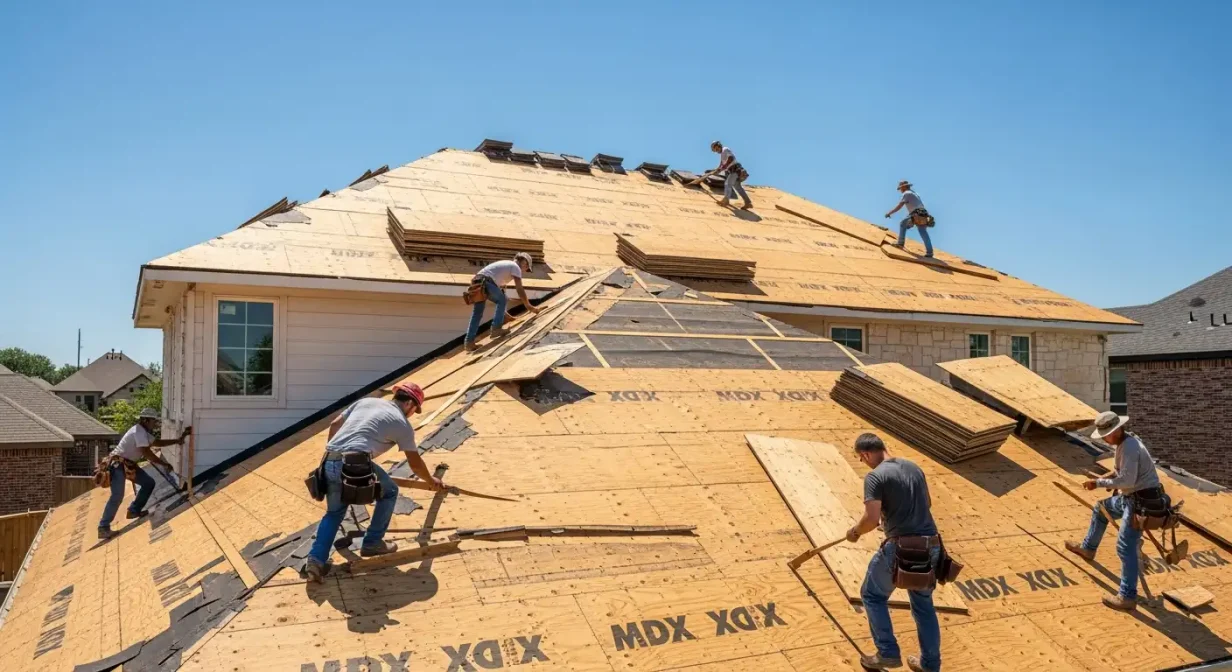
Plywood roof sheathing requires replacement when it exhibits structural softness, delamination, or visible fungal decay that compromises its load-bearing capacity. If a footstep causes the panel to deflect significantly or the surface layers separate from the core, the structural integrity has failed. Cut out the damaged section back to the center of the adjacent framing members and secure a new plywood patch.
Key Takeaways
- Replace decking immediately if you find soft spots, mold, or delamination that violates ASTM D3043 structural standards.
- IRC R803.2.1 requires a solid, nailable surface; Dallas building inspectors will fail a roof if shingles are installed over rotted wood.
- Current 2026 Dallas-Fort Worth pricing for CDX plywood replacement ranges from $95 to $145 per 4×8 sheet including labor.
- The National Roofing Contractors Association (NRCA) recommends full deck replacement if more than 25% of the surface shows moisture damage.
In my 8+ years of inspecting roofs across the DFW Metroplex, I have found that the decking is the most overlooked component of the roofing system. Most homeowners focus on the architectural shingles, but the underlying CDX plywood or oriented strand board (OSB) is what provides the structural diaphragm for your home. When this foundation fails, the entire system is at risk of wind uplift or collapse. FIELD NOTE: Last month, a Dallas homeowner in Lake Highlands called me after a cheap contractor installed new 3-tab shingles over rotted decking.
The first spring storm caused a massive leak because the nails wouldn’t hold in the soft wood, resulting in $12,000 in interior ceiling damage. This could have been avoided by replacing $800 worth of plywood during the initial install. Understanding when to replace your roof sheathing requires a balance of code knowledge and physical inspection. We follow the International Code Council (ICC) guidelines to ensure every North Texas home remains safe and compliant.
This guide breaks down the technical signs of failure and the actual costs you will face in the current market.
Critical Signs Your Roof Decking Has Failed
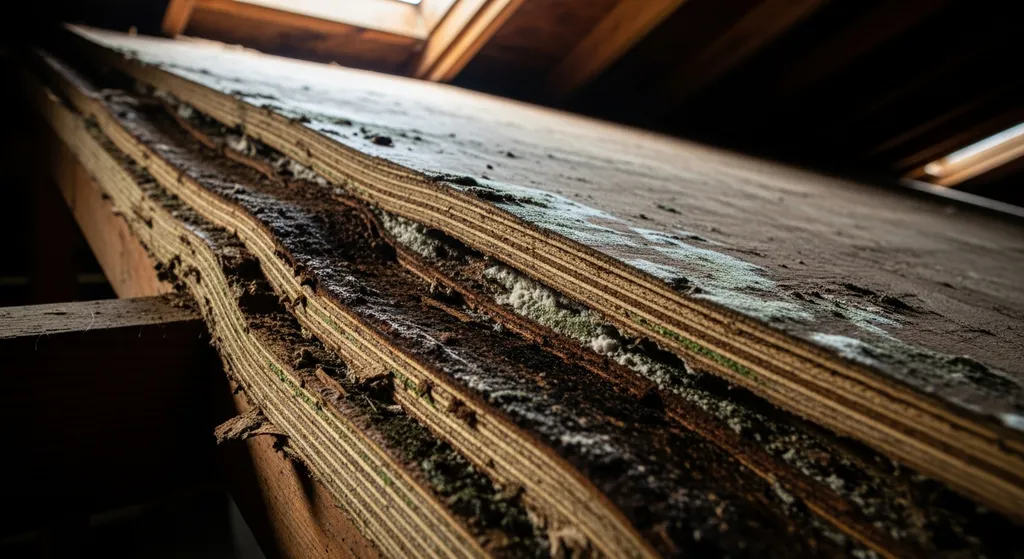
The most obvious sign that you need to replace your plywood is visible sagging between the rafters, often caused by long-term moisture exposure. When water bypasses the felt underlayment or synthetic underlayment, it saturates the wood fibers, leading to delamination. This process breaks the adhesives holding the plywood layers together, which is a direct violation of ASTM D3043 structural standards. Inside your attic, look for dark water stains or white powdery mold growth on the underside of the oriented strand board (OSB).
If you can poke a screwdriver through the wood with minimal effort, the structural integrity is gone. In the extreme heat of Dallas-Fort Worth, thermal expansion can also cause ‘H-clips’ to fail, leading to buckling edges that require immediate replacement to maintain a flat roof plane.
Fastener Pull-out
Typical Cost: $2,500 – $5,000
Prevention: Replace any decking that feels soft or ‘spongy’ during the tear-off phase.
Insurance Coverage: Typically excluded unless caused by a covered peril like a fallen tree.
Code Reference: IRC R905.2.1
Field Note from Experience
During an inspection in Plano, I found a deck so rotted that the roofer’s foot went straight through the OSB. The homeowner had ignored a small leak for two years, and the moisture had spread to the rafters, increasing the repair bill from $150 to nearly $4,000.
IRC 2021 and Dallas Building Code Compliance
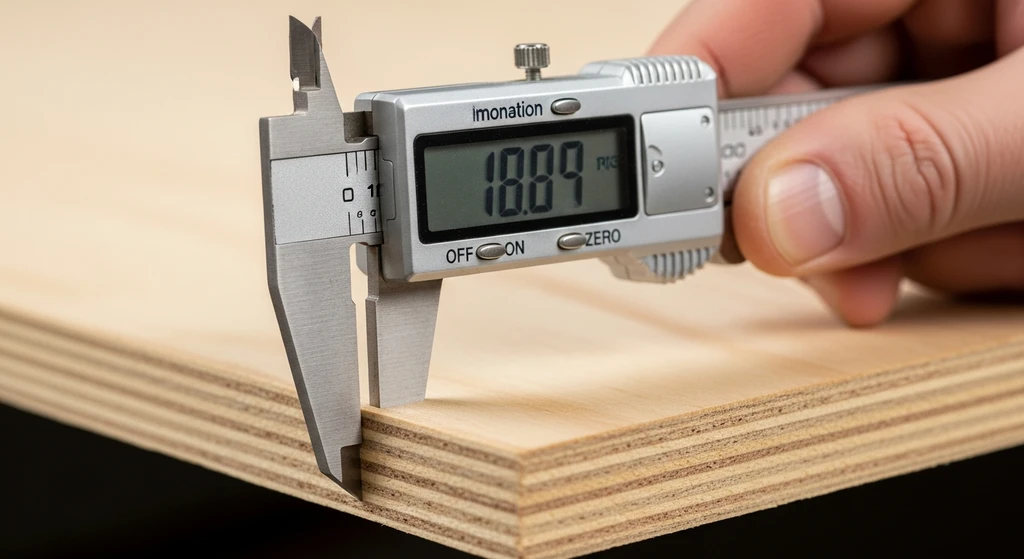
The International Residential Code (IRC), specifically section IRC R803.2.1, dictates the allowable thickness and span for roof sheathing. In Dallas, most residential structures require a minimum of 15/32-inch thick plywood if rafters are spaced 16 inches on center. Installing shingles over thinner or damaged material is a code violation that will result in a failed inspection during the city’s final walk-through. Furthermore, IRC R905 requires that the roof deck be solid and cleaned of all debris before the installation of new asphalt shingles.
If your home currently has ‘spaced sheathing’ (common in older DFW homes built for wood shakes), you must install a new layer of CDX plywood or Advantech to meet modern safety standards. This ensures the synthetic underlayment has a smooth, continuous surface to provide a secondary water barrier.
| Dallas Decking Code Standards | |
|---|---|
| Minimum Thickness | 15/32-inch (IRC R803.2.1) |
| Fastener Spacing | 6″ on edges, 12″ in field |
| Material Grade | APA Rated Sheathing (ASTM D3043) |
Dallas-Fort Worth Roof Decking Replacement Costs
In the North Texas market, the cost of replacing plywood is highly dependent on current lumber commodity prices. At present, most reputable Dallas contractors charge between $95 and $145 per sheet for 15/32-inch CDX plywood. This price includes the material, labor to remove the old sheet, and the disposal fees for the debris. OSB (oriented strand board) is typically $15 to $25 cheaper per sheet than plywood.
You should be wary of any contractor offering ‘free’ plywood replacement, as they often recoup this cost by using lower-grade materials or skipping the ice and water shield in critical valleys. In the DFW Metroplex, high demand during the spring hail season can drive labor costs up by 15%, so scheduling your replacement in the late fall can often result in better pricing and more attentive crews.
Dallas Market Pricing
In Dallas-Fort Worth, expect to pay $95-$145 per sheet for CDX plywood. These are current 2026 Dallas market prices; costs vary by region and can be 15-25% higher in remote Texas areas. Peak pricing occurs during the spring (March-May) storm season.
| Material Type | Cost Per Sheet (Installed) | Best Use Case |
|---|---|---|
| CDX Plywood | $95 – $145 | Standard residential roofs; superior moisture resistance |
| OSB (Standard) | $75 – $115 | Budget-friendly; common in new DFW construction |
| Advantech | $130 – $180 | Premium moisture protection; high-end custom homes |
What Contractors Hide
Lumping ‘decking’ into the general estimate
The Reality: Contractors often hide a 30% markup on lumber; ask for a per-sheet unit price upfront.
Reusing damaged flashing
The Reality: This leads to edge rot within 3 years, requiring you to replace the new plywood again.
External Authoritative Resources
These industry-standard references support the information in this guide:
Building Codes
Frequently Asked Questions
Can I install new shingles over moldy plywood?
No. Mold indicates moisture compromise that violates NRCA standards. Installing shingles over moldy wood traps rot and will eventually cause the fasteners to pull out, potentially voiding your GAF or CertainTeed warranty.
Is OSB or Plywood better for Dallas roofs?
While OSB is common in North Texas, CDX plywood handles the extreme humidity and heat cycles of Dallas better because it dries faster and resists delamination more effectively than oriented strand board.
Does insurance cover roof plywood replacement?
Generally, insurance only covers decking if it was damaged by a specific covered peril, like a tree falling. Wear and tear or rot due to lack of maintenance is usually excluded unless you have ‘Ordinance or Law’ coverage.
How many sheets of plywood are on a standard roof?
A typical 2,500-square-foot home in Dallas has approximately 75 to 90 sheets of decking. Most contractors include 1-2 sheets in their base bid, charging a per-sheet rate for any additional wood needed.
What is the code-required thickness for roof decking in Texas?
According to IRC R803.2.1, the standard is 15/32-inch for 16-inch rafter spacing. Some older Dallas homes may have 3/8-inch, which must be upgraded during a full replacement to meet modern safety codes.
How do I know if my roofer actually replaced the wood?
Ask for ‘photo documentation’ of the open deck. Professional Dallas contractors should provide timestamped photos of the removed rotted sheets and the newly installed ASTM D3043 compliant panels.
Final Thoughts
Replacing your roof plywood is a critical investment that ensures your home can withstand the volatile North Texas climate. By adhering to IRC R803.2.1 standards and choosing high-quality CDX plywood, you protect your interior and extend the life of your architectural shingles. Don’t let a contractor talk you into ‘patching’ a structural problem that requires a full sheet replacement. FIELD NOTE: I once saw a DFW homeowner lose their entire roof in a 70 mph wind gust because the previous installer used staples instead of ASTM D1761 compliant nails into rotted wood.
The insurance company denied the claim based on ‘improper installation.’ Always demand a thorough deck inspection before the first shingle is laid. If you suspect your decking is soft, contact a consultant to verify the structural integrity today.
