
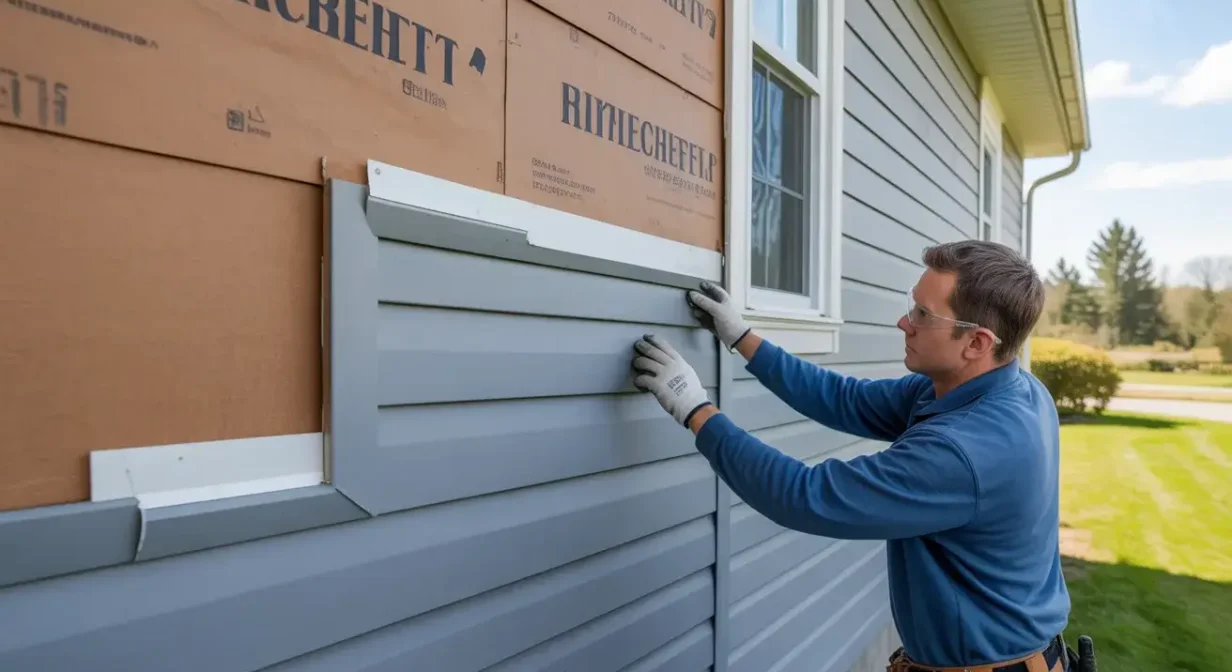
House siding costs $4 to $13 per square foot installed, or $10,000 to $32,500 total on average for a 2,500-square-foot home. The wide price range depends on material choice, home size, and installation complexity. Most homeowners spend between $8,000 and $18,000 for complete siding replacement projects.
Several factors affect your final cost beyond just materials. Labor costs vary by region and project difficulty. Labor costs to install siding are around $1 to $4 per square foot, depending on the difficulty of the installation and your location, or an average hourly rate of $40 to $75 per hour. Understanding these variables helps you budget accurately.
Your existing siding condition affects replacement costs significantly. When planning exterior renovations, consider what does roof replacement include to coordinate projects efficiently. Timing multiple exterior projects often reduces overall labor costs through contractor bundling discounts.
Types of Siding Materials and Costs
Vinyl Siding
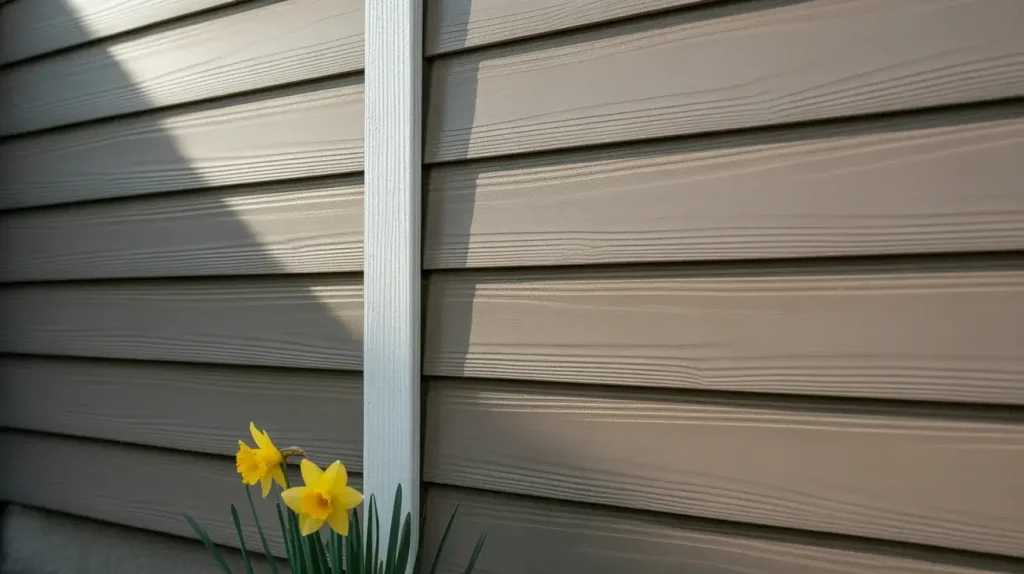
Vinyl remains the most popular siding choice due to its affordability and low maintenance. The cost for vinyl siding is usually around $6.40 per square foot. Installation costs range from $5 to $10 per square foot including materials and labor. Most vinyl siding projects for average homes cost $8,000 to $15,000 total.
Quality vinyl siding offers excellent durability and weather resistance. Modern vinyl comes in numerous colors and textures that mimic wood grain. The material requires minimal maintenance beyond occasional pressure washing. Consider ice and water shield roof protection when replacing siding around roof connections.
Fiber Cement Siding
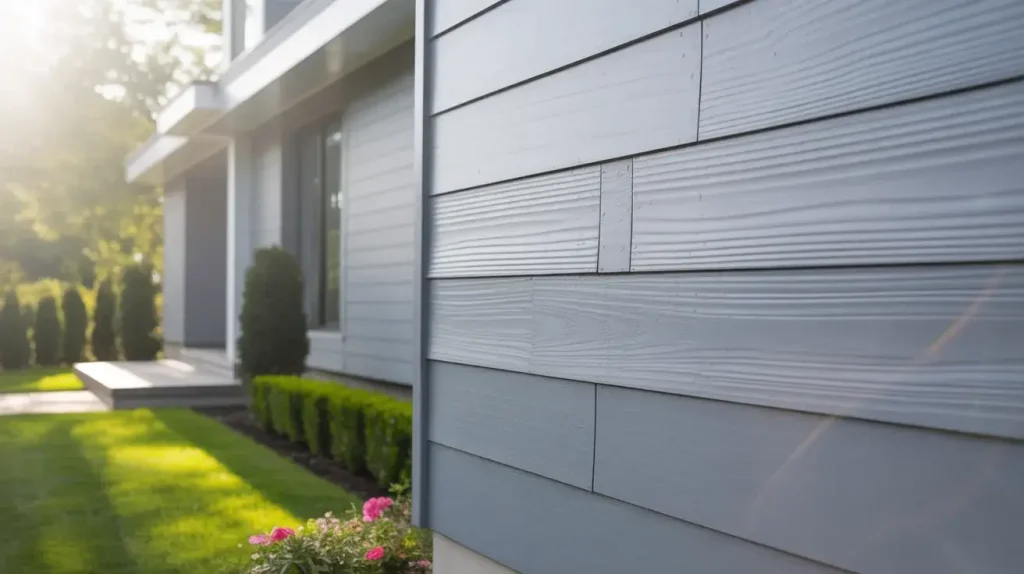
Fiber cement siding costs 1.5 to 2 times as much as vinyl but lasts twice as long. Installation costs range from $8 to $18 per square foot including materials and labor. Fiber cement costs between $2 and $15 per square foot. Most fiber cement projects cost $12,000 to $25,000 for average homes.
This engineered material combines cement, sand, and cellulose fibers for exceptional durability. Fiber cement siding provides an average ROI of 80%, making it an excellent investment. The material resists fire, insects, and rot better than traditional wood siding.
Wood Siding
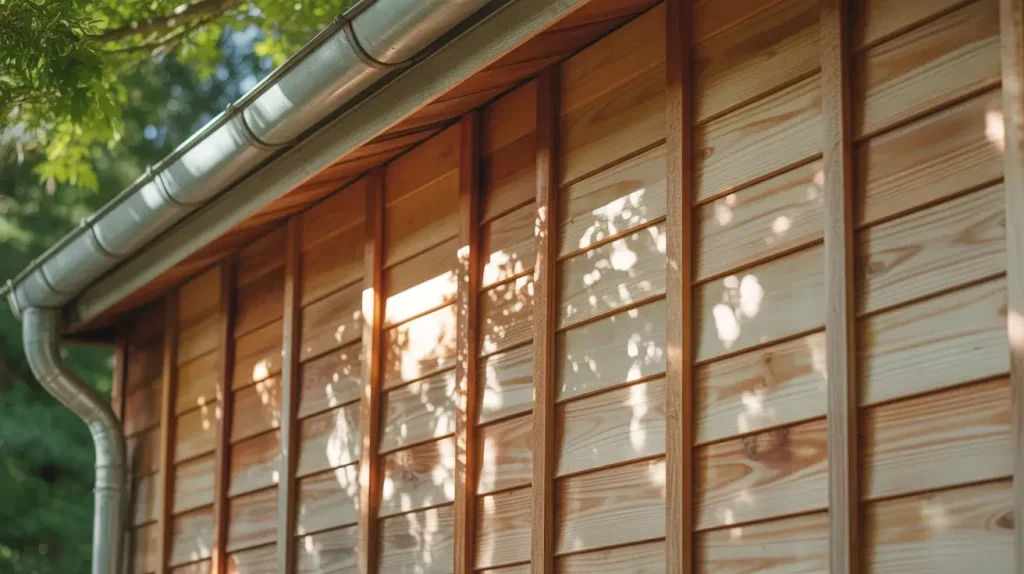
Wood siding offers natural beauty but requires significant maintenance investment. Installation costs range from $6 to $20 per square foot including materials and labor. Cedar and redwood command premium prices due to natural rot resistance. Most wood siding projects cost $10,000 to $28,000 for average homes.
Natural wood provides unmatched aesthetic appeal and can last decades with proper care. Regular staining or painting maintains wood’s appearance and protection. Understanding best wood for roof decking helps coordinate exterior wood choices for consistent appearance.
Metal Siding
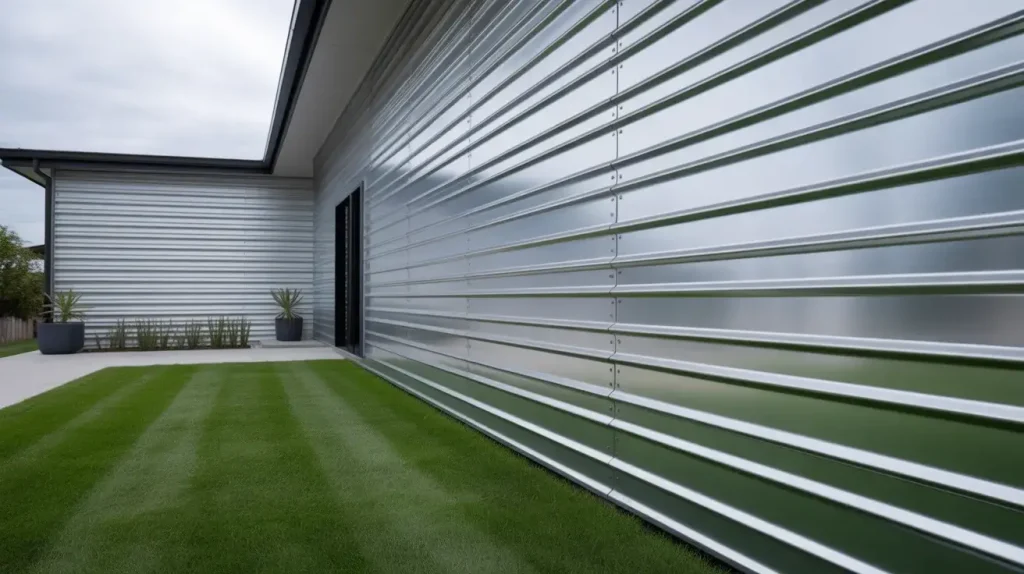
Steel and aluminum siding provide industrial-style durability. Installation costs range from $7 to $15 per square foot including materials and labor. Steel costs more than aluminum but offers superior dent resistance. Most metal siding projects cost $9,000 to $20,000 for average homes.
Metal siding works especially well for modern architectural styles. The material requires minimal maintenance and provides excellent weather protection. Consider types of metal roof decking when coordinating with metal roofing systems.
Labor Costs and Installation Factors
|
Installation Factor |
Cost Impact |
Description |
|---|---|---|
|
Basic Installation |
$1-2/sq ft |
Standard rectangular homes |
|
Complex Architecture |
$2-4/sq ft |
Multiple stories, angles |
|
Removal of Old Siding |
$0.50-1.50/sq ft |
Disposal and prep work |
|
Insulation Addition |
$1-3/sq ft |
Energy efficiency upgrade |
|
Trim and Accessories |
$200-800 |
Corners, fascia, soffits |
Siding pros charge $40 to $75 per hour to remove and replace siding. Your total labor cost depends on factors like how tricky the installation is and where you live. Geographic location significantly affects labor rates with coastal and metropolitan areas commanding premium prices.
Home architecture complexity increases installation time and costs. Multi-story homes require scaffolding and safety equipment that adds expense. When planning comprehensive exterior updates, consider cost to replace roof decking for properties needing structural work.
Regional Cost Variations
Labor costs vary significantly across different regions of the country. Urban areas typically charge 20-40% more than rural locations. Seasonal demand affects pricing with spring and summer commanding premium rates. Consider finance a new roof options when budgeting for major exterior renovations.
Weather delays can extend project timelines and increase costs. Winter installations may incur additional charges for weather protection measures. Plan siding replacement during optimal weather seasons for best pricing and results.
Cost Comparison by Home Size
|
Home Size |
Vinyl Siding |
Fiber Cement |
Wood Siding |
Metal Siding |
|---|---|---|---|---|
|
1,200 sq ft |
$6,000-12,000 |
$9,600-21,600 |
$7,200-24,000 |
$8,400-18,000 |
|
1,500 sq ft |
$7,500-15,000 |
$12,000-27,000 |
$9,000-30,000 |
$10,500-22,500 |
|
2,000 sq ft |
$10,000-20,000 |
$16,000-36,000 |
$12,000-40,000 |
$14,000-30,000 |
|
2,500 sq ft |
$12,500-25,000 |
$20,000-45,000 |
$15,000-50,000 |
$17,500-37,500 |
|
3,000 sq ft |
$15,000-30,000 |
$24,000-54,000 |
$18,000-60,000 |
$21,000-45,000 |
Home size directly affects material quantities and labor hours required. The average cost for vinyl siding installation on a 2,500 sq ft. home can range from $13,325 to $24,300. These estimates include complete material and labor costs for standard installations.
Square footage calculations should include all exterior walls requiring siding coverage. Subtract window and door areas but add 10% waste factor for cuts and mistakes. Understanding what is a roofing square helps coordinate roofing and siding measurements accurately.
Additional Cost Considerations
Foundation height affects siding material requirements and installation costs. Two-story homes require scaffolding or lift equipment that increases labor expenses. Complex rooflines create more linear feet of trim work that adds material and labor costs.
Existing siding removal adds $0.50 to $1.50 per square foot to project costs. Disposal fees vary by location and material type. Some materials like asbestos require special handling that significantly increases removal costs.
Hidden Costs and Additional Expenses
|
Additional Cost |
Price Range |
When Required |
|---|---|---|
|
Permits |
$50-500 |
Most jurisdictions |
|
Insulation Upgrade |
$1,200-3,600 |
Energy efficiency |
|
Trim Replacement |
$500-2,000 |
Damaged existing |
|
Electrical Work |
$200-800 |
Outlet relocation |
|
Window Caulking |
$300-600 |
Seal improvements |
Permit costs vary by location but most areas require permits for complete siding replacement. Building codes may require insulation upgrades during siding replacement projects. Understanding roof deck codes and permits helps navigate regulatory requirements for comprehensive exterior projects.
Electrical work becomes necessary when siding replacement affects exterior outlets or fixtures. HVAC vents may need relocation or extension during siding installation. Water damage repair adds unexpected costs if discovered during old siding removal.
Structural Repair Costs
Water damage behind old siding creates expensive repair needs before new installation. Rot repair costs $10 to $40 per square foot depending on damage extent. Foundation repairs may be necessary if moisture damage extends below siding level.
Window and door trim often needs replacement during siding projects. Fascia and soffit damage requires repair before siding installation begins. Consider roof sheathing labor cost when structural repairs extend to roof connections.
Money-Saving Tips and Budget Strategies
Timing Your Project
Schedule siding replacement during contractors’ slow seasons for better pricing. Fall and winter installations often cost 10-20% less than peak season work. However, weather delays may extend project timelines during off-season installations.
Bundle exterior projects for contractor discounts on multiple services. Combining siding with roofing work often reduces overall costs through shared scaffolding and equipment. Understanding labor cost to add roof over patio helps coordinate comprehensive exterior improvements.
Material Selection Strategies
Choose mid-grade materials that balance cost and quality effectively. Premium materials don’t always provide proportional value increases. Consider long-term maintenance costs when evaluating material options for total ownership expenses.
Buy materials directly from suppliers to avoid contractor markup when possible. However, ensure warranty coverage remains valid with direct purchases. Some contractors offer better material pricing through volume purchasing agreements.
DIY vs Professional Installation
Simple siding repairs may be suitable for experienced DIYers. The cost of home siding repair ranges from $350–$1,500 per 100 square feet, depending on the material. Complete replacement requires professional installation for warranty coverage and proper weatherproofing.
Professional installation ensures proper building code compliance and manufacturer warranty validity. Mistakes in DIY installation can create expensive water damage problems. Consider professional consultation even for partial DIY projects to avoid costly errors.
Return on Investment Analysis
|
Siding Material |
Average ROI |
Resale Value Add |
Lifespan |
|---|---|---|---|
|
Vinyl |
65-75% |
$8,000-12,000 |
20-30 years |
|
Fiber Cement |
75-85% |
$12,000-18,000 |
30-50 years |
|
Wood |
70-80% |
$10,000-16,000 |
20-40 years |
|
Metal |
60-70% |
$7,000-11,000 |
30-50 years |
Fiber cement siding provides an average ROI of 80%, making it an excellent investment. Quality siding replacement typically recovers 65-85% of investment costs at resale. Premium materials generally provide better long-term returns despite higher initial costs.
Energy efficiency improvements through new siding reduce utility costs over time. Insulated siding options provide additional energy savings that improve overall investment returns. Consider waterproof deck roof solutions when planning comprehensive weatherproofing improvements.
Long-Term Value Considerations
Maintenance costs vary significantly between siding materials over their lifespans. Vinyl requires minimal maintenance while wood needs regular staining or painting. Factor maintenance expenses into total cost of ownership calculations for accurate comparisons.
Quality siding protects structural components from weather damage and extends building lifespan. Poor siding allows moisture intrusion that creates expensive structural repairs. Investing in quality materials and installation prevents costly future problems.
Choosing the Right Contractor
Contractor Selection Criteria
Research contractors thoroughly through online reviews and Better Business Bureau ratings. Request multiple detailed quotes for accurate cost comparisons. Verify licensing and insurance coverage before signing any contracts.
Ask for local references from recent similar projects. Quality contractors provide detailed written estimates with material specifications. Avoid contractors who require large upfront payments or use high-pressure sales tactics.
Contract and Warranty Considerations
Ensure contracts specify exact materials, colors, and installation methods. Understand warranty coverage for both materials and workmanship. Quality contractors offer minimum 5-year workmanship warranties on siding installations.
Payment schedules should align with project milestones rather than contractor demands. Never pay full amount until project completion and final inspection. Consider hail damage roof repair coordination when weather events affect both roofing and siding.
Maintenance and Longevity Factors
Preventive Maintenance Strategies
Regular cleaning extends siding life and maintains appearance. Annual inspections identify small problems before they become expensive repairs. Caulk maintenance around windows and doors prevents water infiltration damage.
Trim painting and sealing protects vulnerable areas from weather exposure. Gutter maintenance prevents water damage to siding and foundation areas. Understanding black algae on roof helps identify moisture problems affecting both roofing and siding systems.
Warning Signs Requiring Attention
Cracks, warping, or loose siding pieces indicate immediate repair needs. Moisture stains or mold growth suggest water infiltration problems requiring professional attention. Fading or chalking indicates material deterioration that may need replacement soon.
Paint peeling on wood siding requires immediate attention to prevent rot damage. Metal siding rust spots need treatment before corrosion spreads. Regular maintenance prevents small issues from becoming major replacement needs.
Financing Options and Payment Strategies
Financing Alternatives
Home improvement loans offer competitive rates for major siding projects. Home equity lines of credit provide flexible payment options for qualified homeowners. Some contractors offer financing programs through partner lenders for approved applicants.
Cash payments often qualify for contractor discounts on material and labor costs. Credit cards may offer promotional rates for home improvement purchases. Consider cost to build a porch roof when planning comprehensive exterior improvements requiring financing.
Budget Planning Tips
Get multiple detailed quotes before making final material and contractor selections. Build 15-20% contingency into budgets for unexpected problems or changes. Consider seasonal payment scheduling to manage cash flow during extended projects.
Plan siding replacement timing to coordinate with other exterior maintenance needs. Bundling projects often reduces overall costs through shared contractor mobilization expenses. Understanding rooftop deck cost helps coordinate outdoor living space improvements with siding projects.
Conclusion
Siding replacement represents a significant investment that enhances home value and protection. Material choices affect both initial costs and long-term maintenance expenses. Professional installation ensures proper weatherproofing and warranty coverage for optimal results.
Quality siding protects your home’s structural components while improving energy efficiency and curb appeal. The cost to side a house usually ranges from $5,400 to $15,500. Research contractors thoroughly and obtain multiple detailed quotes for accurate project budgeting.
Consider long-term value when selecting materials and installation methods. Quality installations provide decades of reliable protection and attractive appearance. Plan siding replacement timing to coordinate with other exterior maintenance needs for maximum efficiency and cost savings.
