
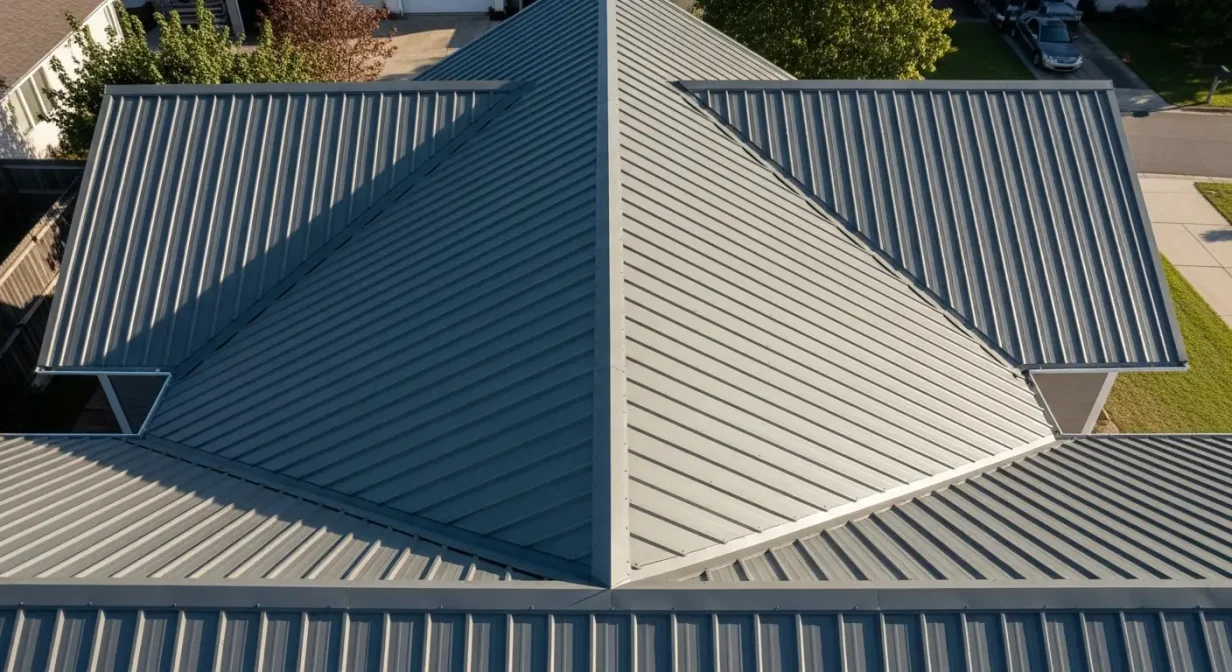
Contractor’s Bottom Line
The minimum pitch for a metal roof depends entirely on the specific panel profile and the sealing method of the fastening system. While some mechanically seamed standing seam panels can be installed on slopes as low as 1/4:12, exposed fastener panels typically require a minimum of 3:12. Verify the manufacturer’s minimum slope requirement before specifying a panel profile to prevent water from being driven backward under the seams.
Key Takeaways
- Metal roofs require a minimum pitch, typically 3:12, to prevent water ponding and leaks, as per NRCA guidelines.
- Signs of improper pitch include water stains, rust, and visible sagging, potentially leading to costly repairs exceeding $5,000 in Dallas.
- Regular inspections are crucial for identifying pitch-related problems early, helping to avoid significant structural damage and potential insurance claim issues.
- Addressing pitch issues promptly ensures compliance with the International Residential Code (IRC) and prevents future damage.
Metal roofs are a popular choice for both residential and commercial buildings due to their durability and longevity. However, a crucial aspect often overlooked is the roof’s pitch, or slope. The pitch directly impacts the roof’s ability to shed water effectively, preventing leaks and potential structural damage. Understanding the minimum pitch requirements for metal roofs is essential for homeowners and contractors alike to ensure long-term performance and compliance with building codes.
In my 8+ years as a construction consultant in Dallas, I have seen firsthand the devastating consequences of improperly pitched metal roofs. Many homeowners do not realize that even a slight deviation from the recommended pitch can lead to significant water damage, especially in a climate like Texas with its heavy rainfall and occasional hail storms. Proper installation and adherence to NRCA guidelines are key to avoiding these problems.
Warning Signs of Improper Metal Roof Pitch
Identifying early warning signs of an improperly pitched metal roof can save you significant money and headaches down the road. One of the most obvious signs is water ponding, where water accumulates on the roof’s surface instead of draining off. This can lead to rust, corrosion, and eventual leaks. Look for water stains on the underside of the roof decking or in the attic, indicating water intrusion.
Another sign is visible sagging or deflection in the metal panels. This often indicates that the roof is not properly supported or that the pitch is too shallow to adequately distribute the weight of snow or water. In Dallas, with the occasional heavy snowfall, this can be a serious concern. Pay close attention to areas around chimneys, vents, and other roof penetrations, as these are common areas for leaks to develop due to improper flashing or pitch issues.
Addressing these problems early can prevent extensive damage and costly repairs, ensuring compliance with the International Code Council (ICC) standards.
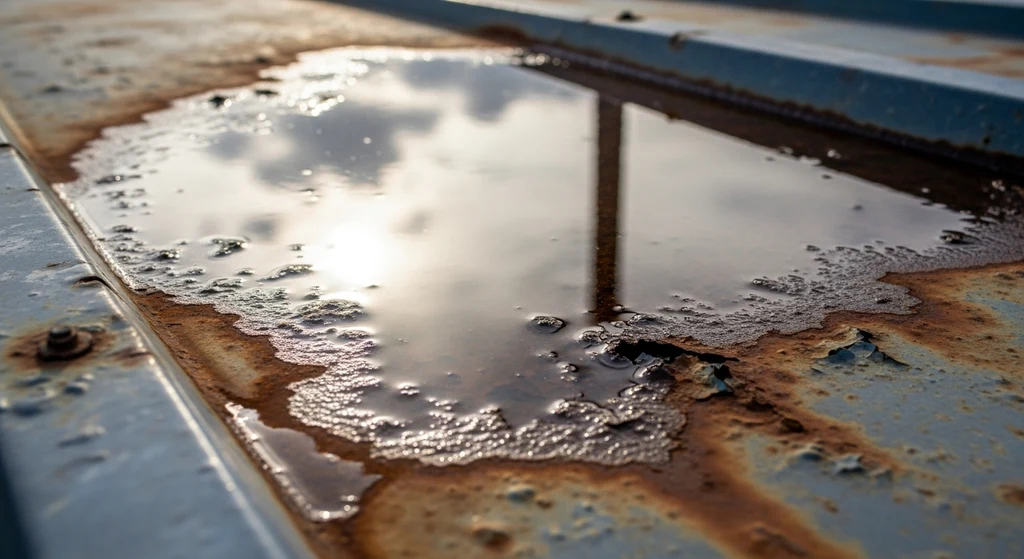
Water Ponding
Typical Cost: $2,000 – $10,000+
Prevention: Ensure proper roof pitch during installation, follow NRCA guidelines
Insurance Coverage: May be covered if caused by a covered peril (e.g., hail) but not typically if due to faulty installation
Code Reference: IRC R905 addresses roof covering requirements
Field Note from Experience
After inspecting dozens of Dallas-area roofs, I found that improper flashing around chimneys combined with insufficient pitch was a common cause of leaks. This often resulted in water damage to the attic and interior ceilings, costing homeowners thousands of dollars in repairs.
How to Inspect Your Metal Roof for Pitch Issues
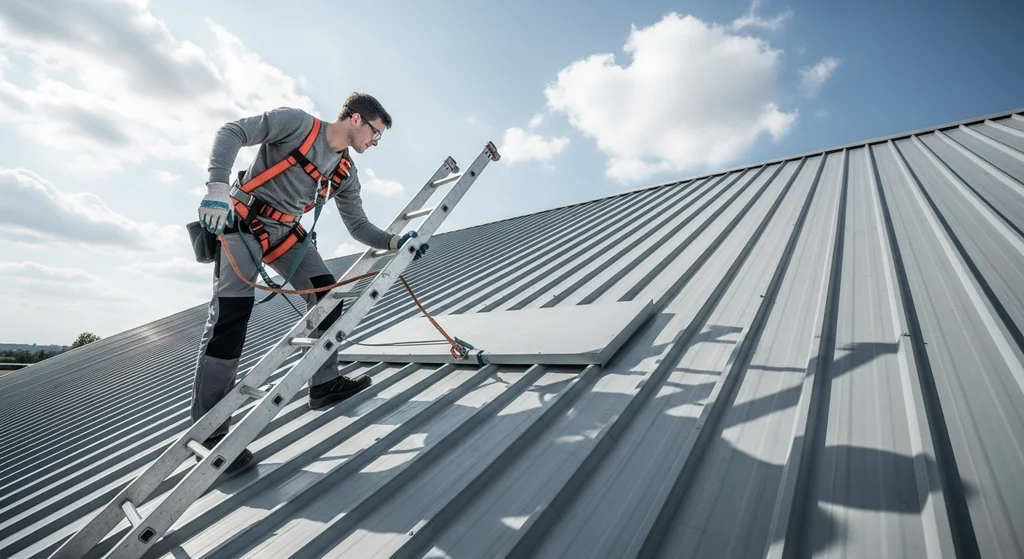
Regular inspections are crucial for detecting potential pitch-related problems before they escalate. Start by visually inspecting the roof from the ground, looking for any signs of sagging, water ponding, or rust. Use binoculars for a closer look. If you are comfortable and have the appropriate safety equipment, carefully inspect the roof surface.
Pay close attention to the seams and fasteners, as these are common points of failure. Check the attic for water stains or signs of moisture intrusion. A musty smell can also indicate mold growth, which is a sign of prolonged water exposure. If you suspect a problem, consult with a qualified roofing contractor who can perform a more thorough inspection and provide recommendations for repair.
Remember safety first, especially when working at heights. Always adhere to OSHA safety guidelines. Professional contractors are familiar with local Texas requirements and can identify areas of concern.
Field Note from Experience
Working on Texas roofing projects, I have noticed that many homeowners neglect to inspect their roofs regularly, leading to small problems becoming major, expensive repairs. A simple annual inspection can save thousands in the long run.
Assessing the Severity of Pitch-Related Damage
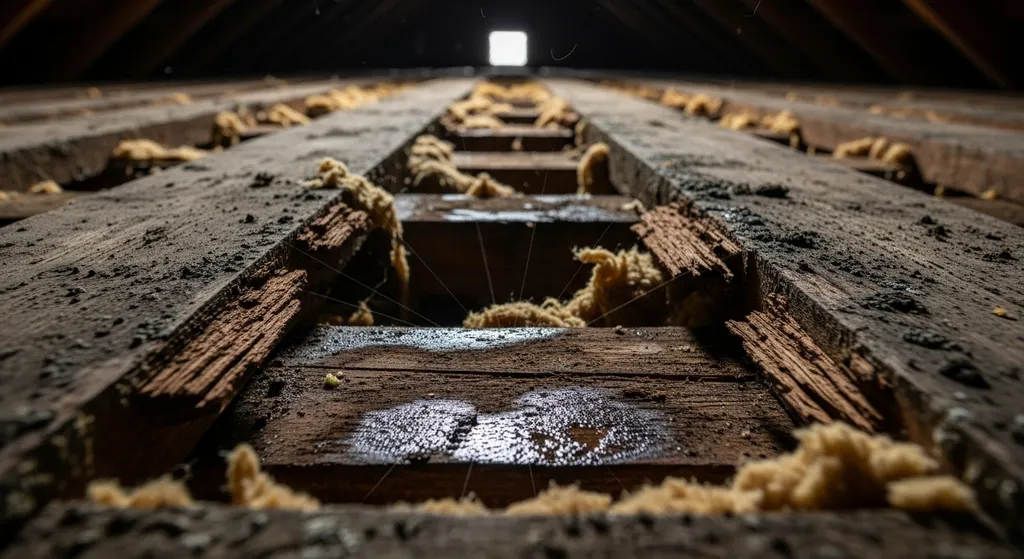
Once you’ve identified potential pitch issues, it’s essential to assess the severity of the damage to determine the appropriate course of action. Minor water ponding may only require localized repairs, such as adjusting the pitch slightly or improving drainage. However, significant sagging or widespread rust indicates more serious structural problems. Look for signs of rot or decay in the roof decking, which can compromise the roof’s integrity.
If you find evidence of significant water damage, consult with a structural engineer to evaluate the roof’s load-bearing capacity. In some cases, the entire roof may need to be replaced. Addressing these issues promptly is crucial for preventing further damage and ensuring the safety of your home. Ignoring the problem can lead to catastrophic failure, potentially resulting in tens of thousands of dollars in damage and posing a safety hazard.
Remember, FEMA offers resources for disaster preparedness and mitigation.
Field Note from Experience
In my experience, many Dallas homeowners underestimate the long-term consequences of neglecting minor roof repairs. A small leak today can lead to significant structural damage in a few years, potentially costing them their entire investment.
External Authoritative Resources
These industry-standard references support the information in this guide:
Building Codes
Frequently Asked Questions
What is the minimum acceptable pitch for a metal roof?
The minimum acceptable pitch for a metal roof is generally 3:12, meaning 3 inches of rise for every 12 inches of horizontal distance, as recommended by the NRCA. Some metal roofing systems can be installed on lower slopes with proper underlayment and sealing. Always consult with a qualified roofing contractor and check local building codes, as requirements can vary. The International Residential Code (IRC) provides guidelines, but local amendments may apply in Dallas.
What happens if my metal roof doesn’t have the correct pitch?
If your metal roof doesn’t have the correct pitch, it can lead to water ponding, leaks, rust, and structural damage. Water that doesn’t drain properly can seep into the seams and fasteners, causing corrosion and eventual failure. This can also lead to mold growth and damage to the roof decking and interior of your home. In Dallas-Fort Worth, extreme heat cycles can exacerbate these problems.
How can I correct an improperly pitched metal roof?
Correcting an improperly pitched metal roof can involve several options, depending on the severity of the problem. In some cases, you may be able to add additional framing to increase the pitch. Alternatively, you may need to replace the entire roof with a properly pitched system. Consult with a qualified roofing contractor to determine the best solution for your situation.
Ensure the contractor is licensed by the Texas Department of Licensing and Regulation (TDLR).
Are there any metal roofing systems that can be installed on low-slope roofs?
Yes, some metal roofing systems are specifically designed for low-slope roofs. These systems typically feature interlocking panels and advanced sealing technologies to prevent water intrusion. However, it’s crucial to choose a system that is appropriate for your climate and local building codes. Always consult with a qualified roofing contractor to ensure proper installation and performance.
These systems must meet stringent ASTM standards for water tightness.
Will my insurance cover damage caused by an improperly pitched metal roof?
Whether your insurance will cover damage caused by an improperly pitched metal roof depends on the specific circumstances and your insurance policy. If the improper pitch was due to faulty installation or neglect, your insurance may not cover the damage. However, if the damage was caused by a covered peril, such as hail or wind, your insurance may provide coverage. Review your policy carefully and consult with your insurance agent to understand your coverage options.
Document everything thoroughly for your claim.
What are the typical costs associated with repairing or replacing a metal roof due to pitch issues in Dallas?
The costs associated with repairing or replacing a metal roof due to pitch issues in Dallas can vary widely depending on the extent of the damage and the type of metal roofing system. Minor repairs, such as adjusting the pitch or sealing leaks, may cost a few hundred dollars. However, a complete roof replacement can cost several thousand dollars. In Dallas, expect to pay $5-$12 per square foot for metal roof installation.
Always get multiple quotes from reputable contractors and ensure they are licensed and insured.
Final Thoughts
Ensuring the correct pitch for your metal roof is essential for preventing water damage and maintaining its longevity. Regular inspections and prompt repairs can save you significant money and headaches in the long run. Don’t underestimate the importance of proper installation and adherence to building codes. As a final field note, remember that a cheap installation can often lead to expensive problems down the road.
Invest in quality materials and a reputable contractor to ensure your metal roof provides years of reliable protection. Contact a licensed Dallas roofing contractor today for an inspection and consultation.
