
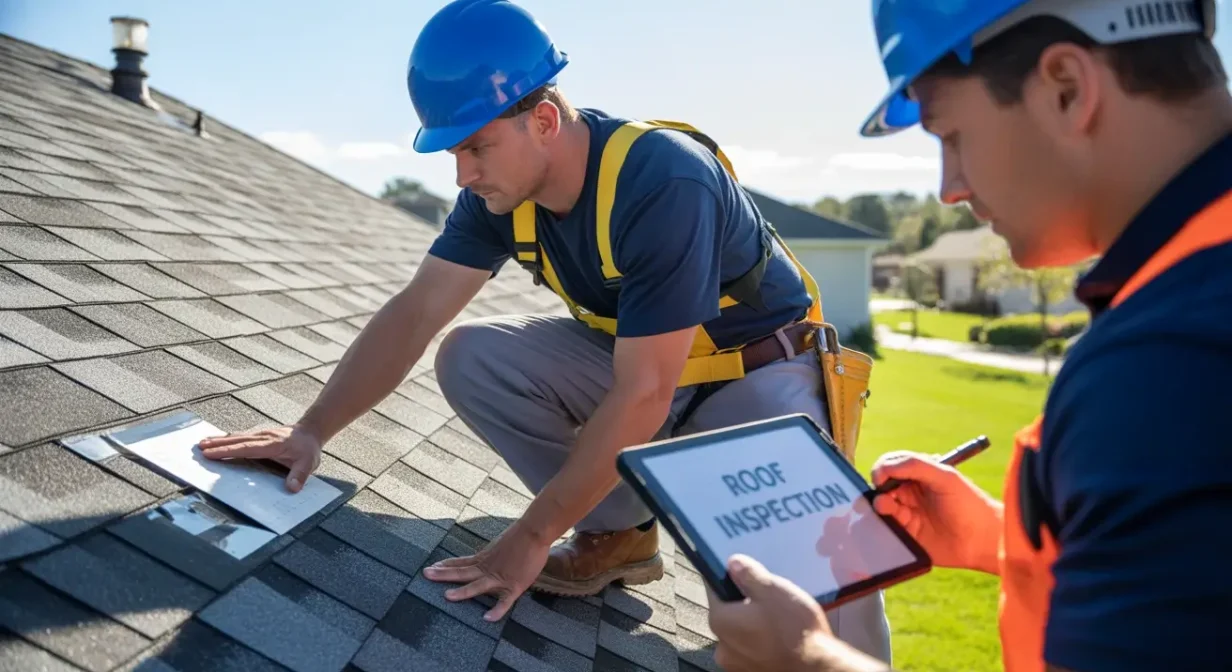
A roof inspection protects your home from costly damage. Most homeowners ignore their roof until problems appear. Smart property owners schedule regular inspections to catch issues early. This guide shows you exactly what to look for and when to call professionals.
What Is a Roof Inspection?
A roof inspection examines your roof’s condition inside and outside your home. Professional inspectors check shingles, flashing, gutters, and structural components. They look for damage that could lead to leaks or safety problems. The inspection covers both visible and hidden areas of your roofing system.
Most inspections take 45 minutes to 2 hours depending on roof size. Inspectors use ladders, drones, or binoculars to examine hard-to-reach areas. They document problems with photos and provide detailed reports. This process helps you understand your roof’s current condition and future needs.
Why Roof Inspections Matter
Regular roof inspections save money by catching small problems before they become expensive repairs. A missing shingle costs $50 to fix, but water damage from that missing shingle can cost thousands. Insurance companies may deny claims if you haven’t maintained your roof properly. Inspections provide documentation that you’ve taken proper care of your home.
Home buyers and sellers benefit from recent inspection reports. Buyers know what they’re purchasing, and sellers can address issues before listing. Real estate transactions move faster when roof conditions are clearly documented. Mortgage lenders often require inspections before approving loans.
Severe weather events make inspections even more important. Hail, high winds, and storms can cause hidden damage that worsens over time. Early detection prevents small issues from becoming major structural problems. Professional inspections often reveal damage that homeowners miss during casual observations.
When to Schedule Roof Inspections
|
Inspection Timing |
Frequency |
Best For |
|---|---|---|
|
Annual Maintenance |
Once per year |
All homes over 10 years old |
|
Seasonal Check |
Twice per year (spring/fall) |
Extreme weather climates |
|
Post-Storm |
Within 72 hours |
After hail, high winds, or severe weather |
|
Pre-Sale |
Before listing |
Home sellers preparing to market |
|
Pre-Purchase |
Before closing |
Home buyers and lenders |
The National Roofing Contractors Association recommends annual inspections for most homes. The National Roofing Contractors Association (NRCA) recommends scheduling a professional roof inspection once a year. Homes in severe weather zones need inspections twice yearly. Schedule spring inspections to assess winter damage and fall inspections to prepare for harsh weather.
Age affects inspection frequency significantly. New roofs need inspections every 3-5 years unless problems appear. For homes that are older (over 30 years), roof inspections are recommended frequently. Roofs over 15 years old benefit from annual inspections. Roofs approaching 20-25 years need professional evaluation to plan for replacement.
Storm damage requires immediate attention. After severe weather events, especially if there was hail, high winds, schedule inspections within 72 hours. Insurance companies have strict deadlines for filing storm damage claims. Document damage quickly to protect your coverage rights.
Professional vs DIY Roof Inspections
DIY Roof Inspections
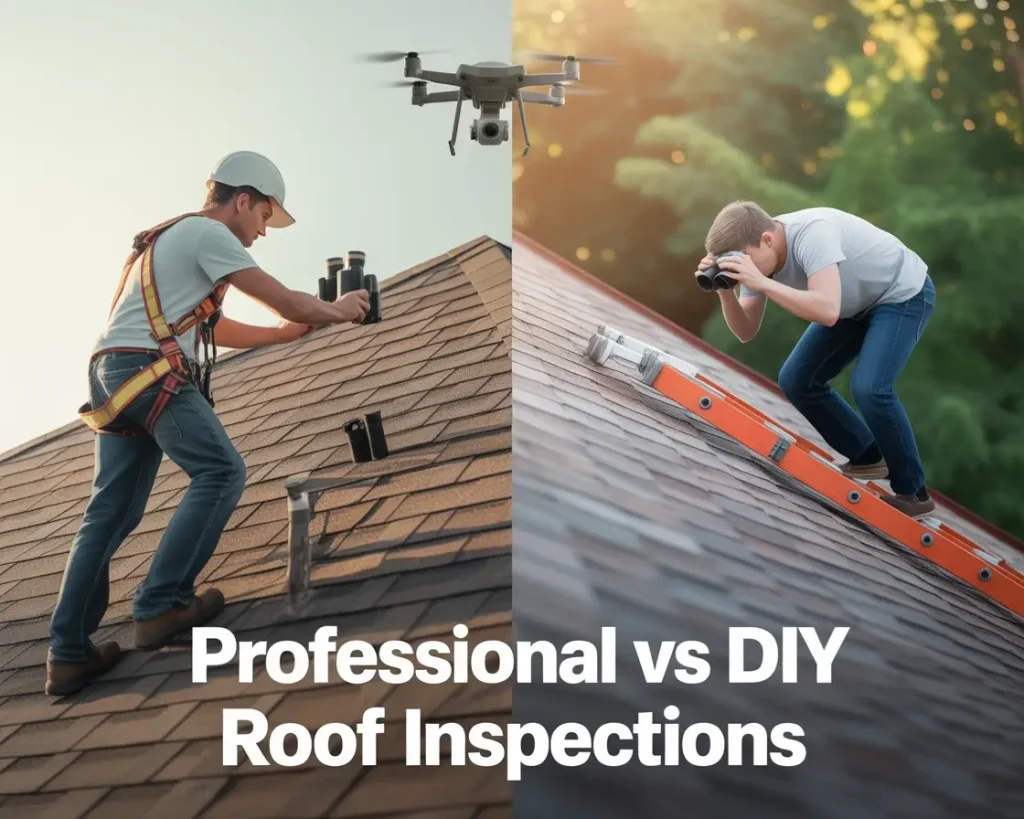
Professional inspections provide comprehensive evaluations that DIY checks cannot match. Licensed inspectors know building codes, safety protocols, and insurance requirements. They carry proper equipment including ladders, moisture meters, and thermal imaging cameras. Professional reports satisfy insurance companies and mortgage lenders.
DIY inspections help you monitor your roof between professional visits. You can do a thorough inspection from the ground using a pair of binoculars. Experts recommend that homeowners check the roof from the ground only. Ground-level inspections are safer and still reveal obvious problems. Use binoculars to examine shingles, gutters, and flashing from your yard.
Safety considerations make professional inspections worth the cost. Roofing accidents cause serious injuries and deaths every year. Professional inspectors have training, insurance, and proper safety equipment. They know how to work safely on steep or damaged roofs. The cost of professional inspection is small compared to medical bills from accidents.
Roof Inspection Costs
|
Inspection Type |
Cost Range |
What’s Included |
|---|---|---|
|
Basic Visual |
$75 – $150 |
Ground-level inspection, basic report |
|
Standard Professional |
$150 – $400 |
Full exterior/interior, detailed report |
|
Comprehensive with Drone |
$300 – $600 |
Thermal imaging, drone footage, detailed analysis |
|
Insurance/Certification |
$400 – $800 |
Official documentation for claims/sales |
For a standard roof inspection, you can generally expect to pay between $100 and $400. Most homeowners pay $200-300 for professional inspections. Standard roof inspections cost between $125 and $358. Prices vary by region, roof size, and inspection complexity.
Several factors affect inspection costs beyond basic pricing. Roof height, steepness, and accessibility impact inspector time and safety requirements. Complex roof designs with multiple levels cost more to inspect thoroughly. The size of your roof, measured in roofing squares, directly affects inspection time and cost.
Emergency inspections after storms cost 25-50% more than routine inspections. Inspectors charge premium rates for urgent calls and weekend work. However, prompt inspection often saves money by documenting damage before it worsens. Hail damage roof repair requires immediate professional assessment to prevent further deterioration.
Complete Roof Inspection Checklist
Exterior Inspection Points
Shingle Assessment
Flashing and Sealing
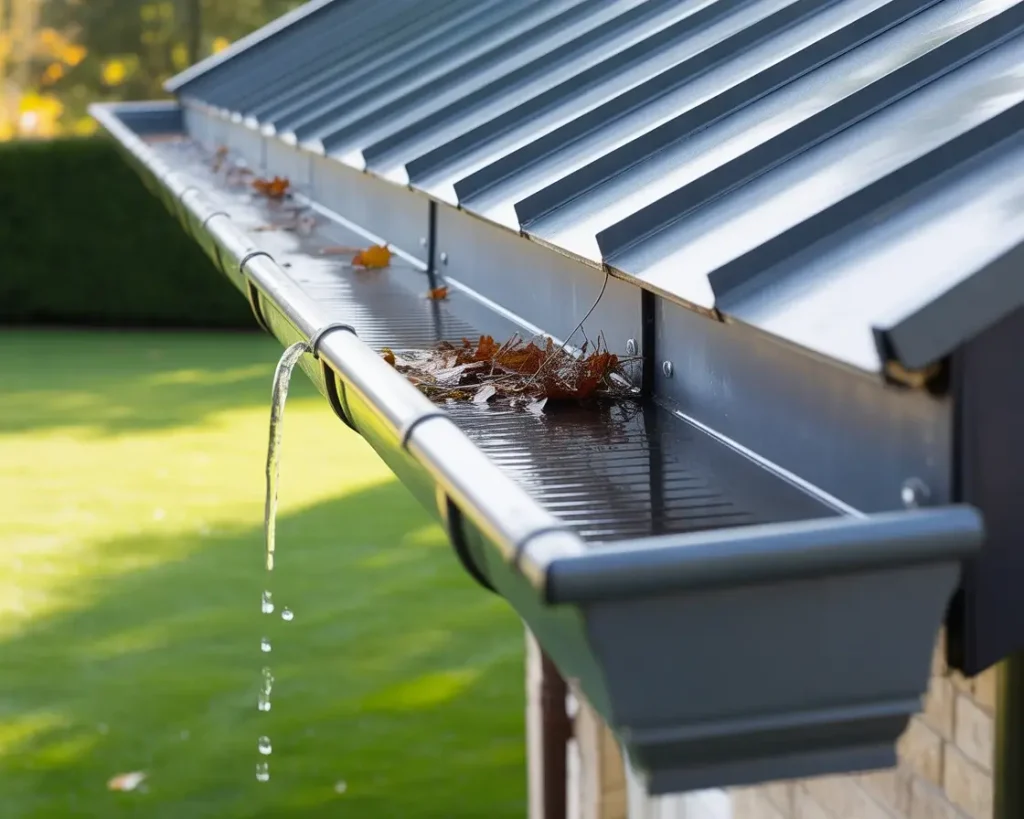
Gutters and Drainage
Structural Elements
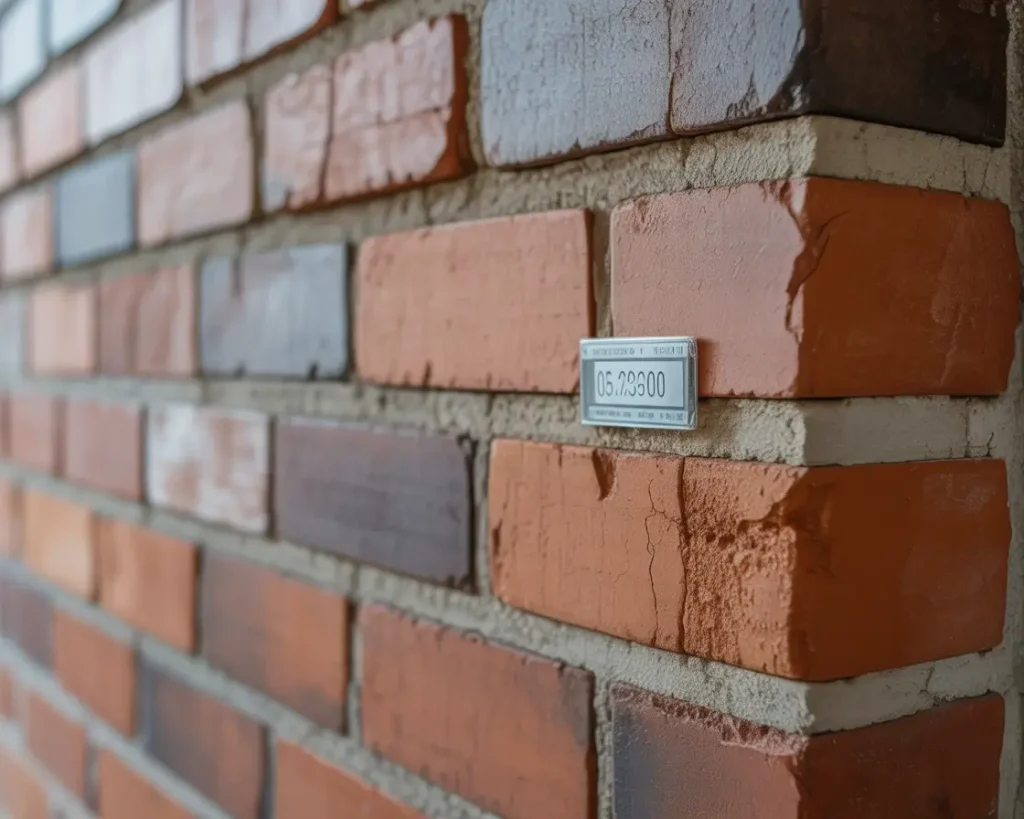
Check for proper ice and water shield installation in vulnerable areas. Look for signs that indicate your roof decking may need replacement such as sagging or visible deterioration.
Interior Inspection Areas
|
Area |
What to Check |
Warning Signs |
|---|---|---|
|
Attic Space |
Roof decking, insulation, ventilation |
Sagging, moisture, mold growth |
|
Ceilings |
Water stains, discoloration |
Brown spots, bubbling paint |
|
Walls |
Moisture damage near roofline |
Peeling wallpaper, soft drywall |
|
Ventilation |
Intake/exhaust balance |
Condensation, temperature extremes |
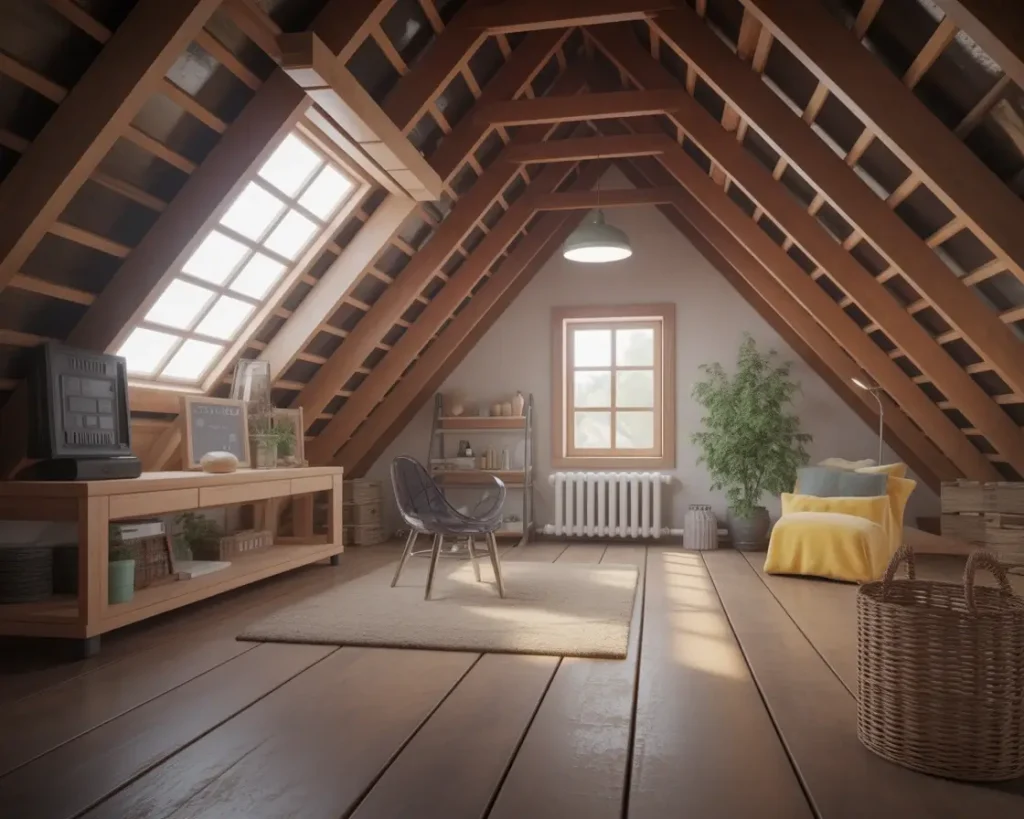
Attic Inspection Details
Pay special attention to roof sheathing condition and roof deck construction integrity. Look for any leaks in roof decking that could compromise structural stability.
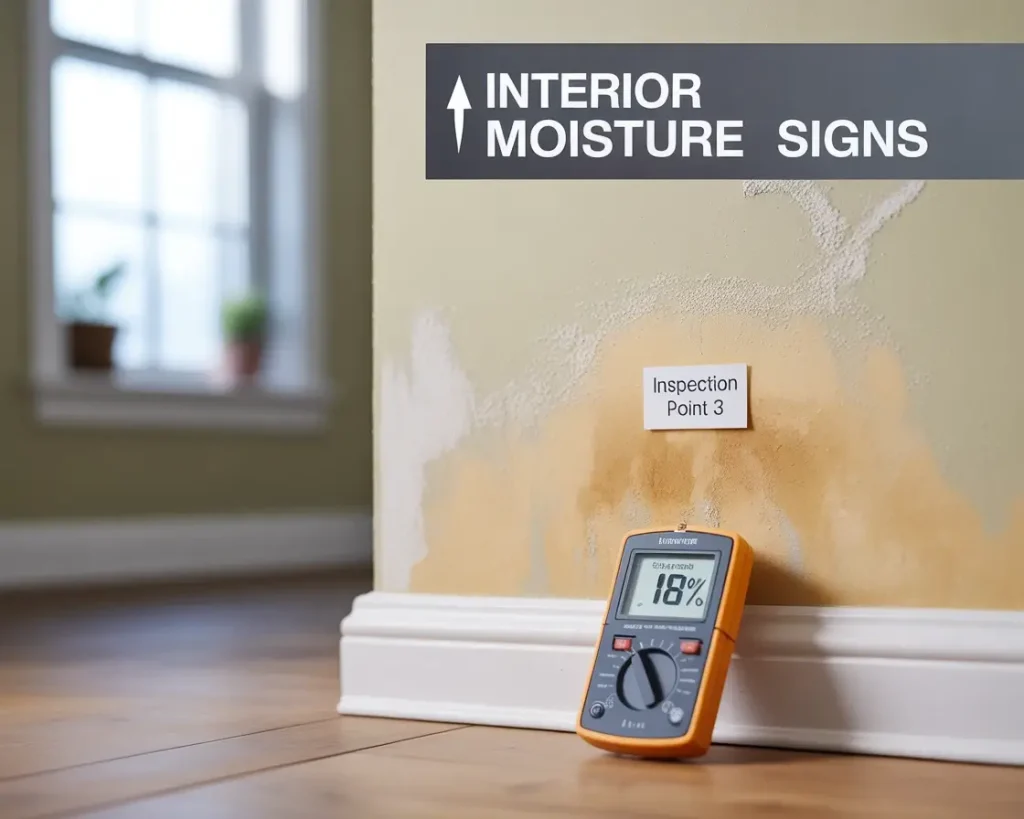
Interior Moisture Signs
Common Roof Problems to Watch For
Weather-Related Damage Storm damage appears in many forms beyond obvious missing shingles. Hail creates small dents that compromise shingle integrity over time. High winds lift shingle edges allowing water penetration. Heavy snow loads can cause structural stress invisible from ground level. Consider waterproof deck roofing solutions if your inspection reveals persistent moisture issues.
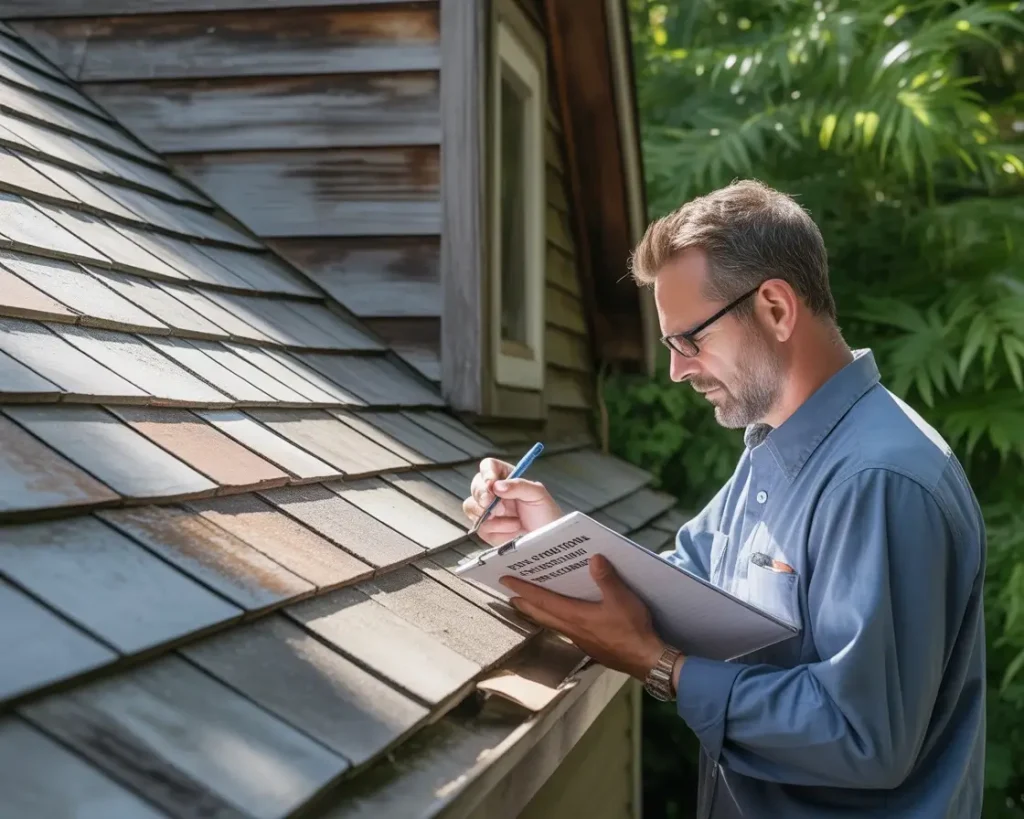
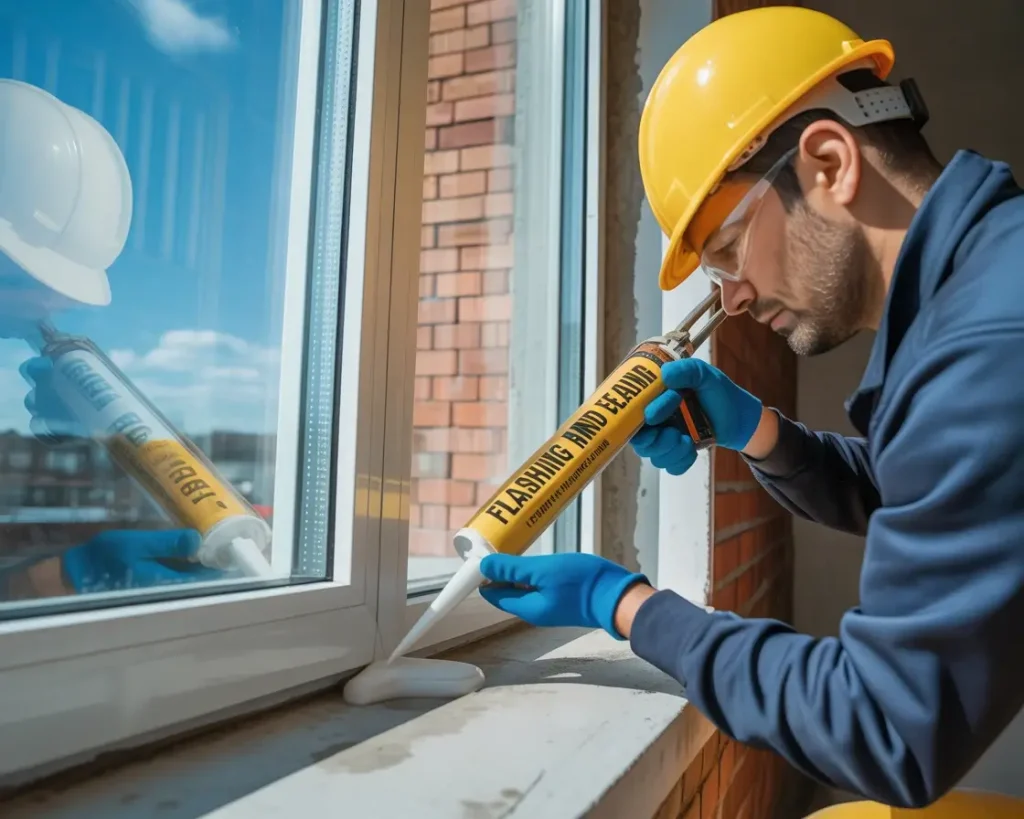
Age-Related Deterioration Older roofs show wear patterns that predict future problems. Granule loss accelerates as asphalt shingles age past 15-20 years. Flashing develops rust or pulls away from sealed joints. Roof cement cracks and shrinks creating gaps around penetrations. Black algae growth becomes more common on aging roofs in humid climates.
Installation Issues Poor installation creates problems that appear years later. Improper nailing patterns allow shingles to blow off easily. Inadequate flashing installation leads to persistent leaks. Missing or insufficient ventilation causes premature aging and ice dam formation. Issues with roof deck attachment can compromise the entire roofing system’s integrity.
Environmental Factors Trees, animals, and weather create ongoing maintenance challenges. Overhanging branches scrape shingles and deposit debris. Moss and algae growth holds moisture against roofing materials. Small animals can damage vents, flashing, and gutters while seeking shelter.
How to Choose a Roof Inspector
Professional qualifications matter when selecting roof inspectors. Look for state licensing, insurance coverage, and industry certifications. Reputable inspectors carry general liability insurance and workers compensation coverage. Ask for references from recent customers and check Better Business Bureau ratings.
Experience with your roof type provides better inspection value. Tile roof inspectors understand different problems than asphalt shingle specialists. Metal roof decking expertise differs from flat roof knowledge. Some inspectors specialize in modern materials like TPO roofing or rubber roofing for flat roofs. Match inspector background to your specific roofing materials and design.
Written reports separate quality inspectors from basic services. Comprehensive reports include photos, problem descriptions, and repair recommendations. Good inspectors explain findings in language homeowners understand. They provide cost estimates for recommended repairs and timeline urgency.
DIY Safety Guidelines
Ground-level inspections provide valuable information without safety risks. Use quality binoculars to examine roof surfaces from your yard. Look for obvious problems like missing shingles, damaged flashing, or clogged gutters. Document problems with photos for professional follow-up.
Ladder safety requires proper equipment and technique knowledge. Ensure the ladder is secure and in good condition before climbing. Wear appropriate safety gear including helmet, gloves, and non-slip boots. Never inspect roofs alone, and avoid wet or windy conditions completely.
Know your limitations and call professionals for detailed work. Steep roofs, damaged areas, and complex problems need expert evaluation. If you can safely inspect the interior of your roof, use a flashlight and note any areas that might be a problem. Professional inspections are ideal for homeowners who want quality results.
What Happens After Inspection
Professional inspection reports guide your next steps based on findings. Minor issues like loose shingles or small flashing gaps need prompt attention. Major problems like structural damage or extensive leaks require immediate professional repair. Understanding what roof replacement includes helps you budget for major repairs when needed. Use report timelines to prioritize repairs by urgency and cost.
Insurance claims need proper documentation from qualified inspectors. Professional reports provide evidence insurance companies require for storm damage claims. Some homeowners explore financing options for new roofs when inspection reveals extensive damage. Work with your inspector to understand insurance and lending requirements.
Maintenance planning helps extend roof life and prevent future problems. Schedule annual inspections to monitor previously identified issues. Plan major repairs during favorable weather seasons. Consider roof deck protection upgrades when replacing damaged sections. Budget for roof replacement based on age and inspection findings, and research the best roof decking materials for your climate.
Seasonal Inspection Tips
Spring Inspections Winter weather creates specific damage patterns requiring spring evaluation. Ice dams leave evidence of ventilation problems or heat loss. Snow loads may cause structural stress not visible until warmer weather. Check for loose shingles, damaged gutters, and flashing problems from winter storms.
Fall Preparations
Pre-winter inspections prevent cold weather problems before they start. Clean gutters and downspouts to prevent ice dam formation. Trim overhanging branches that could fall during winter storms. Seal minor gaps and repair loose shingles before harsh weather arrives.
Post-Storm Assessments Immediate post-storm inspection documents damage for insurance purposes. Look for missing shingles, dented gutters, and damaged flashing from your ground position. Schedule professional inspection within 72 hours of severe weather events. Document everything with photos and notes for insurance claims.
Technology in Modern Roof Inspections
Drone inspections provide detailed roof documentation without safety risks. High-resolution cameras capture problem areas impossible to see from ground level. Thermal imaging reveals hidden moisture problems and insulation gaps. GPS mapping creates precise problem location documentation for repair crews.
Digital reporting improves communication between inspectors and homeowners. Cloud-based reports provide instant access from any device. Photo documentation shows exact problem locations and severity. Video explanations help homeowners understand complex issues and repair priorities.
Advanced diagnostic tools detect problems before visible damage appears. Moisture meters identify wet areas behind seemingly dry surfaces. Infrared cameras reveal temperature differences indicating insulation or ventilation problems. Electronic leak detection pinpoints water entry points for targeted repairs.
Conclusion
Regular roof inspections protect your biggest investment through early problem detection. Professional inspections cost $150-400 but prevent thousands in damage repair costs. Schedule annual inspections for roofs over 10 years old and immediate post-storm evaluations. Use this checklist to perform safe ground-level monitoring between professional visits.
Don’t wait for visible problems to schedule your next roof inspection. Contact licensed professionals in your area for comprehensive evaluation. Proper maintenance and regular inspection extend roof life and maintain home value. Your roof protects everything inside your home, so give it the attention it deserves.
Expert Tip: “The best time to inspect your roof is before you need to. Regular maintenance catches small problems before they become expensive disasters.” – National Roofing Contractors Association
