
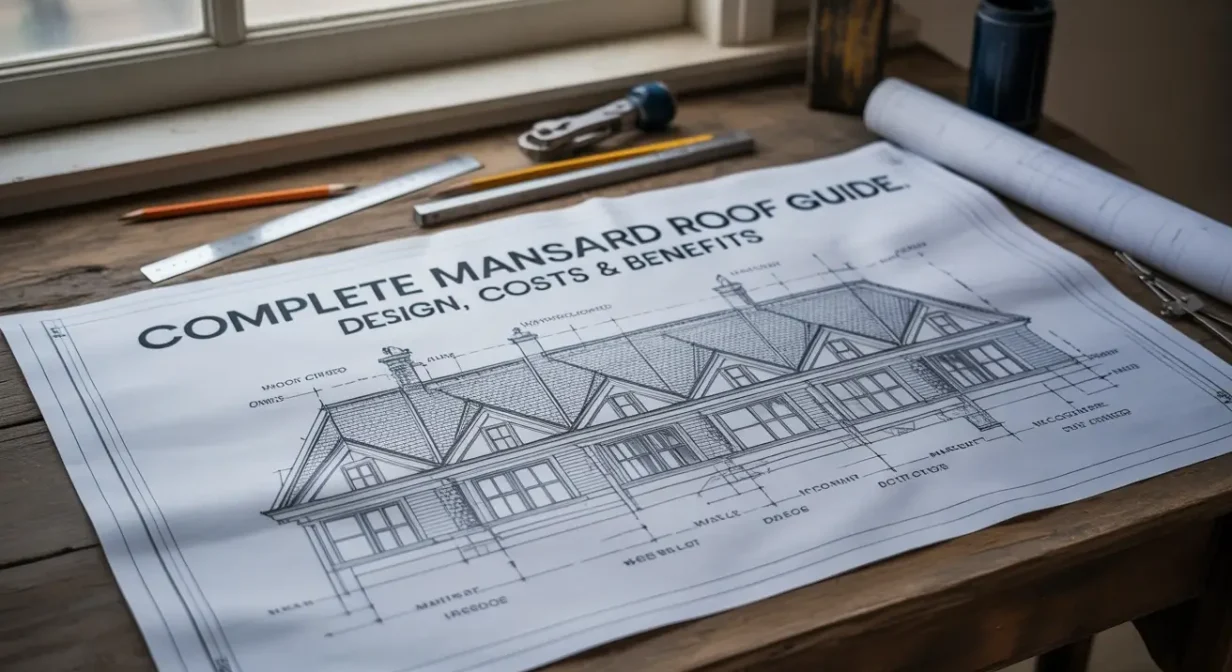
A mansard roof transforms any building into an architectural masterpiece. This distinctive French-style roof features steep sides and a flatter top section. Homeowners choose mansard roofs for their unique appearance and extra living space. The design dates back to 16th century France but remains popular today. Many homeowners explore financing options for a new roof when considering this premium roofing style.
What Is a Mansard Roof?
A mansard roof has four sides with two different slopes on each side. The lower slope stays almost vertical while the upper slope remains nearly flat. This design creates additional floor space without increasing the building’s overall height. The steep lower sections often feature dormer windows for natural light.
The roof gets its name from French architect François Mansart. He popularized this style during the 17th century in France. People also call it a French roof or curb roof. The design allows builders to add extra floors while staying within height restrictions.
Modern mansard roofs appear on homes, hotels, and commercial buildings. Fast-food restaurants like McDonald’s used this style extensively in the 1970s. The roof creates a distinctive silhouette that stands out in any neighborhood.
Types of Mansard Roofs
Straight Mansard Roof
The straight mansard roof features clean, vertical lines on the lower slope. This classic design offers the most usable interior space. The straight sides create rectangular rooms with standard ceiling heights. Most homeowners prefer this style for residential applications.
Installation costs stay lower with straight designs. The simple geometry requires fewer custom materials. Contractors find straight mansard roofs easier to waterproof and maintain. Understanding what roof replacement includes helps homeowners budget for these projects.
Convex Mansard Roof
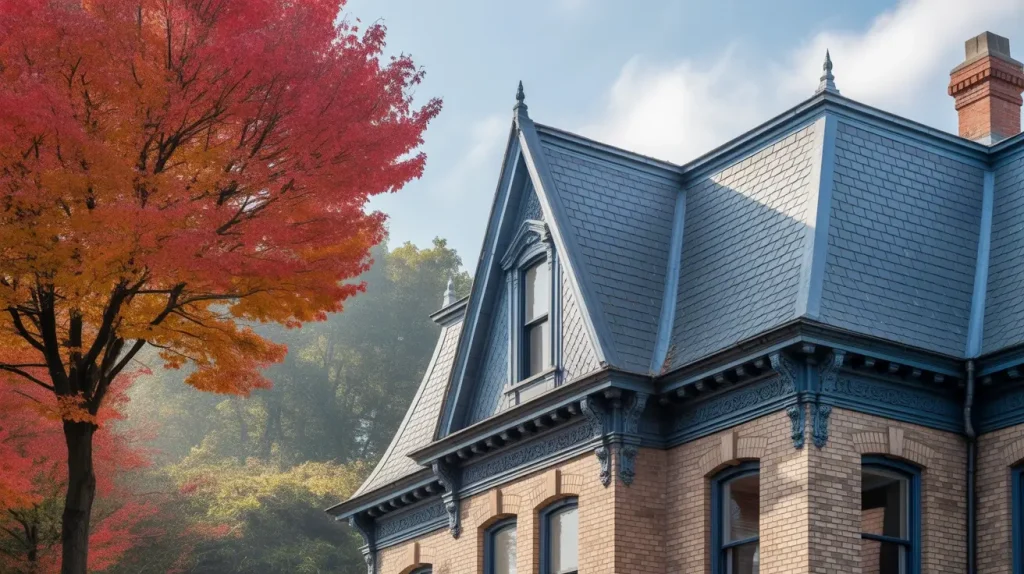
Convex mansard roofs curve outward like a bell shape. This elegant design softens the building’s appearance. The curved lower slope creates a more graceful transition to the flat top. Victorian-era buildings often feature convex mansard roofs.
The curved design requires specialized materials and skilled craftsmen. Installation costs increase due to complex cutting and fitting requirements. Interior space becomes slightly reduced due to the curved walls.
Concave Mansard Roof
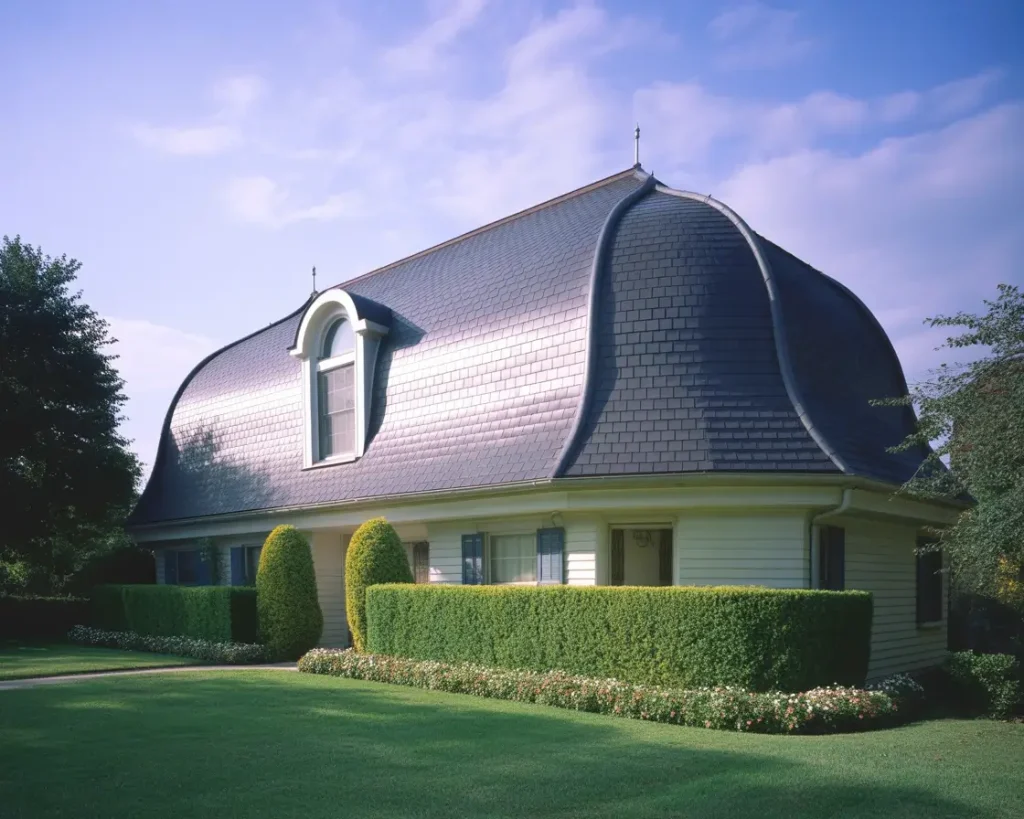
Concave mansard roofs curve inward toward the building. This style creates a unique architectural statement. The inward curve makes buildings appear taller and more dramatic. Modern architects use concave designs for contemporary homes.
Drainage becomes more challenging with concave shapes. Water tends to collect in the curved areas without proper planning. Professional installation becomes essential for long-term performance.
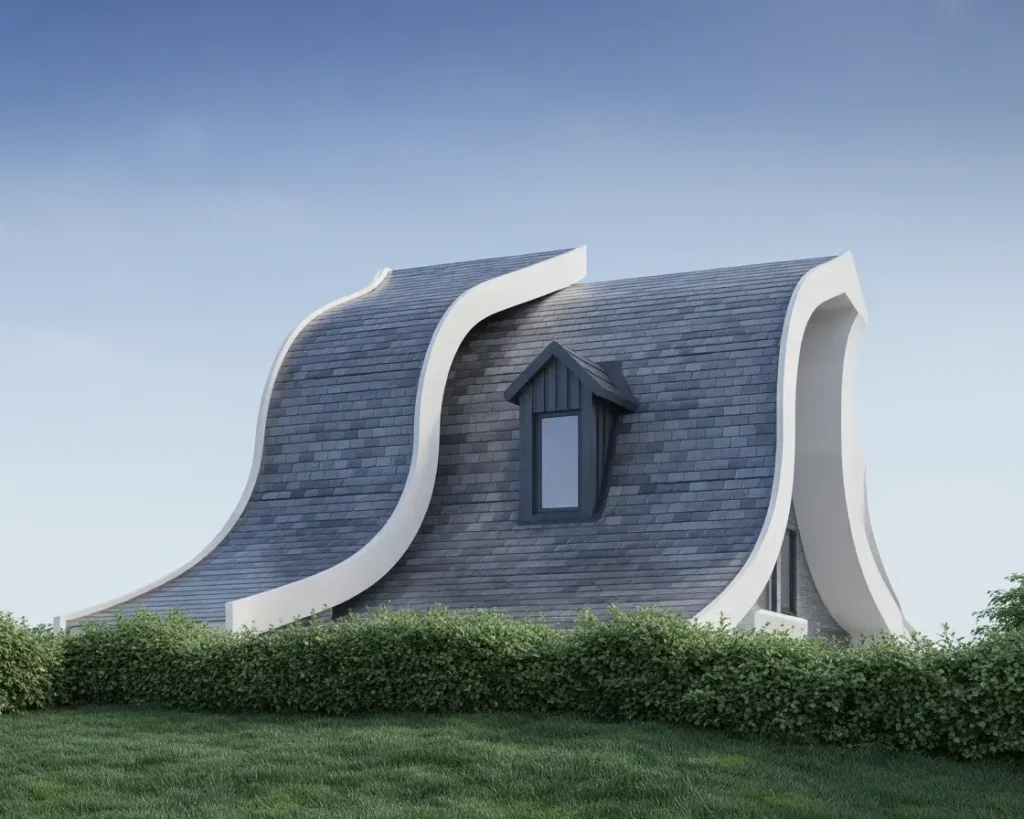
S-Shape Mansard Roof
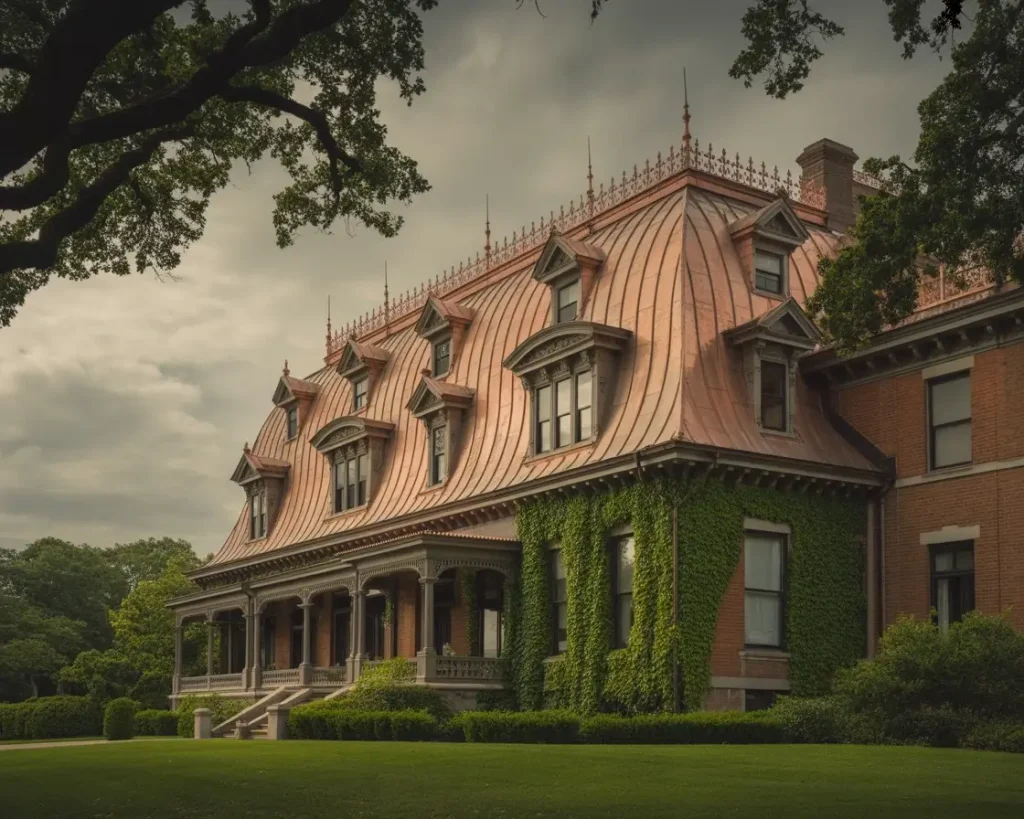
S-shape mansard roofs combine convex and concave curves. The design starts with an inward curve at the top. The curve then transitions to an outward curve at the bottom. This complex shape creates stunning visual appeal.
S-shape roofs require master craftsmen for proper installation. Material costs increase significantly due to custom fabrication needs. The unique design makes replacement parts more expensive and harder to find.
Mansard Roof Materials Comparison
|
Material |
Durability |
Cost Range |
Weight |
Best Roof Type |
|---|---|---|---|---|
|
Synthetic Slate |
50+ years |
$8-15/sq ft |
Light |
All mansard types |
|
Cedar Shake |
25-30 years |
$6-12/sq ft |
Medium |
Straight, convex |
|
Asphalt Shingles |
15-25 years |
$3-7/sq ft |
Heavy |
Straight only |
|
Metal Roofing |
40-70 years |
$7-14/sq ft |
Light |
All mansard types |
|
Natural Slate |
75-100 years |
$12-20/sq ft |
Very Heavy |
Straight, with reinforcement |
Synthetic Slate Shingles
Synthetic slate offers the perfect balance for mansard roofs. These lightweight shingles prevent sliding issues on steep slopes. They resist weather damage better than natural materials. Installation becomes easier due to reduced weight requirements.
Synthetic slate comes in multiple colors and textures. Manufacturers design these shingles to mimic natural slate perfectly. The material resists UV damage and temperature changes. Most synthetic slate products include 50-year warranties.
Cedar Shake Shingles
Cedar shake provides natural beauty for mansard roofs. The wood material stays lighter than asphalt shingles. Cedar naturally resists insects and moisture damage. The material ages to an attractive silver-gray color.
Proper installation requires experienced contractors familiar with wood roofing. Cedar shake needs regular maintenance including cleaning and treatments. Fire-retardant treatments may be required in some areas.
Metal Roofing Systems
Metal roofing excels on mansard roof applications. The lightweight material prevents structural stress on steep slopes. Metal panels install quickly compared to individual shingles. The smooth surface sheds water and snow effectively.
Modern metal roofing comes in numerous colors and profiles. Standing seam metal works best for mansard applications. The material expands and contracts with temperature changes. Proper installation includes thermal movement considerations.
Mansard Roof Cost Analysis
|
Project Component |
Cost Range |
Percentage of Total |
|---|---|---|
|
Labor |
$8,000-$15,000 |
45-50% |
|
Materials (Steep Section) |
$6,000-$12,000 |
30-35% |
|
Membrane (Flat Section) |
$2,000-$4,000 |
10-15% |
|
Permits & Inspection |
$500-$1,500 |
2-5% |
|
Total Project Cost |
$16,500-$32,500 |
100% |
Labor Costs Breakdown
Mansard roof labor costs exceed standard roof replacements significantly. Workers cannot walk on steep mansard slopes safely. All work requires ladders and specialized safety equipment. Installation time increases by 40-60% compared to regular roofs.
Skilled craftsmen command higher wages for mansard work. Few contractors have extensive mansard roof experience. The complex geometry requires precision cutting and fitting. Quality installation prevents expensive future repairs.
Material Cost Factors
Premium materials cost more but perform better on mansard roofs. Cheap asphalt shingles often slide off steep slopes. The investment in quality materials pays long-term dividends. Warranty coverage becomes crucial for expensive mansard projects. When calculating costs, contractors measure materials by roofing squares to determine total project expenses.
Custom fabrication increases material costs significantly. Curved mansard roofs require specially cut materials. Standard materials may not fit complex roof geometries. Custom orders take longer and cost more than stock materials.
Membrane Roofing Costs
The flat top section requires waterproof membrane systems. EPDM rubber membranes cost $3-5 per square foot installed. TPO membranes range from $4-7 per square foot. PVC membranes cost $5-8 per square foot installed. These residential flat roof systems work perfectly for mansard applications.
Professional membrane installation prevents water damage issues. The membrane must integrate properly with the steep sections. Flashing details become critical at transition points. Quality membrane work prevents expensive interior damage. Proper waterproof deck roof installation ensures long-term performance.
Maintenance Requirements for Mansard Roofs
Regular maintenance keeps mansard roofs performing properly for decades. The steep slopes require special safety equipment for inspections. Professional maintenance contracts often make financial sense. Early problem detection prevents expensive structural damage. Proper roof sheathing installation during construction ensures structural integrity.
Annual inspections should focus on flashing details and transitions. The junction between steep and flat sections needs careful attention. Membrane sections require different maintenance than shingled areas. Gutter systems handle more water volume than standard roofs. Installing ice and water shield protection prevents winter damage in cold climates.
Seasonal Maintenance Tasks
|
Season |
Maintenance Tasks |
Frequency |
|---|---|---|
|
Spring |
Clean gutters, inspect flashing, check membrane |
Annual |
|
Summer |
Inspect shingles, trim vegetation, check vents |
Annual |
|
Fall |
Clean gutters again, remove debris, inspect caulking |
Annual |
|
Winter |
Remove ice dams, check for leaks, monitor snow load |
As needed |
Snow removal becomes critical on mansard roofs. The steep sections shed snow onto the flat top area. Excessive snow load can damage the membrane system. Professional snow removal prevents structural damage. Severe weather may cause hail damage requiring roof repair services.
Ice dams form where steep sections meet flat areas. Proper insulation and ventilation prevent ice dam formation. Heat cables may be necessary in severe climate zones. Professional assessment determines the best ice prevention strategy. Regular cleaning prevents black algae growth on roofs that can damage materials over time.
Finding Qualified Mansard Roof Contractors
Selecting the right contractor makes the difference between success and failure. Ask potential contractors about their mansard roof experience specifically. Request photos of completed mansard projects. Contact previous mansard roof customers for references.
Verify the contractor carries appropriate insurance coverage. Mansard roof work involves significant safety risks. Workers’ compensation insurance protects homeowners from liability. General liability insurance covers property damage during installation.
Essential Contractor Qualifications
Licensed contractors understand local building codes and requirements. Bonded contractors provide financial protection for project completion. Manufacturer certifications indicate training on specific roofing systems. Industry association memberships show professional commitment.
Written estimates should detail all materials and labor costs. Avoid contractors who request large upfront payments. Reputable contractors typically request 10-20% down payment. Final payment comes after completion and customer satisfaction.
Modern Mansard Roof Design Trends
Contemporary mansard roofs incorporate modern materials and techniques. Metal roofing systems gain popularity for their durability and appearance. Solar panel integration becomes possible with proper planning. Energy-efficient designs reduce heating and cooling costs. Some homeowners even explore turning flat roof areas into deck spaces for additional outdoor living.
Smart home technology integrates into modern mansard designs. Automated snow melting systems prevent ice dam formation. Smart ventilation systems maintain proper attic conditions. Weather monitoring systems alert homeowners to potential problems.
Green roof sections work well on flat mansard roof areas. Living roofs provide insulation and environmental benefits. Rainwater collection systems integrate naturally with mansard designs. These features appeal to environmentally conscious homeowners. Understanding roof deck construction helps homeowners plan these advanced features.
Mansard Roof Building Codes and Permits
Local building codes regulate mansard roof construction requirements. Structural engineering may be required for complex designs. Fire codes affect material choices in some jurisdictions. Professional consultation ensures code compliance. Homeowners should research roof deck codes and permits before starting their projects.
Historic districts often have specific requirements for mansard roofs. Original materials and colors may be mandated. Renovation permits take longer in historic areas. Professional guidance navigates regulatory requirements successfully.
Wind load calculations become critical for mansard roof design. The steep sections create different wind pressures than flat roofs. Engineering analysis ensures adequate structural support. Professional design prevents costly structural failures. Proper roof deck attachment methods ensure the structure withstands severe weather conditions.
Conclusion
Mansard roofs offer unique architectural appeal and practical benefits for the right applications. The distinctive French styling enhances property values significantly. Extra living space makes mansard roofs practical for growing families. Quality installation and materials ensure decades of reliable performance.
Professional contractors with mansard roof experience deliver the best results. The investment in quality workmanship pays dividends over time. Regular maintenance keeps mansard roofs looking beautiful and functioning properly. Consider all factors carefully before choosing a mansard roof for your project.
The timeless appeal of mansard roofs continues attracting homeowners seeking distinctive architecture. Modern materials and techniques make mansard roofs more practical than ever. With proper planning and installation, a mansard roof becomes a beautiful and functional addition to any building.
