
Contractor’s Bottom Line
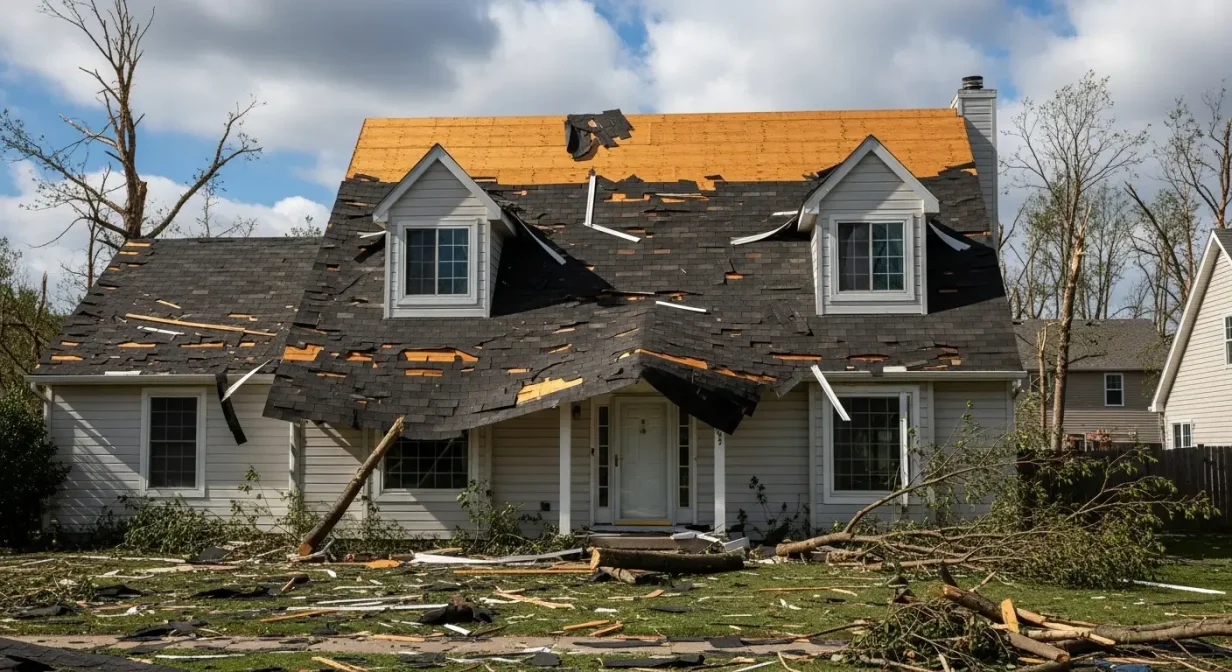
Wind damage to a roof occurs when aerodynamic uplift forces exceed the resistance of the shingle seals and fasteners, tearing the material from the deck. Damage typically initiates at the roof edges, eaves, and corners where wind pressures are highest, then progresses inward. Inspect the perimeter edges and flashing details after any high-wind event, as compromised seals in these areas often indicate broader structural wind damage.
Key Takeaways
- Missing or damaged shingles are a primary indicator of wind damage; inspect your roof regularly.
- Professional roof inspections in Dallas-Fort Worth range from $150 to $500, a worthwhile investment to prevent costly repairs.
- Addressing minor wind damage promptly can prevent significant structural issues and potential insurance claim denials due to neglect.
Wind damage can compromise the integrity of your roof, leading to leaks and structural problems. Identifying the warning signs early is essential to prevent further damage and costly repairs. Regular inspections, especially after severe weather events common in North Texas, can help detect issues before they escalate. The National Roofing Contractors Association (NRCA) recommends annual roof inspections to maintain its condition.
In my 8+ years as a construction consultant in Dallas, I have seen firsthand how quickly minor wind damage can turn into major problems. One homeowner in Plano delayed repairs on a few missing shingles, and within six months, the underlayment was exposed, leading to a $15,000 roof replacement. Understanding what to look for and taking swift action is key. The IRC 2021 provides guidelines for roof construction and maintenance, aiming to minimize the impact of wind and other environmental factors.
Ignoring these guidelines can result in non-compliance and increased vulnerability to damage.
Recognizing the Warning Signs of Wind Damage
Several telltale signs indicate potential wind damage to your roof. Missing shingles are the most obvious, but even subtle signs like curled or lifted shingles can indicate wind uplift. Granule loss, where the small, protective granules on asphalt shingles are dislodged, exposes the underlying asphalt to the elements, accelerating deterioration. Damaged or missing flashing around chimneys, vents, and skylights is another critical sign, as flashing provides a watertight seal.
The NRCA provides detailed guidelines on identifying common roofing issues, including wind-related damage. Another sign to watch for is creased or cracked shingles. High winds can bend and stress shingles, leading to permanent damage. Look for debris accumulation on the roof, as this can trap moisture and exacerbate existing damage.
Pay close attention to the condition of your gutters; damaged gutters can indicate that the roof has sustained significant impact. Proper ventilation, as outlined by the International Code Council (ICC), is crucial for preventing moisture buildup that can worsen wind damage.
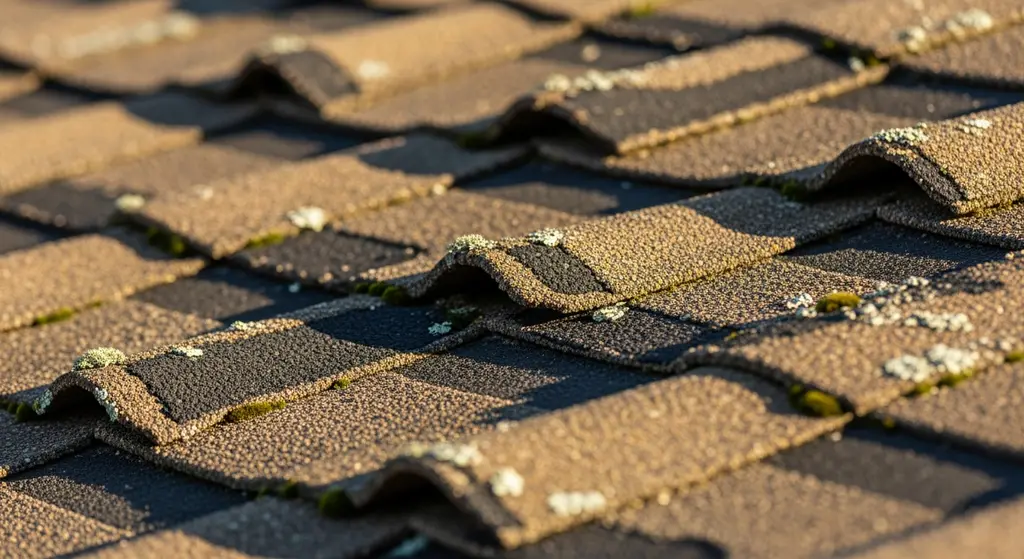
Missing Shingles
Typical Cost: $500 – $2,000
Prevention: Regular roof inspections
Insurance Coverage: Typically covered, minus deductible
Code Reference: IRC R905.2.1
Damaged Flashing
Typical Cost: $300 – $1,000
Prevention: Proper installation and maintenance
Insurance Coverage: Usually covered
Code Reference: IRC R905.2.8
Field Note from Experience
After inspecting dozens of Dallas-area roofs, I found that granule loss is often overlooked but is a significant indicator of long-term wind damage. Homeowners should pay close attention to their gutters and downspouts for excessive granule accumulation.
How to Inspect Your Roof for Wind Damage
Inspecting your roof safely requires caution. Start with a visual inspection from the ground using binoculars to identify any obvious damage, such as missing or displaced shingles. Look for signs of granule loss or discoloration. If you’re comfortable and have the proper safety equipment, you can conduct a closer inspection on the roof.
Be sure to wear soft-soled shoes and avoid walking on the roof during wet or icy conditions. A thorough inspection involves checking the condition of the shingles, flashing, and underlayment. Pay close attention to areas around vents, chimneys, and skylights, as these are common points of vulnerability. Document any damage with photos or videos.
If you are not comfortable performing a roof inspection yourself, it is best to hire a qualified roofing contractor. The Occupational Safety and Health Administration (OSHA) provides safety guidelines for working on roofs. Remember to verify that any contractor you hire is licensed by the Texas Department of Licensing and Regulation (TDLR).
Dallas Market Pricing
In Dallas-Fort Worth, expect to pay $150-$500 for a professional roof inspection. These are Dallas market prices; costs vary by region and can be 15-25% higher in remote Texas areas.
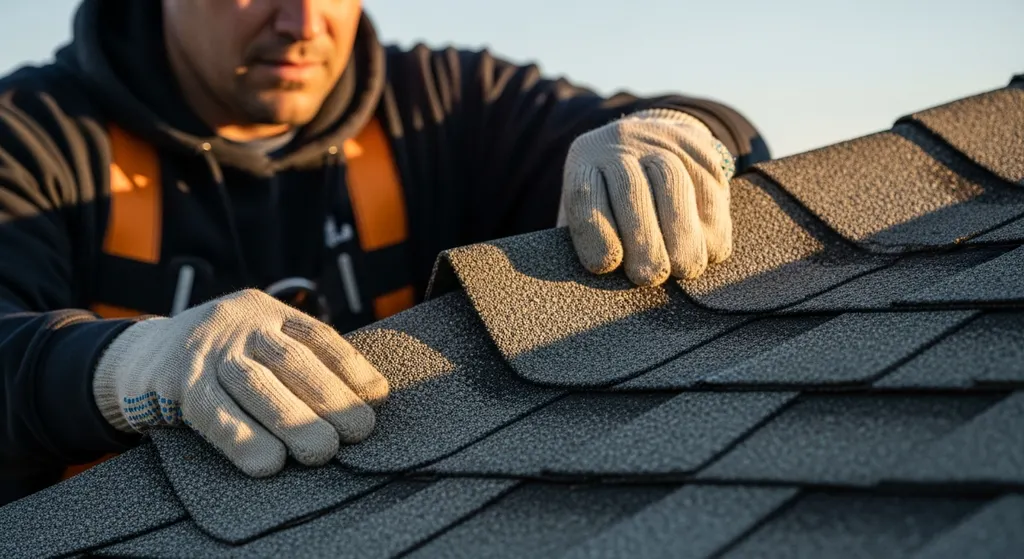
| Inspection Checklist | |
|---|---|
| Missing Shingles | Check for gaps or exposed underlayment |
| Granule Loss | Look for excessive granules in gutters |
| Damaged Flashing | Inspect around chimneys and vents |
| Curled or Lifted Shingles | Note any shingles that are not lying flat |
Assessing the Severity of Wind Damage to Your Roof
Once you’ve identified potential wind damage, it’s crucial to assess its severity. Minor damage, such as a few missing shingles or slight granule loss, may be addressed with spot repairs. However, extensive damage, including widespread shingle loss or structural issues, may necessitate a complete roof replacement. The extent of damage also affects the urgency of repairs; minor issues can be addressed within a few weeks, while severe damage requires immediate attention.
Consider the age of your roof when assessing damage. An older roof is more susceptible to wind damage and may be nearing the end of its lifespan, making replacement a more cost-effective option. Consult with a qualified roofing contractor to obtain a professional assessment and estimate. The NRCA offers resources to help homeowners find reputable contractors.
Be wary of contractors who pressure you into making immediate decisions or offer unrealistically low prices. The International Code Council (ICC) provides standards for evaluating structural integrity after wind damage.
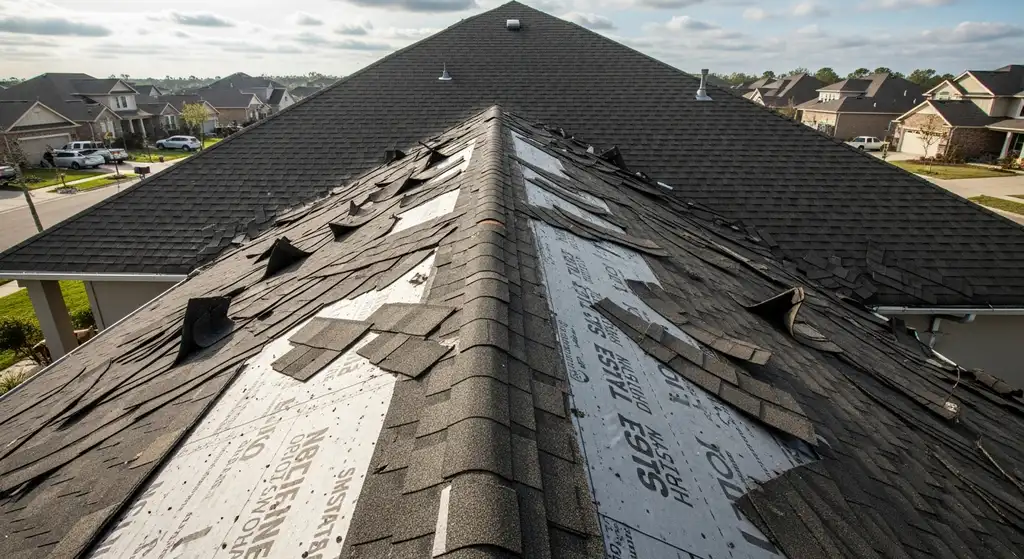
| Damage Level | Description | Recommended Action |
|---|---|---|
| Minor | Few missing shingles, slight granule loss | Spot repairs |
| Moderate | Several missing shingles, damaged flashing | Professional assessment and repair |
| Severe | Widespread shingle loss, structural damage | Roof replacement |
Field Note from Experience
Working on Texas roofing projects, I have noticed that the rapid temperature swings in Dallas-Fort Worth can exacerbate wind damage, causing shingles to become brittle and more prone to cracking. This is why choosing the right materials and proper installation are critical.
External Authoritative Resources
These industry-standard references support the information in this guide:
Building Codes
Frequently Asked Questions
What are the most common signs of wind damage on a roof?
Common signs include missing or torn shingles, curled or lifted shingles, granule loss, damaged flashing around vents and chimneys, and leaks inside the home. According to the NRCA, even subtle signs can indicate underlying damage that needs professional attention.
How often should I inspect my roof for wind damage?
It’s recommended to inspect your roof at least twice a year, typically in the spring and fall. After any major weather event, such as a severe thunderstorm or high winds, a more thorough inspection is crucial. This proactive approach can help identify and address potential issues early, preventing costly repairs down the road.
Can I repair wind damage to my roof myself?
While minor repairs, such as replacing a few missing shingles, might seem manageable, it’s generally best to hire a qualified roofing contractor. Roofing work can be dangerous, and improper repairs can lead to further damage and potential leaks. Professional contractors have the experience, tools, and safety equipment to perform repairs correctly and safely. They also understand IRC 2021 requirements for proper installation.
Will my insurance cover wind damage to my roof?
Most homeowners insurance policies cover wind damage to roofs, but coverage can vary. It’s essential to review your policy to understand your deductible and any exclusions. Document the damage thoroughly and file a claim with your insurance company as soon as possible. In my 8+ years as a construction consultant in Dallas, I’ve seen claims denied due to neglected maintenance, so prompt action is key.
What type of shingles are most resistant to wind damage?
Architectural shingles (also known as dimensional shingles) are generally more resistant to wind damage than traditional 3-tab shingles. Architectural shingles are thicker and heavier, providing better wind uplift resistance. Many architectural shingles have wind ratings of 110-130 mph, meeting ASTM D3043 standards. Proper installation, including correct nailing patterns, is crucial for maximizing wind resistance.
How does wind damage affect my home’s energy efficiency?
Wind damage can compromise your roof’s ability to insulate your home effectively. Missing or damaged shingles can allow air leaks, increasing energy consumption and utility bills. Proper roof ventilation, as recommended by the NRCA, is also essential for maintaining energy efficiency and preventing moisture buildup. Energy Star rated roofing materials can help improve energy performance.
What building codes are relevant to wind resistance in Dallas, Texas?
The International Residential Code (IRC) 2021, as adopted in Dallas and many parts of Texas, sets minimum standards for roof construction and wind resistance. Specific sections, such as IRC R905, address shingle installation requirements. Local amendments may also apply, so it’s important to consult with a qualified contractor familiar with Dallas building codes. Compliance with these codes ensures that your roof is built to withstand the wind conditions common in the area.
Final Thoughts
Identifying and addressing wind damage promptly is critical for protecting your home and preventing costly repairs. Regular inspections, especially after severe weather events, can help detect issues early. Consult with a qualified roofing contractor to assess the damage and determine the best course of action. Remember to verify their license with the Texas Department of Licensing and Regulation (TDLR).
Many Dallas homeowners do not realize that neglecting minor roof damage can lead to significant structural problems and potential insurance claim denials. By taking proactive steps to maintain your roof, you can ensure its longevity and protect your investment. Contact a reputable roofing contractor in the Dallas-Fort Worth area for a professional inspection and estimate.
