
Contractor’s Bottom Line
Selecting the best roof decking involves balancing cost, durability, and code compliance, especially in the demanding Dallas-Fort Worth climate. CDX plywood and OSB are common choices, but Advantech offers superior moisture resistance. Ensure your choice meets IRC 2021 standards, specifically IRC R803.2.1. Expect to pay $1.75-$3.50 per square foot for professional installation. Beware of contractors cutting corners on material thickness. This can lead to costly repairs down the line. Always verify the contractor’s Texas Department of Licensing and Regulation (TDLR) license before hiring.
Key Takeaways
- CDX plywood and OSB are common roof decking materials, but OSB is more susceptible to moisture damage if not properly sealed.
- Advantech offers superior moisture resistance compared to traditional plywood or OSB, but comes at a higher cost. Expect to pay 20-30% more per sheet.
- Proper installation is crucial for any decking material; ensure compliance with IRC 2021 standards and NRCA guidelines for fastening and spacing.
Choosing the right roof decking is a critical decision that impacts the longevity and stability of your roof. As a construction consultant in Dallas, I’ve seen firsthand the consequences of poor decking choices, from premature shingle failure to structural damage. The hot Texas climate, with its intense sun and occasional hailstorms, demands a durable and resilient decking material. Selecting the best option involves considering factors like material composition, code compliance, and cost.
We’ll explore the most popular decking materials, including CDX plywood, OSB (oriented strand board), and engineered alternatives, examining their strengths and weaknesses in the Dallas-Fort Worth environment. Understanding the requirements outlined by the International Residential Code (IRC) and recommendations from the National Roofing Contractors Association (NRCA) is essential for a successful project. FIELD NOTE: Last month, a Dallas homeowner called me after a contractor installed OSB decking without properly sealing the edges. Within a year, the decking had absorbed moisture, causing the asphalt shingles to buckle and the roof to leak.
The homeowner faced $8,000 in repairs, highlighting the importance of proper material selection and installation techniques. In Dallas, it is crucial to choose a material that holds up to the Texas heat.
Understanding Roof Decking Material Composition
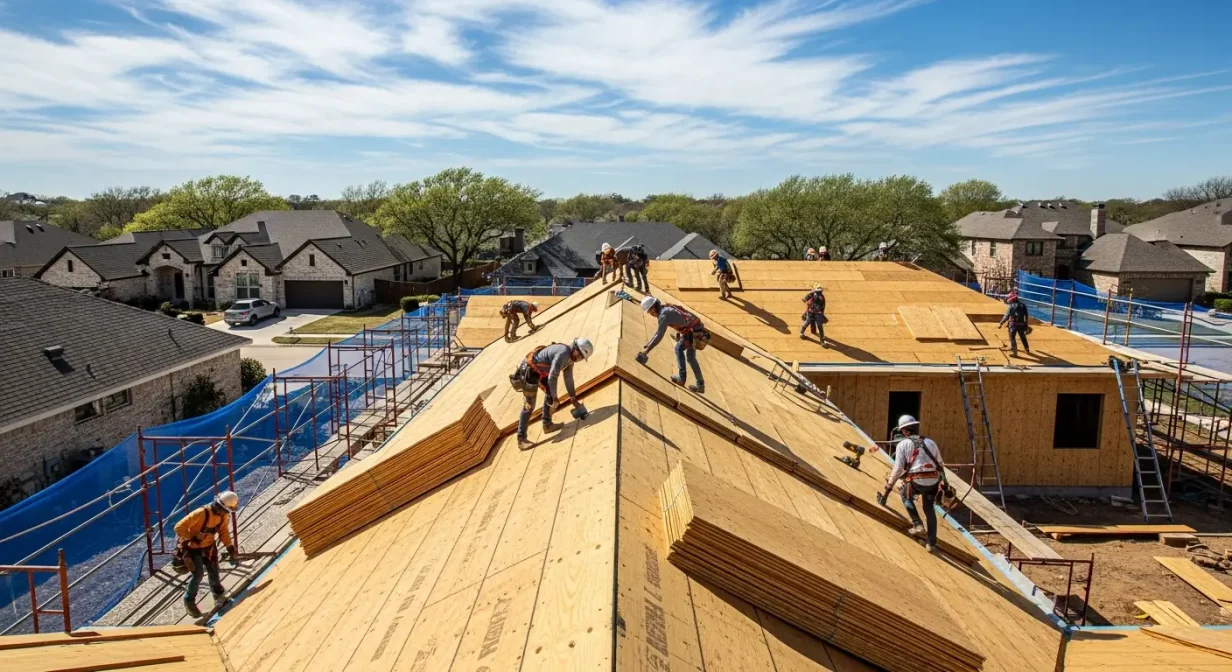
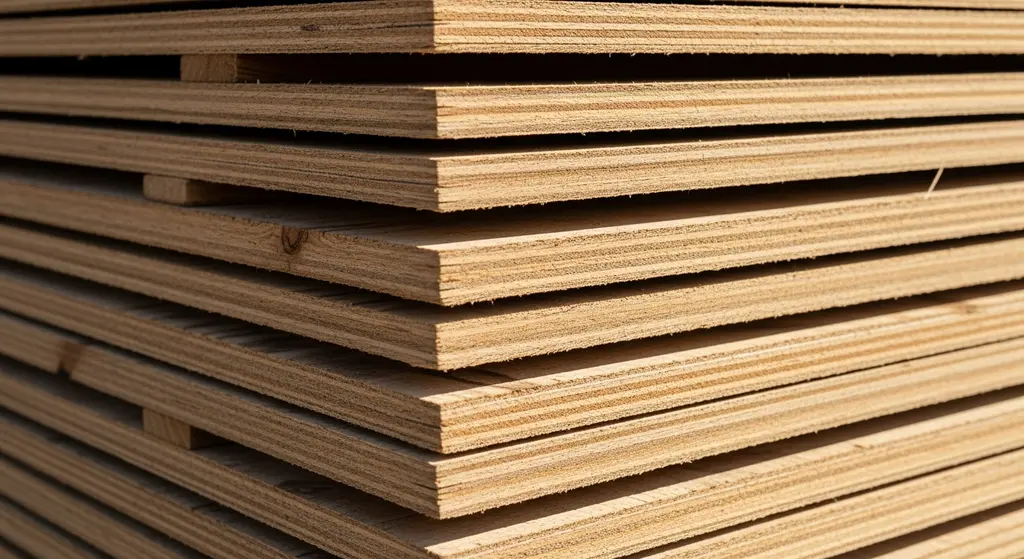
Roof decking, also known as roof sheathing, provides a solid surface for attaching roofing materials like asphalt shingles. The most common materials are CDX plywood and OSB (oriented strand board). CDX plywood consists of multiple layers of wood veneer glued together, with the ‘C’ and ‘D’ ratings indicating the grade of the veneer on each side and the ‘X’ signifying its exterior glue rating. This means it can withstand some moisture exposure during construction.
OSB, on the other hand, is made from wood strands compressed and glued together. While generally more cost-effective than plywood, OSB is more susceptible to moisture absorption if not properly sealed. Advantech is an engineered wood product designed for superior moisture resistance and strength. It’s made with resins that prevent water penetration and swelling.
The NRCA recommends considering the long-term performance of decking materials, not just the initial cost.

Field Note from Experience
I’ve seen OSB swell and delaminate in attics with poor ventilation, even in newer homes in the Dallas-Fort Worth area. This is often due to condensation buildup during the winter months, highlighting the need for proper attic ventilation and moisture control strategies.
A Brief History of Roof Decking Materials
Historically, solid wood boards were used for roof decking. As plywood manufacturing advanced, CDX plywood became the standard due to its strength, stability, and affordability. The introduction of OSB offered a more cost-effective alternative, but its susceptibility to moisture damage raised concerns. Now, engineered wood products like Advantech are gaining popularity for their enhanced performance characteristics.
Building codes have evolved alongside these material advancements. The International Residential Code (IRC) now specifies minimum thickness and performance requirements for roof decking based on factors like rafter spacing and load requirements. ASTM International also plays a crucial role by establishing standards for material testing and performance. The NRCA provides best practice guidelines that often exceed minimum code requirements.

Field Note from Experience
Older homes in Highland Park often feature solid wood board decking, which can still be structurally sound if properly maintained. However, replacing sections of this decking can be challenging due to the non-standard dimensions and the difficulty of matching the existing material.
Ideal Use Cases for Different Decking Materials
CDX plywood is a good all-around choice for most residential roofing applications, especially when cost is a primary concern. It offers a balance of strength, affordability, and workability. OSB is suitable for projects where budget constraints are tight, but it’s crucial to ensure proper sealing and ventilation to prevent moisture damage. Advantech is ideal for high-end homes or projects in areas prone to high humidity or frequent rainfall, as its moisture resistance provides added protection.
Consider the specific requirements of your project and the climate conditions in Dallas-Fort Worth when making your decision. If you’re installing heavy roofing materials like tile or slate, you’ll need a thicker, stronger decking material that meets the load requirements specified in the IRC 2021. For asphalt shingles, ensure the decking meets ASTM D226 or ASTM D4869 standards for underlayment application.

Field Note from Experience
I often recommend Advantech for homes near White Rock Lake, where higher humidity levels increase the risk of moisture damage to the roof decking. The added cost is a worthwhile investment in long-term durability.
When Decking Materials Fail: Incompatible Applications
Using OSB in areas with poor ventilation or high moisture exposure is a recipe for disaster. The material will absorb moisture, swell, and eventually delaminate, compromising the integrity of the roof. Similarly, using undersized or low-grade plywood can lead to sagging and structural failure, especially under heavy loads or in areas with high wind uplift. Failing to properly seal and flash around roof penetrations can also lead to water damage, regardless of the decking material used.
The International Code Council (ICC) publishes guidelines and updates on code compliance. Always ensure the chosen material meets the minimum thickness and performance requirements specified in the IRC 2021, taking into account rafter spacing and load requirements. Remember, cutting corners on decking material can lead to costly repairs and even compromise the safety of your home.

Field Note from Experience
I inspected a roof in Plano where the contractor used OSB decking on a low-slope roof with inadequate ventilation. The decking absorbed moisture, causing the shingles to buckle and leak. The homeowner ended up spending $12,000 to replace the entire roof, highlighting the importance of proper material selection and installation techniques.
Performance Considerations for Dallas’s Climate
The Dallas-Fort Worth climate presents unique challenges for roof decking. Extreme heat cycles can cause expansion and contraction, leading to stress and potential cracking. Hailstorms can damage decking, especially if it’s already weakened by moisture or age. High winds can also cause uplift and damage, particularly to improperly fastened decking.
Therefore, selecting a material that can withstand these conditions is crucial. Consider using synthetic underlayment instead of felt underlayment for added protection against moisture. Synthetic underlayment is more durable and water-resistant, providing an extra layer of defense against leaks. Ice and water shield should be installed in vulnerable areas like valleys and around roof penetrations to prevent water intrusion.
The NRCA emphasizes the importance of proper ventilation to mitigate the effects of heat and humidity.

Field Note from Experience
I’ve seen a significant increase in roof replacements in the DFW Metroplex following recent hailstorms. Many homeowners are opting for impact-resistant shingles and upgraded decking to better protect their homes from future damage. This often involves upgrading to a thicker decking material and adding an extra layer of underlayment.
Installer Preferences and Workability
Most roofing contractors in Dallas are familiar with CDX plywood and OSB, making them relatively easy to source and install. However, some installers prefer working with Advantech due to its consistent thickness and ease of fastening. Advantech also tends to hold fasteners better than OSB, reducing the risk of nail pull-out. The Occupational Safety and Health Administration (OSHA) has specific guidelines for worker safety on roofs, including fall protection measures.
The NRCA recommends using experienced and qualified roofing contractors who are familiar with local building codes and best practices. Always check the contractor’s Texas Department of Licensing and Regulation (TDLR) license and ask for references before hiring. A skilled installer can ensure that the decking is properly fastened and sealed, maximizing its performance and longevity.

Field Note from Experience
I surveyed several roofing contractors in the Dallas area and found that most are comfortable working with all three decking materials (CDX, OSB, and Advantech). However, many expressed a preference for Advantech due to its consistent quality and ease of installation. They also noted that it reduces callbacks due to moisture-related issues.
Sourcing Roof Decking Materials in Dallas
CDX plywood and OSB are readily available at most lumber yards and home improvement stores in the Dallas-Fort Worth area. Advantech may be less common and may require ordering from a specialty supplier. Prices can vary depending on the grade, thickness, and quantity purchased. It’s important to compare prices from multiple suppliers to ensure you’re getting the best deal.
Consider delivery costs and lead times when making your decision. Many local suppliers offer discounts to contractors, so it’s often beneficial to work with a roofing contractor who can leverage their relationships to get you a better price on materials. Always verify that the materials meet the required specifications outlined in the IRC 2021 and ASTM standards. Be wary of suspiciously low prices, as they may indicate substandard materials.
Field Note from Experience
I recently helped a homeowner in Frisco source Advantech decking for their new roof. We found that the price varied significantly between different suppliers, so it paid to shop around. We also negotiated a discount by purchasing a large quantity of material.
Verifying Material Specifications and Compliance
Before purchasing any roof decking material, carefully review the manufacturer’s specifications to ensure it meets the requirements of your project. Check the thickness, grade, and load-bearing capacity. Verify that the material is APA-rated and meets the relevant ASTM standards. For CDX plywood, look for the APA stamp indicating its grade and construction.
For OSB, check for the performance rating indicating its load-bearing capacity. Ensure that the material is properly labeled and that the labels are legible. If you have any doubts about the material’s compliance, consult with a qualified roofing contractor or building inspector. The International Code Council (ICC) offers resources and training on code compliance.
Always prioritize safety and compliance when selecting and installing roof decking.

Field Note from Experience
During a recent inspection in University Park, I discovered that the contractor had used undersized plywood for the roof decking. The plywood did not meet the minimum thickness requirements specified in the IRC 2021, which could have compromised the structural integrity of the roof. I advised the homeowner to have the decking replaced with the correct material.
Applicable ASTM Standards for Roof Decking
Several ASTM standards are relevant to roof decking materials. ASTM D3043 covers the testing of structural panels, including plywood and OSB. ASTM D226 and ASTM D4869 relate to asphalt-saturated felt and synthetic underlayment used over the decking. ASTM D1761 specifies the testing methods for mechanical fasteners used to attach the decking to the rafters.
These standards ensure that the materials meet minimum performance requirements for strength, durability, and fire resistance. Compliance with these ASTM standards is essential for ensuring the safety and longevity of your roof. Always check the manufacturer’s specifications to verify that the materials meet the applicable standards. The NRCA provides guidance on selecting and installing roofing materials in accordance with these standards.

Field Note from Experience
I’ve seen instances where contractors have used non-compliant materials in an attempt to save money. This can lead to serious problems down the road, including roof failure and insurance claim denials. Always insist on using materials that meet the applicable ASTM standards.
Reviewing Manufacturer’s Technical Data
Before selecting a roof decking material, review the manufacturer’s technical data sheets. These sheets provide detailed information on the material’s properties, including its thickness, weight, load-bearing capacity, and moisture resistance. They also specify the recommended installation procedures and fastener specifications. Pay close attention to the warranty information, as it may vary depending on the material and installation method.
Reputable manufacturers like GAF, Owens Corning, and CertainTeed provide comprehensive technical data on their products. This information can help you make an informed decision and ensure that the material is suitable for your project. The NRCA recommends consulting with a qualified roofing contractor to review the technical data and ensure proper installation.

Field Note from Experience
I always advise homeowners to review the manufacturer’s technical data sheets before making a final decision. This information can help you compare different materials and ensure that you’re getting the best value for your money. It’s also a good idea to discuss the technical data with your roofing contractor to ensure that they understand the material’s properties and installation requirements.
Understanding Thermal and Structural Properties
Roof decking contributes to the overall thermal performance of your roof system. While it’s not a primary insulator, it does provide some resistance to heat transfer. The R-value of roof decking is relatively low compared to insulation materials, but it still plays a role in reducing energy costs. Structural properties like bending strength, shear strength, and compression rating are crucial for ensuring the decking can withstand loads from snow, wind, and foot traffic.
Ensure the chosen decking material meets the minimum structural requirements specified in the IRC 2021. The NRCA recommends using a thicker decking material in areas with high snow loads or high winds. Consider adding a radiant barrier to the underside of the decking to further improve thermal performance and reduce energy costs. This is especially beneficial in Dallas’s hot climate.

Field Note from Experience
I’ve seen homes in North Texas with inadequate roof decking struggle to maintain a comfortable temperature during the summer months. Upgrading the decking and adding a radiant barrier can significantly improve energy efficiency and reduce cooling costs. This is a worthwhile investment for homeowners looking to save money on their energy bills.
External Authoritative Resources
These industry-standard references support the information in this guide:
Building Codes
Frequently Asked Questions
What is the minimum thickness for roof decking?
The minimum thickness for roof decking is typically 15/32 inch (0.469 inch) for CDX plywood or OSB, as required by IRC R803.2.1, but may vary depending on rafter spacing and load requirements.
Is OSB a good choice for roof decking in Dallas?
OSB can be a cost-effective option, but it’s crucial to ensure proper sealing and ventilation to prevent moisture damage, which is a concern in Dallas’s humid climate. Synthetic underlayment can also provide added protection.
What are the benefits of using Advantech for roof decking?
Advantech offers superior moisture resistance compared to traditional plywood or OSB, making it a good choice for high-end homes or areas prone to high humidity. This engineered product meets ASTM standards for strength and durability.
How much does roof decking cost in Dallas?
In Dallas-Fort Worth, expect to pay $1.75-$3.50 per square foot for professional installation of roof decking, depending on the material and complexity of the project. These are current 2026 Dallas market prices; costs can be higher in remote Texas areas.
What is the role of NRCA in roof decking?
The National Roofing Contractors Association (NRCA) provides best practice guidelines for roof decking installation, often exceeding minimum code requirements and promoting long-term performance.
How do I verify the quality of roof decking materials?
Check for the APA stamp on plywood or the performance rating on OSB. Review the manufacturer’s technical data sheets and verify compliance with applicable ASTM standards.
Final Thoughts
Choosing the right roof decking is a critical investment in the long-term durability and performance of your home. By understanding the different material options, considering the unique challenges of the Dallas climate, and working with a qualified roofing contractor, you can ensure a successful project. Remember to prioritize quality, compliance, and proper installation to protect your home from the elements. FIELD NOTE: I recently worked with a Dallas homeowner who upgraded their roof decking to Advantech and installed a radiant barrier.
They reported a significant reduction in their energy bills and a more comfortable indoor environment. This demonstrates the value of investing in high-quality materials and energy-efficient solutions. Before beginning a project, verify your contractor’s TDLR license to ensure legitimacy.
