

Contractor’s Bottom Line
Raising the roof on a house is a major structural alteration that involves lifting the existing roof framing to increase the wall height. This process requires temporary wall bracing, lifting equipment, and extensive framing modifications to comply with updated structural and energy codes. Hire a structural engineer to design the new framing connections and verify the existing foundation can support the increased wind load of the taller walls.
Key Takeaways
- Missing or damaged shingles are a primary indicator of roof problems and can lead to leaks, potentially costing thousands in interior damage.
- Regular roof inspections, recommended by the NRCA, can identify issues early and prevent costly repairs; budget $250-$750 for a professional inspection in the Dallas area.
- Ignoring roof problems can lead to structural damage, insurance claim denials, and decreased property value in the competitive Dallas real estate market.
Your roof is your home’s first line of defense against the elements, especially in Texas where we experience extreme heat, hail storms, and rapid temperature changes. Recognizing early warning signs of roof problems can prevent costly repairs and maintain your home’s value. Many Dallas homeowners don’t realize how quickly a small leak can escalate into a major issue, leading to structural damage and potential health hazards from mold growth. In my 8+ years as a construction consultant in Dallas, I have seen countless homeowners face unexpected expenses due to neglected roof maintenance.
Something as simple as replacing a few missing asphalt shingles can prevent a $10,000+ interior water damage claim. The International Code Council (ICC) sets standards for roof construction, and adherence to these standards is crucial for long-term performance and safety. Failing to address issues early can also lead to insurance claim denials. The NRCA (National Roofing Contractors Association) offers guidelines for proper maintenance and inspection schedules.
Key Warning Signs of Roof Problems
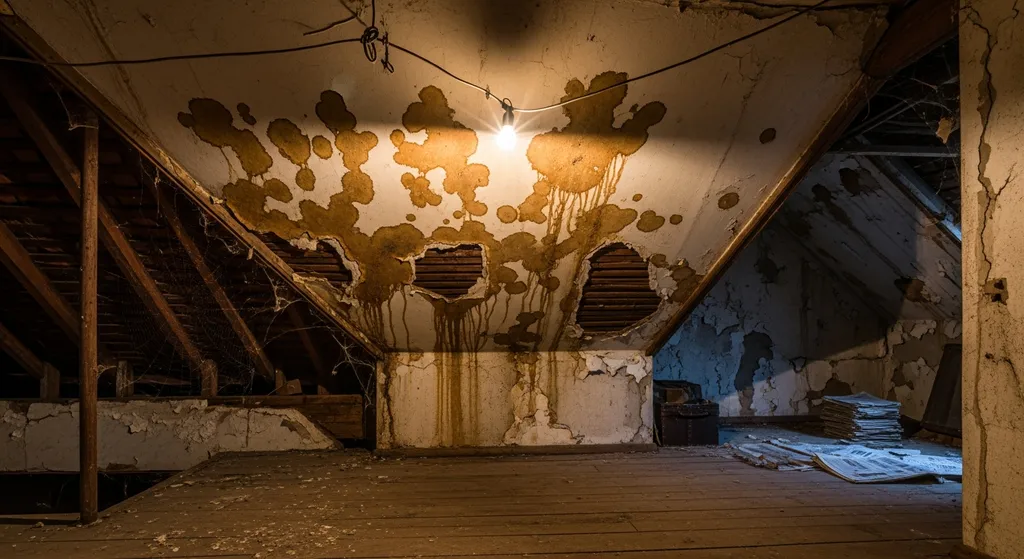
Several visible signs can indicate potential roof issues. Look for missing, cracked, or curling asphalt shingles. Granule loss is another common sign, often visible in gutters or near downspouts. Stains on interior ceilings or walls are a clear indication of a leak.
Also, check for sagging areas on the roof deck, indicating potential structural damage. These signs are especially important to watch for in North Texas due to the frequent hail storms and intense sun. Another often overlooked sign is the condition of your flashing around chimneys, vents, and skylights. Damaged or corroded flashing can allow water to penetrate the roof system.
According to the NRCA, proper flashing installation is crucial for preventing leaks. In Dallas-Fort Worth, extreme heat cycles can cause flashing materials to expand and contract, leading to cracks and failures over time. Using an ice and water shield as underlayment in vulnerable areas is a wise preventative measure.

Missing Shingles
Typical Cost: $500 – $2000
Prevention: Regular Inspection & Timely Repairs
Insurance Coverage: Often Covered
Code Reference: IRC R905
Granule Loss
Typical Cost: $1000 – $5000
Prevention: Proper Ventilation & Material Selection
Insurance Coverage: May Be Covered
Code Reference: ASTM D3043
Water Stains (Interior)
Typical Cost: $2000 – $10000+
Prevention: Prompt Leak Detection & Repair
Insurance Coverage: Often Covered
Code Reference: IRC R803.2.1
How to Inspect Your Roof Safely
A visual inspection from the ground using binoculars can reveal many potential issues. Look for any obvious damage, such as missing or broken shingles. Check the condition of your gutters and downspouts for granule buildup, which indicates shingle deterioration. If you choose to inspect the roof yourself, prioritize safety.
Use a sturdy ladder and wear appropriate footwear. For a more thorough inspection, consider hiring a professional roofing contractor. They have the experience and equipment to safely assess the roof’s condition and identify hidden problems. A professional inspection will include checking the underlayment, flashing, and overall structural integrity of the roof deck.
They can also verify proper ventilation, which is crucial for preventing moisture buildup. In Dallas, expect to pay between $250 and $750 for a professional roof inspection.

Advantages
- Ground inspection is safe and easy
- Professional inspection provides detailed assessment
Disadvantages
- Ground inspection may miss subtle issues
- Professional inspection costs money
Field Note from Experience
After inspecting dozens of Dallas-area roofs, I found that many homeowners neglect their attic ventilation. Poor ventilation can lead to excessive heat buildup, which accelerates shingle deterioration and increases energy costs. Always check your attic vents for proper airflow.
Assessing the Extent of Roof Damage
The severity of roof damage can range from minor cosmetic issues to serious structural problems. Small cracks or missing shingles may only require minor repairs. However, extensive damage, such as widespread granule loss, sagging roof deck, or significant leaks, may necessitate a complete roof replacement. It’s essential to assess the damage accurately to determine the appropriate course of action.
Consider the age of your roof when evaluating damage. If your roof is nearing the end of its expected lifespan (typically 20-30 years for asphalt shingles), a replacement may be more cost-effective than extensive repairs. Also, check for signs of water damage inside your home, such as stained ceilings or walls. This indicates that water has penetrated the roof system and could lead to mold growth.
FEMA (Federal Emergency Management Agency) provides resources on mitigating water damage and mold prevention.
| Damage Type | Severity | Recommended Action |
|---|---|---|
| Missing Shingles | Minor | Replace Missing Shingles |
| Granule Loss | Moderate | Monitor and Repair if Necessary |
| Sagging Roof Deck | Severe | Complete Roof Replacement |
Contractor offers ‘free roof’ after storm
Consequence: Likely insurance fraud and shoddy workmanship
Contractor pressures you to sign immediately
Consequence: May not have time to get multiple quotes and verify credentials
External Authoritative Resources
These industry-standard references support the information in this guide:
Building Codes
Frequently Asked Questions
How often should I inspect my roof in Dallas?
In Dallas, with our extreme weather conditions, it’s best to inspect your roof at least twice a year – once in the spring after hail season and once in the fall before winter. Regular inspections can help identify minor issues before they become major problems. The NRCA (National Roofing Contractors Association) recommends this frequency for optimal roof maintenance.
What are the most common causes of roof damage in North Texas?
Hail storms are a significant cause of roof damage in North Texas, leading to cracked shingles and granule loss. Extreme heat can also cause asphalt shingles to dry out and become brittle. High winds can lift and tear off shingles. Proper ventilation is crucial to mitigate heat damage.
Adhering to IRC 2021 ventilation requirements can help extend your roof’s lifespan.
How do I find a reputable roofing contractor in Dallas?
Start by asking for recommendations from friends, family, or neighbors. Check online reviews and ratings on sites like the Better Business Bureau and Angie’s List. Verify that the contractor is licensed and insured. Get multiple quotes and compare them carefully.
A reputable contractor will be familiar with local building codes and NRCA standards.
What is the expected lifespan of an asphalt shingle roof in Texas?
The lifespan of an asphalt shingle roof in Texas typically ranges from 20 to 30 years, depending on the quality of the shingles, the installation methods, and the level of maintenance. Architectural shingles generally last longer than 3-tab shingles. Proper ventilation and regular inspections can help extend the life of your roof.
Will my homeowner’s insurance cover roof damage?
Most homeowner’s insurance policies cover roof damage caused by covered perils, such as hail, wind, and fire. However, policies typically exclude damage caused by normal wear and tear, neglect, or faulty workmanship. It’s important to review your policy carefully and understand what is covered. If you file a claim, be prepared to provide documentation of the damage and a detailed estimate from a licensed contractor.
What are the benefits of using synthetic underlayment instead of felt underlayment?
Synthetic underlayment offers several advantages over felt underlayment. It’s more durable, water-resistant, and tear-resistant. It also provides better UV protection, which is especially important in Texas’s hot climate. While synthetic underlayment is more expensive, it can provide better long-term protection for your roof.
Synthetic underlayments often meet ASTM D226 Type II standards.
Final Thoughts
Identifying and addressing roof problems early can save you significant money and prevent extensive damage to your home. Regular inspections, proper maintenance, and prompt repairs are crucial for maintaining the integrity of your roof. Don’t ignore warning signs like missing shingles, leaks, or granule loss. Working on Texas roofing projects, I have noticed that homeowners who invest in quality materials and professional installation tend to have fewer problems down the road.
Contact a licensed and insured roofing contractor in Dallas-Fort Worth for a thorough inspection and reliable repairs. Ensure the contractor adheres to all local building codes and NRCA standards to protect your investment.
