
Contractor’s Bottom Line
Choosing between a roof deck and a rooftop deck involves understanding structural requirements, material options, and code compliance. A roof deck, serving as the structural base for roofing materials, typically uses CDX plywood or OSB sheathing meeting IRC R803.2.1 standards. A rooftop deck, an outdoor living space above a building, requires waterproofing and proper drainage. In Dallas-Fort Worth, expect to pay $8-$15 per square foot for roof deck installation and $25-$50+ per square foot for rooftop deck construction due to added complexity. Neglecting proper flashing and waterproofing can lead to costly water damage and structural issues, potentially costing tens of thousands of dollars to repair. Always consult with a licensed contractor adhering to NRCA guidelines.
Key Takeaways
- A roof deck provides the structural base for roofing materials like asphalt shingles, while a rooftop deck is an outdoor living space built on top of a roof.
- Rooftop decks require more robust waterproofing and drainage systems to prevent leaks and structural damage, increasing costs significantly.
- In Dallas, Texas, rooftop decks must be designed to withstand extreme heat, UV exposure, and potential hail damage, impacting material choices and construction methods.
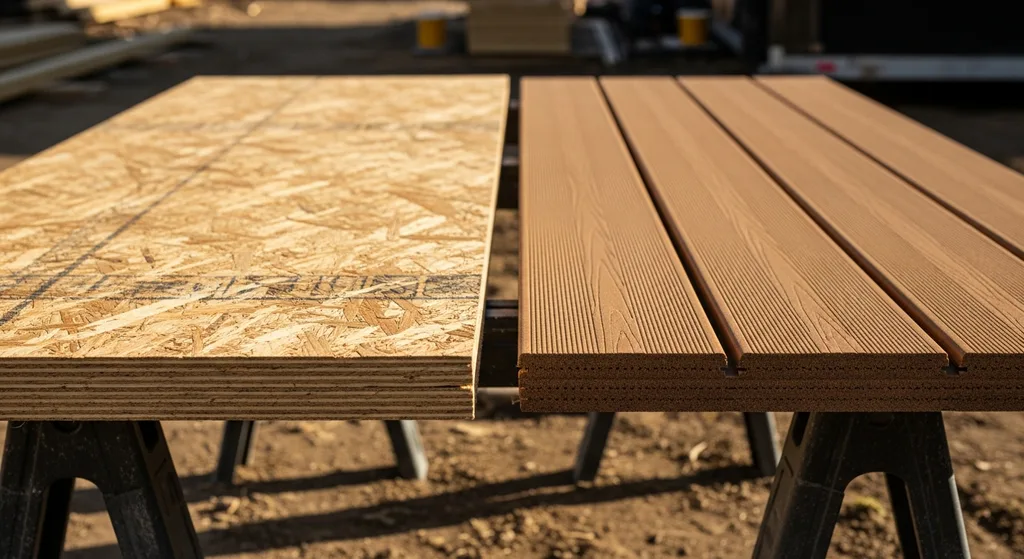
- Roof decks typically utilize CDX plywood or OSB sheathing conforming to IRC R803.2.1, while rooftop decks might incorporate composite decking materials for weather resistance.
- Proper installation and maintenance are crucial for both roof decks and rooftop decks to ensure longevity and prevent costly repairs.
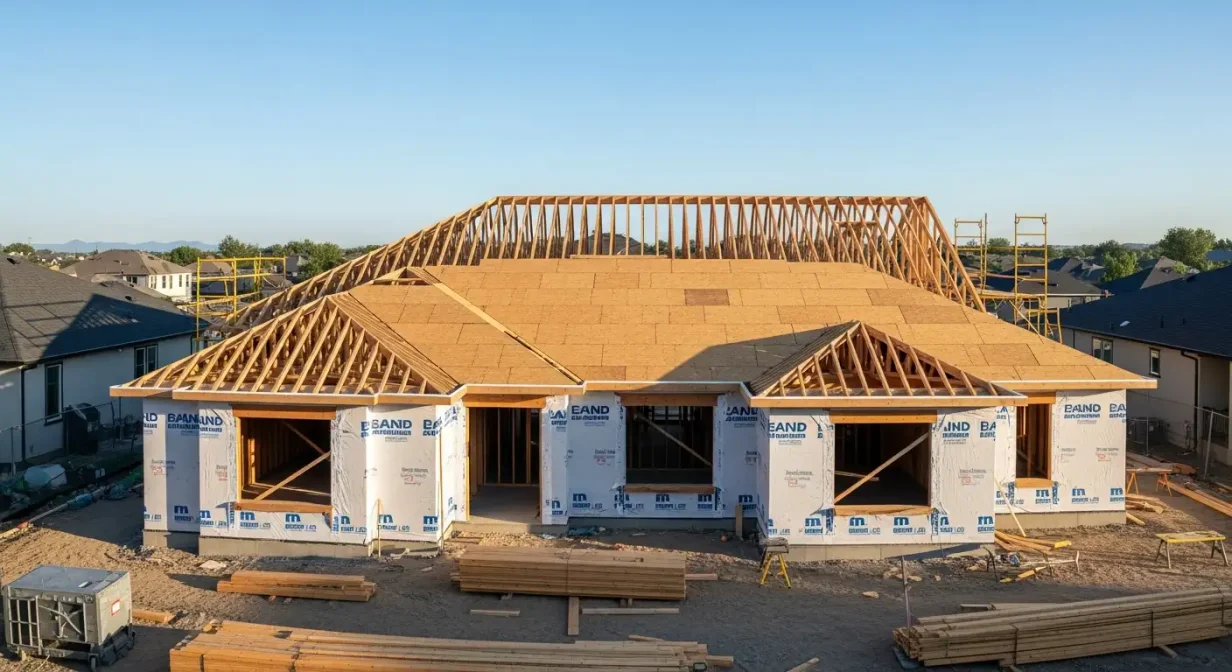
Understanding the distinction between a roof deck and a rooftop deck is crucial for any construction project, whether it’s a new build or a renovation. A roof deck serves as the structural foundation directly beneath the roofing material, providing a solid surface for materials like asphalt shingles to be attached. This vital component typically consists of materials like CDX plywood or oriented strand board (OSB) sheathing, installed according to the International Residential Code (IRC) requirements. Conversely, a rooftop deck transforms the roof into a usable outdoor living space.
This involves a more complex construction process, including waterproofing, drainage systems, and often, the addition of decking materials like composite or treated lumber. The NRCA emphasizes the importance of proper planning and execution when creating a rooftop deck to avoid potential water damage and structural issues. FIELD NOTE: I once consulted on a project in the M Streets neighborhood of Dallas where the homeowners confused a basic roof deck repair with the construction of a rooftop deck. Their initial budget of $5,000 quickly ballooned to over $25,000 once the necessary waterproofing and structural reinforcements were factored in.
This highlights the importance of clearly defining the scope of work from the outset.
Key Differences Between Roof Decks and Rooftop Decks
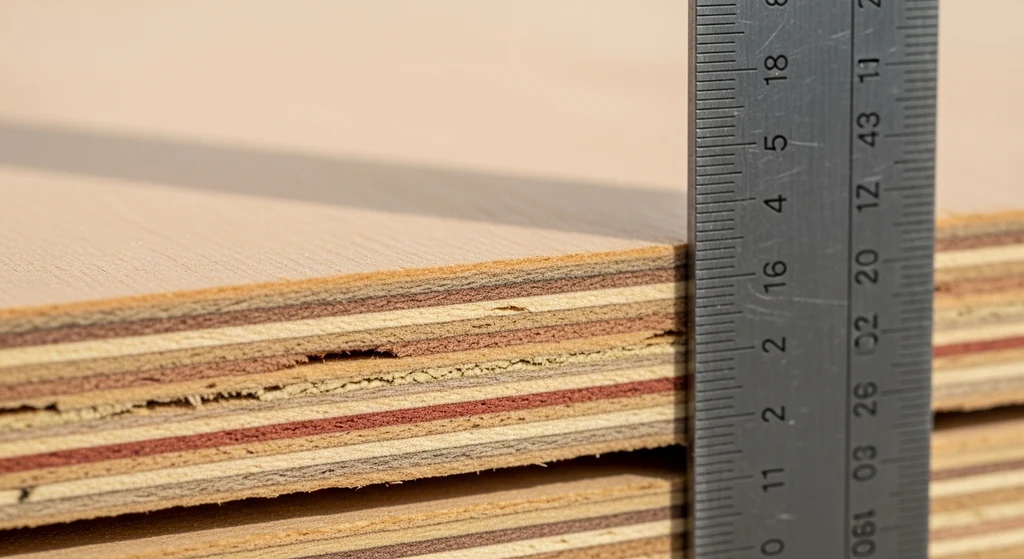
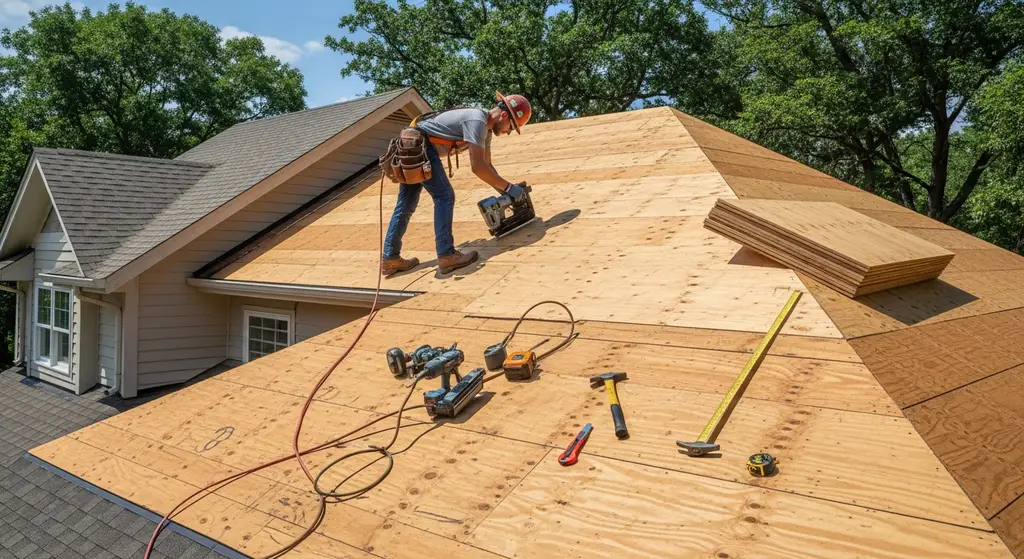
The primary difference lies in their purpose. A roof deck is purely functional, providing a substrate for roofing materials like asphalt shingles. It’s designed to meet structural load requirements and provide a nailable surface. The IRC mandates specific sheathing thicknesses and fastening schedules based on rafter spacing and anticipated loads.
A rooftop deck, on the other hand, is designed for recreational use, transforming a roof into an outdoor living area. This requires additional considerations such as waterproofing, drainage, and safety features like railings. Rooftop decks often involve multiple layers of materials, including a protective membrane, a drainage layer, and the decking surface itself. These factors significantly increase the complexity and cost compared to a basic roof deck.
The NRCA provides detailed guidelines on rooftop deck construction to ensure proper performance and longevity.
Field Note from Experience
I’ve seen homeowners in Dallas-Fort Worth attempt DIY rooftop decks without proper waterproofing, leading to leaks and significant water damage. One instance in Plano resulted in over $10,000 in interior repairs due to water intrusion.
Roof Deck vs. Rooftop Deck: A Head-to-Head Comparison
When comparing roof decks and rooftop decks, several factors come into play, from materials and installation to cost and maintenance. Roof decks are typically constructed using cost-effective materials like CDX plywood or OSB, while rooftop decks often incorporate premium decking materials for enhanced aesthetics and durability. Installation complexity is also a significant differentiator, with rooftop decks requiring specialized expertise in waterproofing and drainage. The performance requirements differ as well.
Roof decks primarily need to withstand structural loads and provide a secure base for roofing. Rooftop decks must handle foot traffic, furniture weight, and exposure to the elements, necessitating robust construction and ongoing maintenance. The ICC provides guidelines on structural load requirements for different types of decks.
| Feature | Roof Deck | Rooftop Deck |
|---|---|---|
| Purpose | Structural base for roofing | Outdoor living space |
| Materials | CDX plywood, OSB | Composite decking, treated lumber |
| Waterproofing | Underlayment | Waterproof membrane, flashing |
| Drainage | Minimal | Extensive drainage system |
| Cost | Lower | Higher |
| Complexity | Simpler | More complex |
| Maintenance | Minimal | Regular cleaning, sealing |
Real-World Performance and Durability
In the demanding climate of Dallas, Texas, both roof decks and rooftop decks face unique challenges. The intense summer heat can cause expansion and contraction of materials, potentially leading to cracking and leaks. Hailstorms, common in North Texas, can damage roofing materials and compromise the integrity of the roof deck. Therefore, choosing durable materials and employing proper installation techniques are crucial for long-term performance.
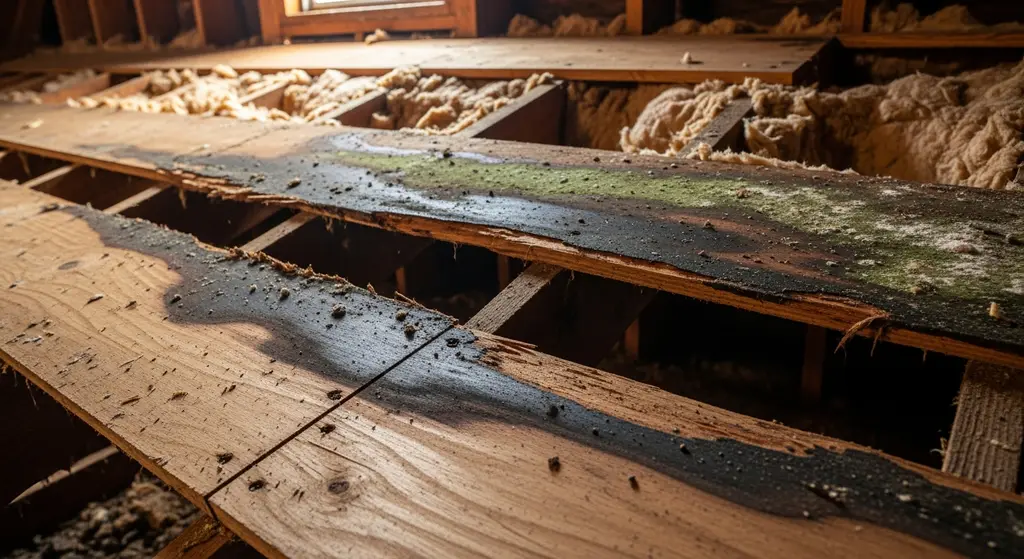
Rooftop decks, being exposed to the elements, require even greater attention to detail. Proper waterproofing is essential to prevent water intrusion, which can lead to mold growth and structural damage. The NRCA recommends using high-quality waterproofing membranes and flashing to protect the underlying structure. Regular maintenance, including cleaning and sealing, is also necessary to prolong the life of the deck.
Field Note from Experience
I’ve inspected numerous roof decks in the DFW Metroplex where improper nailing patterns led to premature failure and costly repairs. Following the IRC guidelines for fastener spacing is essential for ensuring structural integrity.
Lifespan and Longevity: What to Expect
The lifespan of a roof deck largely depends on the quality of materials and the effectiveness of the roofing system. A properly installed roof deck with adequate ventilation can last for several decades. However, factors such as water damage, insect infestation, and poor maintenance can significantly shorten its lifespan. Regular inspections are essential to identify and address any potential problems early on.
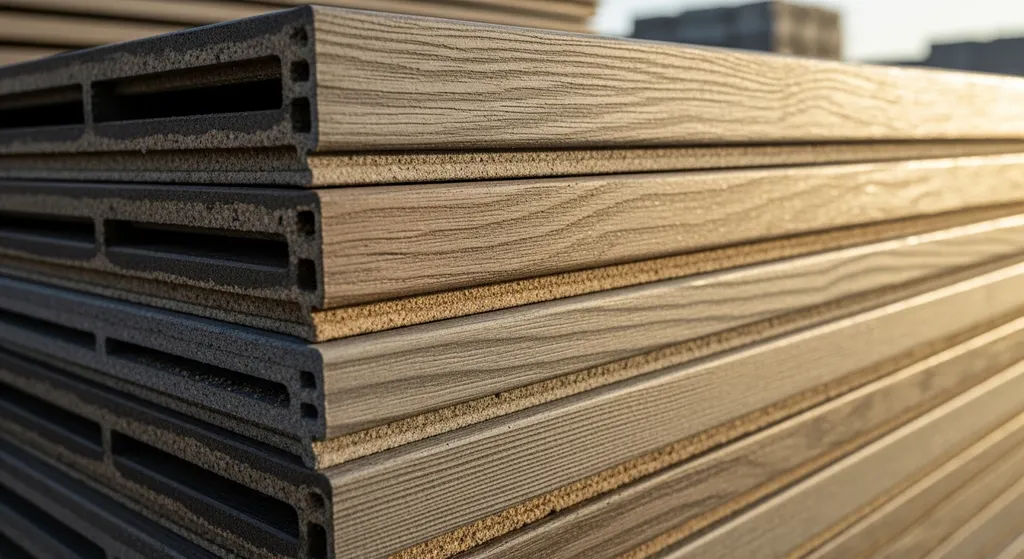
Rooftop decks, due to their exposure to the elements and heavy use, typically have a shorter lifespan than roof decks. The longevity of a rooftop deck depends on the materials used, the quality of construction, and the level of maintenance. Composite decking materials, for example, are more resistant to rot and decay than traditional wood decking, but they still require regular cleaning and sealing. The NRCA recommends regular inspections and maintenance to maximize the lifespan of a rooftop deck.
Installation Complexity: DIY vs. Professional
Installing a basic roof deck is a relatively straightforward process that can be tackled by experienced DIYers. However, it’s crucial to adhere to local building codes and follow proper installation techniques. The IRC provides detailed guidelines on sheathing thickness, fastener spacing, and flashing requirements. Improper installation can compromise the structural integrity of the roof and lead to costly repairs.
Rooftop deck installation is significantly more complex and typically requires the expertise of a licensed contractor. Waterproofing, drainage, and structural reinforcement are critical aspects of rooftop deck construction. Improper installation can lead to water damage, structural failure, and safety hazards. The NRCA recommends hiring a qualified contractor with experience in rooftop deck construction to ensure a safe and durable outcome.
Field Note from Experience
On a project in University Park, I discovered an installation error where the previous contractor failed to properly flash the roof deck around a chimney, leading to significant water damage. The repair cost the homeowner over $8,000.
Pros and Cons of Roof Decks and Rooftop Decks
Roof decks offer several advantages, including relatively low cost, simple installation, and minimal maintenance requirements. However, they provide no usable outdoor space and offer limited aesthetic appeal. The primary function of a roof deck is to provide a structural base for roofing materials. Rooftop decks, on the other hand, offer the benefit of creating a valuable outdoor living space.
They can enhance property value and provide a unique entertaining area. However, rooftop decks are more expensive to install, require more maintenance, and can potentially lead to water damage if not properly constructed. It is important to consider the pros and cons of each option before making a decision. Adhering to OSHA safety guidelines during construction is crucial.
Advantages
- Low cost (roof deck)
- Simple installation (roof deck)
- Creates outdoor living space (rooftop deck)
- Enhances property value (rooftop deck)
Disadvantages
- No usable outdoor space (roof deck)
- Higher cost (rooftop deck)
- Requires more maintenance (rooftop deck)
- Potential for water damage (rooftop deck)
Which Option is Right for You?
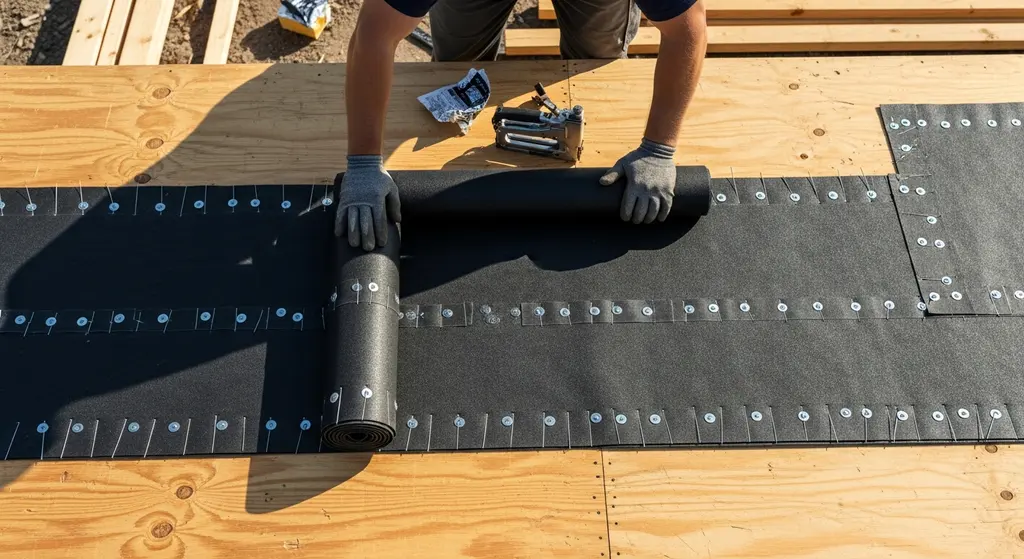
The choice between a roof deck and a rooftop deck depends on your specific needs, budget, and priorities. If you simply need a structural base for your roofing materials and are not interested in creating an outdoor living space, a roof deck is the clear choice. Roof decks also require the use of synthetic underlayment meeting ASTM D226 Type II standards to ensure proper moisture protection. However, if you desire an outdoor living space and are willing to invest in proper waterproofing and construction, a rooftop deck can be a valuable addition to your home.
Consider your budget, maintenance capabilities, and local building codes before making a decision. In Dallas-Fort Worth, the high demand for outdoor living spaces often makes rooftop decks a worthwhile investment.
Dallas Market Pricing
In Dallas-Fort Worth, expect to pay $8-$15 per square foot for roof deck installation and $25-$50+ per square foot for rooftop deck construction. These are current 2026 Dallas market prices; costs can be 15-25% higher in remote Texas areas. Peak pricing occurs spring (March-May) storm season.
External Authoritative Resources
These industry-standard references support the information in this guide:
Building Codes
Frequently Asked Questions
What is the typical lifespan of a roof deck?
A properly installed roof deck can last for several decades with adequate ventilation and regular maintenance; however, water damage and insect infestation can shorten its lifespan.
How much does it cost to install a rooftop deck in Dallas?
In Dallas-Fort Worth, expect to pay $25-$50+ per square foot for rooftop deck construction, depending on materials, complexity, and contractor fees.
Do I need a permit to build a rooftop deck?
Yes, you typically need a building permit to construct a rooftop deck, ensuring compliance with local building codes and safety regulations.
What are the best materials for a rooftop deck in Texas?
Composite decking materials are a popular choice for rooftop decks in Texas due to their resistance to rot, decay, and UV exposure.
How can I prevent water damage to my roof deck?
Proper flashing, synthetic underlayment meeting ASTM D4869 standards, and adequate ventilation are essential for preventing water damage to a roof deck.
Is it safe to build a rooftop deck myself?
Rooftop deck construction is complex and requires specialized expertise; hiring a licensed contractor is recommended to ensure safety and structural integrity.
Final Thoughts
Choosing between a roof deck and a rooftop deck requires careful consideration of your needs, budget, and priorities. A roof deck serves as a functional base for roofing materials, while a rooftop deck transforms your roof into a valuable outdoor living space. Regardless of your choice, proper installation and maintenance are crucial for ensuring long-term performance and preventing costly repairs. FIELD NOTE: I once assisted a homeowner in Highland Park whose insurance claim was denied due to improper roof deck installation.
The lack of proper flashing led to significant water damage, which the insurance company deemed a result of faulty workmanship. This underscores the importance of hiring qualified professionals and adhering to NRCA guidelines. Contact a licensed contractor today to discuss your options and ensure a successful project.
