
Contractor’s Bottom Line
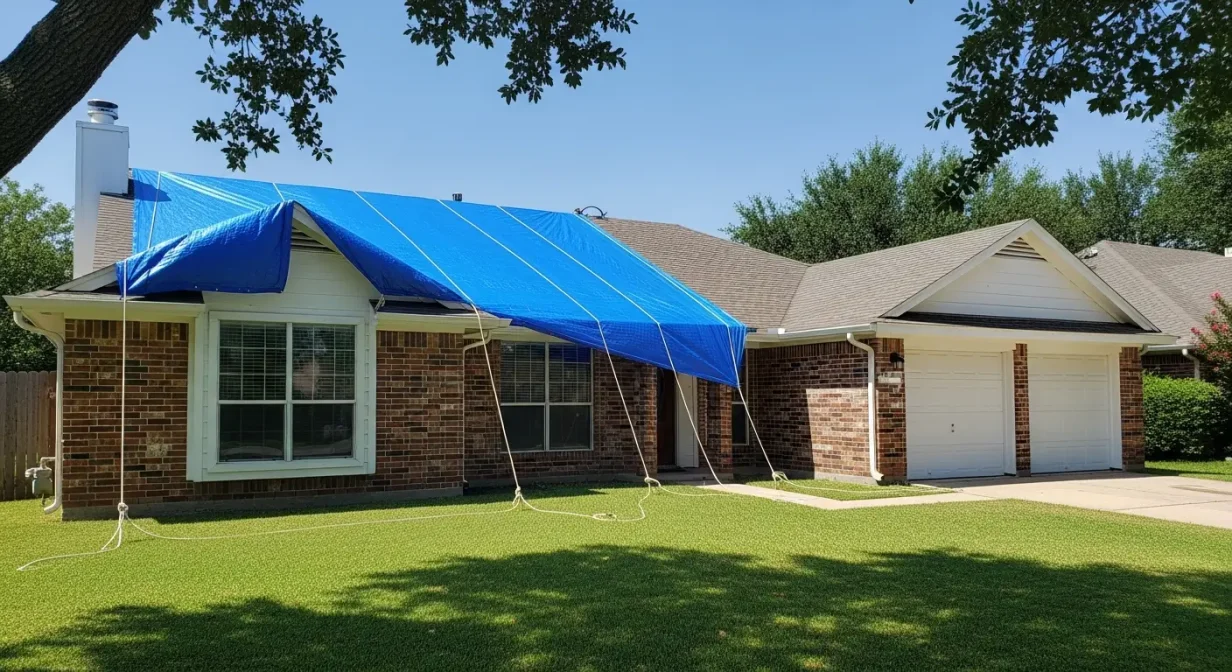
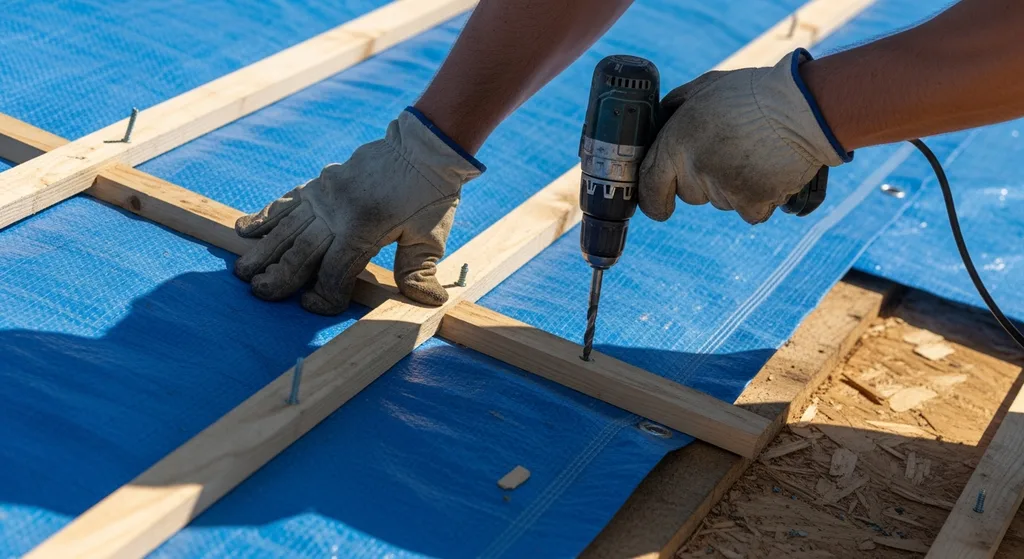
The cost to tarp a roof as an emergency measure typically ranges from $200 to $500, depending on the roof size and the extent of the breach. This expense covers the labor and materials required to safely anchor a woven polyethylene tarp over the damaged area using wood stripping. Retain all receipts for emergency tarping, as most homeowners insurance policies will reimburse this preventative cost under the dwelling coverage.
Key Takeaways
- Tarping a roof in Dallas typically costs between $300 and $1500, varying by roof size and damage severity.
- Emergency tarping services after storms can significantly increase costs due to higher demand and urgency.
- Always get a detailed cost breakdown and verify the contractor’s license with the Texas Department of Licensing and Regulation (TDLR) to avoid scams.
When a roof is damaged by a storm or other unforeseen event, quickly tarping it can prevent further interior damage. This is especially crucial in Dallas, where sudden and severe weather, including hail and high winds, are common. However, understanding the cost to tarp a roof is essential to avoid being overcharged and to budget appropriately for subsequent permanent repairs. Field Note #1: In my 8+ years as a construction consultant in Dallas, I have seen countless homeowners face unexpected roofing emergencies.
Many do not realize that the initial tarping is just a temporary solution, and the underlying damage needs immediate attention to comply with local building codes and prevent long-term issues. Ignoring this can lead to more extensive and expensive repairs down the road, potentially affecting insurance claims. The NRCA (National Roofing Contractors Association) emphasizes the importance of using quality materials and proper installation techniques even for temporary fixes like tarping. Following NRCA guidelines can protect your home effectively until permanent repairs can be made, ensuring compliance with standards like ASTM D226 for roofing underlayment.
Detailed Cost Breakdown for Roof Tarping
The cost to tarp a roof is not a flat fee; it comprises several factors. These include the size of the affected area, the type of tarp used, labor costs, and any additional materials required, such as lumber for securing the tarp. Accessibility also plays a significant role; roofs that are difficult to reach or require specialized equipment will incur higher labor costs. Typically, labor accounts for a significant portion of the overall cost.
This includes the time spent assessing the damage, preparing the roof surface, installing the tarp, and securing it properly to withstand wind and rain. The NRCA recommends using experienced professionals who understand proper tarping techniques to ensure effective protection. Material costs can also vary. Basic polyethylene tarps are less expensive but may not offer the same level of durability as reinforced polyethylene or vinyl tarps.
The choice of tarp material should be based on the expected duration of the temporary fix and the severity of the weather conditions in Dallas. Using synthetic underlayment meeting ASTM D4869 standards under the tarp can provide an extra layer of protection.
| Item | Typical Cost (Dallas, TX) |
|---|---|
| Basic Polyethylene Tarp | $50 – $150 |
| Reinforced Polyethylene Tarp | $100 – $300 |
| Labor (per hour) | $75 – $150 |
| Securing Materials (lumber, nails) | $20 – $50 |
| Emergency Service Fee | $50 – $200 |
Field Note from Experience
After inspecting dozens of Dallas-area roofs, I found that homeowners who opted for cheaper, non-reinforced tarps often faced additional expenses when the tarp ripped or failed during subsequent rainstorms. Investing in a more durable tarp initially can save money in the long run.
Roof Tarping Costs: Dallas and Surrounding Areas
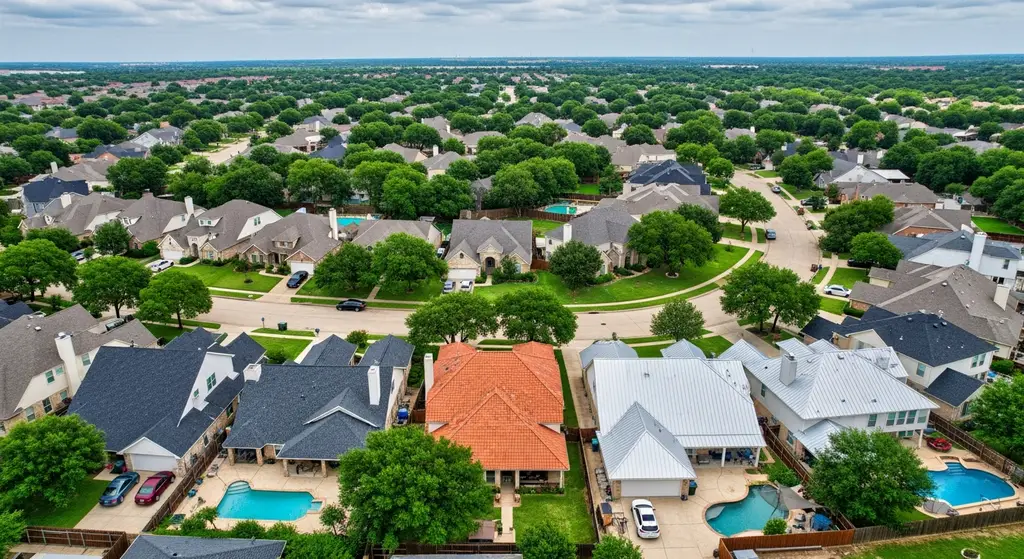
Roof tarping costs can vary significantly across the Dallas-Fort Worth (DFW) Metroplex. Factors such as contractor availability, local demand, and the specific characteristics of the roof can influence pricing. Urban areas like downtown Dallas may have higher labor costs due to increased overhead and traffic congestion, while more rural areas might have lower labor costs but potentially higher material costs due to transportation expenses. The time of year also affects pricing.
During peak storm season in the spring and summer, demand for tarping services increases, leading to higher prices. Emergency services after a major storm, as defined by FEMA, can further inflate costs due to increased demand and limited contractor availability. Always compare quotes from multiple contractors to ensure fair pricing. The type of roofing material can also influence the tarping cost.
Tarping a roof with asphalt shingles is generally less expensive than tarping a tile or metal roof, as these materials require more specialized techniques and equipment. Asphalt shingles are the most common in Texas, but proper care is still required. Ensure the contractor is familiar with NRCA guidelines.
Dallas Market Pricing
In Dallas-Fort Worth, expect to pay $300 to $1500 for roof tarping, depending on roof size and damage. These are Dallas market prices; costs vary by region and can be 15-25% higher in remote Texas areas.
What Roofing Contractors Don’t Want You to Know About Tarping Costs
Some roofing contractors may not be entirely transparent about the costs associated with tarping a roof. One common tactic is to inflate the price of materials, marking up the cost of tarps and securing materials by as much as 25-40%. Another hidden cost can be the ’emergency service fee,’ which may not be clearly disclosed upfront and can significantly increase the overall bill. Additionally, some contractors may cut corners on the quality of the tarp or the securing methods, using cheaper materials or inadequate techniques that compromise the effectiveness of the temporary repair.
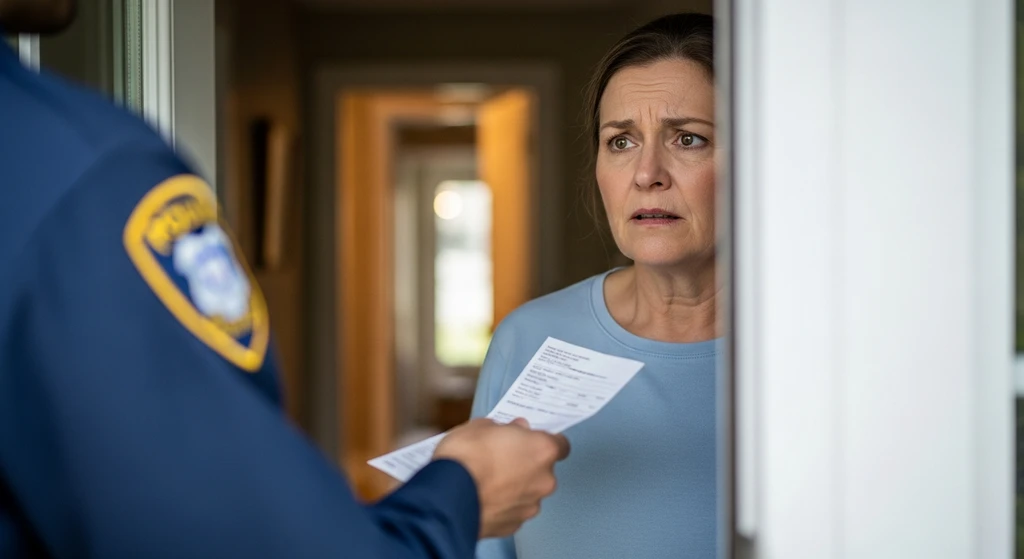
This can lead to further damage and additional expenses down the line. Always ask for a detailed breakdown of all costs and materials before agreeing to any work. Red Flag: Beware of contractors who offer ‘free roof’ deals or promise to pay your insurance deductible, as this is often a sign of insurance fraud and can have serious legal consequences. The Texas Department of Insurance actively investigates such schemes.
Ensure the contractor is using materials that meet ASTM standards.
Free Roof Offers
Consequence: Often a sign of insurance fraud and can lead to legal issues.
Deductible Payment Promises
Consequence: Illegal in Texas and can result in fines and penalties.
What Contractors Hide
Material Markup
The Reality: Contractors often mark up the cost of tarps and materials by 25-40%.
Emergency Service Fees
The Reality: Undisclosed emergency service fees can significantly increase the overall cost.
External Authoritative Resources
These industry-standard references support the information in this guide:
Building Codes
Frequently Asked Questions
How long will a tarp last on my roof in Dallas?
A properly installed tarp should last several weeks to a few months, depending on the quality of the tarp and the weather conditions. However, it’s crucial to get permanent repairs done as soon as possible to prevent further damage. NRCA recommends reinforced polyethylene tarps for their durability. Remember, tarping is a temporary solution and should not be considered a long-term fix.
Can I tarp my own roof, or should I hire a professional?
While it’s possible to tarp your own roof, it can be dangerous, especially on steep or high roofs. Hiring a professional ensures the tarp is installed correctly and safely, minimizing the risk of further damage or injury. Professionals also have the necessary equipment and experience to handle complex tarping situations. OSHA safety standards must be followed.
Will my insurance cover the cost of tarping my roof?
Most homeowner’s insurance policies cover the cost of emergency tarping to prevent further damage after a covered event, such as a storm or fire. However, it’s essential to review your policy and contact your insurance company to confirm coverage. Keep all receipts and documentation for reimbursement. Proximate cause is a key factor in insurance claims.
What type of tarp is best for roof tarping in Texas?
For Texas weather, reinforced polyethylene tarps with UV resistance are recommended. These tarps are more durable and can withstand the extreme heat and occasional hailstorms that are common in the Dallas area. Synthetic underlayment conforming to ASTM D4869 can provide an additional layer of protection.
How do I find a reputable roofing contractor in Dallas?
Start by asking for referrals from friends, family, or neighbors. Check online reviews and ratings on reputable websites like the Better Business Bureau and Angie’s List. Verify the contractor’s license with the Texas Department of Licensing and Regulation (TDLR). Ensure the contractor is familiar with local building codes and NRCA guidelines.
What should I do if a contractor pressures me to sign a contract immediately?
Never feel pressured to sign a contract without thoroughly reviewing it and getting multiple quotes. A reputable contractor will provide you with a clear and detailed contract and give you ample time to consider it. Be wary of contractors who use high-pressure sales tactics or offer deals that seem too good to be true. Get everything in writing and do not pay cash.
Final Thoughts
Tarping a roof is a critical first step in protecting your home from further damage after a roofing emergency. Understanding the costs involved, being aware of potential scams, and hiring a reputable contractor are essential to ensuring the job is done correctly and safely. Remember, tarping is a temporary solution, and permanent repairs should be scheduled as soon as possible to maintain the integrity of your roof and comply with local building codes. Field Note #2: I have seen insurance claims denied when homeowners delayed permanent repairs after tarping, leading to further water damage and mold growth.
Prompt action is key to a successful claim and preventing long-term problems. Always ensure your contractor follows NRCA guidelines and local building codes. Contact a licensed and insured roofing contractor in the Dallas area today to assess your roof damage and provide a comprehensive repair plan. Don’t wait until it’s too late; protect your investment now.
