Contractor’s Bottom Line
Identifying cedar shake roof issues early can save Dallas homeowners significant money and prevent extensive damage. Watch for signs like curling, splitting, or missing shakes. A professional inspection, costing around $250-$750, can reveal hidden problems. Ignoring these issues can lead to leaks and structural damage, potentially costing tens of thousands of dollars to repair. The International Residential Code (IRC) requires regular roof maintenance, and failure to comply can void warranties. Always consult with a qualified roofing contractor familiar with cedar shake and NRCA guidelines.
Key Takeaways
- Curling, splitting, and missing shakes are key warning signs of cedar shake roof problems.
- Professional inspections can uncover hidden damage and prevent costly repairs; expect to pay $250-$750 in the Dallas area.
- Ignoring roof issues can lead to leaks and structural damage, potentially costing tens of thousands of dollars to repair.
Cedar shake roofs offer a beautiful, natural aesthetic, but they require regular maintenance and are susceptible to certain problems. Identifying these issues early is crucial to preventing extensive damage and costly repairs. Many Dallas homeowners do not realize the specific vulnerabilities of cedar shake in the Texas climate. In my 8+ years as a construction consultant in Dallas, I have seen firsthand the consequences of neglecting cedar shake roofs.
From hail damage to rot, the Texas climate can be particularly harsh. Regular inspections and prompt repairs are essential to maintaining the integrity of your roof and protecting your home. The NRCA (National Roofing Contractors Association) provides guidelines for proper cedar shake installation and maintenance.
Common Warning Signs of Cedar Shake Roof Problems
Several signs indicate potential problems with your cedar shake roof. Look for shakes that are curling, cupping, or splitting. These deformities can allow water to penetrate the roof system. Discoloration, such as dark staining or moss growth, can also signal moisture retention and rot.
Missing shakes are an obvious sign of damage and should be addressed immediately to prevent leaks. Proper attic ventilation is key to preventing moisture buildup, a common issue addressed by IRC R806. Pay attention to the condition of the ridge caps and flashing. Damaged or missing ridge caps expose the roof’s peak to the elements.
Defective flashing around chimneys, vents, and skylights can lead to water infiltration. Leaks in the attic are a serious warning sign, indicating a breach in the roof’s protective barrier. Addressing these issues promptly can prevent significant structural damage. Regular inspections are vital, especially after severe weather events.
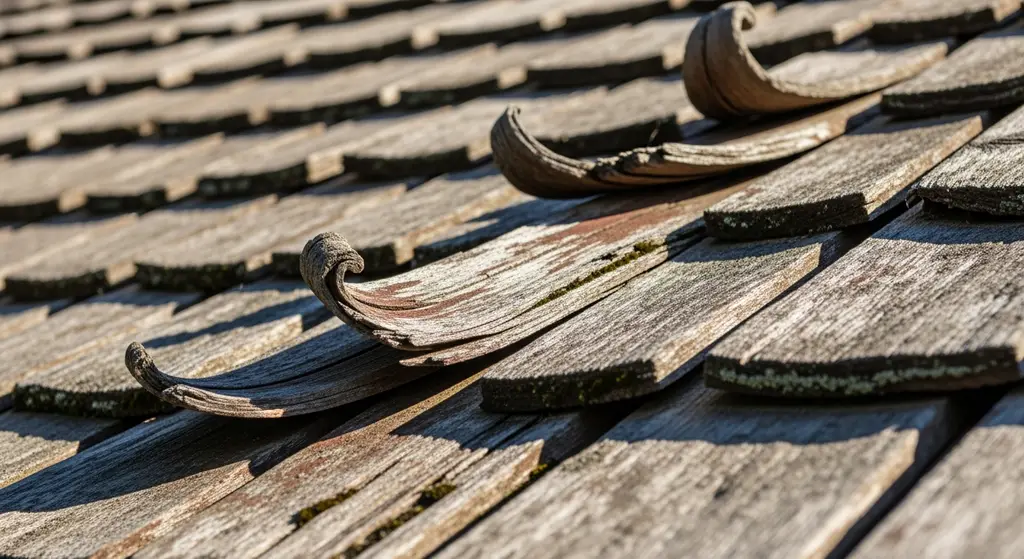
Curling and Cupping
Typical Cost: $500-$2,000 for spot repairs
Prevention: Regular treatment with wood preservative
Insurance Coverage: Often covered if caused by a covered peril like hail
Code Reference: IRC R905 addresses roof covering requirements
Splitting
Typical Cost: $1,000-$5,000 for shake replacement
Prevention: Proper installation and maintenance
Insurance Coverage: May be covered if due to storm damage
Code Reference: IRC R905.7 specifically addresses wood shingles and shakes
Missing Shakes
Typical Cost: $200-$1,000 for individual replacement
Prevention: Secure fastening during installation
Insurance Coverage: Generally covered if caused by wind or hail
Code Reference: ASTM D3043 specifies testing methods for wood shakes and shingles
Field Note from Experience
Working on Texas roofing projects, I have noticed that the southern exposure of roofs tends to degrade faster due to the intense sun. This is especially true for cedar shake, which can dry out and split more quickly.
How to Inspect Your Cedar Shake Roof
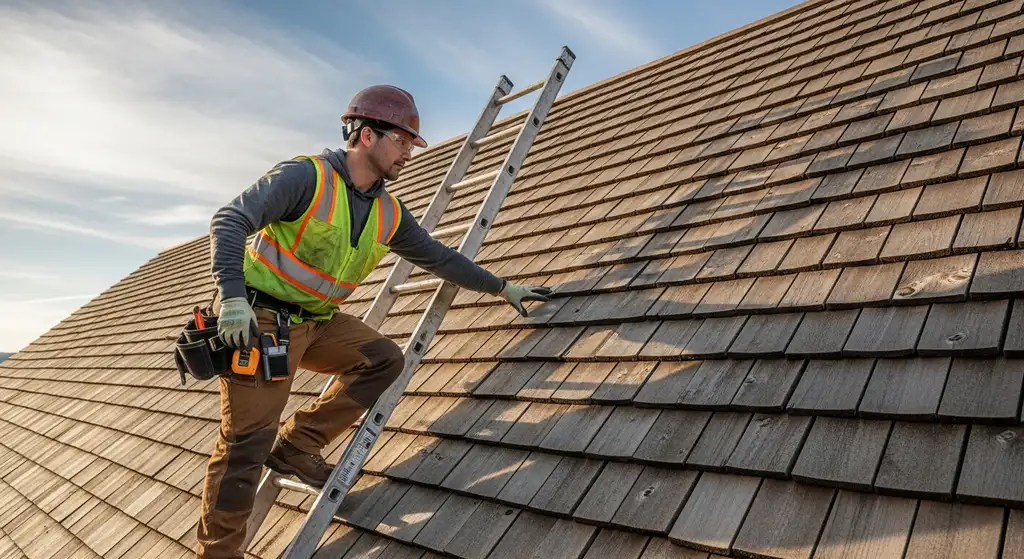
Begin with a visual inspection from the ground, using binoculars to get a closer look. Check for any obvious signs of damage, such as missing or broken shakes. Next, carefully inspect the roof surface, paying attention to areas around chimneys, vents, and skylights. Look for damaged flashing or signs of water infiltration.
It is crucial to follow OSHA safety guidelines when working on a roof. Inspect the attic for leaks or water stains. Water stains on the underside of the roof sheathing indicate a breach in the roof system. Check for proper ventilation in the attic, as inadequate ventilation can contribute to moisture buildup and rot.
A professional inspection can provide a more thorough assessment, including checking for hidden damage and assessing the overall condition of the roof. The NRCA recommends regular professional inspections to maintain roof integrity. Always prioritize safety and use proper fall protection equipment.
Field Note from Experience
After inspecting dozens of Dallas-area roofs, I found that many homeowners neglect the importance of attic ventilation. Proper ventilation is crucial for preventing moisture buildup and extending the life of a cedar shake roof.
Assessing the Severity of Damage to Your Cedar Shake Roof
The extent of damage determines the necessary repairs or replacement. Minor damage, such as a few missing or cracked shakes, can often be repaired with individual replacements. More extensive damage, such as widespread curling, splitting, or rot, may require a complete roof replacement. Consider the age of the roof when assessing damage.
A roof nearing the end of its lifespan may warrant replacement rather than costly repairs. Examine the underlayment beneath the shakes. Damaged or deteriorated underlayment can compromise the roof’s ability to protect against water infiltration. Check for signs of rot or decay in the wood sheathing.
Structural damage to the sheathing may necessitate replacement of the affected areas. Consult with a qualified roofing contractor to determine the best course of action. They can assess the damage and provide recommendations based on your specific needs. The International Code Council (ICC) provides guidelines for roof repair and replacement.
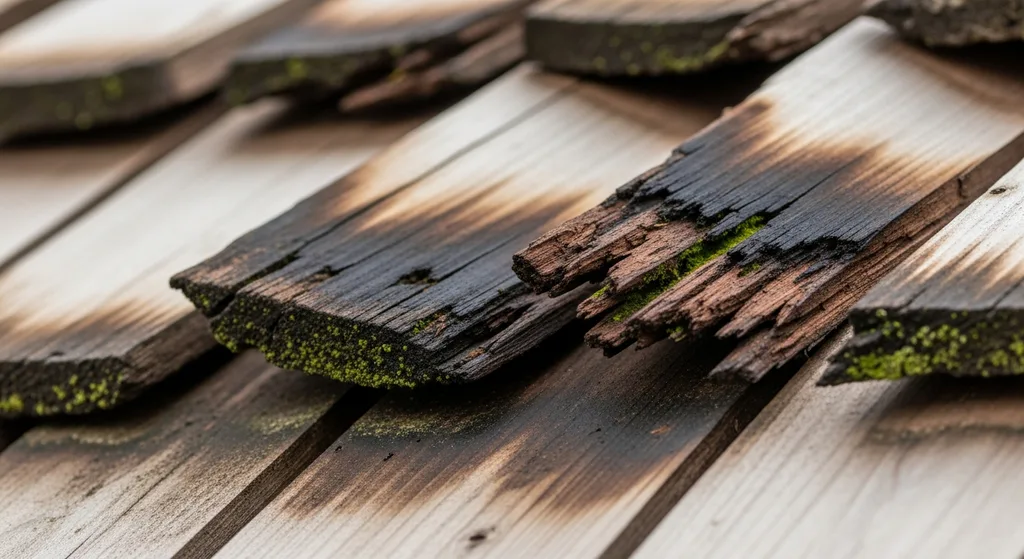
| Damage Severity Levels | |
|---|---|
| Minor | Few missing or cracked shakes. Cost: $500-$2,000 |
| Moderate | Widespread curling, splitting, or discoloration. Cost: $2,000-$10,000 |
| Severe | Extensive rot, structural damage, leaks. Cost: $10,000+ |
Field Note from Experience
In my experience, many homeowners underestimate the extent of damage to their cedar shake roofs. What appears to be a minor issue on the surface can often indicate more significant problems underneath. A thorough inspection is crucial.
External Authoritative Resources
These industry-standard references support the information in this guide:
Building Codes
Frequently Asked Questions
How often should I inspect my cedar shake roof?
It’s recommended to inspect your cedar shake roof at least twice a year, typically in the spring and fall. After severe weather events, such as hail storms or high winds, it’s essential to conduct an additional inspection to check for any damage. Regular inspections can help identify potential problems early and prevent costly repairs. The NRCA provides guidelines for roof maintenance and inspection.
What are the most common causes of damage to cedar shake roofs in Dallas?
In Dallas, cedar shake roofs are particularly vulnerable to hail damage, extreme heat, and moisture. Hail storms can cause cracks and splits in the shakes, while the intense Texas sun can dry out the wood and lead to warping. Moisture can promote rot and decay, especially if the roof is not properly ventilated. Proper maintenance and regular inspections are crucial to mitigating these risks.
Can I repair a cedar shake roof myself?
While minor repairs, such as replacing a few missing shakes, can be done yourself, it’s generally recommended to hire a qualified roofing contractor for more extensive repairs. Working on a roof can be dangerous, and improper repairs can compromise the roof’s integrity. A professional contractor has the experience and expertise to properly assess the damage and perform the necessary repairs according to ASTM standards.
How long does a cedar shake roof typically last?
A properly installed and maintained cedar shake roof can last for 30-50 years. However, factors such as climate, exposure, and maintenance practices can affect its lifespan. Regular cleaning, treatment with wood preservative, and prompt repairs can help extend the life of your cedar shake roof. Neglecting maintenance can significantly shorten its lifespan.
What is the best way to clean a cedar shake roof?
The best way to clean a cedar shake roof is to use a soft-bristled brush and a mild detergent solution. Avoid using high-pressure washers, as they can damage the shakes. Gently scrub the roof surface to remove dirt, moss, and algae. Rinse thoroughly with clean water.
Applying a wood preservative after cleaning can help protect the shakes from moisture and UV damage.
Does my homeowner’s insurance cover cedar shake roof damage?
Most homeowner’s insurance policies cover roof damage caused by covered perils, such as hail, wind, and fire. However, coverage may vary depending on the specific policy and the cause of the damage. It’s essential to review your policy and consult with your insurance agent to determine the extent of your coverage. Damage caused by neglect or lack of maintenance is typically not covered.
Final Thoughts
Identifying and addressing cedar shake roof problems early is crucial for protecting your Dallas home. Regular inspections, prompt repairs, and proper maintenance can help extend the life of your roof and prevent costly damage. Don’t ignore warning signs such as curling, splitting, or missing shakes. In my 8+ years of experience, I’ve seen too many homeowners face significant financial burdens due to neglected roof issues.
Protect your investment by taking proactive steps to maintain your cedar shake roof. Contact a qualified roofing contractor for a professional inspection and ensure your roof is in good condition. Remember, a well-maintained roof is your home’s first line of defense against the elements.
