
Contractor’s Bottom Line
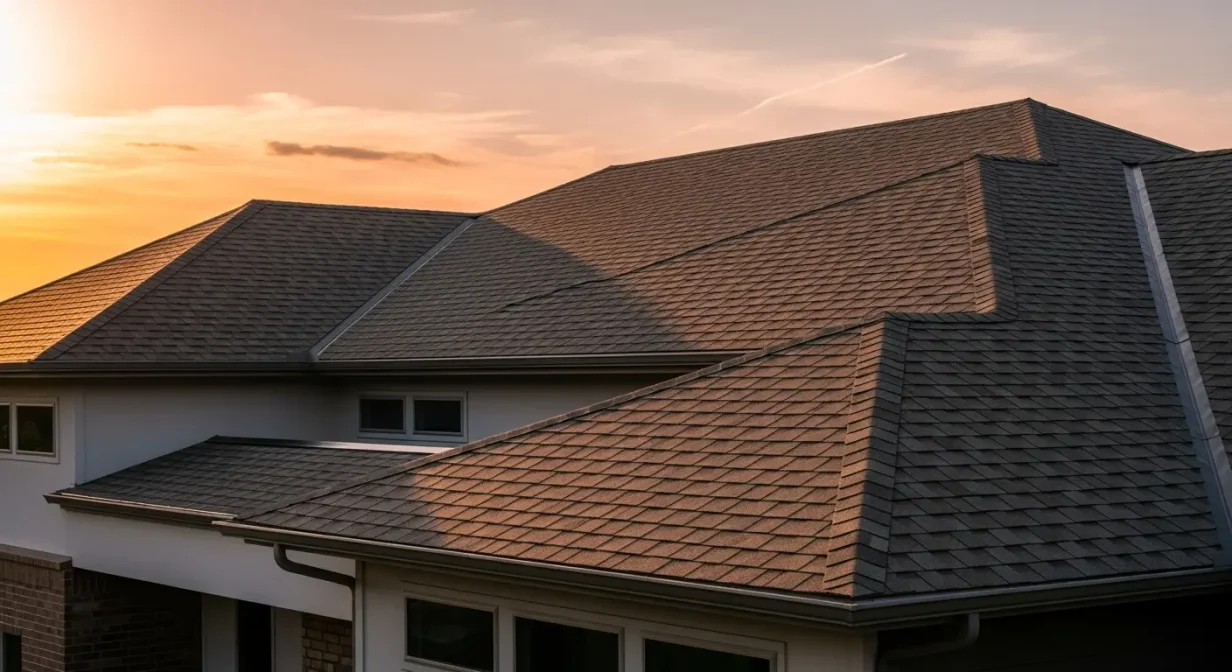
Laminate shingles, also known as architectural shingles, are constructed with multiple bonded layers to create a heavier, more dimensional appearance. This multi-layer construction provides increased wind resistance and a longer service life compared to standard single-layer 3-tab shingles. Follow the manufacturer’s specific offset pattern during installation to ensure the structural laminate bond functions correctly under wind loads.
Key Takeaways
- Laminate shingles offer a double-layered thickness that significantly outperforms 3-tab shingles in wind uplift tests per ASTM D3161.
- The International Residential Code (IRC 2021) requires specific fastening patterns in high-wind zones like the DFW Metroplex to maintain warranty coverage.
- Upgrading to a Class 4 impact-resistant laminate shingle can reduce Texas homeowners insurance premiums by up to 20% in many Dallas neighborhoods.
Laminate shingles have revolutionized the residential roofing market in the DFW Metroplex, moving far beyond the flat, thin profile of traditional asphalt shingles. These multi-layered components provide a dimensional appearance that mimics wood shakes while offering the fire resistance required by the International Code Council (ICC). As a consultant, I’ve seen these materials become the baseline for any home looking to survive the brutal Texas sun and volatile storm seasons. FIELD NOTE #1: Last month, a Dallas homeowner in Lake Highlands called me after a minor storm caused significant shingle loss on their five-year-old roof.
Upon inspection, I discovered the previous contractor installed basic 3-tab shingles instead of laminate shingles, which simply couldn’t handle the 70mph gusts we experienced. This oversight led to a $14,000 interior remediation claim that could have been avoided with the right material specification. When evaluating laminate shingles, it is essential to look beyond the aesthetic and focus on the technical standards set by ASTM International. These materials are engineered to withstand thermal expansion and contraction, a common issue in North Texas where temperatures can swing 40 degrees in a single day.
Proper specification ensures your roof meets the rigorous requirements of the National Roofing Contractors Association (NRCA).
Anatomy of Modern Laminate Shingles
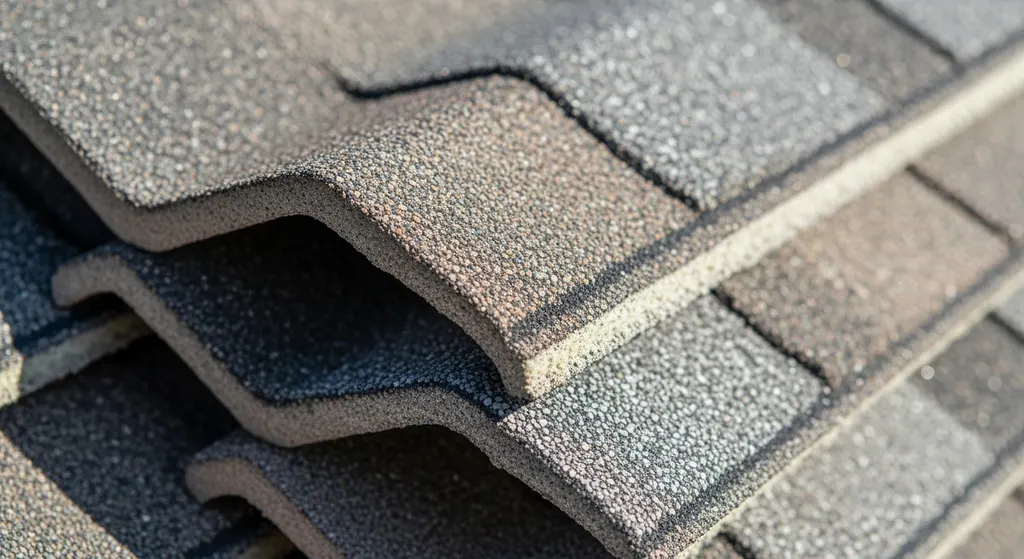
Laminate shingles are manufactured by fusing two or more asphalt-impregnated fiberglass mats together, creating a ‘laminated’ or architectural look. This double-layer construction provides a heavier weight per square than standard asphalt shingles, which translates to higher tear strength and better performance during high-wind events. The top layer is coated with ceramic-coated mineral granules that provide UV protection and the specific color profile. Most high-quality laminate shingles, such as GAF Timberline HDZ or CertainTeed Landmark, utilize a modified bitumen sealant strip that activates with heat.
In the Dallas heat, these strips bond the shingles together into a monolithic barrier shortly after installation. This process is vital for meeting the ASTM D3462 standard, which governs the physical properties of asphalt shingles including nail-pull-through resistance.
| Material Specs | |
|---|---|
| Weight | 230-260 lbs per square |
| Wind Rating | Up to 130 mph with 6-nail pattern |
| Fire Rating | UL Class A |
Performance in the Dallas-Fort Worth Climate
The DFW Metroplex presents a unique challenge for roofing materials due to extreme UV exposure and the annual threat of large-diameter hail. Laminate shingles are specifically engineered to resist the thermal degradation caused by 100°F+ summer days. By utilizing advanced polymers in the asphalt blend, manufacturers have improved the flexibility of the shingles, allowing them to expand and contract without cracking. Furthermore, the dimensional nature of laminate shingles provides better impact resistance than flat profiles.
When hail strikes the multi-layered sections, the impact energy is dissipated more effectively, reducing the likelihood of a puncture in the fiberglass mat. This is why the National Roofing Contractors Association (NRCA) often recommends architectural shingles for regions prone to severe weather.
Field Note from Experience
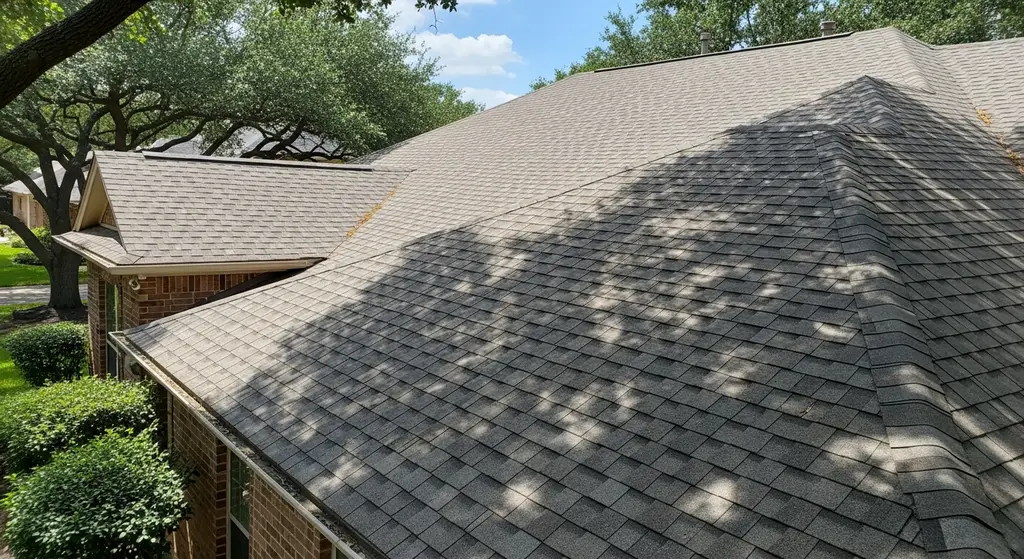
I recently inspected a property in Plano after a spring storm dropped 1.5-inch hail across the neighborhood. While the neighbor’s 3-tab roof was completely totaled with visible mat exposure, the laminate shingles on my client’s home showed only minor granule loss. This saved them a $20,000 replacement cost and the headache of a massive insurance claim.
Critical ASTM Standards and Code Compliance
Adherence to ASTM International standards is non-negotiable for a valid roof system in Texas. Laminate shingles must meet ASTM D3161 Class F or ASTM D7158 Class H to be rated for the wind speeds required by the International Residential Code (IRC 2021). These tests ensure that the shingles will remain attached to the CDX plywood or OSB decking during a severe wind event. In addition to the shingles themselves, the entire assembly must comply with IRC R905.
This includes the use of a synthetic underlayment that meets ASTM D226 Type II or ASTM D4869 standards. In Dallas County, building inspectors frequently check for the presence of an ice and water shield in valleys and around penetrations, as these are the most common failure points during heavy North Texas rains.
High-Nailing
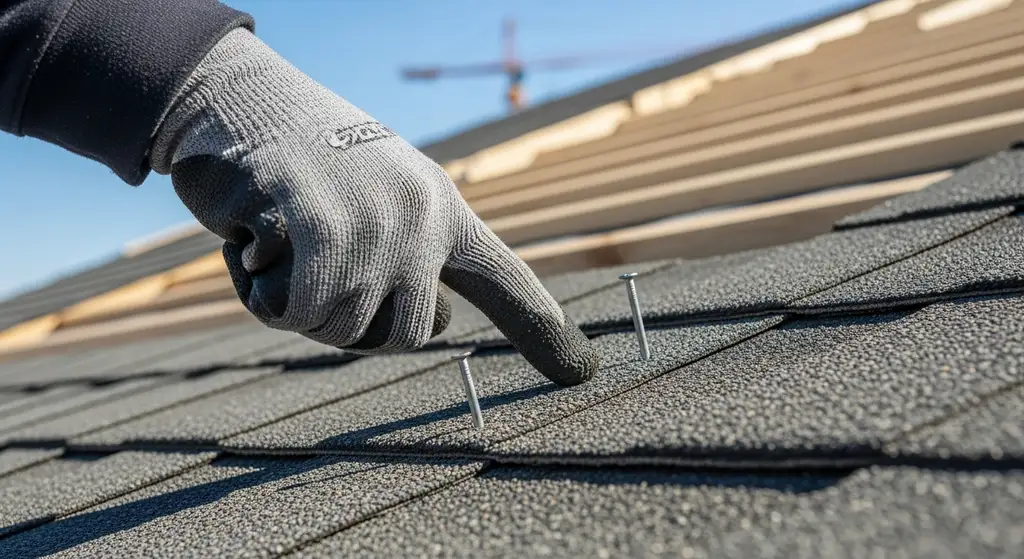
Consequence: Fasteners placed above the common bond area will void the wind warranty and lead to shingle blow-offs.
Reusing Flashing
Consequence: Old flashing often has hidden corrosion that leads to leaks, even if the new laminate shingles are installed correctly.
Dallas Pricing and Investment Analysis
The cost of installing laminate shingles in the Dallas market is influenced by roof pitch, height, and the number of valleys. On average, a standard 2,500 square foot home in the DFW Metroplex will cost between $12,000 and $18,000 for a full replacement. This includes the removal of old layers, disposal fees, and the installation of new drip edges and ventilation components. While laminate shingles have a higher upfront cost than 3-tab shingles, the total cost of ownership is significantly lower.
The extended lifespan—often 30 to 50 years—and the reduced frequency of repairs make them the most cost-effective choice for Texas homeowners. Furthermore, the aesthetic boost often increases home resale value in competitive markets like Frisco or Southlake.
Dallas Market Pricing
In Dallas-Fort Worth, expect to pay $450-$675 per roofing square (100 sq. ft.) for laminate shingles. These are current 2026 Dallas market prices; costs can be 15-25% higher in remote Texas areas and 10% lower in rural counties. Prices typically peak in spring (March-May) after storm season.
| Component | Dallas Market Range (per Sq) |
|---|---|
| Laminate Shingles (Material) | $110 – $145 |
| Labor (Professional) | $180 – $250 |
| Underlayment & Accessories | $60 – $90 |
| Disposal & Permits | $40 – $70 |
What Contractors Hide
Material Markup
The Reality: Contractors often mark up materials by 30-40% to cover overhead and warranty reserves.
Subcontractor Labor
The Reality: Many large Dallas firms use 1099 crews; ensure the lead foreman is factory-certified for the specific shingle brand.
External Authoritative Resources
These industry-standard references support the information in this guide:
Building Codes
Frequently Asked Questions
Are laminate shingles the same as architectural shingles?
Yes, these terms are used interchangeably in the industry to describe multi-layered asphalt shingles that meet ASTM D3462 standards for dimensional roofing.
How long do laminate shingles last in Texas?
In the Dallas climate, a well-ventilated roof with laminate shingles typically lasts 22-28 years, depending on storm frequency and NRCA-compliant maintenance.
Do I need to replace my decking for laminate shingles?
IRC R803.2.1 requires a solid deck. If your existing OSB or CDX plywood shows signs of delamination or rot, it must be replaced to ensure proper fastener pull-out resistance.
Can laminate shingles be installed over old shingles?
While code allows a ‘recover’ in some areas, the NRCA and most Dallas consultants recommend a full tear-off to inspect the decking and ensure ASTM D226 underlayment compliance.
What wind speed are laminate shingles rated for?
Most high-quality laminate shingles carry a 130 mph wind warranty when installed with a 6-nail pattern and specialized starter shingles per manufacturer specs.
Do laminate shingles help with energy efficiency?
Many laminate shingles are Energy Star certified ‘cool roofs’ that use reflective granules to reduce attic temperatures by up to 30 degrees in the Texas heat.
Final Thoughts
Laminate shingles represent the optimal balance of cost, durability, and aesthetic appeal for the Dallas-Fort Worth market. By selecting a product that meets ASTM D3462 and ensuring your contractor follows IRC 2021 fastening requirements, you are making a long-term investment in your home’s structural integrity. Don’t settle for inferior 3-tab products that are prone to wind failure in our volatile North Texas climate. FIELD NOTE #3: I always tell my clients in neighborhoods like Preston Hollow or Southlake that the cheapest quote is often the most expensive in the long run.
I once saw a ‘budget’ installation fail after just three years because the contractor skipped the ice and water shield in the valleys, leading to $8,500 in structural rot. Always prioritize technical specifications over the bottom-line price to ensure your roof actually protects what’s underneath it.
