
Contractor’s Bottom Line
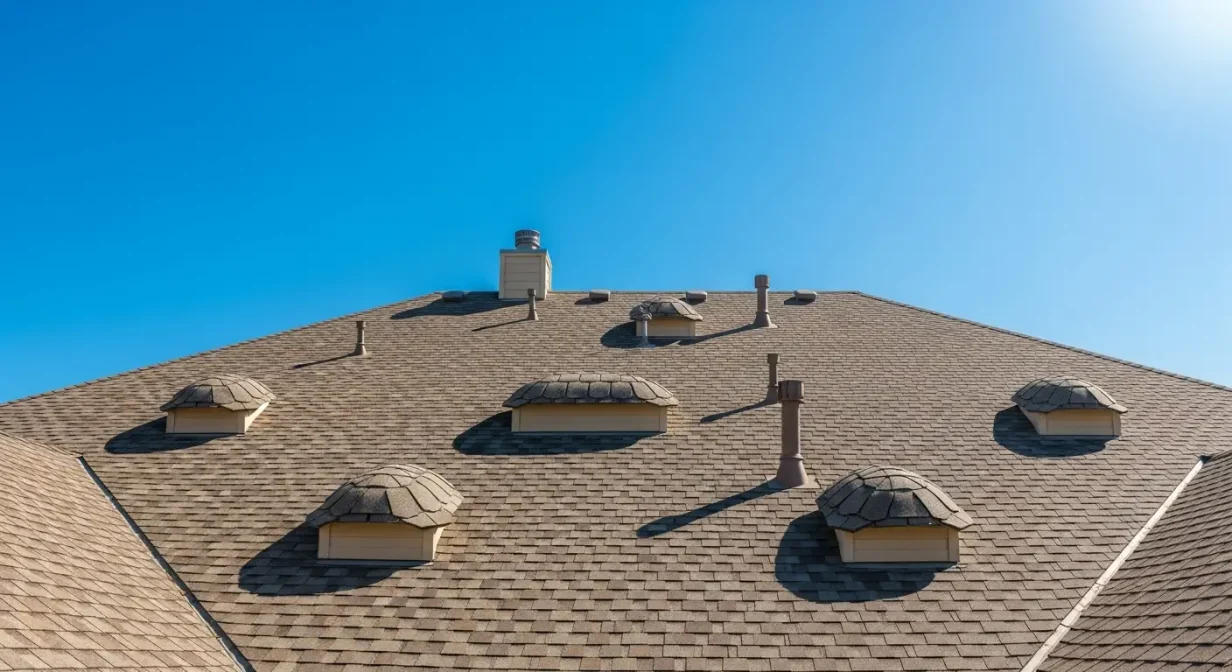
A turtle vent roof utilizes low-profile, static exhaust vents that sit flush against the roof plane to expel warm attic air. While less obtrusive than taller box vents, turtle vents have a lower net free area rating, requiring a higher quantity to meet IRC ventilation codes. Calculate the total number of turtle vents needed based on their individual airflow capacity to achieve the necessary net free area for your attic.
Key Takeaways
- Leaking around the base of a turtle vent is a common sign of failure, often requiring immediate attention to prevent water damage.
- Cracked or missing turtle vent covers compromise attic ventilation and can lead to moisture buildup, potentially costing thousands in repairs.
- Regular roof inspections, especially after severe weather in the Dallas-Fort Worth area, are crucial for identifying and addressing turtle vent issues early.
Turtle vents, also known as box vents, are a common passive ventilation solution for roofs, especially in older homes across Dallas. They allow hot air to escape from the attic, helping to regulate temperature and prevent moisture buildup. However, these vents are prone to issues that can compromise your roof’s integrity and lead to costly repairs. In my 8+ years as a construction consultant in Dallas, I have seen many homeowners overlook the importance of properly maintained turtle vents.
Ignoring these small components can lead to significant problems, including roof leaks and wood rot. The International Code Council (ICC) emphasizes proper ventilation in the International Residential Code (IRC), and neglecting this aspect can void warranties and create code compliance issues. A well-ventilated attic helps extend the life of your roof and reduce energy costs.
Common Warning Signs of Turtle Vent Problems
Identifying problems early is crucial to preventing costly repairs. One of the most obvious signs is water stains on the ceiling below the vent, indicating a leak. Also, look for cracked or missing vent covers, which can allow rain and debris to enter the attic. In the Dallas area, hail storms often damage these vents, so inspect them after any significant weather event.
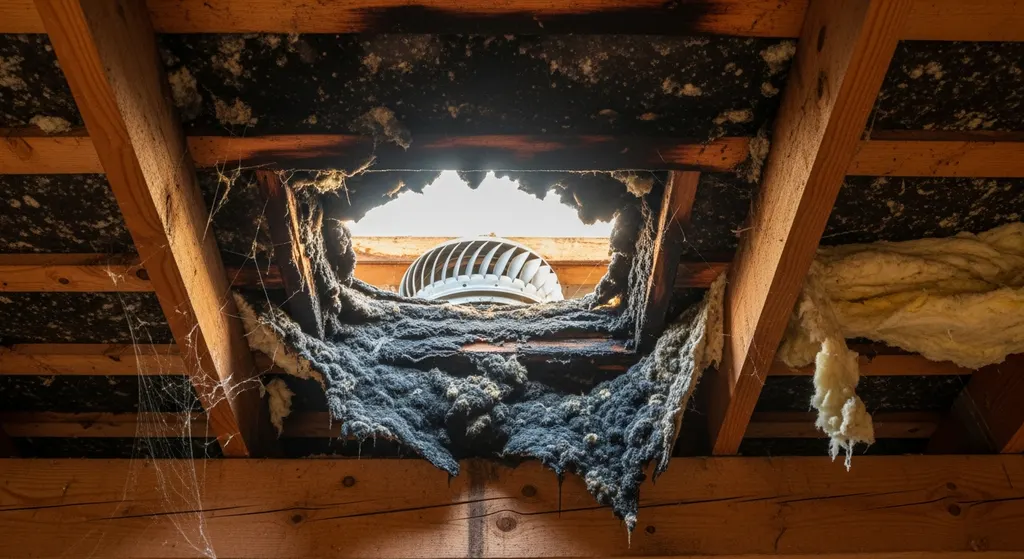
Another warning sign is excessive condensation in the attic. This can lead to mold growth and wood rot, compromising the structural integrity of your roof. Check for dark stains on the underside of the roof sheathing or rafters. According to the NRCA (National Roofing Contractors Association), proper ventilation is essential to prevent moisture buildup and extend the life of your roof.

Field Note from Experience
After inspecting dozens of Dallas-area roofs, I found that turtle vents on south-facing slopes tend to deteriorate faster due to prolonged sun exposure and extreme heat cycles.
How to Inspect Turtle Vents for Damage
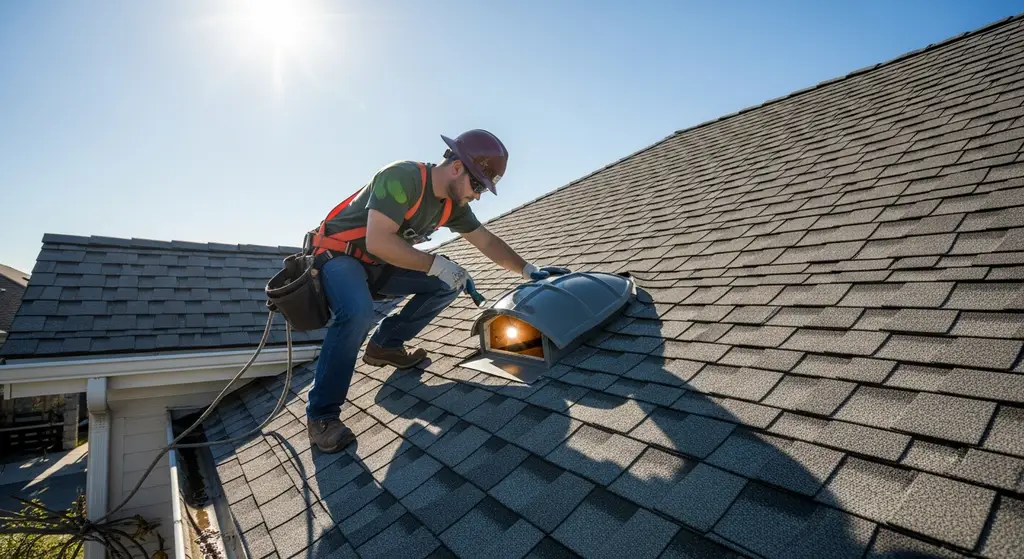
A thorough inspection requires both a visual assessment from the ground and a closer look from the roof or attic. From the ground, use binoculars to check for cracked or missing vent covers. On the roof, carefully examine the flashing around the vent base for any signs of damage or corrosion. Remember safety first, so if you are not comfortable on a roof, hire a professional.
Inside the attic, check for water stains or mold growth around the vent opening. Use a flashlight to inspect the underside of the roof sheathing for signs of moisture damage. The International Residential Code (IRC 2021) provides guidelines on proper roof ventilation, and ensuring your vents meet these standards is crucial. According to ASTM D4869, underlayment should be inspected for deterioration.
Field Note from Experience
Working on Texas roofing projects, I have noticed that many homeowners are unaware of the condition of their roof vents until a leak occurs. Regular inspections can prevent these problems.
Assessing the Severity of Turtle Vent Damage
The severity of damage dictates the necessary course of action. Minor cracks in the vent cover might be repairable, but significant damage or leaks require vent replacement. Water damage inside the attic necessitates addressing the source of the leak and repairing any rotted wood. Ignoring these issues can lead to more extensive and costly repairs.
Evaluate the extent of water damage to the roof sheathing and rafters. If the damage is localized, you might be able to replace only the affected sections. However, widespread damage may require a complete roof replacement. According to FEMA (Federal Emergency Management Agency), proper roof maintenance is essential for protecting your home from weather-related damage.
OSHA (Occupational Safety and Health Administration) guidelines should always be followed when working on a roof.
Field Note from Experience
In my 8+ years as a construction consultant in Dallas, I have seen water damage from leaking roof vents cost homeowners thousands of dollars in repairs. Prevention is key.
External Authoritative Resources
These industry-standard references support the information in this guide:
Building Codes
Frequently Asked Questions
What are turtle vents and what do they do?
Turtle vents, also called box vents, are passive ventilation devices installed on roofs to allow hot air to escape from the attic. They help regulate attic temperature, prevent moisture buildup, and extend the life of the roof.
How often should I inspect my turtle vents?
It’s recommended to inspect your turtle vents at least twice a year, ideally in the spring and fall. After any severe weather event, such as a hail storm, a more thorough inspection is crucial.
Can I replace a damaged turtle vent myself?
Replacing a turtle vent is a relatively straightforward task for experienced DIYers. However, working on a roof can be dangerous, so if you’re not comfortable with heights or lack the necessary skills, it’s best to hire a professional roofing contractor. Proper flashing installation is critical to prevent leaks, conforming to NRCA standards.
What are the signs of a leaking turtle vent?
Signs of a leaking turtle vent include water stains on the ceiling below the vent, moisture or mold growth in the attic around the vent opening, and visible damage to the vent cover or flashing.
How much does it cost to replace a turtle vent in Dallas?
The cost to replace a turtle vent in Dallas typically ranges from $150 to $400, depending on the type of vent, the complexity of the installation, and the contractor’s rates. This typically includes the vent itself and labor.
What type of turtle vent is best for my Dallas home?
The best type of turtle vent depends on your roof’s design and ventilation needs. Consider factors like vent size, material (plastic or metal), and wind resistance. Consult with a roofing professional to determine the most suitable option. GAF and Owens Corning offer various vent options.
Final Thoughts
Maintaining your turtle vents is a crucial aspect of overall roof health, especially in the challenging climate of Dallas. Regular inspections and prompt repairs can prevent costly water damage and extend the life of your roof. Neglecting these seemingly small components can lead to significant problems down the road. Remember, proper ventilation is essential for a healthy and energy-efficient home.
If you suspect any issues with your turtle vents, consult with a qualified roofing contractor to ensure your roof is properly protected. Don’t wait for a small problem to become a major headache; address it promptly to safeguard your investment. Always verify your contractor’s Texas Department of Licensing and Regulation (TDLR) license.
