
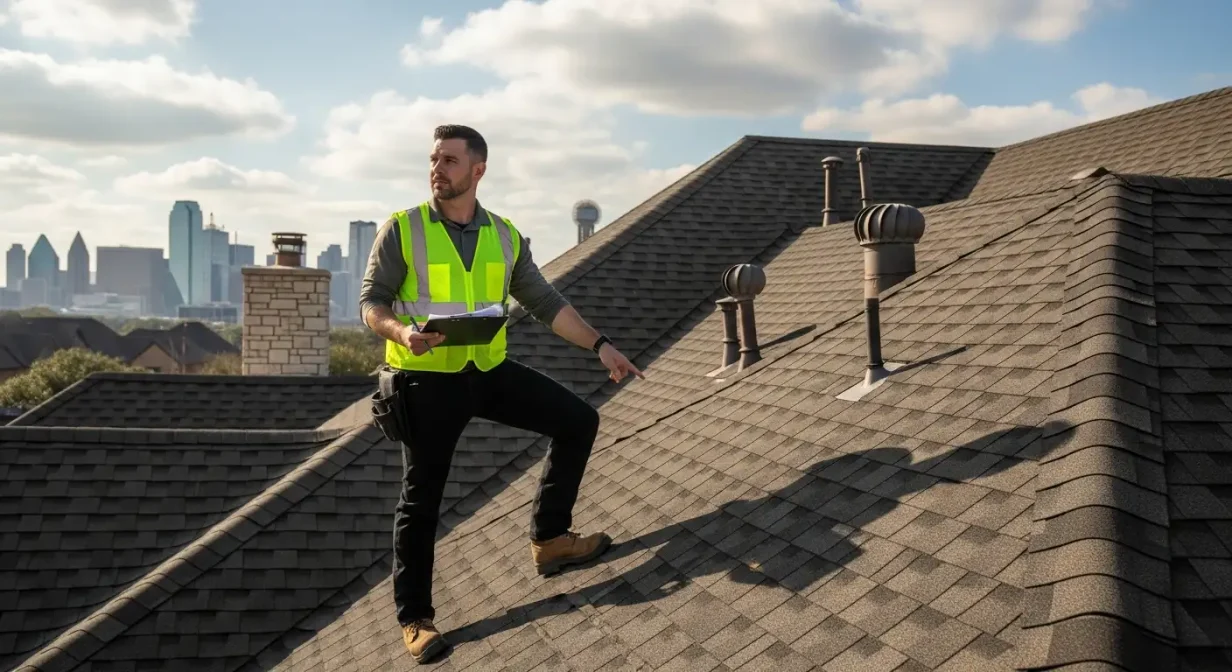
Contractor’s Bottom Line
Figuring roofing accurately requires calculating the total surface area of all roof planes, accounting for the pitch multiplier. A roofing square equals 100 square feet, and estimators must add a standard 10 to 15 percent waste factor for cuts and starter strips. Measure each distinct roof plane individually, apply the appropriate slope factor, and convert the total into squares to order materials.
Key Takeaways
- Always calculate roof ‘squares’ by dividing total surface area by 100, adding 10% for waste on standard gables.
- IRC R905.1.1 requires specific underlayment applications based on roof pitch, particularly for slopes between 2:12 and 4:12.
- ASTM D226 Type II felt or modern synthetic underlayment must be figured into every estimate to meet Dallas code compliance.
- Thermal expansion in North Texas heat requires precise figuring of gap spacing for CDX plywood or OSB roof decking.
Figuring roofing accurately requires more than just a tape measure; it demands a deep understanding of geometry and International Code Council (ICC) standards. When I walk a property in the DFW Metroplex, I am looking for complex intersections and pitch changes that many junior estimators miss. Proper calculations ensure that your asphalt shingles and ice and water shield are ordered in the correct quantities to avoid mid-project delays. FIELD NOTE #1: Last month, a Dallas homeowner in the Lakewood neighborhood called me after a contractor’s poor ‘figuring’ left their roof partially open during a spring thunderstorm.
The contractor underestimated the material by four squares of GAF Timberline HDZ shingles, resulting in $8,500 in interior water damage. This error was entirely preventable had they followed National Roofing Contractors Association (NRCA) guidelines for waste calculation on steep-slope roofs. In this guide, we will break down the technical process of figuring roofing for both residential and commercial applications. We will reference specific ASTM International standards and IRC 2021 codes that govern our work in Texas.
Whether you are a homeowner or a professional, these metrics are the foundation of a successful roofing system.
Critical IRC Code Requirements for Roofing Figures
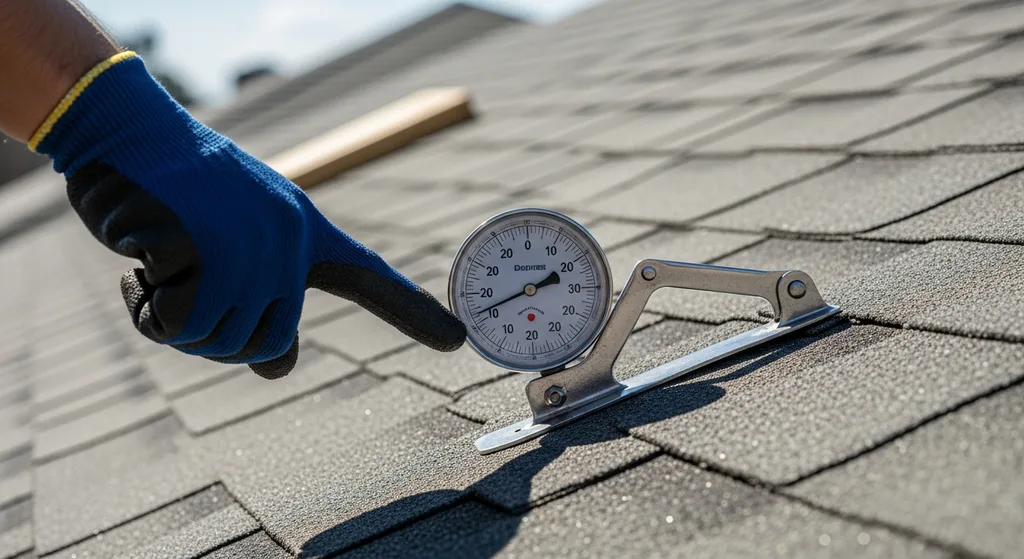
When figuring roofing, you must first determine if the existing structure meets IRC R803.2.1 requirements for roof sheathing. In Dallas, we typically see 15/32-inch CDX plywood or oriented strand board (OSB) as the standard substrate. If your figures show a slope less than 2:12, the International Residential Code (IRC) prohibits the use of asphalt shingles altogether, requiring a transition to membrane systems. Furthermore, IRC R905.1 mandates that all roof coverings be installed according to manufacturer specifications and local amendments.
For homes in North Texas, this often includes specific fastening patterns to resist wind uplift during storm season. I always verify that my figures include enough fasteners to meet the 6-nail pattern required for high-wind warranties in the DFW Metroplex.
| Code Compliance Metrics | |
|---|---|
| Minimum Pitch for Shingles | 2:12 (with double underlayment) |
| Standard Sheathing | 15/32-inch CDX Plywood |
| Fastener Standard | ASTM D1761 |
Step-by-Step: How to Figure Roofing Squares and Materials
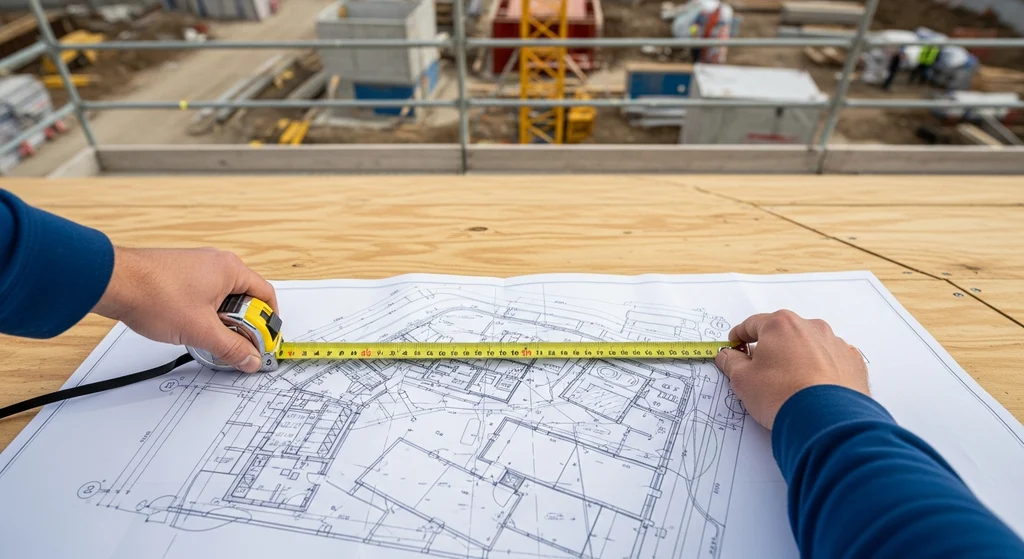
The first step in figuring roofing is calculating the base ‘footprint’ of the structure and then applying a pitch multiplier. For a standard 4:12 pitch roof in Dallas, you multiply the flat area by 1.054 to account for the slope. This provides the actual surface area, which you then divide by 100 to determine the number of squares needed for your asphalt shingles. Next, you must figure the linear footage for all hips, ridges, and valleys to order the correct amount of accessory materials.
I recommend using ASTM D4869 compliant synthetic underlayment, as it provides superior UV resistance during our 100°F+ Texas summers. Don’t forget to include a 10% buffer for starter shingles and ridge caps, which are often overlooked in basic estimates.
| Roof Component | Calculation Method | Waste Factor |
|---|---|---|
| Main Field | Area x Pitch Multiplier | 5-10% |
| Hips & Ridges | Linear Feet / 30 | 10% |
| Valleys | Linear Feet (ASTM D3043) | 15% |
Field Note from Experience
During an inspection in Plano, I found a contractor who failed to figure the valley waste correctly on a 50-square roof. They ran out of architectural shingles and tried to mix different dye lots from a local Dallas supplier. This resulted in a visible stripe across the roof, and I had to advise the homeowner to reject the work, costing the contractor $3,200 in labor to redo the section.
Factoring the Dallas Climate into Your Figures
In the Dallas-Fort Worth area, our extreme heat cycles and spring hail storms dictate how we figure roofing systems. Thermal bridging can significantly impact the longevity of your roof deck, so I always figure for R-38 or higher attic insulation to meet Energy Star standards. Additionally, the high UV index in North Texas means that underlayment meeting ASTM D226 Type II is a bare minimum; I prefer high-temp ice and water shields in all valleys. When figuring for hail resistance, I recommend Dallas homeowners look at UL 2218 Class 4 rated shingles like Owens Corning Duration Storm.
While the initial material figure might be 20% higher, the long-term savings on insurance premiums in Texas are substantial. We also have to account for the ‘Dallas heat’ by figuring for enhanced ventilation, often exceeding the standard 1:150 ratio required by code.
Dallas Market Pricing
In Dallas-Fort Worth, expect to pay $4.50-$7.00 per square foot for a complete roofing system. These are current 2026 Dallas market prices; costs vary by region and can be 15-25% higher in remote Texas areas. Peak pricing occurs spring (March-May) storm season due to high demand for hail remediation.
External Authoritative Resources
These industry-standard references support the information in this guide:
Building Codes
International Residential Code (IRC 2021)
Official building code for residential construction
ICC Code Adoption Map
Find which IRC version your state uses
Industry Standards
NRCA Roofing Manual
National Roofing Contractors Association best practices
ASTM International Standards
Material testing standards (ASTM D3043, D1761)
Manufacturer Resources
Frequently Asked Questions
What is the standard waste factor when figuring a Dallas roof?
For a standard gable roof, we figure a 10% waste factor, but for complex DFW homes with multiple hips and valleys, 15% is recommended by the NRCA.
Does Dallas code require ice and water shield?
While IRC 2021 only mandates it in cold climates, many Dallas municipalities recommend it in valleys to meet ASTM D1970 standards for leak prevention.
How many nails per shingle are required in the DFW Metroplex?
To meet high-wind requirements and most manufacturer warranties, a 6-nail pattern is standard practice in North Texas.
Can I use OSB for my roof decking in Texas?
Yes, OSB is permitted under IRC R803.2.1, provided it is APA-rated and installed with proper 1/8-inch gaps for thermal expansion.
How do I figure the number of bundles needed?
Most asphalt shingles come in 3 bundles per square; multiply your total squares by 3 and add your waste factor.
What ASTM standard applies to asphalt shingles?
ASTM D3462 is the primary standard for asphalt shingles made from glass felt and surfaced with mineral granules.
Final Thoughts
Accurately figuring roofing is a technical skill that requires a balance of mathematical precision and local expertise. By following the IRC 2021 codes and NRCA standards, you ensure that your Dallas home is protected against the volatile North Texas climate. Always remember that the cheapest estimate often stems from poor figuring, which leads to corner-cutting during installation. FIELD NOTE #3: I recently consulted for a family in Preston Hollow who chose the lowest bid for a cedar shake-to-shingle conversion.
The contractor failed to figure the cost of new CDX plywood decking, assuming the old lath was sufficient. This mistake resulted in a $12,000 ‘surprise’ change order mid-project. Always insist on a detailed material takeoff before signing any contract to ensure all code-required components are included.
