
Contractor’s Bottom Line
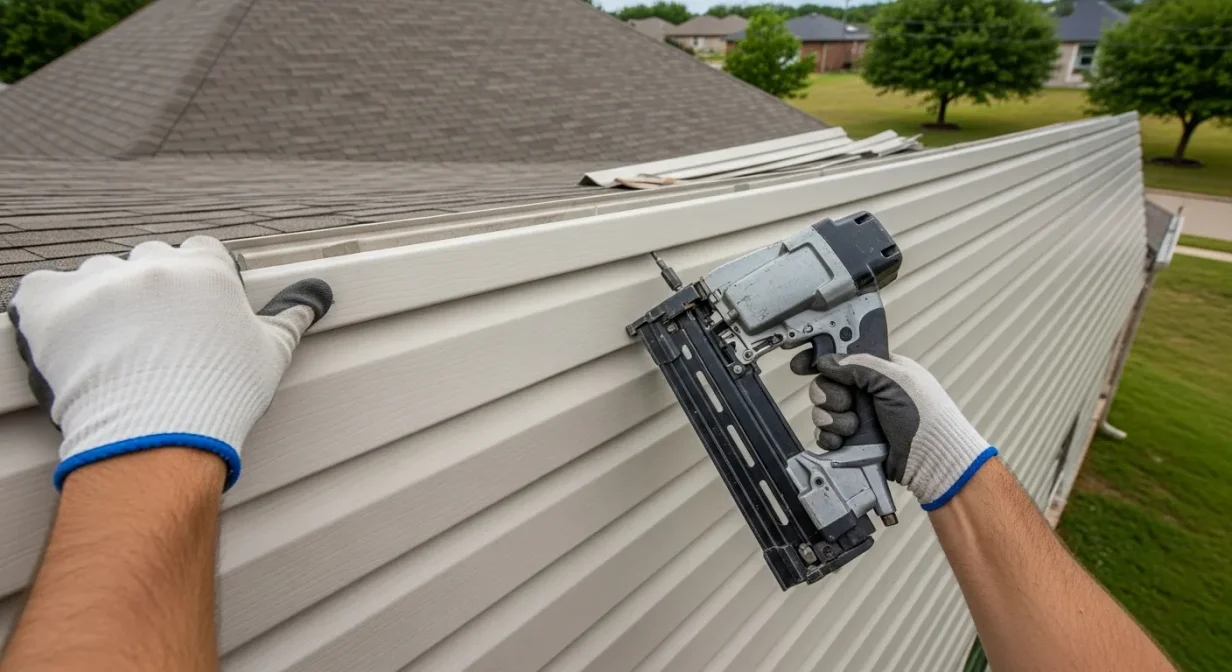
Vinyl siding repair requires specialized techniques because the material expands and contracts significantly with temperature changes. Small cracks can be sealed with color-matched PVC caulk, but severely damaged panels must be unzipped using a locking tool and replaced. Always perform repairs during moderate temperatures to ensure the replacement panel can be locked into the surrounding courses without buckling.
Key Takeaways
- Repairs must comply with IRC R703.11 which dictates specific fastener spacing and penetration depths for wind resistance.
- Localized repair costs in the DFW Metroplex average $4.50 to $9.00 per square foot for labor and materials.
- ASTM D3679 standards ensure that replacement panels match the thermal expansion properties required for 100°F+ Dallas summers.
I have spent over eight years as a consultant in the DFW Metroplex, and I can tell you that vinyl siding repair is often underestimated by both homeowners and general handymen. While the material is resilient, the extreme thermal cycling in North Texas causes significant expansion and contraction that can pull fasteners loose or crack panels. Understanding how to properly integrate new panels with existing synthetic underlayment is the difference between a 20-year fix and a seasonal headache. FIELD NOTE: Last month, a Dallas homeowner in Lake Highlands called me after a ‘budget’ repair resulted in $5,200 in water damage.
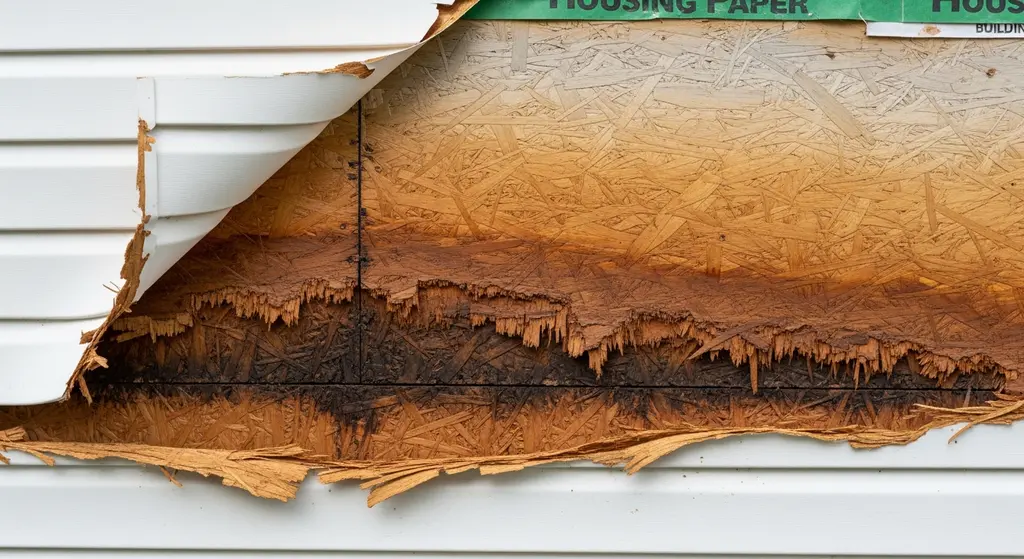
The previous contractor had simply caulked over a cracked panel instead of replacing it, which trapped moisture against the OSB sheathing. By the time I arrived, the structural integrity of the wall was compromised due to advanced rot that could have been avoided with a $200 panel replacement. In this guide, we will break down the technical requirements for a permanent fix. We will reference standards from the International Code Council (ICC) and the National Roofing Contractors Association (NRCA) to ensure your home stays protected.
Whether you are dealing with hail impact or heat warping, the following protocols are what I use to verify professional-grade work.
Repair vs. Replacement: The Dallas Cost-Benefit Analysis
When evaluating vinyl siding repair, I look at the ‘rule of 25’—if more than 25% of a single elevation is damaged, a full wall replacement is often more cost-effective. In the Dallas-Fort Worth area, matching aged vinyl is notoriously difficult due to UV fading from our intense sun exposure. Using ASTM D3679 certified panels ensures the material quality, but the color variance can affect your home’s curb appeal and resale value. For smaller repairs, we focus on the integrity of the water-resistive barrier (WRB).
If the underlying felt underlayment or synthetic underlayment is torn, the repair must extend beyond the visible crack to properly lap the new barrier. This prevents ‘wind-driven rain’ from entering the wall cavity during our spring supercell events. A proper repair maintains the R-value of the assembly and prevents thermal bridging.
Dallas Market Pricing
In Dallas-Fort Worth, expect to pay $4.50-$9.00 per square foot for siding repairs. These are current 2026 Dallas market prices; costs vary by region and can be 15-25% higher in remote Texas areas. Peak pricing occurs spring (March-May) storm season.

| Damage Type | Repair Method | Estimated DFW Cost |
|---|---|---|
| Hail Punctures | Individual Panel Replacement | $350 – $650 |
| Heat Warping | Elevation Re-siding | $1,200 – $3,500 |
| Loose Fasteners | Re-nailing to IRC Code | $250 – $500 |
Field Note from Experience
During an inspection in Plano, I found a homeowner who tried to DIY a siding repair using roofing nails. Because they didn’t leave the required 1/32-inch gap for expansion, the siding buckled like a wave in the 105-degree July heat, requiring a total of $2,800 in replacement costs.
IRC 2021 Compliance for Siding Repairs
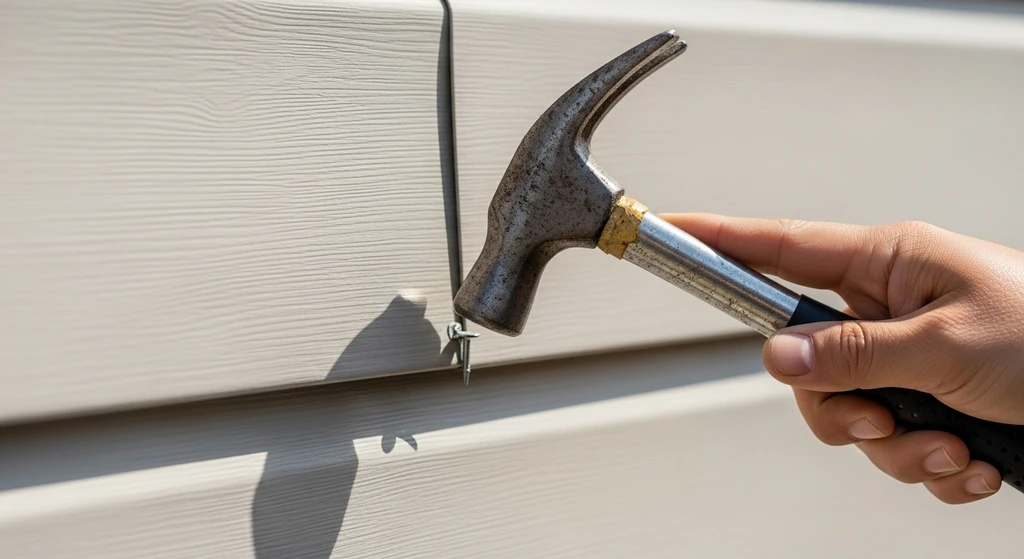
The International Residential Code (IRC) provides strict guidelines for vinyl siding to ensure wind-load resistance. Specifically, IRC R703.11 requires that vinyl siding be secured to the building with corrosion-resistant fasteners. In North Texas, where wind gusts can exceed 70 mph during storm season, I specify G-90 galvanized nails that penetrate at least 3/4 inch into the OSB or CDX plywood sheathing. Furthermore, the code mandates that fasteners be centered in the nailing slots to allow for the horizontal movement of the panels.
If a contractor ‘hard-nails’ the siding, it will crack or buckle as the DFW Metroplex transitions from humid mornings to dry, hot afternoons. We also reference ASTM D4869 for any underlayment repairs that occur simultaneously with the siding work.
| Critical Siding Specs | |
|---|---|
| Fastener Spacing | Max 16 inches on center |
| Nail Head Diameter | Minimum 5/16 inch |
| Panel Overlap | 1 to 1-1/4 inches per manufacturer |
Hidden Realities of Siding Repair Contracts
Many siding contractors in the DFW area will attempt to cut corners by reusing old flashing or skipping the starter strip. I have seen countless ‘repair’ jobs where the contractor simply tucked the new vinyl under old, corroded aluminum flashing. This violates NRCA standards and almost guarantees a leak. They also often mark up materials by 30-40% while using ‘contractor grade’ vinyl that doesn’t meet the impact resistance of higher-end architectural shingles or siding products.
Another common tactic is ignoring the condition of the wall sheathing. If the OSB is soft or showing signs of delamination, a new panel won’t hold its fasteners. Demand a photo of the sheathing before the new siding is installed. This ensures you aren’t just covering up a structural problem that will fail during the next North Texas windstorm.
Contractor offers to ‘waive’ your deductible
Consequence: This is insurance fraud under Texas HB 2102 and can lead to felony charges.
What Contractors Hide
Reusing old J-channel
The Reality: Old J-channel is brittle and often cracks during re-installation, leading to leaks.
Skipping the house wrap repair
The Reality: If the wrap is cut and not taped with high-grade seam tape, moisture will enter the wall.
External Authoritative Resources
These industry-standard references support the information in this guide:
Building Codes
Frequently Asked Questions
Can I repair just one piece of vinyl siding?
Yes, using a siding ‘zip tool’ allows for the removal and replacement of a single panel without disturbing the rest of the wall, provided the replacement matches ASTM D3679 standards.
Why is my vinyl siding buckling in the heat?
Buckling usually occurs because the siding was ‘hard-nailed’ too tightly, preventing it from expanding during 100°F+ Dallas days as required by IRC R703.11.
How much does it cost to fix vinyl siding in Dallas?
Most localized repairs in the DFW Metroplex cost between $350 and $900, depending on the height of the home and the extent of the underlying damage.
Will insurance cover vinyl siding repair?
If the damage is caused by a sudden event like a North Texas hail storm, it is typically covered under ‘proximate cause’ in your policy, minus your deductible.
Can I paint vinyl siding instead of replacing it?
While possible, you must use specific ‘vinyl-safe’ paint to prevent warping caused by excessive heat absorption, which can void manufacturer warranties.
How do I find a match for my old siding?
I recommend taking a small sample to a local DFW distributor like ABC Supply or Suncoast to use a color match tool for the closest possible aesthetic fit.
Final Thoughts
Repairing vinyl siding in the Dallas-Fort Worth area requires more than just a hammer and some nails; it requires an understanding of North Texas climate stressors and IRC 2021 building codes. By ensuring your repairs meet ASTM D3679 and IRC R703.11 standards, you are protecting your home’s largest investment from the inevitable cycles of heat and storm damage. FIELD NOTE: I recently assisted a family in Richardson whose insurance claim was initially denied because the adjuster claimed the siding damage was ‘wear and tear.’ By documenting the specific impact patterns and referencing the ICC code requirements for wind resistance, we were able to get the entire elevation replaced for $8,500. Don’t settle for a patch when your home’s integrity is at stake.
Always demand a professional inspection from someone who knows the Dallas market.
