
Contractor’s Bottom Line
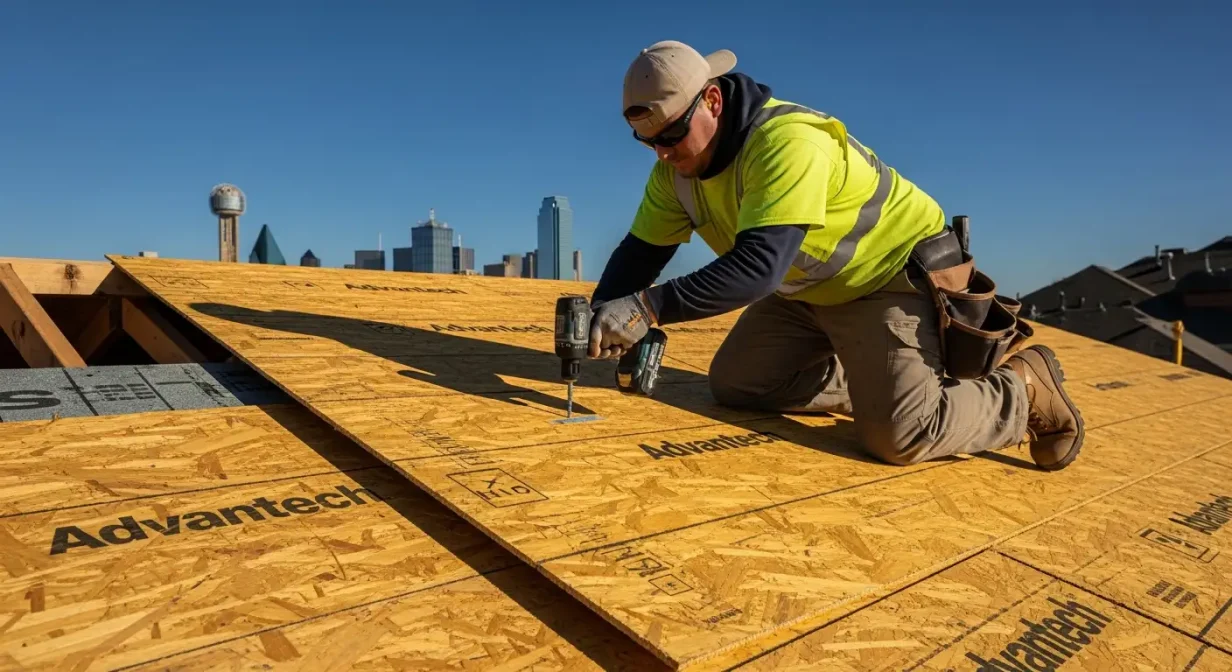
Roof decking screws are generally unnecessary for standard residential applications, as IRC R803.2.1 specifies nail fasteners for wood structural panels. Screws are primarily mandated for metal decking or specialty acoustical ceiling assemblies where pull-out resistance is critical. Use the specified 8d common nails with a minimum 1-1/2-inch penetration into the framing members for standard OSB or plywood sheathing.
Key Takeaways
- Roof decking screws must meet ASTM D1761 standards for mechanical fasteners to ensure structural shear strength in Texas wind zones.
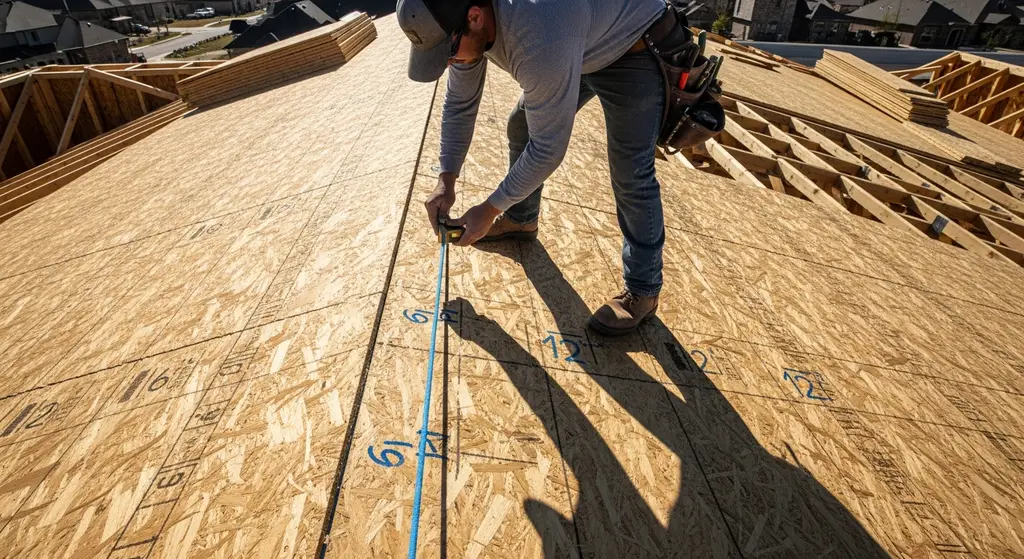
- IRC R803.2.1 requires specific fastening patterns, typically 6 inches on center at edges and 12 inches in the field for most DFW applications.
- High-performance sheathing like Advantech requires specialized screws to prevent moisture intrusion and maintain the manufacturer’s structural warranty.
Selecting the correct roof decking screws is a critical decision that impacts the long-term structural integrity of your home’s entire roofing system. In the Dallas-Fort Worth area, our roofs face extreme environmental stressors including 100-degree summer days and volatile spring storm seasons. Most local building departments follow the International Residential Code (IRC), which dictates strict standards for how sheathing must be secured to rafters. I recently consulted on a project in Highland Park where a previous contractor used generic interior screws for a roof deck replacement.
The lack of proper lateral load resistance caused the CDX plywood to shift during a minor wind event, leading to $18,000 in structural and interior water damage. We replaced the entire deck using G-90 galvanized screws that met ASTM D1761 standards to ensure the home could withstand North Texas straight-line winds. Understanding the difference between standard roofing nails and high-performance screws is essential for any homeowner or contractor. While nails are faster to install, screws offer superior withdrawal resistance, which is vital for preventing ‘shingle blow-off’ during high-wind events.
This guide breaks down the technical specifications, code requirements, and professional best practices for roof deck fastening in 2026.
Technical Specifications for Roof Decking Screws
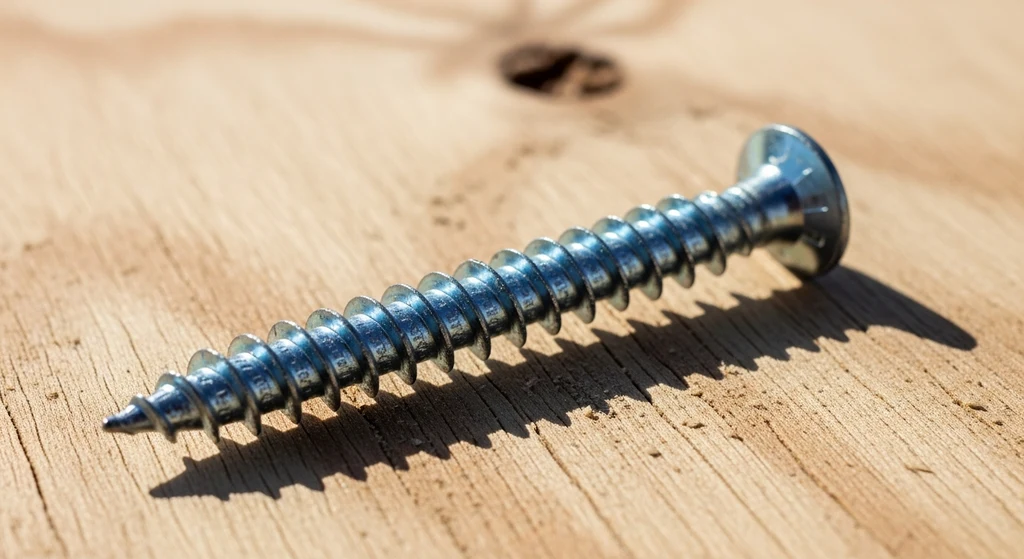
Roof decking screws must be engineered to handle both withdrawal forces and lateral shear loads. Unlike standard wood screws, these fasteners are often coated with ceramic or G-90 galvanization to resist corrosion in the high-humidity environment of a Dallas attic. ASTM D1761 provides the testing framework for these fasteners, ensuring they can maintain their grip under the thermal expansion cycles common in Texas. When specifying screws for materials like oriented strand board (OSB) or Advantech, the thread geometry is paramount.
A coarser thread is typically required to bite into the wood fibers without stripping the substrate, which can happen with high-speed pneumatic drivers. Many premium manufacturers, such as GAF, recommend specific fastener types to maintain the validity of their wind speed warranties on architectural shingles.
| Fastener Material Standards | |
|---|---|
| Coating | G-90 Galvanized or Ceramic |
| Standard | ASTM D1761 |
| Shear Strength | Minimum 300 lbs lateral |
IRC 2021 Code Compliance and Fastening Patterns
The International Residential Code (IRC) R803.2.1 establishes the baseline for roof sheathing attachment. In the DFW Metroplex, most municipalities require a fastening schedule of 6 inches on center along the panel edges and 12 inches on center in the field. If you are using screws instead of nails, the fastener must provide equivalent or greater withdrawal resistance than an 8d common nail. Inspectors in Dallas County are particularly strict about ‘shiners,’ which are fasteners that miss the rafter entirely.
A roof deck with excessive shiners fails to meet the structural diaphragm requirements of the ICC. This is especially critical for homes with steep pitches where the weight of architectural shingles puts constant downward pressure on the deck fasteners.
Field Note from Experience
During an inspection in Plano, I discovered a contractor had used only 4 screws per 4×8 sheet of OSB. This code violation would have cost the homeowner $12,000 in future repairs if the deck had buckled under the weight of a new tile roof. We immediately halted the project to bring the fastening pattern up to IRC 2021 standards.
Common Installation Errors with Decking Screws
The most frequent error I see in North Texas is over-driving the screws, which crushes the wood fibers and significantly reduces pull-through resistance. When a screw head penetrates the top layer of the plywood or OSB, the structural integrity of that connection is compromised. This is a major concern during ‘Texas Northers’ where high winds create significant uplift pressure on the roof surface. Another critical mistake is using the wrong screw length for the decking thickness.
For 15/32-inch or 19/32-inch panels, the screw must penetrate at least 1 inch into the rafter or truss chord. Using 1-inch screws on a 5/8-inch deck leaves only 3/8-inch of engagement, which will fail during the first significant storm. Always verify that your contractor is using at least 2-inch or 2.5-inch fasteners for standard residential framing.
Over-driven screw heads
Consequence: Reduces wind uplift resistance by up to 50%.
Using drywall screws
Consequence: Screws will snap under lateral load due to lack of shear strength.
Fastener Back-out
Typical Cost: $2,500 – $5,000
Prevention: Use ring-shank or specialized decking screws
Insurance Coverage: Often denied if deemed improper installation
Code Reference: IRC R905
Professional vs. DIY Fastening Decisions
While a DIYer can certainly drive screws into a roof deck, the risk of improper installation in the Dallas climate is high. Professionals use calibrated pneumatic or battery-powered drivers that ensure consistent depth without over-driving. Furthermore, a professional roofing contractor in Texas will understand the specific wind-zone requirements for your specific ZIP code, which can vary between Dallas and Tarrant counties. In Dallas-Fort Worth, expect to pay $4.50-$6.50 per square foot for professional decking installation including fasteners.
These are current 2026 Dallas market prices; costs vary by region and can be 15-25% higher in remote Texas areas. Peak pricing occurs during the spring (March-May) storm season when demand for structural repairs is highest.
Dallas Market Pricing
In Dallas-Fort Worth, expect to pay $4.50-$6.50 per square foot. These are current 2026 Dallas market prices; costs vary by region and can be 15-25% higher in remote Texas areas. Peak pricing occurs spring (March-May) storm season.
What Contractors Hide
Reusing old decking screws
The Reality: Contractors may try to save $200, but reused fasteners have compromised coatings and lower torque capacity.
External Authoritative Resources
These industry-standard references support the information in this guide:
Building Codes
International Residential Code (IRC 2021)
Official building code for residential construction
ICC Code Adoption Map
Find which IRC version your state uses
Industry Standards
NRCA Roofing Manual
National Roofing Contractors Association best practices
ASTM International Standards
Material testing standards (ASTM D3043, D1761)
Manufacturer Resources
Frequently Asked Questions
Can I use drywall screws for roof decking?
No, drywall screws lack the lateral shear strength required by ASTM D1761 and will snap under the structural loads of a roof system.
How many screws are needed per 4×8 sheet of decking?
Following IRC R803.2.1, a standard sheet requires approximately 33 fasteners when using 6-inch edge and 12-inch field spacing.
Are screws better than nails for Dallas roofs?
Screws offer higher withdrawal resistance, which is beneficial in high-wind areas, though they are more labor-intensive than NRCA-standard ring-shank nails.
What length screw should be used for 5/8-inch OSB?
A minimum 2-inch screw is recommended to ensure at least 1 inch of penetration into the roof rafters as per ICC standards.
Do roof decking screws cause shingles to bump?
If screws are not driven flush or if they ‘back out’ due to thermal expansion, they can push against the shingles, leading to premature wear.
Does insurance cover improper deck fastening?
Most Texas insurance policies exclude damage caused by ‘faulty workmanship,’ making it vital to follow IRC codes during installation.
Final Thoughts
Investing in high-quality roof decking screws and ensuring they are installed to IRC R803.2.1 standards is the best insurance against the volatile North Texas climate. While the cost may be slightly higher than traditional nailing, the structural peace of mind during a Dallas spring storm is invaluable. Always ensure your contractor is using fasteners that meet ASTM D1761 to maintain your roof’s longevity. I once saw a roof in the DFW Metroplex completely peel away because the contractor used staples instead of screws or nails to save time.
The resulting $45,000 claim was denied due to code non-compliance. Don’t let a few cents per fastener stand between you and a secure home; specify the right hardware and verify the installation patterns every time.
