
Contractor’s Bottom Line
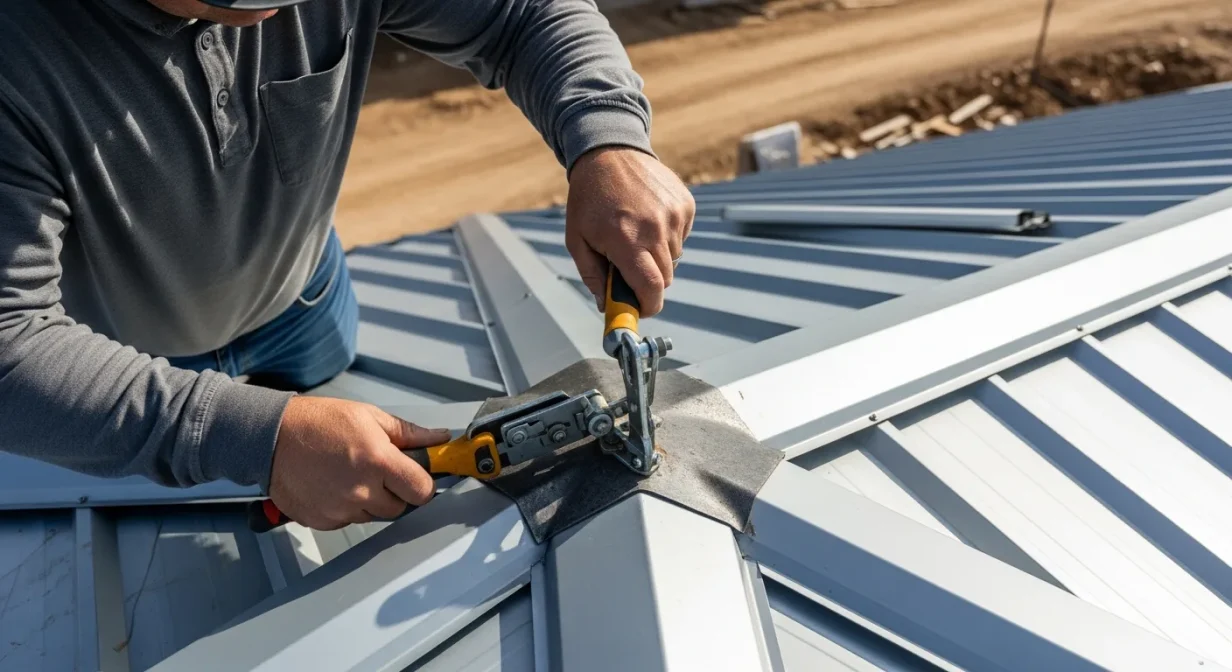
A standing seam metal roof features raised interlocking seams that hide the fasteners, creating a continuous, watertight surface. This concealed-fastener system allows the metal panels to expand and contract freely with temperature changes without stressing the attachment points. Ensure the installer uses the approved clips and sealant tape at the seams to maintain the weather-tight integrity of the system.
Key Takeaways
- Standing seam systems utilize concealed fasteners to prevent leaks, unlike exposed fastener panels which often fail under Texas thermal expansion.
- Expect to pay between $1,200 and $2,000 per square in Dallas, reflecting current 2026 material and labor rates for G-90 galvanized steel.
- ASTM A792 standards for Galvalume coatings are essential for corrosion resistance in the humid North Texas environment.
- Proper ventilation per NRCA standards is mandatory to prevent moisture entrapment between the metal and the synthetic underlayment.
Choosing a roof in the DFW Metroplex requires a balance between aesthetic appeal and the brutal reality of our climate. After eight years as a construction consultant in Dallas, I have seen every type of material fail, but a properly specified standing seam metal roof remains the most resilient option for our region. These systems are defined by their vertical ribs and concealed fasteners, which allow the metal to breathe and move without compromising the building envelope. FIELD NOTE #1: Last year, I inspected a home in North Dallas after a significant hailstorm where the neighbor’s 3-tab shingles were completely shredded, causing $45,000 in interior water damage.
The client’s standing seam system, however, sustained only minor cosmetic dimpling and remained fully watertight. This experience reinforced why I advocate for systems meeting ASTM International standards for impact resistance in our local market. While the initial investment is substantial, understanding the technical specifications like gauge thickness and coating types will save you from costly contractor errors. We will look at the International Code Council (ICC) requirements and the National Roofing Contractors Association (NRCA) best practices that ensure your investment lasts for half a century.
Whether you are in Highland Park or Fort Worth, this guide breaks down exactly what you need to know about this premium roofing solution.
Anatomy of a Standing Seam System
A high-quality standing seam metal roof starts with the substrate, typically G-90 galvanized steel or aluminum-zinc alloy coated steel per ASTM A792. In the Dallas market, we primarily specify 24-gauge or 26-gauge steel to ensure structural integrity against high winds and hail. The lower the gauge number, the thicker the metal, which directly impacts the system’s resistance to ‘oil canning’ or visible waviness. The protective coating is just as critical as the metal itself, with Kynar 500 or Hylar 5000 resin-based finishes being the industry standard for UV resistance.
These coatings help the roof achieve Energy Star certification by reflecting solar radiation, which is vital for keeping Dallas attics cool during 100-degree summers. Without these high-performance finishes, metal can become a heat sink, increasing your cooling loads significantly. Underneath the metal panels, we require a high-temperature synthetic underlayment that meets ASTM D226 Type II standards. Unlike standard felt underlayment, these synthetic barriers can withstand the intense heat generated by metal surfaces without degrading.
I always recommend a self-adhering ice and water shield at the eaves and valleys to provide a secondary layer of protection against wind-driven rain.
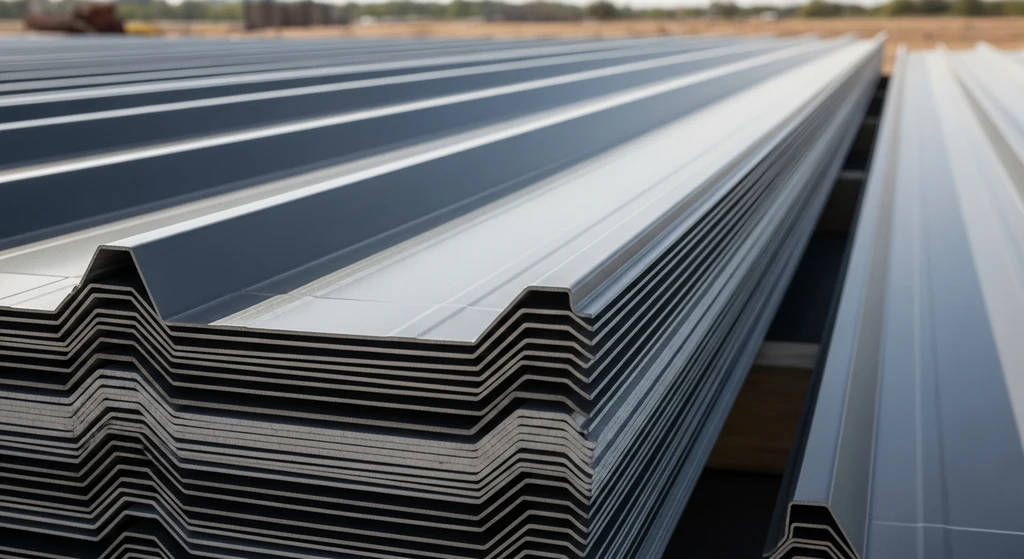
| Material Specifications | |
|---|---|
| Common Gauge | 24 or 26 Gauge Steel |
| Coating Standard | ASTM A792 (Galvalume) |
| Finish Type | PVDF (Kynar 500) |
Performance in the North Texas Environment
The DFW Metroplex presents a unique set of challenges including extreme UV exposure, rapid temperature swings, and severe convective storms. A standing seam metal roof excels here because of its ability to expand and contract freely on its clip system. This prevents the fastener fatigue common in exposed-fastener ‘R-panels,’ which often leak within 10 years in the Texas heat. Wind uplift is another critical factor, and systems must be installed to meet IRC 2021 requirements for the specific wind zone of your neighborhood.
In many parts of Dallas County, this means ensuring the roof can withstand 115 mph three-second gusts. The National Roofing Contractors Association (NRCA) provides specific details for edge flashing and transitions that prevent wind from getting under the panels. Hail resistance is perhaps the biggest selling point for metal in North Texas. Most standing seam systems carry a UL 2218 Class 4 rating, the highest possible for impact resistance.
This doesn’t just protect your home; it often leads to a significant reduction in homeowner insurance premiums, sometimes as much as 20-30% depending on your carrier and policy language.
Field Note from Experience
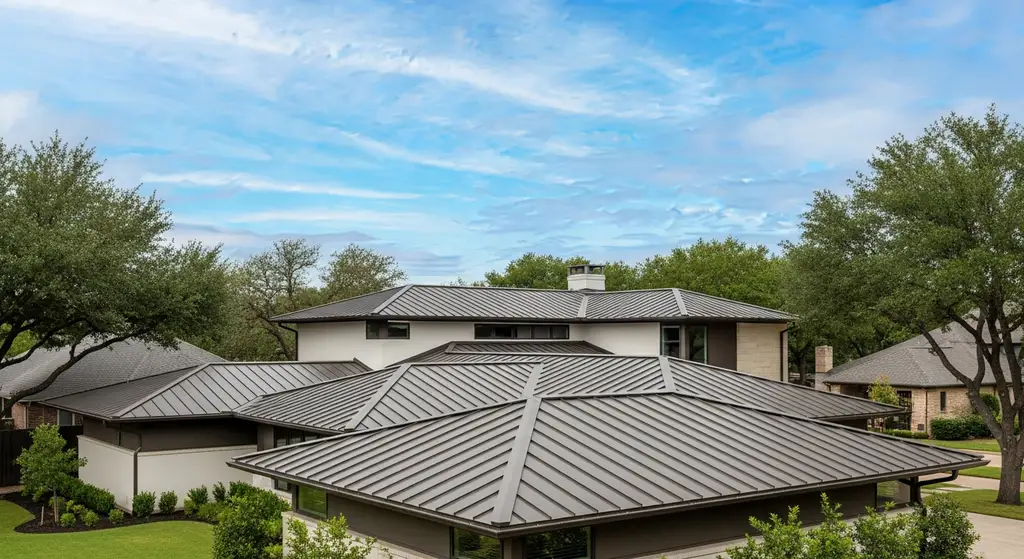
I recently consulted on a project in Lakewood where the homeowner was tired of replacing asphalt shingles every 7 years due to hail. We installed a 24-gauge standing seam system, and despite a golf-ball-sized hail event three months later, the roof suffered zero functional damage. The investment saved them a $6,000 deductible and the headache of another insurance claim.
Dallas Pricing and Investment Analysis
Understanding the cost of a standing seam metal roof in Dallas requires looking beyond the initial quote. While architectural shingles might cost $450 to $600 per square (100 sq. ft.) installed, standing seam starts at $1,200 and can exceed $2,000 per square for complex geometries or premium materials like copper. This price includes the removal of old materials, deck preparation, and the specialized labor required for metal fabrication.
Labor in the DFW Metroplex is a major cost driver, as metal roofing requires a higher skill set than shingle installation. A crew must be proficient in using a standing seam seamer and properly detailing flashing around chimneys and valleys. If a contractor offers you a price significantly lower than the market average, they are likely cutting corners on underlayment or using a thinner 29-gauge metal that won’t hold up. Don’t forget the ‘hidden’ savings associated with metal.
The Energy Star rated finishes can reduce your summer cooling bills by up to 15% in Texas. Furthermore, the life-cycle cost is much lower; you would likely replace an asphalt roof 2.5 times over the lifespan of a single standing seam system, making the metal roof the cheaper option over a 40-year period.
Dallas Market Pricing
In Dallas-Fort Worth, expect to pay $12.00-$20.00 per square foot. These are current 2026 Dallas market prices; costs vary by region and can be 15-25% higher in remote Texas areas. Peak pricing occurs spring (March-May) storm season.
| Component | Estimated Cost (Per Square) |
|---|---|
| 24-Gauge Steel Panels | $550 – $850 |
| Synthetic Underlayment/Accessories | $150 – $250 |
| Specialized Metal Labor | $500 – $900 |
What Contractors Hide: The Truth About Metal
Not all ‘metal roofs’ are created equal, and some contractors in Dallas will try to sell you an inferior product under the guise of a ‘premium’ system. The most common tactic is substituting ‘screw-down’ or exposed fastener panels for true standing seam. While cheaper, these panels have thousands of holes drilled through the metal, and the neoprene washers on the screws will dry out and fail in the Texas sun within a decade. Another industry secret is the ‘markup’ on trim and flashing.
Many contractors buy bulk coils and roll-form panels on-site but charge the same price as factory-ordered systems. While on-site roll-forming is acceptable, you must ensure the machine is properly calibrated to avoid ‘oil canning.’ If the panels aren’t perfectly flat, the aesthetic value of your high-end roof is ruined. Lastly, be wary of warranty loopholes. Most ‘Lifetime’ warranties only cover the paint finish, not the labor to fix a leak.
If the contractor doesn’t follow the NRCA guidelines for clip spacing or perimeter attachment, the manufacturer may deny any future claims. Always ask for a copy of the manufacturer’s installation manual to verify their work against the spec.
Low-ball bids under $1,000 per square
Consequence: Likely indicates the use of inferior materials or uninsured labor.
Refusal to provide a ‘wind uplift’ certificate
Consequence: The roof may not be compliant with local Dallas building codes.
What Contractors Hide
Substituting 29-gauge for 24-gauge
The Reality: Homeowners get a roof that dents easily and has lower wind resistance.
Reusing old flashing
The Reality: Contractors save $500 in materials but create a leak point that costs $5,000 to fix later.
External Authoritative Resources
These industry-standard references support the information in this guide:
Building Codes
Frequently Asked Questions
Does a standing seam metal roof make the house louder when it rains?
When installed over a solid deck with ASTM D226 compliant underlayment and attic insulation, metal roofs are no louder than asphalt shingles. The roof deck and insulation act as sound dampeners that neutralize the ‘drum’ effect.
Can I install metal over my existing asphalt shingles?
While IRC R905.1.1 allows some overlays, the NRCA recommends a full tear-off to inspect the CDX plywood deck. In Dallas, a tear-off is best to ensure the new high-temperature underlayment is properly adhered.
Will my metal roof attract lightning?
Metal roofs are no more likely to be struck by lightning than any other material. However, because metal is non-combustible, it is actually safer than wood or asphalt if a strike does occur.
What is ‘oil canning’ and can it be prevented?
Oil canning is the visible waviness in flat metal panels caused by thermal expansion or over-tightened clips. Using 24-gauge steel and ensuring the roof deck is perfectly level per ASTM standards can minimize this effect.
How long does a standing seam roof actually last in Texas?
With proper maintenance and NRCA-compliant installation, a standing seam system can easily last 50 to 70 years. This is significantly longer than the 15-20 year average for asphalt shingles in the DFW Metroplex.
Do I need special permits for metal roofing in Dallas?
Yes, most cities in the DFW Metroplex require a building permit and a final inspection to ensure compliance with IRC 2021 codes. Your contractor should handle this process as part of their service.
Final Thoughts
Investing in a standing seam metal roof is one of the most significant upgrades you can make to a North Texas home. By choosing a system that adheres to ASTM International standards and IRC code requirements, you are protecting your property from the inevitable hail and heat of the Dallas climate. While the upfront cost is higher, the long-term savings in energy bills, insurance premiums, and replacement costs make it a financially sound decision for those planning to stay in their homes. FIELD NOTE #3: I always tell my clients in neighborhoods like Lake Highlands or Preston Hollow that a roof is only as good as its detail work.
I once saw a $60,000 metal roof leak within two years because the installer used standard roofing caulk instead of proper solder at the chimney flashing. Always hire a specialist who understands that metal roofing is a craft, not just a commodity. If you do it right the first time, you may never have to buy another roof again.
