

Contractor’s Bottom Line
Moss on a roof grows in shaded, damp areas and retains moisture against the shingle surface, accelerating the deterioration of the asphalt. Unlike algae, moss has a root-like structure that can physically lift shingle tabs, allowing wind-driven rain to penetrate the underlying deck. Remove heavy moss growth gently with a soft brush and install zinc strips along the roof ridge to prevent future organic colonization.
Key Takeaways
- Moss thrives in damp, shaded areas, making certain areas of roofs more susceptible.
- Untreated moss can trap moisture against shingles, leading to granule loss and eventual leaks. This can lead to expensive repairs that will require a professional, costing upwards of $1,000 to fix.
- Regular roof inspections, especially after periods of heavy rain, are crucial for early detection and prevention of moss growth. In Dallas-Fort Worth, this is especially important due to the fluctuating weather patterns.
Moss on a roof is more than just an aesthetic issue; it can be a sign of underlying problems that, if ignored, can lead to costly repairs. This is especially true in climates like Dallas, Texas, where humidity and fluctuating temperatures can create ideal conditions for moss growth. Identifying moss early and understanding the risks it poses are crucial steps in maintaining the integrity of your roof and protecting your home. In my 8+ years as a construction consultant in Dallas, I have seen firsthand the damage that unchecked moss growth can inflict on roofing systems.
I remember one case where a homeowner in Plano neglected a small patch of moss, which eventually led to significant shingle deterioration and a $12,000 roof replacement. Proper maintenance and timely intervention can prevent such costly outcomes. The NRCA recommends regular inspections and preventative measures to protect your roof. Addressing roof moss early is critical to preventing damage and expensive repairs.
The IRC 2021 provides standards for roof maintenance.
Identifying Moss on Your Roof: Key Warning Signs
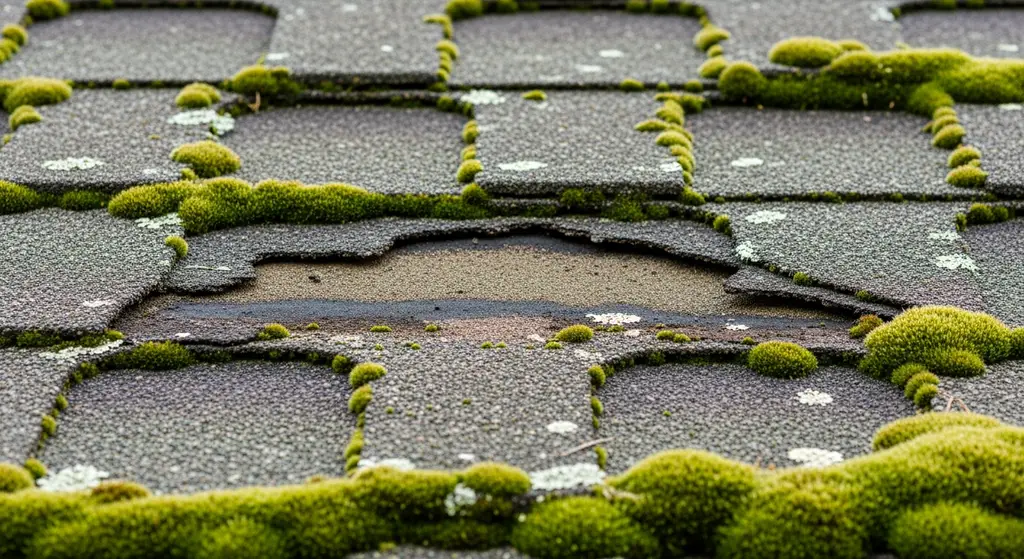
The most obvious sign of moss is the visible green or brownish-green growth on the roof surface. It often appears as small, fuzzy patches initially, which can then spread to cover larger areas. Moss tends to thrive in shaded areas where moisture lingers, such as under trees or on the north-facing side of the roof. Asphalt shingles are particularly susceptible due to their texture and ability to retain moisture.
Beyond the visual appearance, other warning signs include a damp or musty odor emanating from the roof, especially after rain. You may also notice shingle granules accumulating in your gutters, indicating that the moss is contributing to shingle deterioration. According to ASTM D3043, excessive granule loss can reduce the lifespan of asphalt shingles. In Dallas, signs of moss growth can appear after the rainy season.
Don’t dismiss these warning signs.

Field Note from Experience
After inspecting dozens of Dallas-area roofs, I found that moss often starts in the valleys or around chimneys where water tends to accumulate.
How to Inspect Your Roof for Moss Growth
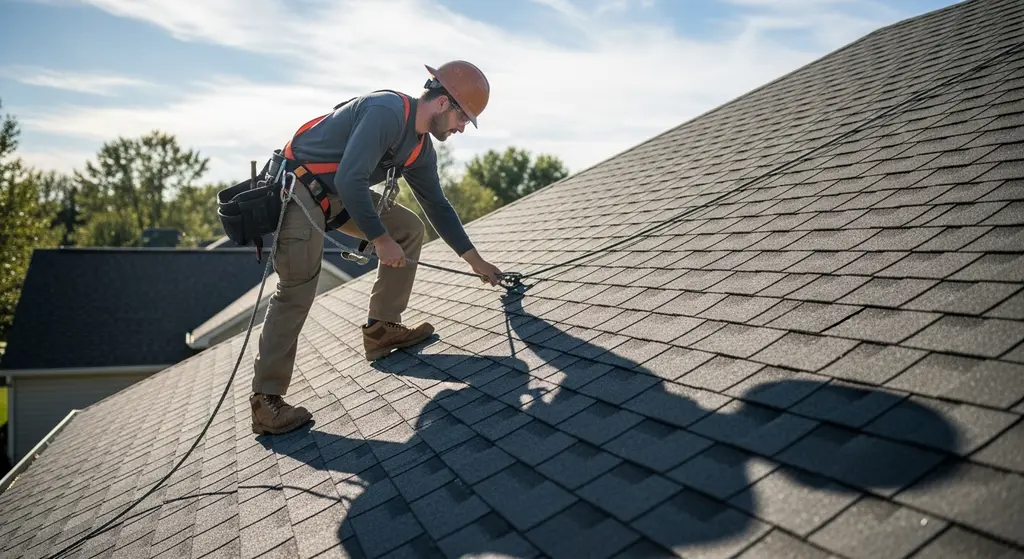
A visual inspection from the ground can often reveal obvious moss growth. Use binoculars for a closer look, but never climb onto the roof yourself unless you are experienced and have the proper safety equipment. For a more thorough inspection, consider hiring a qualified roofing contractor who can safely assess the condition of your roof. They can identify early signs of moss growth that may not be visible from the ground.
A professional inspection will also include checking for other potential issues, such as damaged or missing shingles, deteriorated flashing, and clogged gutters, all of which can contribute to moss growth. The NRCA recommends professional inspections at least once every three years. It is important to check for signs of moss growth regularly, especially in areas with high humidity. The IRC 2021 provides guidance for roof inspections.
Field Note from Experience
Working on Texas roofing projects, I have noticed that homeowners often overlook the importance of cleaning gutters, which can lead to water buildup and moss growth on the roof.
Assessing the Damage Caused by Moss
The primary damage caused by moss is the retention of moisture against the roof surface. This trapped moisture can lead to the deterioration of asphalt shingles, causing granule loss and weakening the shingle material. Over time, this can result in leaks and water damage to the interior of your home. The severity of the damage depends on the extent of the moss growth and the duration it has been present.
In severe cases, moss can even penetrate beneath the shingles and damage the underlying roof deck, requiring costly repairs. According to the IRC 2021, proper roof maintenance is essential to prevent such damage. Ignoring moss growth can lead to premature roof failure, potentially requiring a full roof replacement costing upwards of $10,000 in the Dallas-Fort Worth area. Moss can also increase the weight load on a roof structure, which may violate local building codes.
Dallas Market Pricing
In Dallas-Fort Worth, expect to pay $300-$800 for professional moss removal on an average-sized roof. These are Dallas market prices; costs vary by region and can be 15-25% higher in remote Texas areas.
Field Note from Experience
In my 8+ years as a construction consultant in Dallas, I have seen cases where homeowners had to file insurance claims for water damage caused by moss-related roof leaks. However, these claims are often denied due to lack of maintenance.
External Authoritative Resources
These industry-standard references support the information in this guide:
Building Codes
Frequently Asked Questions
What causes moss to grow on roofs?
Moss thrives in damp, shaded environments. Factors that contribute to moss growth on roofs include tree cover, north-facing orientation, poor ventilation, and debris accumulation. These conditions create the moisture and shade that moss needs to flourish. According to the NRCA, proper ventilation and debris removal are essential for preventing moss growth.
Is moss on my roof a serious problem?
Yes, moss can cause significant damage to your roof if left untreated. It traps moisture against the shingles, leading to granule loss, shingle deterioration, and eventual leaks. In severe cases, moss can even damage the underlying roof deck, requiring costly repairs. IRC R905 provides guidelines for roof covering installation and maintenance.
Can I remove moss from my roof myself?
While it’s possible to remove moss yourself, it’s generally recommended to hire a professional roofing contractor. They have the experience, equipment, and safety training to remove moss safely and effectively without damaging your shingles. Avoid using harsh chemicals or pressure washing, as these can cause further damage.
Will insurance cover moss damage to my roof?
In many cases, insurance policies do not cover damage caused by moss or lack of maintenance. It’s important to review your policy carefully to understand what is covered and what is excluded. Some policies may cover water damage resulting from moss-related leaks, but not the cost of removing the moss itself.
How can I prevent moss from growing on my roof?
Preventative measures include trimming overhanging trees to reduce shade, cleaning gutters regularly to ensure proper water drainage, and applying zinc or copper strips to the roof to inhibit moss growth. The NRCA recommends regular roof inspections and maintenance to prevent moss growth and other issues.
What type of roof is most susceptible to moss growth?
Asphalt shingles are particularly susceptible to moss growth due to their textured surface, which provides a good grip for moss spores and retains moisture. Wood shingles and shakes are also prone to moss growth. Smooth surfaces, such as metal roofs, are less likely to develop moss growth. According to ASTM D226, the type of roofing material can affect its susceptibility to moss growth.
Final Thoughts
Addressing moss on your roof promptly is crucial for maintaining the integrity of your home and preventing costly repairs. Early detection, regular maintenance, and professional intervention when necessary are key to keeping your roof in good condition. By understanding the risks posed by moss and taking preventative measures, you can protect your investment and ensure the longevity of your roof. In my experience, many Dallas homeowners do not realize the extent of the damage that moss can cause until it’s too late.
Don’t wait until you have a leak to take action. Schedule a professional roof inspection today to assess the condition of your roof and address any potential issues. Contact a licensed roofing contractor in the Dallas-Fort Worth area for expert advice and services.
