

Contractor’s Bottom Line
Steel roofs offer superior longevity and fire resistance compared to asphalt shingles, but require a significantly higher initial material investment. While asphalt shingles typically last 20 to 30 years, properly installed steel roofing systems can exceed 50 years with minimal maintenance. Calculate the lifecycle cost over 50 years, accounting for shingle replacements, to accurately compare the long-term value of steel versus asphalt.
Key Takeaways
- Steel roofs offer superior longevity and hail resistance compared to asphalt shingles, lasting 50+ years versus 15-25 years for shingles.
- Asphalt shingles are significantly less expensive upfront, with costs ranging from $4-$7 per square foot installed in Dallas, compared to $10-$18 for steel roofing.
- Proper installation is critical for both types of roofing to ensure code compliance and prevent leaks, referencing IRC R905 for shingle installation and NRCA guidelines for metal roofing.
Selecting the right roofing material is a crucial decision for any homeowner in the Dallas-Fort Worth area. The choice often comes down to asphalt shingles versus steel roofing, each offering distinct advantages and disadvantages. Understanding these differences is key to making an informed decision that aligns with your budget, aesthetic preferences, and long-term needs. In my 8+ years as a construction consultant in Dallas, I have seen countless roofing projects succeed and fail based on material selection and installation quality.
One common mistake I see is homeowners prioritizing initial cost savings over long-term durability, leading to premature roof failure and costly repairs. Asphalt shingles are the most common roofing material, but steel roofs are gaining popularity due to their longevity and resistance to the harsh Texas weather. Both materials must comply with the International Residential Code (IRC) and local building codes. This guide will provide a comprehensive comparison of steel roofs and asphalt shingles, covering key factors such as cost, durability, installation, and maintenance.
We’ll delve into the specifics relevant to the Dallas climate, helping you navigate the complexities of roofing material selection. Understanding the nuances between these two options will empower you to choose the best roofing solution for your home.
Key Differences Between Steel Roofing and Asphalt Shingles
The primary difference lies in the core material: asphalt shingles are composed of a fiberglass or organic mat saturated with asphalt and coated with mineral granules, while steel roofing consists of metal panels, often coated with protective layers like zinc or aluminum-zinc alloys. Asphalt shingles, particularly 3-tab shingles and architectural shingles, are known for their affordability and ease of installation. Steel roofs, on the other hand, boast superior durability, longevity, and resistance to extreme weather conditions. Another key difference is weight.
Asphalt shingles are generally heavier than steel roofing, which can impact the structural requirements of the roof. Steel roofing also offers a wider range of design options, including profiles that mimic the look of traditional roofing materials like slate or tile. Proper installation of both materials is crucial, with the National Roofing Contractors Association (NRCA) providing guidelines for best practices. In Dallas, the choice often hinges on balancing cost considerations with the desire for a long-lasting, weather-resistant roof.

Field Note from Experience
After inspecting dozens of Dallas-area roofs, I found that steel roofs consistently outperform asphalt shingles in terms of hail resistance. Hail damage can lead to costly repairs and even insurance claim denials if the damage is not addressed promptly.
Steel Roof vs. Shingles: A Detailed Specification Comparison
Let’s examine a side-by-side comparison of the technical specifications for steel roofing and asphalt shingles. This will allow you to easily evaluate each material’s capabilities. We will review critical factors such as lifespan, cost, weight, fire resistance, and wind resistance. Understanding these specifications is critical for making the right choice for your Dallas-Fort Worth home.
Remember to consult with a qualified roofing contractor to ensure proper installation and compliance with local building codes. When evaluating fire resistance, both materials can achieve Class A fire ratings with appropriate underlayment, meeting IRC requirements. However, steel roofing inherently offers better fire protection due to its non-combustible nature. Wind resistance is another key consideration, particularly in Texas, where strong winds are common.
Steel roofs typically have higher wind ratings than asphalt shingles, providing greater protection against wind uplift. Consider the long-term benefits and durability when determining the best option.

| Feature | Asphalt Shingles | Steel Roofing |
|---|---|---|
| Lifespan | 15-25 years | 50+ years |
| Cost (Installed) | $4-$7 per sq ft | $10-$18 per sq ft |
| Weight | 2-4 lbs per sq ft | 1-3 lbs per sq ft |
| Fire Resistance | Class A (with proper underlayment) | Class A |
| Wind Resistance | 60-130 mph | 120-180 mph |
| Hail Resistance | Varies (some Class 4 rated) | Excellent |
| Material | Asphalt, fiberglass mat, mineral granules | Steel (galvanized, aluminum-zinc coated) |
| Warranty | 20-30 years limited | 30-50 years limited |
Real-World Performance: Steel vs. Shingles in the Dallas Climate
In the Dallas-Fort Worth area, roofing materials face a unique set of challenges, including extreme heat, hail storms, and rapid temperature fluctuations. Asphalt shingles can degrade over time due to the intense Texas sun, leading to cracking, granule loss, and reduced lifespan. Steel roofing, on the other hand, is highly resistant to these environmental stressors, maintaining its integrity and appearance for decades. The extreme heat cycles common in Dallas can cause expansion and contraction of roofing materials, potentially leading to leaks and other problems.
Hail storms are another significant concern in North Texas. While some asphalt shingles are rated for hail resistance (UL 2218 Class 4), steel roofing generally provides superior protection against hail damage. Remember that the Federal Emergency Management Agency (FEMA) offers resources for homeowners on how to protect their homes from natural disasters. Steel roofs are much more resistant to hail and may qualify for insurance discounts.

Field Note from Experience
Working on Texas roofing projects, I have noticed that asphalt shingles tend to fade and deteriorate more quickly in direct sunlight compared to steel roofing. This is especially true for darker-colored shingles, which absorb more heat.
Longevity Showdown: Which Roof Lasts Longer?
Longevity is a critical factor when choosing a roofing material. Asphalt shingles typically have a lifespan of 15-25 years, depending on the quality of the shingles, the climate, and the quality of the installation. Steel roofing, with proper installation and maintenance, can last 50 years or more. This extended lifespan can result in significant cost savings over time, as you’ll avoid the expense of replacing your roof multiple times.
Consider that proper ventilation can extend the life of both types of roofs. According to the NRCA, adequate attic ventilation helps regulate temperature and moisture levels, preventing premature deterioration of roofing materials. In Dallas, proper ventilation is essential to combat the extreme heat and humidity. Steel roofs may also offer better long-term value due to their increased lifespan.

Field Note from Experience
In my 8+ years as a construction consultant in Dallas, I have seen asphalt shingle roofs fail prematurely due to poor ventilation and improper installation. These failures often result in costly repairs and insurance claim disputes.
Warranty Coverage: What’s Protected and for How Long?
Warranties offer peace of mind, but understanding the fine print is crucial. Asphalt shingle warranties typically range from 20 to 30 years, covering manufacturing defects and premature failure. However, these warranties often have limitations and exclusions, such as coverage for damage caused by hail, wind, or improper installation. Steel roofing warranties, on the other hand, can extend to 30-50 years or even lifetime, offering more comprehensive coverage.
Always read the warranty carefully to understand what is covered and what is not. Pay attention to exclusions, such as damage caused by acts of God or improper maintenance. Also, make sure the roofing contractor is certified by the manufacturer to ensure the warranty is valid. The NRCA provides guidelines for selecting qualified roofing contractors.
A certified contractor will use correct installation practices and ensure the warranty is honored.

Contractor offers a ‘lifetime warranty’ that seems too good to be true.
Consequence: The warranty may have hidden exclusions or be difficult to enforce if the contractor goes out of business.
Installation Complexity: DIY vs. Professional
While both asphalt shingles and steel roofing can be installed by experienced DIYers, professional installation is highly recommended, especially for steel roofing. Asphalt shingle installation involves overlapping layers of shingles and securing them with nails, following specific nailing patterns as per the IRC. Steel roofing installation requires specialized tools and techniques, including cutting, bending, and seaming the metal panels. Improper installation can lead to leaks, structural damage, and voiding of the warranty.
Even though it may seem tempting to save money by doing it yourself, it’s important to consider the potential risks and costs associated with DIY roofing projects. A professional roofing contractor will have the expertise, equipment, and insurance to ensure a proper and safe installation. Furthermore, working with a professional ensures compliance with local building codes and manufacturer specifications, protecting your investment.

Field Note from Experience
I have seen many DIY roofing projects in Dallas that ended up costing homeowners more in the long run due to improper installation and subsequent repairs. Hiring a qualified professional is almost always the best investment.
Availability and Sourcing: Where to Find Roofing Materials in Dallas
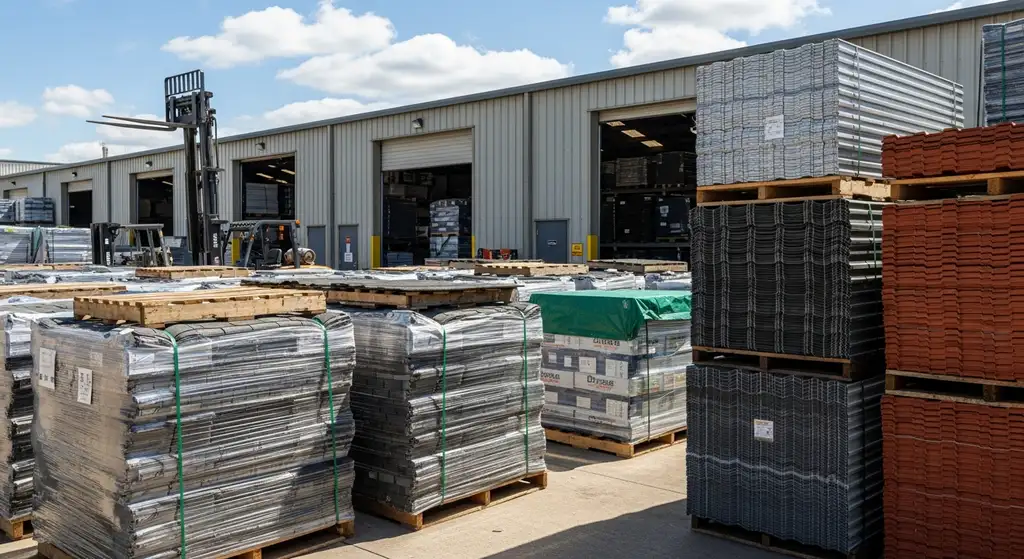
Asphalt shingles are widely available at most home improvement stores and building supply retailers in the Dallas-Fort Worth area. Steel roofing, while also readily available, may require sourcing from specialized metal roofing suppliers. Availability can also depend on the specific style, color, and gauge of the roofing material. It’s important to check with local suppliers to ensure they have the materials you need in stock.
Consider lead times when planning your roofing project. Custom-ordered steel roofing may take several weeks to arrive, while asphalt shingles are typically available immediately. Also, be sure to compare prices from different suppliers to get the best deal. When selecting a supplier, consider their reputation, customer service, and warranty policies.
For example, you can purchase GAF Timberline HDZ shingles at most big box retailers. Ensure the materials meet ASTM D3043.
Pros and Cons: Weighing the Advantages and Disadvantages
Before making a final decision, let’s summarize the key pros and cons of both steel roofing and asphalt shingles. This will help you weigh the advantages and disadvantages of each material in relation to your specific needs and priorities. Consider factors such as budget, long-term costs, aesthetic preferences, and environmental concerns. Also, think about the potential impact of your roofing choice on your home’s resale value.
Asphalt shingles are a budget-friendly option with a wide range of styles and colors. However, they have a shorter lifespan and are more susceptible to damage from hail and extreme weather. Steel roofing offers superior durability and longevity but comes at a higher upfront cost. The NRCA can provide guidance on making an informed decision based on your specific circumstances.
Steel roofing can also be more environmentally friendly as it is often made from recycled material.

Advantages
- Steel Roofing: Exceptional durability and lifespan (50+ years)
- Steel Roofing: High resistance to hail, wind, and fire
- Steel Roofing: Energy efficient and environmentally friendly
- Asphalt Shingles: Lower upfront cost
- Asphalt Shingles: Wide variety of styles and colors
- Asphalt Shingles: Easy to install and repair
Disadvantages
- Steel Roofing: Higher upfront cost
- Steel Roofing: Can be noisy during rainstorms
- Asphalt Shingles: Shorter lifespan (15-25 years)
- Asphalt Shingles: Vulnerable to hail and wind damage
- Asphalt Shingles: Less energy efficient
Making the Right Choice: When to Choose Steel or Shingles
The best roofing material depends on your individual circumstances and priorities. If budget is your primary concern and you’re looking for a cost-effective roofing solution, asphalt shingles may be the right choice. However, if you’re willing to invest in a longer-lasting, more durable roof that can withstand the harsh Texas climate, steel roofing is a worthwhile consideration. Think about the long-term cost of ownership, including potential repair and replacement costs.
Consider your home’s architectural style and neighborhood aesthetics. Asphalt shingles are available in a wider range of styles and colors, making it easier to match your home’s existing look. Steel roofing can also be customized to mimic the appearance of traditional roofing materials like slate or tile. Ultimately, the decision comes down to balancing cost, durability, aesthetics, and long-term value.
Also, be sure to verify contractor licensing through the Texas Department of Licensing and Regulation (TDLR).
Dallas Market Pricing
In Dallas-Fort Worth, expect to pay $4-$7 per square foot for asphalt shingles installed and $10-$18 per square foot for steel roofing installed. These are Dallas market prices; costs vary by region and can be 15-25% higher in remote Texas areas.

External Authoritative Resources
These industry-standard references support the information in this guide:
Building Codes
Frequently Asked Questions
Are steel roofs noisy during rainstorms?
Steel roofs can be noisier than asphalt shingles during rainstorms, especially if they are not properly insulated. However, adding insulation can significantly reduce the noise level. Some homeowners find the sound of rain on a steel roof to be pleasant, while others may find it distracting.
Do steel roofs rust?
Modern steel roofs are coated with protective layers, such as zinc or aluminum-zinc alloys, to prevent rusting. With proper maintenance, a steel roof can last for decades without showing signs of rust.
Are asphalt shingles environmentally friendly?
Asphalt shingles are not the most environmentally friendly roofing material. They are made from petroleum-based products and often end up in landfills. However, some manufacturers are now offering recycled asphalt shingles, which are a more sustainable option.
Can I get insurance discounts for installing a steel roof?
Yes, some insurance companies offer discounts for installing a steel roof, particularly in areas prone to hail storms. Check with your insurance provider to see if you qualify for a discount. Steel roofs are known to withstand hail damage much better than traditional asphalt roofs.
What are the IRC requirements for roofing materials?
The International Residential Code (IRC) sets minimum standards for roofing materials, including requirements for fire resistance, wind resistance, and water resistance. Ensure your roofing material and installation comply with the IRC and local building codes. For example, IRC R803.2.1 details requirements for roof sheathing.
How do I choose a reputable roofing contractor in Dallas?
To choose a reputable roofing contractor in Dallas, check their licensing status with the Texas Department of Licensing and Regulation (TDLR), read online reviews, and ask for references. Also, make sure the contractor is properly insured and certified by the roofing material manufacturer. The NRCA also provides guidelines for selecting qualified roofing contractors.
Final Thoughts
Choosing between steel roofing and asphalt shingles is a significant decision for Dallas homeowners. While asphalt shingles offer a lower upfront cost, steel roofing provides superior durability and longevity, potentially saving money in the long run. Consider your budget, aesthetic preferences, and long-term needs when making your choice. Ultimately, the best roofing material is the one that meets your specific needs and provides the best value for your money.
Always consult with a qualified roofing contractor to ensure proper installation and compliance with local building codes. Remember, proper installation is key to maximizing the lifespan of your new roof and protecting your home from the elements. For example, ensure that your contractor adheres to the standards set by ASTM International. Choosing the right roofing material is a critical step in protecting your investment, so make sure you choose wisely.
