
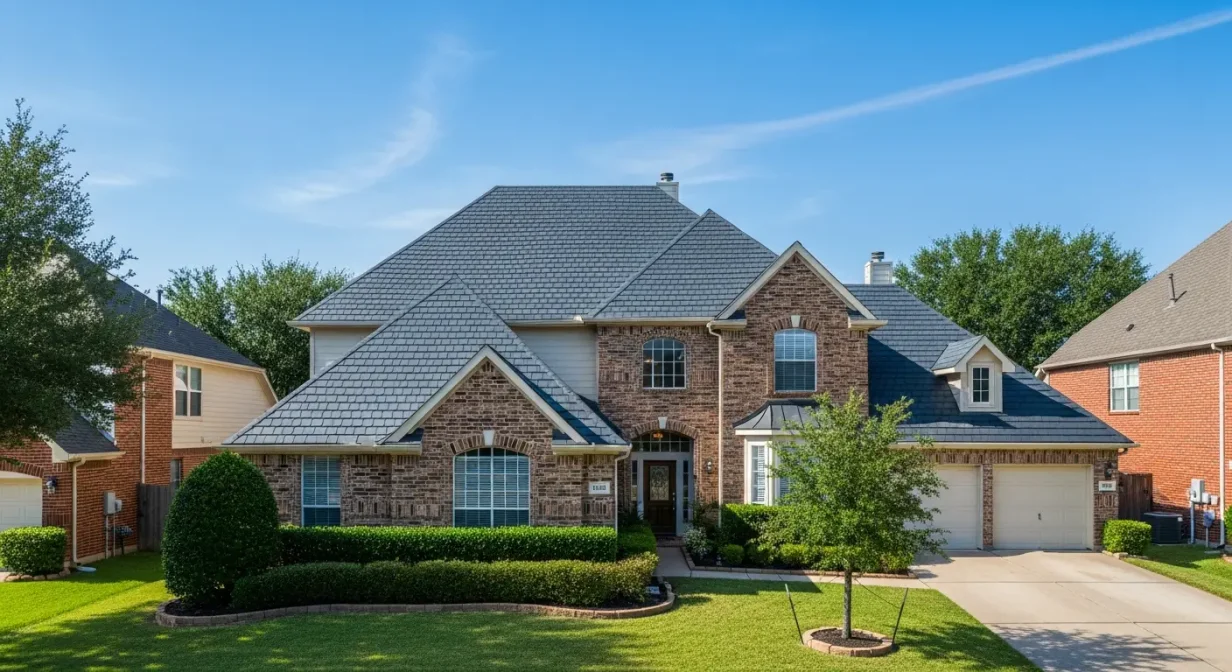
Contractor’s Bottom Line
Identifying problems early with metal roof shingles is crucial for preventing costly repairs. Look for signs like rust, loose shingles, or damaged sealant. In Dallas-Fort Worth, extreme temperature fluctuations can accelerate wear. A professional inspection typically costs $200-$500. Neglecting these issues can lead to leaks and structural damage, potentially costing thousands. Always ensure compliance with local building codes and NRCA guidelines. IRC R905 addresses specific roofing requirements. Act promptly to maintain your roof’s integrity. Do NOT use or .
Key Takeaways
- Early detection of rust or loose metal roof shingles can prevent major leaks and structural damage.
- Regular inspections, especially after severe weather, are critical for maintaining a metal roof’s integrity and ensuring compliance with NRCA guidelines.
- Addressing minor issues promptly can save thousands in repair costs and prevent potential insurance claim denials in Dallas.
- Ensure your metal roof installation complies with the International Residential Code (IRC 2021) requirements for wind uplift resistance.
Metal roof shingles offer durability and longevity, but like any roofing system, they require regular inspection and maintenance. Identifying potential problems early can save homeowners a significant amount of money and prevent extensive damage to their homes. Understanding the common warning signs and knowing how to properly inspect your metal roof are essential for preserving its lifespan and performance. In my 8+ years as a construction consultant in Dallas, I have seen many homeowners face unexpected repair costs due to neglecting minor roof issues.
For example, a small rust spot, if left untreated, can quickly spread and compromise the integrity of the entire panel. This can lead to leaks, water damage, and ultimately, a premature roof replacement that could have been avoided. The NRCA provides valuable resources on roof maintenance best practices. The International Code Council (ICC) develops the International Residential Code (IRC), which sets standards for roofing materials and installation.
Staying informed about these standards and conducting regular inspections will help ensure your metal roof continues to protect your home for years to come. Remember, a proactive approach to roof maintenance is always more cost-effective than reactive repairs.
Recognizing the Warning Signs of Metal Roof Shingle Problems
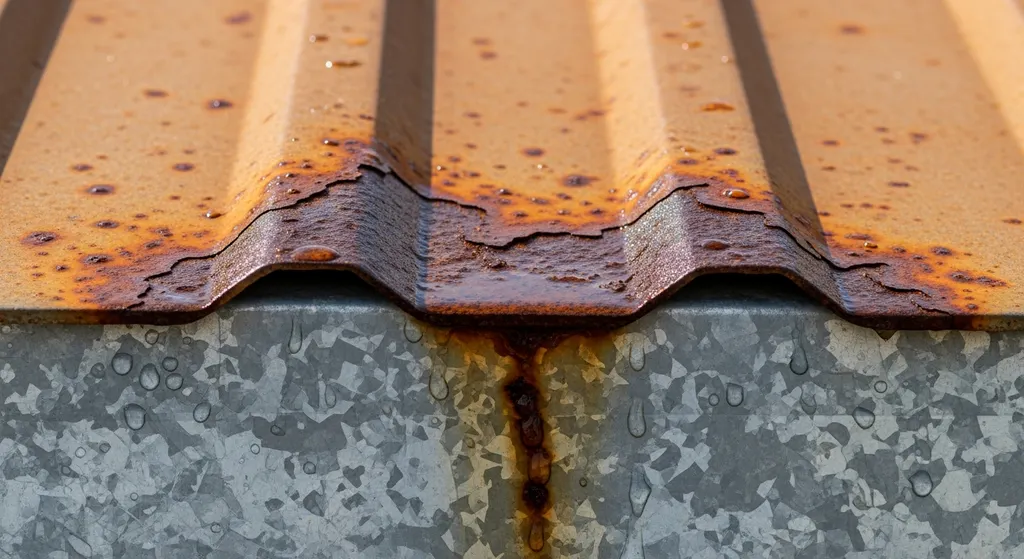
Several warning signs can indicate potential problems with your metal roof shingles. Rust is a common issue, especially in areas with high humidity or rainfall. Look for discoloration, bubbling paint, or actual rust spots on the shingles. Loose or missing shingles are another red flag, as they can compromise the roof’s ability to protect your home from the elements.
Damaged sealant around flashing or vents can also lead to leaks. In Dallas, the extreme temperature fluctuations can cause metal to expand and contract, which can stress seams and fasteners. This can lead to cracks, gaps, or loose connections over time. Pay close attention to any signs of water stains on your ceiling or walls, as this could indicate a leak originating from the roof.
Regular inspections can help you catch these problems early and prevent them from escalating.
Field Note from Experience
Working on Texas roofing projects, I have noticed that homes near major highways tend to exhibit corrosion faster due to increased air pollution.
How to Inspect Your Metal Roof Shingles
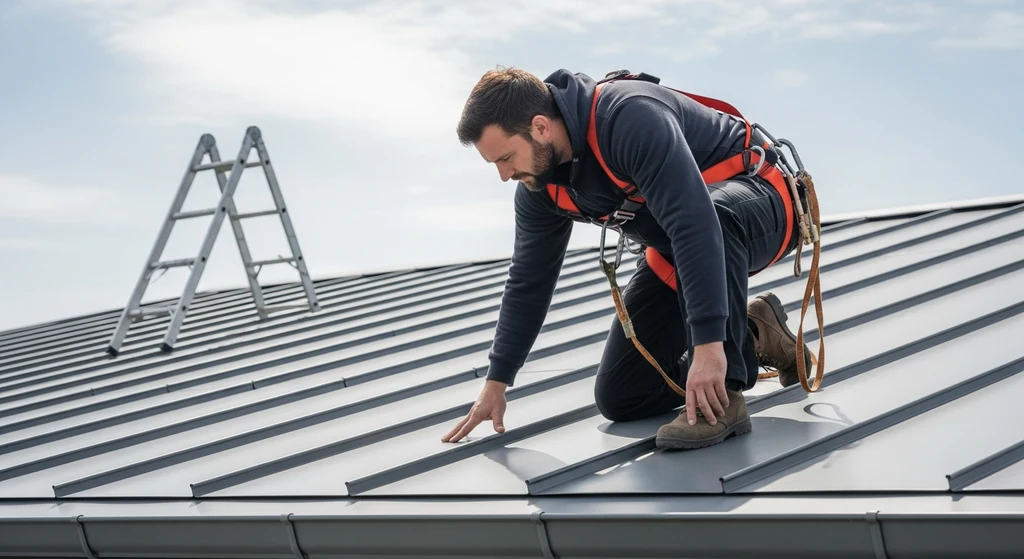
Inspecting your metal roof shingles requires a careful and methodical approach. Start by visually inspecting the roof from the ground using binoculars. Look for any signs of rust, loose shingles, or damaged sealant. Next, if it’s safe to do so, carefully climb onto the roof and conduct a closer inspection.
Wear soft-soled shoes to avoid damaging the shingles. Check the condition of the flashing around chimneys, vents, and skylights. Pay particular attention to areas where two roof surfaces meet, as these are common points of water entry. Examine the condition of the fasteners, ensuring they are tight and not corroded.
Look for any signs of damage from hail or falling debris. If you are not comfortable climbing onto the roof, consider hiring a professional roofing contractor to perform the inspection. The NRCA offers resources for finding qualified contractors in your area. Remember to prioritize safety during any roof inspection.
Field Note from Experience
After inspecting dozens of Dallas-area roofs, I found that many homeowners neglect the flashing around their chimneys, which often leads to leaks and water damage.
Assessing the Severity of Damage to Metal Roof Shingles
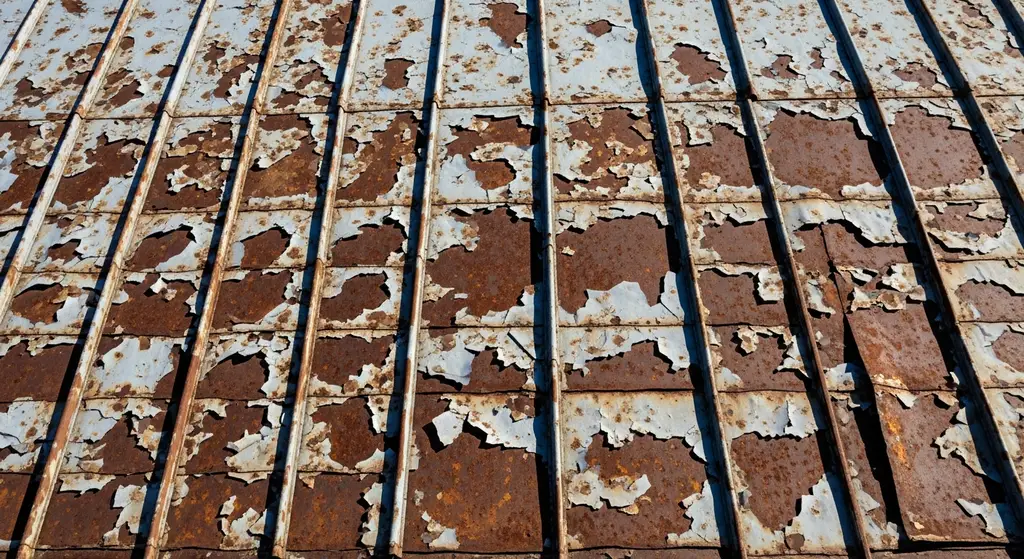
Once you’ve identified potential problems, it’s important to assess the severity of the damage. Minor rust spots can often be treated with a wire brush and rust-inhibiting paint. Loose shingles can be reattached using appropriate fasteners and sealant. However, if the damage is extensive, such as widespread rust or significant shingle loss, more extensive repairs or even roof replacement may be necessary.
Consult with a qualified roofing contractor to determine the best course of action. Consider the age of your roof when assessing the damage. If your roof is nearing the end of its expected lifespan, it may be more cost-effective to replace it rather than invest in extensive repairs. The International Residential Code (IRC 2021) provides guidelines for roof replacement and repairs.
In Dallas, it’s crucial to factor in the impact of extreme weather on the roof’s condition. Remember that neglecting damage can lead to more serious problems down the road, potentially costing you thousands of dollars.
Field Note from Experience
Many Dallas homeowners do not realize that even small hail damage can weaken their metal roof shingles and make them more susceptible to future leaks.
External Authoritative Resources
These industry-standard references support the information in this guide:
Building Codes
Frequently Asked Questions
How often should I inspect my metal roof shingles?
It’s recommended to inspect your metal roof shingles at least twice a year, typically in the spring and fall. Additionally, you should inspect your roof after any severe weather event, such as a hailstorm or strong winds. Regular inspections can help you identify potential problems early and prevent them from escalating. The NRCA recommends a proactive approach to roof maintenance.
What are the most common problems with metal roof shingles in Dallas?
In Dallas, the most common problems with metal roof shingles include rust, loose shingles, and damaged sealant. The extreme temperature fluctuations can cause metal to expand and contract, which can stress seams and fasteners. Hail damage is also a concern, as it can dent or puncture the shingles. Proper installation and regular maintenance are crucial for preventing these problems.
Can I repair my metal roof shingles myself?
Minor repairs, such as treating small rust spots or reattaching loose shingles, can often be done yourself. However, it’s important to have the necessary skills and equipment, and to prioritize safety. For more extensive repairs or if you are not comfortable working on the roof, it’s best to hire a professional roofing contractor. Improper repairs can void your warranty and potentially cause further damage.
How long do metal roof shingles typically last?
Metal roof shingles are known for their longevity and can last 40-70 years with proper maintenance. The lifespan of your roof will depend on the quality of the materials, the installation, and the environmental conditions. Regular inspections and timely repairs can help extend the lifespan of your metal roof. Always ensure your installation adheres to IRC R905 guidelines.
What type of underlayment is recommended for metal roof shingles?
Synthetic underlayment is generally recommended for metal roof shingles due to its superior durability and water resistance compared to felt underlayment. Look for a synthetic underlayment that meets ASTM D226 Type II standards and has a good UV exposure rating. In areas prone to ice and snow, an ice and water shield should also be installed along the eaves and valleys.
Are metal roof shingles energy efficient?
Yes, metal roof shingles are generally energy efficient. They can reflect solar radiation, which can help reduce cooling costs in the summer. Some metal roofing products are Energy Star certified, meaning they meet certain energy efficiency standards. Consider choosing a light-colored metal roof shingle to maximize its energy efficiency benefits.
Final Thoughts
Maintaining your metal roof shingles is a crucial investment in the long-term protection and value of your Dallas home. By understanding the warning signs of potential problems, conducting regular inspections, and addressing issues promptly, you can extend the lifespan of your roof and avoid costly repairs. Always prioritize safety when inspecting your roof, and don’t hesitate to consult with a qualified roofing contractor for professional advice and assistance. In my experience, neglecting even minor roof issues can lead to significant problems down the road.
For example, I’ve seen instances where a small leak, initially estimated to cost a few hundred dollars to repair, eventually resulted in thousands of dollars in water damage and mold remediation. Taking a proactive approach to roof maintenance is always the most cost-effective strategy. Contact a local Dallas roofing professional today to schedule an inspection.
