
Contractor’s Bottom Line
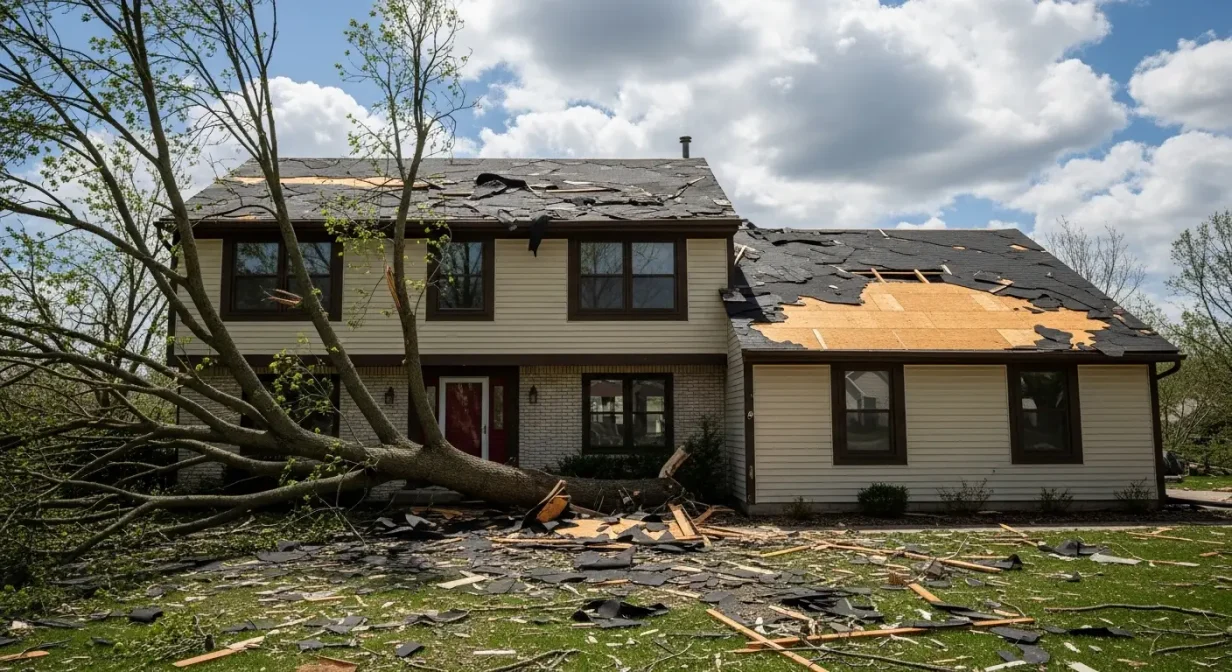
Storm damage roof replacement becomes necessary when severe wind or hail compromises the structural integrity or water-shedding ability of the existing roof. Insurance adjusters look for specific damage patterns, such as missing shingle tabs, bruised mats, and split flashing, to justify a total replacement. Document all damage with detailed photographs and a written contractor assessment immediately after the storm to support the replacement claim.
Key Takeaways
- Missing or cracked asphalt shingles are a primary indicator of storm damage, potentially leading to leaks and further deterioration.
- Granule loss on shingles, often caused by hail, reduces their protective ability and can shorten the roof’s lifespan, requiring evaluation per NRCA guidelines.
- Water stains on ceilings or walls are a sign of a leaking roof, which can cause structural damage and mold growth, necessitating immediate attention and potential storm damage roof replacement.
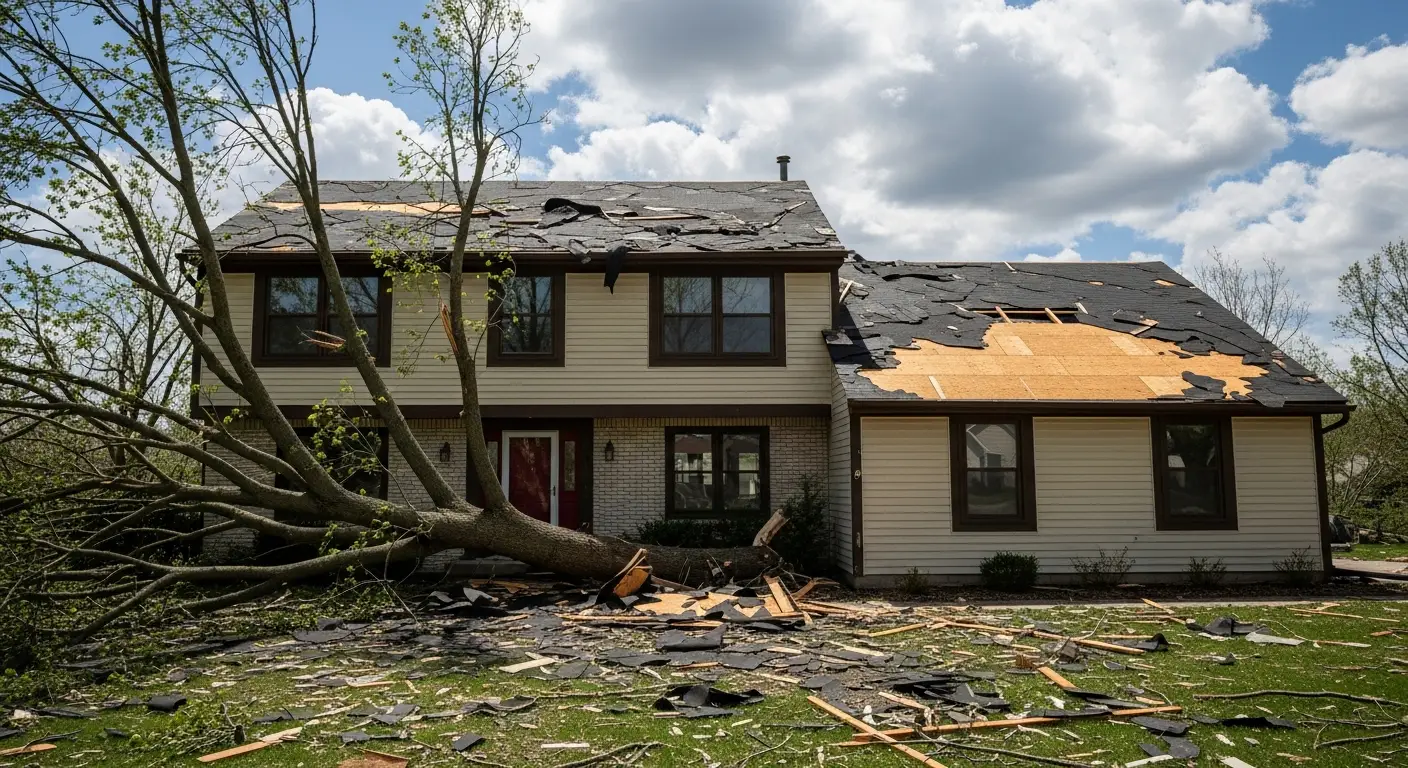
Storms can wreak havoc on roofs, and in Texas, particularly the Dallas-Fort Worth area, hailstorms and high winds are a frequent concern for homeowners. Identifying damage early is crucial to prevent further deterioration and costly repairs. Regular inspections and awareness of potential warning signs can save you thousands of dollars. Field Note #1: In my 8+ years as a construction consultant in Dallas, I have seen countless homeowners face unexpected expenses due to undetected storm damage.
Often, seemingly minor issues, like a few missing shingles, quickly escalate into major leaks and structural problems. Understanding the basics of roof inspection and maintenance is essential for protecting your investment.
Recognizing the Warning Signs of Storm Damage
After a significant storm, it’s vital to check your roof for potential damage. Look for missing, cracked, or curled asphalt shingles. Pay close attention to areas around vents, chimneys, and flashing, as these are often vulnerable. Damaged flashing can allow water to penetrate the roof structure, leading to rot and mold.
The NRCA recommends regular roof inspections, especially after severe weather events. Another common sign is granule loss on shingles. Hailstones can dislodge the protective granules, exposing the asphalt layer to the elements. This accelerates the aging process and reduces the shingle’s ability to repel water.
Check your gutters and downspouts for excessive granule accumulation.
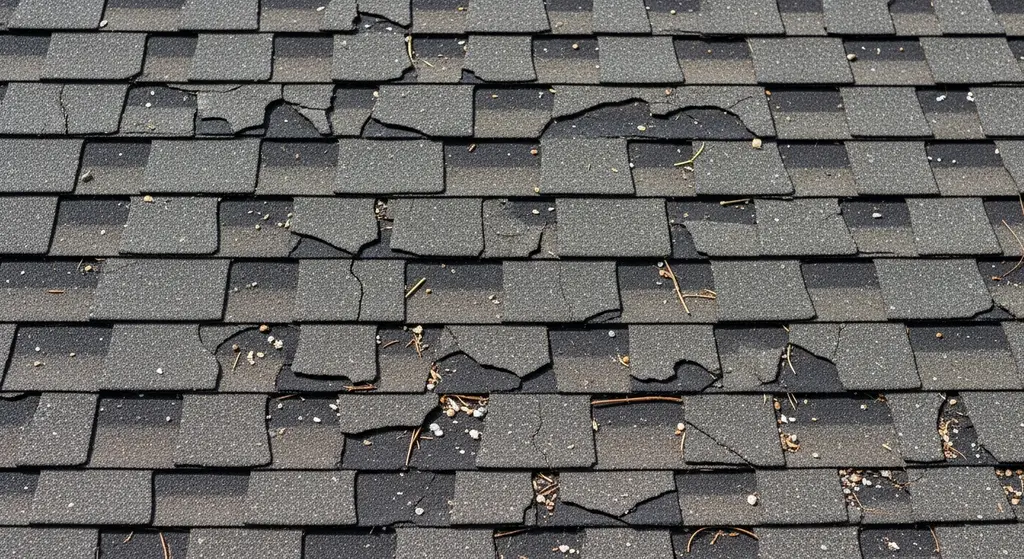
Missing shingles
Typical Cost: $500-$1500 for spot repair, $10000+ for full replacement
Prevention: Regular inspections, proper installation according to IRC R905
Insurance Coverage: Typically covered if caused by a covered peril (hail, wind)
Code Reference: IRC R905.2.7.1 specifies fastening requirements
Field Note from Experience
After inspecting dozens of Dallas-area roofs, I found that many homeowners are unaware of the extent of granule loss until it’s pointed out during a professional inspection. This is especially true for architectural shingles, where the damage can be less obvious at first glance.
How to Inspect Your Roof Safely
While a professional roof inspection is always recommended, homeowners can perform a preliminary assessment from the ground using binoculars. Look for any visible signs of damage, such as missing or misaligned shingles. Check for sagging areas or discoloration, which could indicate water damage. Remember safety first: never attempt to climb onto the roof yourself without proper safety equipment and training.
OSHA guidelines should be followed when working on any roof. If you’re comfortable and experienced walking on roofs, carefully inspect the flashing around chimneys, vents, and skylights. Ensure it’s properly sealed and free from cracks or rust. Use caution, and be aware of your surroundings.
Consider hiring a professional for a closer inspection, especially if you suspect significant damage. In Dallas, many reputable roofing contractors offer free or low-cost inspections.

“Free roof” offers
Consequence: Often involve low-quality materials, shoddy workmanship, and potential insurance fraud.
Field Note from Experience
Working on Texas roofing projects, I have noticed that many homeowners neglect to inspect their roofs after even minor storms, assuming that no damage has occurred. This can lead to small problems becoming major headaches over time.
Assessing the Severity of the Damage
Once you’ve identified potential damage, it’s crucial to assess its severity. Minor damage, such as a few missing shingles, may be repairable. However, widespread damage, like extensive granule loss, cracked shingles, or signs of water intrusion, often necessitates a full storm damage roof replacement. Consider the age of your roof as well.
If it’s nearing the end of its lifespan, replacement might be the more cost-effective option in the long run. Remember that a new roof installed according to the IRC 2021, currently applicable in Dallas as of 2026, will provide better protection. Water stains on ceilings or walls are a clear indication of a leak. This should be addressed immediately to prevent further structural damage and mold growth.
Contact a professional roofing contractor for a thorough inspection and estimate. They can assess the extent of the damage and provide recommendations based on your specific needs and budget.
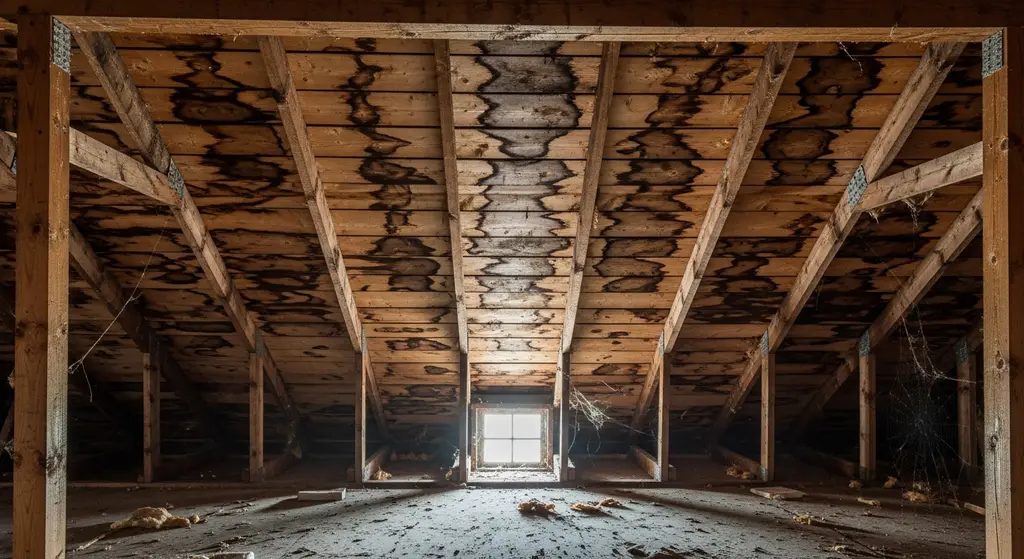
Unaddressed leaks
Typical Cost: $1000s in structural repairs, mold remediation
Prevention: Prompt inspection and repair, proper flashing installation
Insurance Coverage: May not be covered if due to neglect or lack of maintenance
Code Reference: IRC R803.2.1 for sheathing requirements
Field Note from Experience
In my 8+ years as a construction consultant in Dallas, I have seen instances where homeowners delayed roof repairs due to cost concerns, only to face significantly higher expenses later on due to the escalating damage. Proactive maintenance is always more cost-effective in the long run.
External Authoritative Resources
These industry-standard references support the information in this guide:
Building Codes
Frequently Asked Questions
How do I know if my roof has hail damage?
Hail damage often manifests as small, dark spots or bruises on asphalt shingles. You may also notice granule loss in your gutters or downspouts. A professional inspection can confirm hail damage and assess its severity.
Will my insurance cover storm damage roof replacement?
Most homeowners’ insurance policies cover storm damage caused by hail, wind, or other covered perils. However, coverage may vary depending on your specific policy and deductible. It’s essential to review your policy and consult with your insurance company. Ordinance and law coverage is important to consider, as it will cover the cost of bringing your roof up to current code (such as IRC 2021, currently applicable in Dallas as of 2026) if it’s not already.
How long does a roof replacement take?
The duration of a storm damage roof replacement depends on several factors, including the size and complexity of your roof, the type of materials used, and the weather conditions. In Dallas, a typical roof replacement can take anywhere from 1 to 5 days.
What type of roofing material is best for Texas weather?
Asphalt shingles are a popular and cost-effective choice for Texas roofs. Architectural shingles offer enhanced durability and wind resistance compared to 3-tab shingles. Other options include metal roofing and tile roofing, which provide excellent longevity and weather resistance. The best choice depends on your budget, aesthetic preferences, and local building codes.
Always ensure compliance with IRC R905.
How often should I inspect my roof?
It’s recommended to inspect your roof at least twice a year, typically in the spring and fall. Additionally, inspect your roof after any major storm or severe weather event. Regular inspections can help identify potential problems early and prevent costly repairs.
What are some signs of a leaking roof besides water stains?
Besides water stains on ceilings or walls, other signs of a leaking roof include musty odors, mold growth, and sagging drywall. You may also notice water dripping from light fixtures or vents. If you suspect a leak, it’s crucial to address it promptly to prevent further damage.
Final Thoughts
Identifying storm damage early is crucial for preventing costly repairs and ensuring the long-term integrity of your home. Regular inspections, awareness of potential warning signs, and prompt action are essential for protecting your investment. If you suspect storm damage, contact a qualified roofing contractor in the Dallas-Fort Worth area for a professional inspection and estimate. Field Note #3: Many Dallas homeowners do not realize that they can often negotiate with their insurance company to get a fair settlement for storm damage roof replacement.
A knowledgeable roofing contractor can help you navigate the claims process and ensure that your roof is properly restored. Remember that proper installation according to NRCA guidelines is key to a long-lasting roof.
