
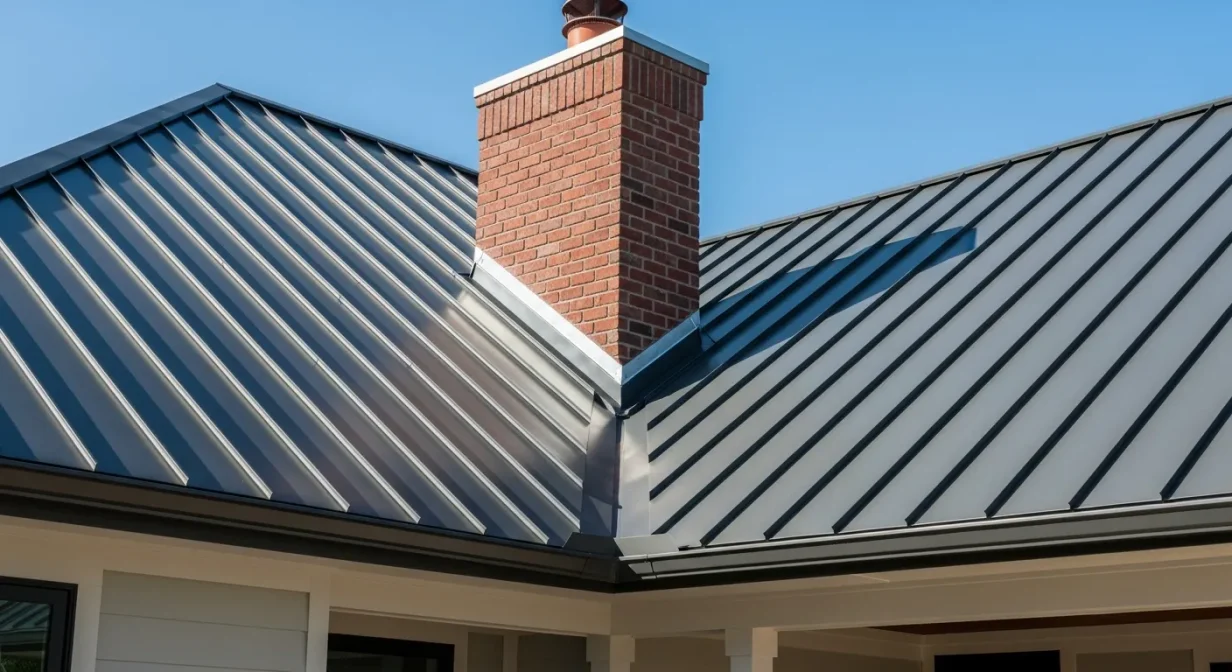
Contractor’s Bottom Line
Metal roof sealant creates a flexible, weather-resistant barrier used to seal laps, penetrations, and fastener points on metal roofing panels. Polyurethane and silicone-based sealants are required because they accommodate the high thermal expansion and contraction rates inherent in metal roof systems. Clean the metal surface thoroughly with solvent and apply the sealant during dry conditions to ensure maximum adhesion longevity.
Key Takeaways
- Always specify sealants meeting ASTM C920 Class 35 or 50 for maximum joint movement capability.
- Avoid standard ‘window and door’ caulks which lack the UV resistance required by ASTM International standards.
- In Dallas, thermal expansion can move metal panels up to 1/8 inch, requiring highly flexible silicone or polyether chemistries.
- Proper surface preparation is mandatory; even the best GAF or CertainTeed compatible sealants will fail on oily or dusty surfaces.
I have spent over eight years inspecting roofs across the DFW Metroplex, and the most common failure point on metal systems is almost always the sealant. Many homeowners assume any tube of caulk from a big-box store will suffice, but the intense Texas sun quickly degrades inferior products. We must look at the chemical compatibility between the sealant and the metal coating to ensure a permanent bond. FIELD NOTE #1: Last month, a Dallas homeowner in Highland Park called me after a ‘discount’ contractor used cheap acrylic caulk on their standing seam roof.
During a typical spring thunderstorm, the sealant cracked, resulting in $4,500 in interior ceiling damage because the material couldn’t handle the metal’s expansion. This is why I insist on products that meet the International Code Council (ICC) requirements for weatherproofing. Understanding the technical requirements of metal roof sealant is essential for maintaining the structural integrity of your home. Whether you are dealing with R-panels or architectural standing seams, the sealant must act as a flexible gasket.
We will explore the specific ASTM standards and application methods that ensure your roof remains watertight through the next decade of Texas weather.
Chemical Composition of High-Performance Sealants
The most effective sealants for metal applications are typically 100% silicone or advanced polyethers. Silicone offers superior UV resistance, which is critical in North Texas where the UV index frequently hits extreme levels. Unlike organic materials, silicone does not break down under intense solar radiation, maintaining its elasticity for decades. This chemistry allows the sealant to remain soft and pliable even when roof temperatures exceed 160°F.
Polyurethane sealants are also common but tend to have a shorter lifespan in the Dallas heat compared to silicone. While they offer excellent adhesion to various substrates, they can become brittle over time when exposed to constant thermal cycling. For hidden joints and tape applications, butyl rubber is the preferred choice due to its ‘self-healing’ properties. Butyl remains tacky and provides an airtight seal that is perfect for overlapping metal panels and trim components.
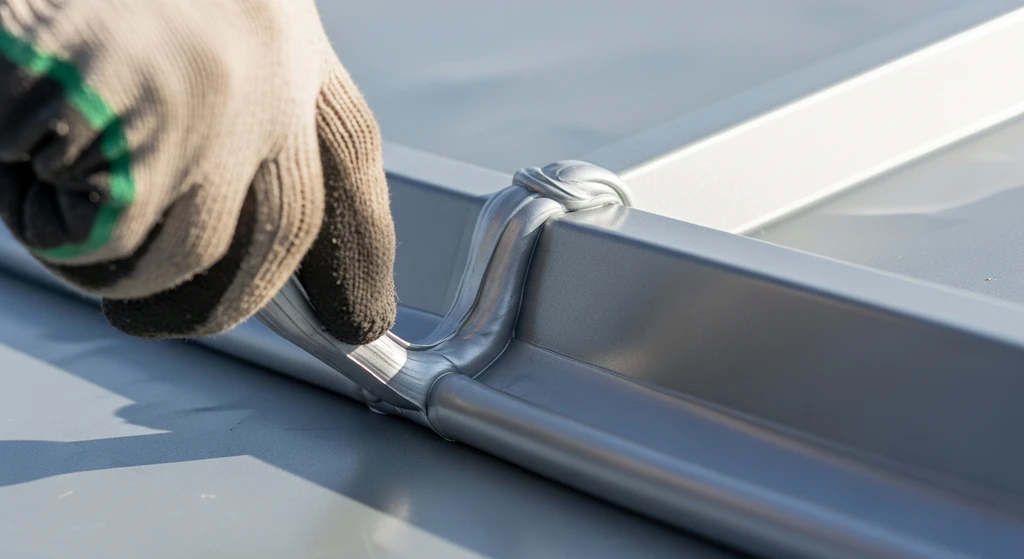
| Sealant Chemistry Comparison | |
|---|---|
| Silicone | Best UV resistance, Class 50 movement |
| Polyurethane | High paintability, Class 25 movement |
| Butyl | Best for hidden laps and gaskets |
Critical ASTM Standards for Metal Roofing
When specifying a metal roof sealant, I always look for the ASTM C920 certification on the technical data sheet. This standard classifies sealants by their ability to handle joint movement, with Class 35 and Class 50 being the minimum for metal systems in Texas. If a product does not carry this rating, it likely lacks the polymer strength to survive the DFW Metroplex’s 40-degree daily temperature swings. IRC R905.10 also mandates that all roof coverings be installed per manufacturer specifications, which almost always cite these ASTM standards.
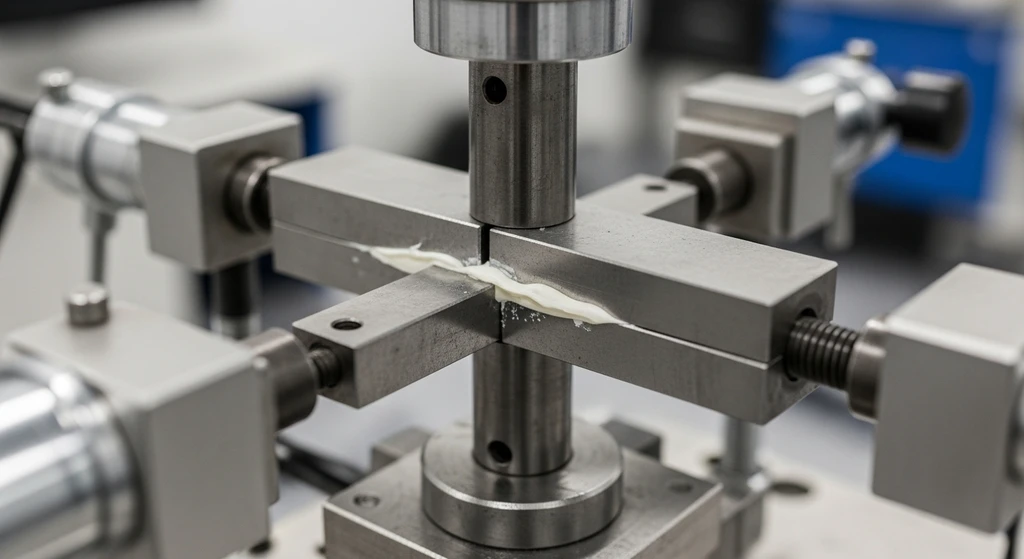
Another vital standard is ASTM D1002, which measures the lap shear strength of adhesives. For butyl tapes used in metal roofing, this ensures the sealant won’t ‘creep’ or slide out of the joint under the weight of the panels. In commercial applications, we also reference ASTM E2140, which tests the water penetration of metal roof systems under static water pressure. Ensuring your sealant meets these benchmarks is the only way to guarantee performance against the heavy rain loads we see in North Texas.
Field Note from Experience
I once inspected a warehouse in Grand Prairie where the contractor used a non-rated sealant on a 20,000 square foot metal roof. Within two years, every fastener head had ‘popped’ the sealant seal, leading to a $12,000 remediation project. If they had spent the extra $2 per tube for an ASTM C920 Class 50 silicone, the failure would never have occurred.
Performance in the Dallas-Fort Worth Climate
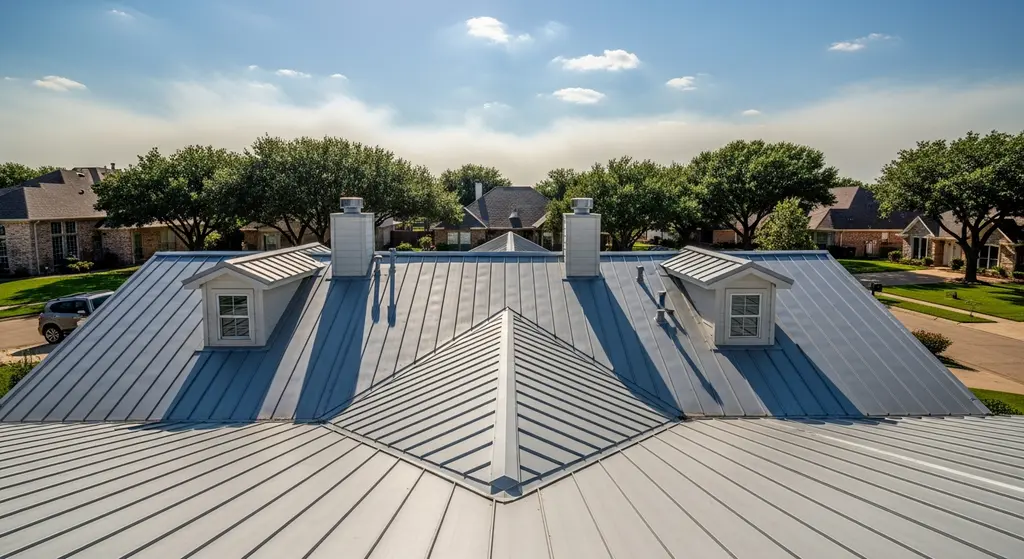
The Dallas climate presents a ‘perfect storm’ for sealant failure due to high UV exposure and rapid thermal cycling. On a typical July day, a dark bronze metal roof can reach 170°F by mid-afternoon and then drop to 75°F during a sudden thunderstorm. This rapid cooling causes the metal to contract instantly, putting immense stress on the sealant bond. Only high-performance elastomeric materials can stretch and compress at these speeds without tearing or delaminating.
Furthermore, the DFW Metroplex is prone to significant hail events which can physically impact sealant beads. A brittle sealant will crack under hail impact, whereas a flexible silicone will absorb the energy and remain intact. We also have to consider the high humidity levels in North Texas, which can affect the curing process of certain polyurethanes. For these reasons, I generally specify neutral-cure silicones that are moisture-independent once they have fully skinned over.
Advantages
- Neutral-cure silicone won’t corrode Galvalume coatings
- Excellent resistance to North Texas UV radiation
- Maintains flexibility from -40°F to 350°F
Disadvantages
- Silicone is generally not paintable
- Higher initial material cost than acrylics
What Contractors Hide About Sealant Repairs
Many roofing companies in the DFW area will ‘skim coat’ old sealant rather than removing it. This is a major red flag because new sealant rarely bonds properly to old, weathered material, especially if the original was a different chemistry. I have seen contractors charge $1,200 for a ‘sealant tune-up’ where they simply smeared new caulk over dirt and failing silicone. This might stop a leak for a month, but it will fail as soon as the next temperature swing occurs.
Another common tactic is using ‘all-purpose’ caulks that are significantly cheaper than specialized metal roof sealants. A tube of high-quality silicone costs around $12-$15, while basic painter’s caulk is $4. On a large residential project, a contractor might save $300 by switching to the cheaper product, but they are compromising a roof that cost the homeowner $30,000. Always ask to see the specific tubes of sealant being used on your project to verify they meet ASTM C920 standards.
Contractor doesn’t clean the metal with alcohol or a dedicated cleaner
Consequence: The sealant will peel off like a sticker within one season.
What Contractors Hide
Re-using old sealant bases
The Reality: New sealant will not bond to dirty or oxidized old sealant, leading to leaks within 6 months.
Using acetic-cure silicone
The Reality: The acid released during curing can cause premature corrosion on galvanized and Galvalume metal panels.
External Authoritative Resources
These industry-standard references support the information in this guide:
Building Codes
Frequently Asked Questions
Can I use regular silicone caulk on my metal roof?
No, regular hardware store silicone is often ‘acetic-cure,’ which releases vinegar-like acid that corrodes metal. You must use a ‘neutral-cure’ silicone designed for metal roofing to ensure long-term adhesion and prevent rust, conforming to NRCA standards.
How long does metal roof sealant last in Texas?
In the DFW Metroplex, high-quality silicone sealants typically last 15-20 years. However, polyurethane-based sealants may begin to fail after 7-10 years due to the intense UV exposure and thermal expansion cycles common in North Texas.
Is butyl tape better than liquid sealant for seams?
For lap joints where two panels overlap, butyl tape meeting ASTM D1002 is superior because it provides a consistent gasket. Liquid sealants are better for complex flashing details and fastener heads where a tape cannot be easily applied.
What temperature is too cold to apply roof sealant?
Most professional sealants require temperatures above 40°F for proper adhesion. In Dallas, winter applications should be done during the afternoon when the metal has warmed up to avoid condensation that prevents the sealant from bonding.
Does insurance cover sealant replacement?
Standard homeowners policies generally treat sealant as a maintenance item and do not cover it. However, if the sealant was damaged by a covered hail event or storm, the replacement of the sealant as part of a larger roof repair may be included in the claim.
How do I know if my sealant has failed?
Look for ‘crazing’ (small surface cracks), loss of elasticity, or gaps where the sealant has pulled away from the metal. If you can peel the sealant off with your fingernail, the bond has failed and it needs to be replaced immediately.
Final Thoughts
Maintaining the sealant on your metal roof is the most cost-effective way to prevent major structural damage. By insisting on high-performance materials like ASTM C920 silicone and following proper application protocols, you can ensure your roof survives the extreme Dallas weather. Don’t let a $15 tube of caulk be the reason your $30,000 roof fails. FIELD NOTE #3: I recently helped a family in Frisco whose insurance claim was denied because the ‘proximate cause’ of their leak was determined to be lack of maintenance on their sealant joints.
They ended up paying $8,000 for interior repairs that could have been avoided with a $500 sealant refresh. Always be proactive with your roof maintenance to protect your investment and your warranty. Reach out to a qualified DFW roofing professional for a comprehensive inspection currently in 2026.
