
Contractor’s Bottom Line
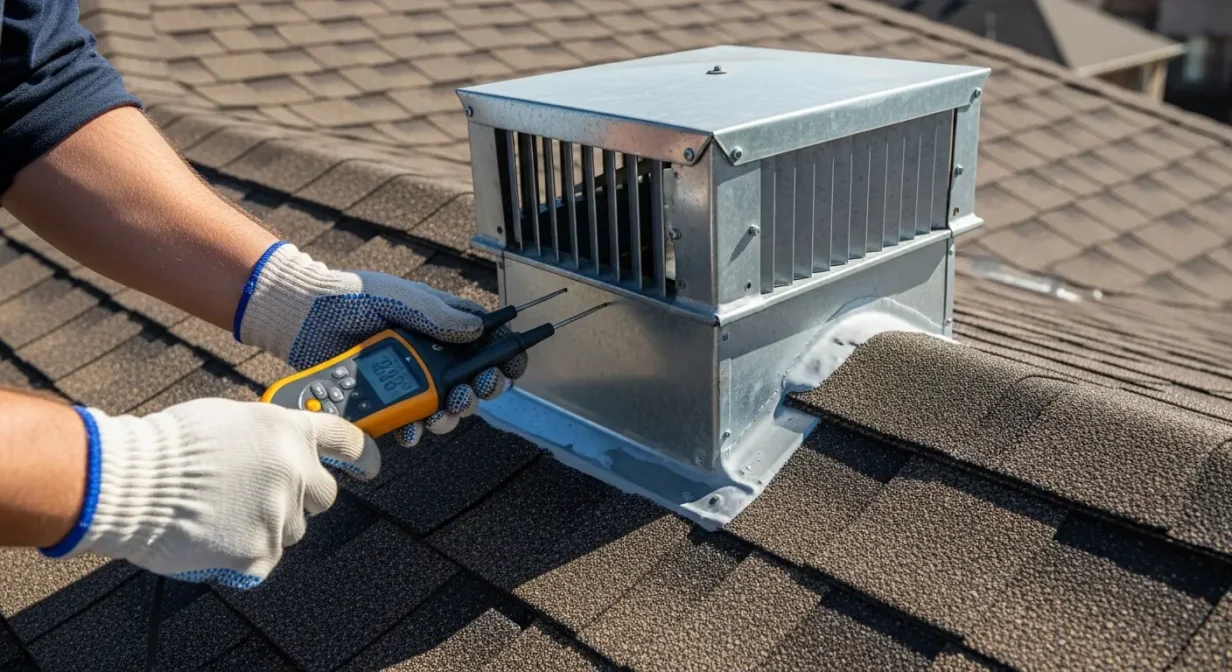
A box vent roof is a static, non-mechanical exhaust vent mounted near the ridge to allow hot attic air to escape passively. These vents rely on natural convection and wind blowing over the hood to draw out heat, requiring no electrical power to function. Calculate the required number of box vents by dividing the total attic net free area requirement by the individual vent’s rated capacity.
Key Takeaways
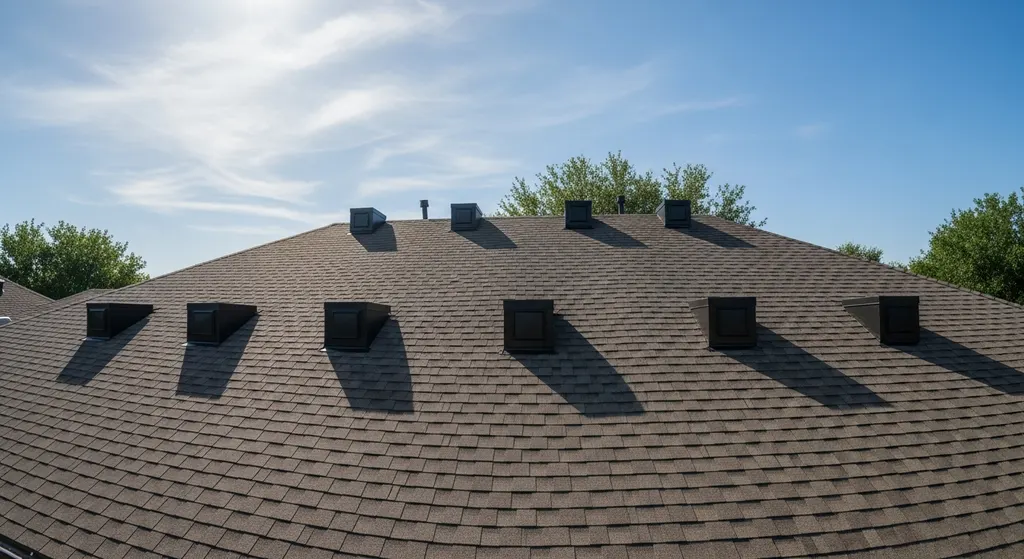
- Box vents must be installed within the top 3 feet of the roof peak to meet IRC R806.1 requirements.
- NRCA recommends a balanced system where intake ventilation at the soffits matches or exceeds box vent exhaust.
- In Dallas, metal box vents are preferred over plastic due to high UV exposure and spring hail storm frequency.
Attic ventilation is not just a luxury in North Texas; it is a structural necessity for preserving your asphalt shingles. In the Dallas-Fort Worth area, attic temperatures can easily exceed 160 degrees Fahrenheit without proper airflow, leading to shingle blistering and structural decking rot. These static ventilation units work through natural convection, allowing hot air to escape while drawing cooler air in through soffit vents. Field Note #1: Last summer in Plano, I inspected a roof where the lack of box vents caused attic temperatures to hit 165°F.
This extreme heat cooked the architectural shingles from the underneath, leading to a $14,000 premature replacement that the insurance carrier denied due to poor maintenance. We installed a new system meeting IRC 2021 standards to prevent a recurrence. Understanding the technical specifications of a box vent roof system is essential for any homeowner or property manager. These systems must adhere to International Code Council (ICC) standards to ensure safety and longevity.
By selecting the right materials and ensuring proper placement, you can significantly extend the life of your roof and reduce cooling costs in the brutal Texas summer.
Technical Specifications and Material Composition
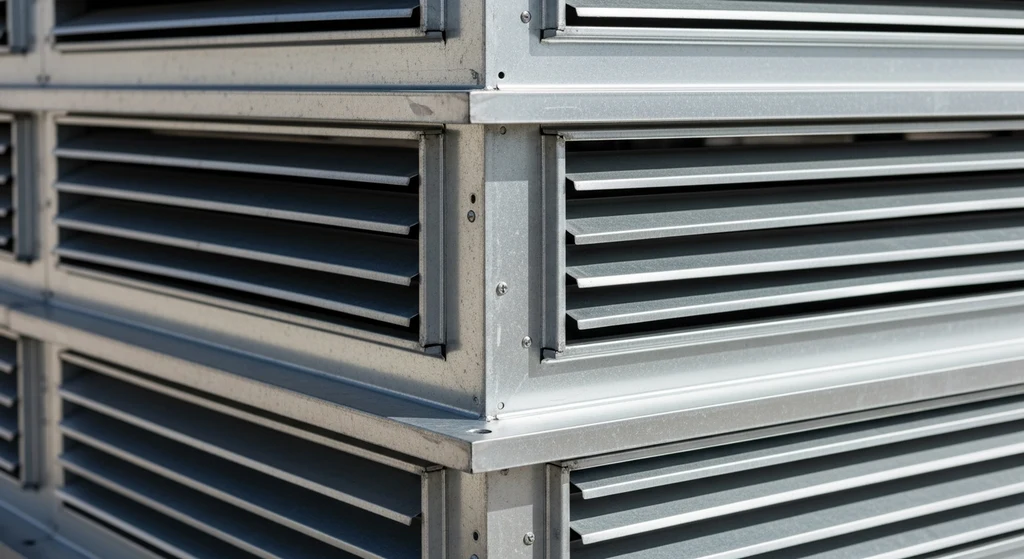
Box vents are typically manufactured from either high-impact polystyrene or G-90 galvanized steel conforming to ASTM A653 standards. Metal vents are generally superior for the North Texas market because they resist cracking during the rapid temperature swings common in the DFW Metroplex. Each vent is designed with a specific Net Free Area (NFA), usually ranging from 50 to 65 square inches per unit, which determines how many vents your specific roof requires. The internal structure of a quality box vent includes weather baffles and insect screens to prevent debris and pests from entering the attic space.
When specifying materials, I look for products that carry a UL 2218 Class 4 impact rating to ensure they can handle the hail frequently seen in Dallas County. Manufacturers like GAF and Lomanco provide detailed technical data sheets that confirm these units meet ASTM D1929 for flash ignition temperatures, a critical safety metric for plastic components.
| Box Vent Material Specs | |
|---|---|
| Material | G-90 Galvanized Steel |
| Standard | ASTM A653 |
| Avg NFA | 50-65 sq. inches |
Performance in the Dallas-Fort Worth Climate
The North Texas climate presents unique challenges for roof ventilation systems, specifically regarding UV degradation and thermal expansion. In Dallas, the intense solar radiation can make low-quality plastic vents brittle within just five to seven years, leading to leaks during heavy spring rains. Using aluminum or galvanized steel vents ensures that the units remain structurally sound even when surface temperatures on asphalt shingles exceed 150 degrees. Furthermore, the wind-driven rain common during North Texas thunderstorms requires box vents with robust flashing and internal baffles.
According to the National Roofing Contractors Association (NRCA), improper vent selection in high-wind zones can lead to water infiltration. We always recommend installing vents that have been tested for high-velocity hurricane zones (HVHZ) or similar high-wind standards to ensure they don’t become an entry point for water during a Dallas supercell storm.
Field Note from Experience
A client in Lakewood hired a ‘storm chaser’ who installed plastic box vents that cracked during a spring hail storm. We replaced them with UL 2218 Class 4 rated steel vents for $1,800 to handle the DFW Metroplex weather cycles and prevent future attic leaks.
Professional Installation Procedure and Codes
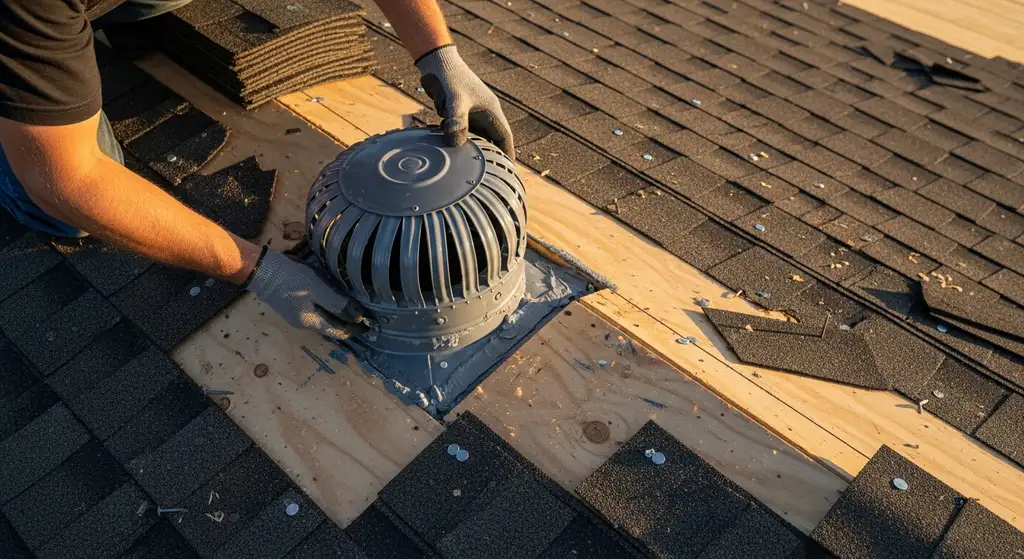
Correct installation of a box vent begins with calculating the required ventilation based on IRC R806.1. The roofer must cut a hole in the roof decking, typically 8 to 10 inches in diameter, ensuring it does not sever any structural rafters. The vent is then integrated with the shingles using a ‘shingle-in’ method where the top flange is tucked under the course of shingles above the hole, and the bottom flange sits on top of the shingles below. Fastening must follow manufacturer specifications, usually requiring four to six galvanized roofing nails per unit, which should meet ASTM D1761 for mechanical fasteners.
In Dallas, we apply a bead of high-grade roofing sealant meeting ASTM C920 to the underside of the flange before nailing. This provides an extra layer of protection against the thermal expansion and contraction that occurs during 40-degree temperature swings in North Texas.
Advantages
- Low profile design resists high wind uplift
- Cost-effective compared to ridge vents on hip roofs
- Easy to replace individual units if damaged
Disadvantages
- Requires multiple penetrations in the roof deck
- Can be less aesthetically pleasing than ridge vents
Critical Installation Errors to Avoid
One of the most frequent errors I see in North Texas is the ‘short-circuiting’ of the ventilation system. This happens when a contractor installs box vents too close to a ridge vent or an attic fan, causing air to pull from the nearest vent rather than from the soffits. This leaves the lower portions of the attic stagnant and hot. IRC R806.1 requires vents to be distributed to provide uniform airflow throughout the attic space.
Another common mistake is failing to remove the debris from the hole cut in the decking, which can clog the vent’s screen from the inside. Additionally, using the wrong nails or insufficient sealant can lead to the vent lifting during a high-wind event. Occupational Safety and Health Administration (OSHA) standards should always be followed during installation, including the use of proper fall protection for any roof with a pitch greater than 4:12.
Mixing different types of exhaust vents
Consequence: Short-circuits the airflow, leaving hot spots in the attic.
Installing vents without soffit intake
Consequence: Creates a vacuum that can pull conditioned air from the home.
Improper Flashing
Typical Cost: $500 – $1,200
Prevention: Ensure top flange is tucked under shingles per NRCA standards.
Insurance Coverage: Often excluded if deemed a workmanship error.
Code Reference: IRC R905.2.8
Dallas-Fort Worth Installation Costs
Budgeting for a box vent roof system in Dallas requires understanding both material and labor components. A standard 3,000-square-foot home typically needs 10 to 14 box vents to meet code requirements. The cost per unit includes the vent itself, sealant, fasteners, and the labor to cut the decking and flash the unit into the shingle system. In the DFW Metroplex, labor rates are currently influenced by the high demand for skilled trades and regional insurance requirements.
While the vents themselves are relatively inexpensive, the total project cost often includes a ‘minimum trip charge’ if you are only replacing one or two units. For a full roof replacement, the cost of adding a complete box vent system is usually integrated into the square-foot price of the roofing contract. However, retrofitting an existing roof will always command a premium due to the delicate nature of working with aged asphalt shingles.
Dallas Market Pricing
In Dallas-Fort Worth, expect to pay $150-$300 per vent unit installed. These are current 2026 Dallas market prices; costs vary by region and can be 15-25% higher in remote Texas areas. Peak pricing occurs during the spring (March-May) storm season.
| Item | Cost Range (Dallas) |
|---|---|
| Metal Box Vent (Material Only) | $25 – $45 |
| Labor per Unit (Standard Pitch) | $125 – $250 |
| Full System Retrofit (10 Vents) | $1,500 – $2,800 |
What Contractors Hide
Contractors reusing old vents
The Reality: Reused vents often have bent flanges that will never seal properly, leading to leaks.
External Authoritative Resources
These industry-standard references support the information in this guide:
Building Codes
Frequently Asked Questions
How many box vents do I need for my roof?
Per IRC R806.1, you need 1 square foot of ventilation for every 150 square feet of attic floor, split evenly between intake and exhaust.
Are metal or plastic box vents better for Dallas?
Metal box vents (ASTM A653) are superior in Dallas because they resist UV damage and high-impact hail better than polystyrene alternatives.
Can I install box vents myself?
While possible, it requires cutting into the roof deck and proper flashing; professional installation is recommended to maintain your shingle warranty.
Do box vents leak during heavy rain?
If installed per NRCA standards with proper flashing and shingles, box vents are highly resistant to wind-driven rain and leaks.
Should I replace box vents with a ridge vent?
Ridge vents are often more efficient, but box vents are better for complex rooflines or hip roofs where ridge space is limited.
What is the lifespan of a roof box vent?
A high-quality galvanized steel box vent can last 20-30 years, typically matching the lifespan of architectural shingles.
Final Thoughts
Properly installed box vents are the unsung heroes of a healthy North Texas home. By adhering to IRC 2021 standards and utilizing high-quality materials that meet ASTM specifications, you protect your investment from the extreme Dallas heat and seasonal storms. Always ensure your contractor balances exhaust with adequate intake to maximize the system’s efficiency. Field Note #3: During an inspection in Frisco, I discovered a contractor had installed box vents without cutting the holes in the decking—they were just nailed on for ‘looks.’ This cost the homeowner $3,200 in repairs to fix the resulting wood rot.
Don’t let a cheap quote result in a compromised roof; verify every penetration and flashing detail before final payment.
