Contractor’s Bottom Line
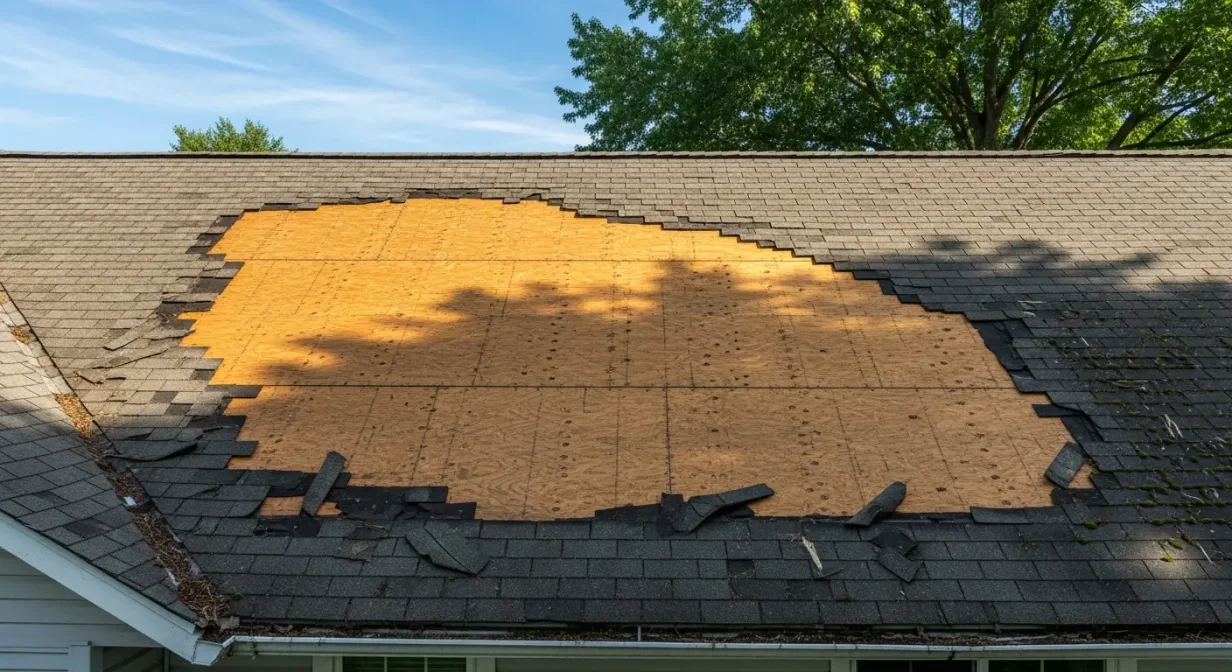
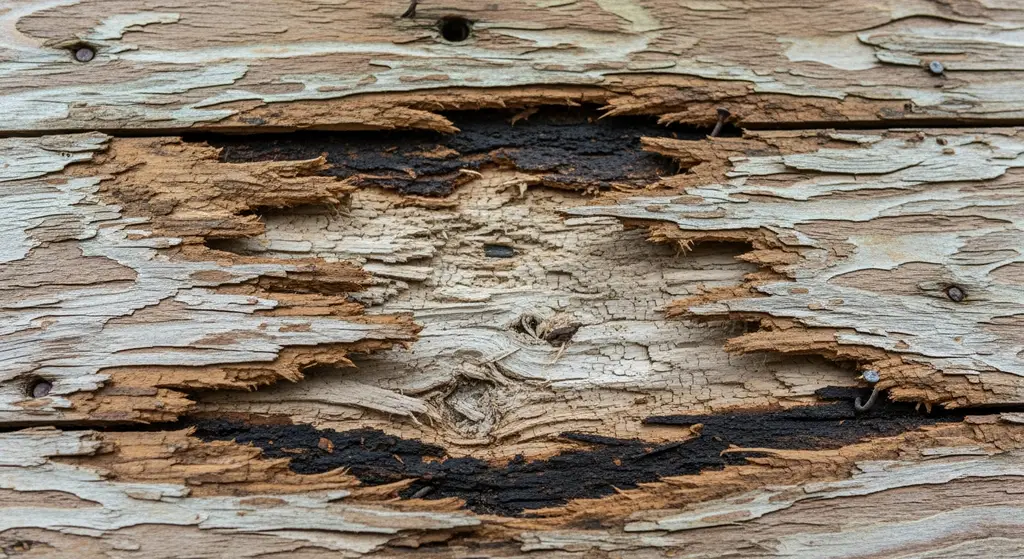
Roof decking damage manifests as soft spots, delamination, or structural sagging that compromises the ability of the sheathing to hold roofing fasteners. This damage is typically caused by prolonged moisture exposure from leaks or condensation, which rots the wood fibers and destroys the glue bonds in OSB. Probe all suspicious areas with a screwdriver and replace any sections that yield easily before installing new roofing materials over the compromised deck.
Key Takeaways
- Visible ceiling stains or sagging indicate potential roof decking damage requiring immediate attention.
- Professional roof inspections, costing $250-$750 in Dallas, can uncover hidden damage and ensure IRC code compliance.
- Understanding your insurance policy and documenting damage thoroughly are essential for a successful claim in the DFW Metroplex.
Roof decking, the foundation beneath your roofing material, plays a critical role in protecting your home. Damage to this crucial layer can lead to leaks, structural issues, and costly repairs. Understanding the warning signs and knowing how to properly inspect your roof decking are the first steps in addressing potential problems and navigating the complexities of insurance claims. The NRCA (National Roofing Contractors Association) offers guidelines for proper roof maintenance and inspection.
As a construction consultant in Dallas, I have seen firsthand how weather events can impact roof decking. Hail storms and extreme temperature fluctuations in Texas can weaken the decking over time, leading to leaks and structural damage. Identifying these issues early can save homeowners thousands of dollars and prevent insurance claim denials. Keeping your roof in good condition is not just about aesthetics; it’s about safeguarding your investment and ensuring your family’s safety.
The International Code Council (ICC) and the IRC 2021 set the standards for safe building practices.
Recognizing the Warning Signs of Roof Decking Damage
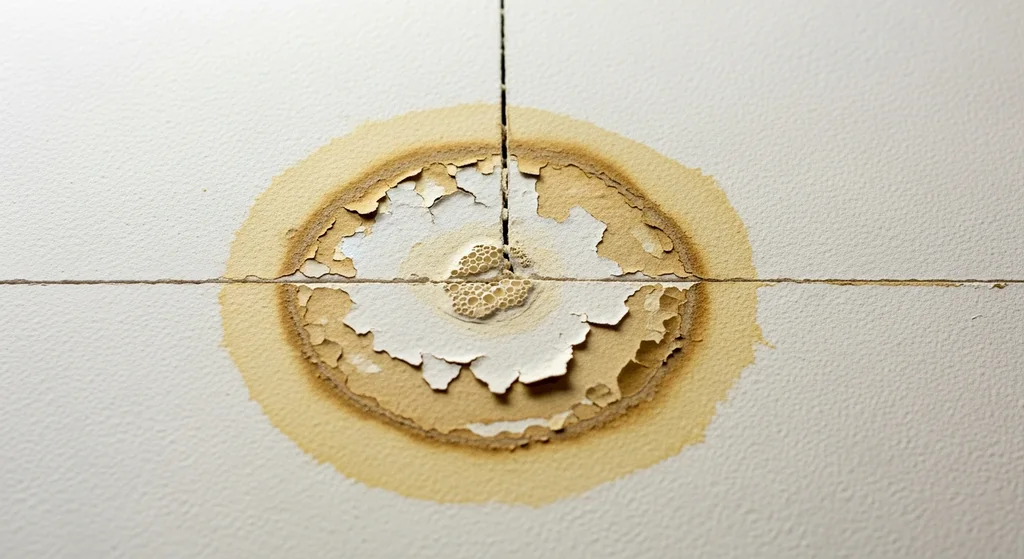
Several telltale signs can indicate underlying roof decking issues. Inside your home, look for water stains on ceilings or walls, especially after rain. Sagging ceilings or noticeable dips in the roofline are strong indicators of structural problems. Outside, examine your asphalt shingles for excessive granule loss, which can expose the decking to the elements.
The presence of mold or mildew in the attic is another potential red flag that warrants further investigation. Ignoring these warning signs can lead to significant damage and costly repairs down the line. For instance, a small leak left unaddressed can rot the decking and spread to the framing, potentially costing tens of thousands of dollars to repair. Regular inspections and prompt action are vital to maintaining the integrity of your roof.
Remember, the IRC R905 outlines requirements for roof coverings, but the decking beneath is equally important.
Field Note from Experience
In my 8+ years as a construction consultant in Dallas, I have seen many homeowners miss the early signs of roof decking damage, leading to more extensive and expensive repairs. A little vigilance can save a lot of money.
Performing a Thorough Roof Decking Inspection
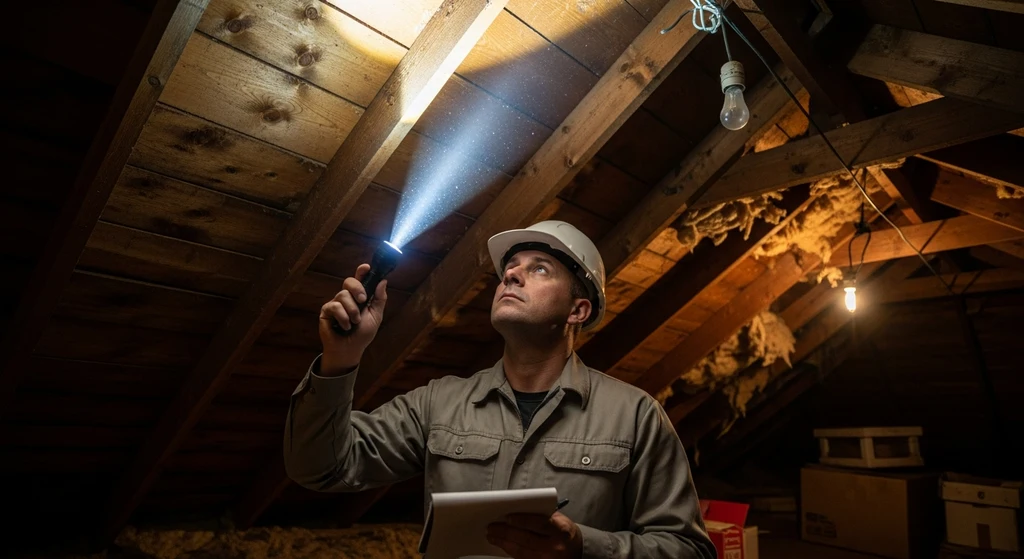
A comprehensive roof decking inspection involves both interior and exterior assessments. Start by examining the attic for signs of leaks, water damage, and proper ventilation. Check for mold, mildew, and any areas where sunlight is visible through the roof. On the exterior, carefully inspect the shingles for damage, granule loss, and any signs of curling or blistering.
Pay close attention to the condition of the flashing around chimneys, vents, and skylights. When inspecting the decking itself, look for signs of rot, warping, or delamination. Probe suspect areas with a screwdriver to check for soft spots. If you are not comfortable performing a roof inspection yourself, it is best to hire a qualified professional.
A professional inspection typically includes a detailed report outlining any problems and recommendations for repair or replacement. The NRCA provides guidelines for selecting a qualified roofing contractor.
Field Note from Experience
After inspecting dozens of Dallas-area roofs, I found that poor attic ventilation is a major contributor to roof decking deterioration. Proper ventilation helps regulate temperature and moisture, extending the life of the decking and roofing materials.
Assessing the Severity of Roof Decking Damage
The extent of roof decking damage dictates the appropriate course of action. Minor damage, such as small areas of rot or delamination, may be repairable. However, widespread damage, such as significant rot or structural instability, may necessitate full roof decking replacement. It’s crucial to determine whether the damage is localized or systemic.
A structural engineer can provide a professional assessment of the decking’s integrity. When evaluating the damage, consider the age of the roof, the type of roofing materials used, and the extent of any previous repairs. Document the damage thoroughly with photographs and detailed notes. This documentation will be essential when filing an insurance claim.
Remember, the International Code Council (ICC) and local building codes set minimum standards for roof decking, and non-compliance can affect your claim.
Dallas Market Pricing
In Dallas-Fort Worth, expect to pay $4-$8 per square foot for roof decking replacement, including materials and labor. These are Dallas market prices; costs vary by region and can be 15-25% higher in remote Texas areas.
Field Note from Experience
Working on Texas roofing projects, I have noticed that insurance companies often scrutinize roof decking damage claims closely. Having detailed documentation and a professional assessment can significantly increase the chances of a successful claim.
External Authoritative Resources
These industry-standard references support the information in this guide:
Building Codes
Frequently Asked Questions
What causes roof decking damage?
Roof decking damage can result from a variety of factors, including water leaks, storm damage (hail, wind), improper installation, and age. In Dallas, the extreme heat and humidity can also contribute to decking deterioration. The IRC 2021 provides guidelines for proper installation to minimize damage.
How do I know if my roof decking needs to be replaced?
Signs that your roof decking needs replacement include widespread rot, significant water damage, structural instability, and non-compliance with current building codes. A professional inspection is the best way to determine the extent of the damage. The NRCA recommends regular inspections to identify problems early.
Will my insurance cover roof decking replacement?
Whether your insurance covers roof decking replacement depends on the cause of the damage and the terms of your policy. Damage caused by covered perils, such as hail or wind, is typically covered. However, damage resulting from neglect or lack of maintenance may not be covered. It’s essential to review your policy and consult with your insurance company.
What is CDX plywood, and why is it used for roof decking?
CDX plywood is a type of plywood specifically designed for exterior use. It is commonly used for roof decking because it is durable, water-resistant, and provides a solid base for roofing materials. However, OSB (oriented strand board) is another common option. The choice between CDX plywood and OSB often depends on local building codes and personal preference.
In Dallas, both are widely used, but CDX plywood is often preferred for its superior water resistance.
What are the requirements for roof decking thickness?
The required thickness for roof decking depends on the spacing of the rafters or trusses and the type of roofing material used. IRC R803.2.1 requires minimum 15/32-inch thickness for roof sheathing with rafters spaced 24 inches on center. Always consult local building codes and a qualified professional to ensure compliance. Using thinner decking can lead to structural problems and insurance claim denials.
How important is proper attic ventilation for roof decking?
Proper attic ventilation is crucial for maintaining the health and longevity of your roof decking. Adequate ventilation helps regulate temperature and moisture levels in the attic, preventing condensation and reducing the risk of rot and mold growth. Poor ventilation can trap heat and moisture, leading to premature decking deterioration. Building codes specify minimum ventilation requirements, and failing to meet these requirements can void warranties and affect insurance claims.
What role does felt underlayment or synthetic underlayment play in protecting roof decking?
Felt underlayment and synthetic underlayment serve as a crucial barrier between the roof decking and the roofing material. They protect the decking from water damage caused by rain, snow, and ice. Synthetic underlayment generally offers superior performance compared to felt, with better water resistance and tear strength. Using a quality underlayment is essential for extending the life of your roof decking and preventing costly repairs.
ASTM D226 and ASTM D4869 specify requirements for asphalt-saturated felt and synthetic underlayment, respectively.
Final Thoughts
Identifying and addressing roof decking damage promptly is essential for protecting your home and avoiding costly repairs. Regular inspections, proper maintenance, and a thorough understanding of your insurance policy are vital for ensuring the long-term integrity of your roof. Don’t hesitate to consult with a qualified roofing contractor or structural engineer if you suspect any problems with your roof decking. Many Dallas homeowners do not realize the extent of damage hidden beneath their shingles until it’s too late.
Proactive measures can save you thousands of dollars and prevent potential insurance claim denials. Remember, the NRCA is a valuable resource for homeowners seeking information about roofing best practices. Take the necessary steps to safeguard your investment and ensure the safety of your home.
