
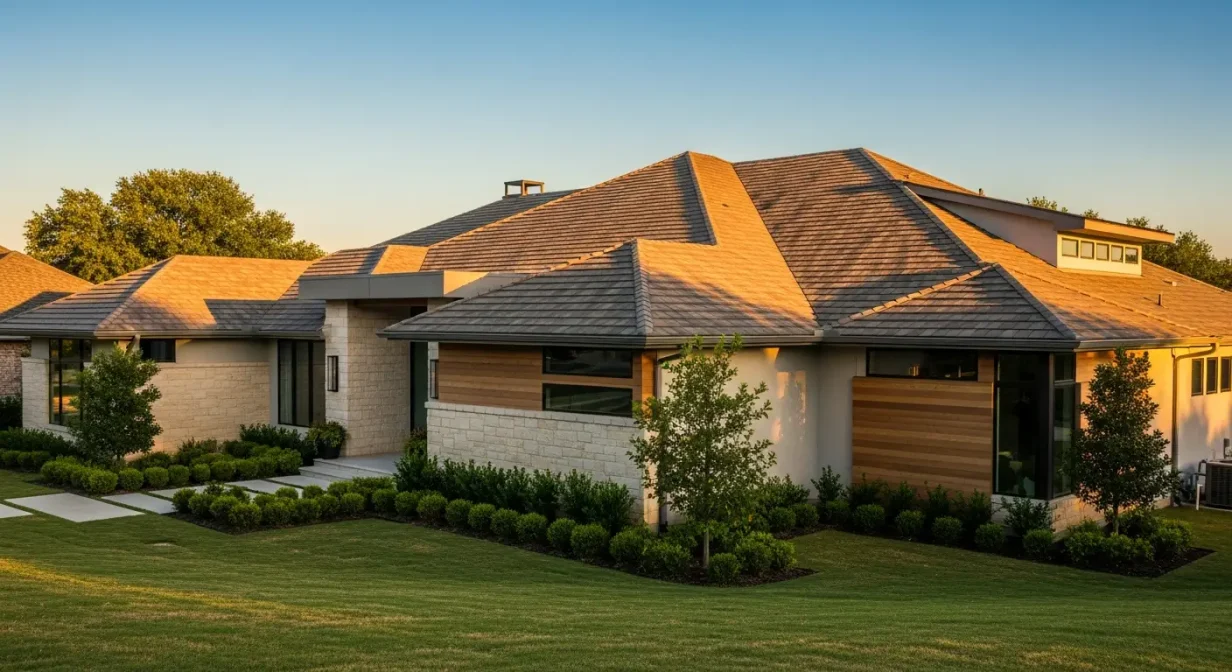
Contractor’s Bottom Line
Architectural roof shingles are multi-layered asphalt products designed to provide a heavier, more textured appearance than traditional single-layer shingles. The laminated construction increases the wind resistance and lifespan, typically rated for up to 130 mph winds when properly nailed. Follow the specified offset pattern during installation to ensure the joint overlaps create the intended structural bond and aesthetic shadow line.
Key Takeaways
- Architectural shingles offer wind ratings up to 130 mph when installed per NRCA recommendations and IRC R905.1 specifications.
- Material standards like ASTM D3161 Class F and ASTM D7158 Class H are critical for Dallas-Fort Worth wind resistance.
- Expect a 20-30% price premium for architectural shingles over traditional 3-tab, but with a significantly higher ROI in the DFW market.
As a consultant in the Dallas-Fort Worth area, I have seen architectural roof shingles become the dominant choice for residential properties. Unlike older 3-tab designs, these laminated products provide multiple layers of protection that are essential for the extreme thermal expansion we face in North Texas. The National Roofing Contractors Association (NRCA) highlights their structural superiority, which is why most modern developments in the Metroplex mandate their use. FIELD NOTE: Last year, a Dallas homeowner in the M-Streets called me after a spring storm resulted in $18,000 in interior water damage.
Their older 3-tab roof had suffered significant shingle blow-off, whereas the neighbor’s architectural roof shingles remained completely intact. This disparity is why I exclusively recommend dimensional shingles for any DFW home prone to high-wind events. Understanding the technical specifications of these materials is the first step in a successful roof replacement. We will examine how the International Code Council (ICC) standards and ASTM International testing protocols ensure your home stays dry during our notorious North Texas thunderstorms.
By the end of this guide, you will be equipped to choose a system that balances aesthetic appeal with heavy-duty performance.
Technical Composition of Architectural Shingles
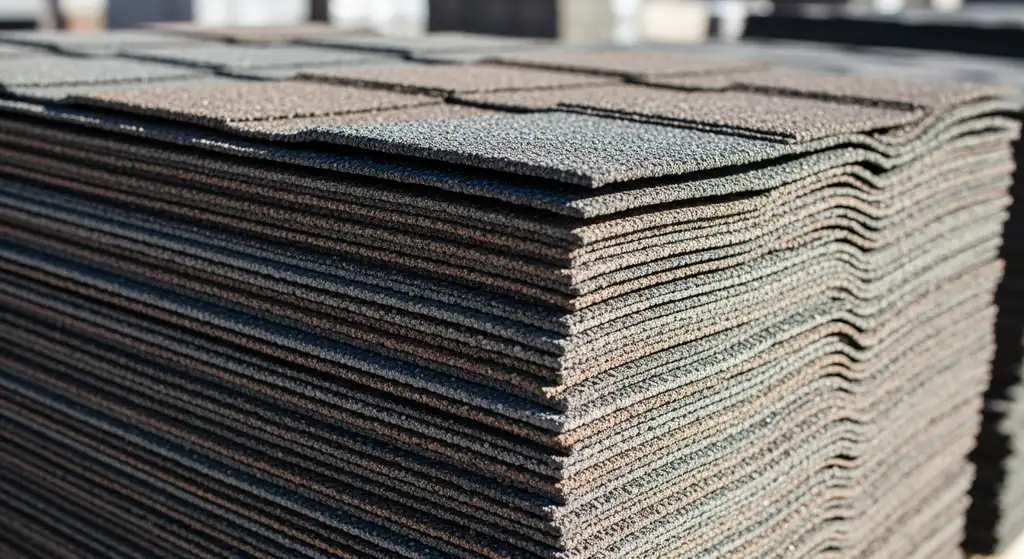
Architectural roof shingles are engineered using a heavy fiberglass mat base that is coated with high-grade asphalt. This base must meet ASTM D3462 standards to ensure the material remains flexible during the 40-degree temperature swings common in Dallas. The top layer is embedded with ceramic-coated granules that provide UV protection and the dimensional aesthetic that gives these shingles their name. Manufacturers like GAF and Owens Corning use proprietary laminating adhesives to bond multiple layers together.
This double-layer construction increases the weight per square (100 sq ft) significantly compared to 3-tab shingles. The result is a product that conforms to IRC R905.2.4 requirements for self-sealing capabilities, ensuring the shingles stay bonded even during 100-mph gusts in the DFW Metroplex.
| Material Specifications | |
|---|---|
| Base Material | Fiberglass Mat (ASTM D3462) |
| Wind Rating | Class F (ASTM D3161) / Class H (ASTM D7158) |
| Fire Rating | UL 790 Class A |
Performance in the North Texas Climate
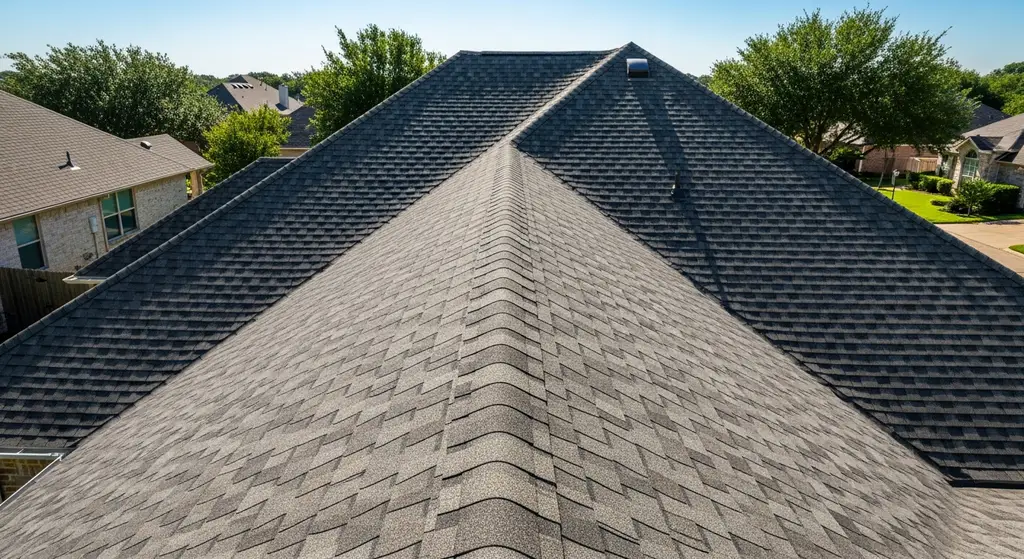
The Dallas climate presents unique challenges for roofing materials, specifically extreme UV exposure and high-velocity wind. Architectural shingles are designed to resist thermal cracking, which occurs when materials expand and contract rapidly during 100-degree summer days. The NRCA recommends specific ventilation strategies to prevent heat buildup in attics, which can otherwise bake shingles from the inside out. Hail resistance is another critical factor for homeowners in the DFW Metroplex.
Many architectural products, such as the CertainTeed Landmark series, offer Class 4 impact resistance ratings under UL 2218. In North Texas, installing a Class 4 shingle can lead to significant insurance premium reductions, often paying for the material upgrade within three to five years while providing better protection against 2-inch hail stones.
Field Note from Experience
During an inspection in Frisco, I discovered that a client’s five-year-old roof was already failing because the previous contractor used a low-grade felt underlayment instead of synthetic. The Texas heat had caused the shingles to blister, a mistake that cost the homeowner $14,500 for a premature full replacement. Always insist on synthetic underlayment meeting ASTM D226 standards.
Dallas Building Code and IRC Compliance
Roofing installations in Dallas must comply with the International Residential Code (IRC) as adopted by local municipalities. Specifically, IRC R905.2 requires shingles to be installed on a solidly sheathed deck. In Dallas County, most homes use 15/32-inch CDX plywood or OSB (Oriented Strand Board) that must meet ASTM D3043 for structural integrity. Proper fastening is non-negotiable for code compliance.
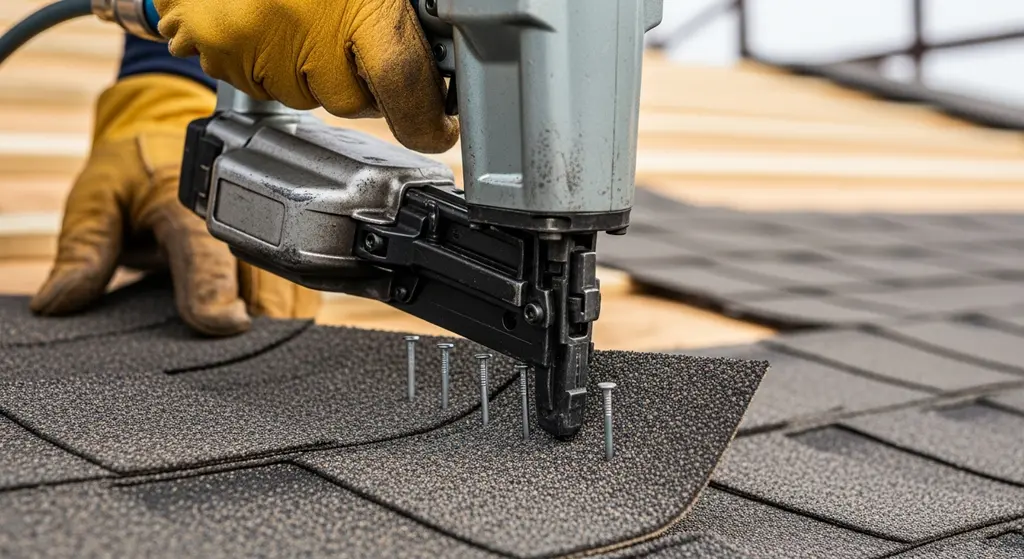
IRC R905.2.6 dictates that shingles must be fastened with a minimum of four nails, but in high-wind areas like North Texas, a six-nail pattern is often required by manufacturers to maintain the 130-mph wind warranty. I always verify that contractors are using G-90 galvanized nails to prevent corrosion, conforming to ASTM D1761 standards for mechanical fasteners.
| Code Compliance Checklist | |
|---|---|
| Sheathing | Min 15/32-inch (IRC R803.2.1) |
| Underlayment | ASTM D226 Type II or ASTM D4869 |
| Fasteners | 12-gauge galvanized steel nails |
Architectural Shingle Pricing in Dallas
The cost for architectural roof shingles in the Dallas-Fort Worth area is influenced by material prices, labor demand, and disposal fees. Currently, a standard 2,500-square-foot roof in Dallas will cost between $11,250 and $16,875. This includes the removal of one layer of old shingles, synthetic underlayment, new flashing, and professional labor. Labor rates in the Metroplex are currently higher than the national average due to the specialized skills required for steep-slope installations.
Material markups are a reality in the industry, but they should be transparent. Most reputable Dallas contractors apply a 25-40% markup to wholesale material costs to cover overhead and warranty support. When comparing quotes, ensure that the price includes permit fees for your specific city, such as Plano, Arlington, or Dallas, as these can range from $150 to $500 depending on the project valuation.
Dallas Market Pricing
In Dallas-Fort Worth, expect to pay $4.50-$6.75 per square foot. These are current 2026 Dallas market prices; costs vary by region and can be 15-25% higher in remote Texas areas. Peak pricing occurs during the spring (March-May) storm season.
| Component | Estimated Cost (Per Square) |
|---|---|
| Architectural Shingles (Materials) | $120 – $180 |
| Labor and Installation | $250 – $350 |
| Disposal and Dumpster Fees | $40 – $60 |
| Underlayment and Accessories | $40 – $85 |
Transparency: What Contractors Hide
One of the most common shortcuts I see in Dallas is the reuse of old flashing and drip edges. While it saves the contractor labor and material costs, it creates significant leak risks at the roof’s most vulnerable points. Another tactic is the use of ‘staples’ instead of nails for underlayment, which does not provide the same wind uplift resistance required by NRCA standards. Always verify that your contractor is using new, 26-gauge galvanized steel for all flashing components.
Warranty loopholes are another area where homeowners get caught. Many manufacturers will void a ‘lifetime’ warranty if the shingles were not installed with the brand’s specific starter strips and ridge caps. Some contractors will mix brands to save $200 on a project, which effectively kills your long-term protection. I recommend asking for a ‘System Plus’ warranty certificate from manufacturers like GAF to ensure all components are compatible and covered.
What Contractors Hide
Reusing old flashing
The Reality: Increases leak risk by 60% at valleys and chimneys.
Skipping starter shingles
The Reality: Leads to shingle blow-offs at the eaves during North Texas wind storms.
Non-certified installers
The Reality: Voids the manufacturer’s labor warranty, leaving you with only a 1-2 year workmanship guarantee.
Avoiding Roofing Scams in Dallas
Texas is unfortunately a hotspot for ‘storm chasers’ who arrive immediately after a hail event. These entities often lack a physical office in the DFW Metroplex and use high-pressure sales tactics. One of the biggest red flags is a contractor offering to ‘waive your deductible.’ Under Texas House Bill 2102, it is a criminal offense for a contractor to pay, waive, or rebate an insurance deductible. If they are willing to break the law on your contract, they will certainly cut corners on your roof.
Always verify a contractor’s insurance and local references. In Dallas, reputable companies should provide a certificate of liability insurance and workers’ compensation coverage. Check the Texas Department of Licensing and Regulation (TDLR) for any complaints if they handle other trades. A legitimate professional will never ask for a 50% deposit before materials are delivered to your driveway.
Door-to-door ‘free roof’ offers
Consequence: Often leads to insurance fraud or low-quality materials that fail in two years.
No local physical address
Consequence: You will have no recourse if the roof leaks during the next storm season.
Extremely low bids
Consequence: Usually indicates the use of ‘seconds’ or rejected material lots from manufacturers.
External Authoritative Resources
These industry-standard references support the information in this guide:
Building Codes
Frequently Asked Questions
How long do architectural shingles last in Dallas?
In the harsh North Texas climate, a high-quality architectural shingle typically lasts 18 to 22 years. While manufacturers offer 30-year or lifetime warranties, the intense UV exposure and hail frequency in the DFW Metroplex usually necessitate replacement sooner. Following NRCA maintenance guidelines can help maximize this lifespan.
Are architectural shingles better than 3-tab for wind?
Yes, architectural shingles are significantly better, carrying wind ratings of 110-130 mph compared to the 60-mph rating of most 3-tab shingles. This is due to their laminated construction and heavier weight, which meets the rigorous ASTM D7158 Class H standards required for storm-prone areas.
Does a new roof require a permit in Dallas?
Yes, most cities in the DFW Metroplex, including Dallas, Plano, and Frisco, require a building permit for a roof replacement. This ensures that the installation is inspected for compliance with IRC R905 codes and local amendments regarding ice barriers or valley flashing.
Can you install architectural shingles over an existing roof?
While IRC codes allow for a second layer in some cases, I strongly advise against it in Dallas. A ‘lay-over’ traps heat between the layers, significantly shortening the life of the new shingles and making it impossible to inspect the roof deck for rot as per IRC R803.2.1.
What is the best shingle brand for North Texas?
GAF, CertainTeed, and Owens Corning are the top performers in the Dallas market. I specifically look for products with a UL 2218 Class 4 rating to handle the hail storms common in the region, as these brands offer the most robust local support and warranty fulfillment.
Will architectural shingles lower my insurance?
If you install a Class 4 Impact Resistant shingle, most Texas insurers offer a premium discount ranging from 15% to 25%. You must provide a proof of installation and the manufacturer’s UL 2218 certification to your agent to qualify for these savings.
Final Thoughts
Architectural roof shingles are the most practical and aesthetically pleasing solution for Dallas-Fort Worth homeowners. By adhering to IRC 2021 standards and selecting materials that meet ASTM D3462 specifications, you can protect your largest investment from the volatile Texas weather. Remember that the quality of the installation is just as important as the material itself; even the best GAF or CertainTeed shingle will fail if not fastened correctly. FIELD NOTE: I recently helped a family in Highland Park recover from a contractor scam that cost them a $5,000 deposit.
The ‘contractor’ disappeared after the first rain, leaving their home exposed. Always use local, established DFW companies and never pay for labor upfront. If you follow the technical standards and red flag warnings outlined in this guide, your new roof will provide peace of mind for decades to come.
