
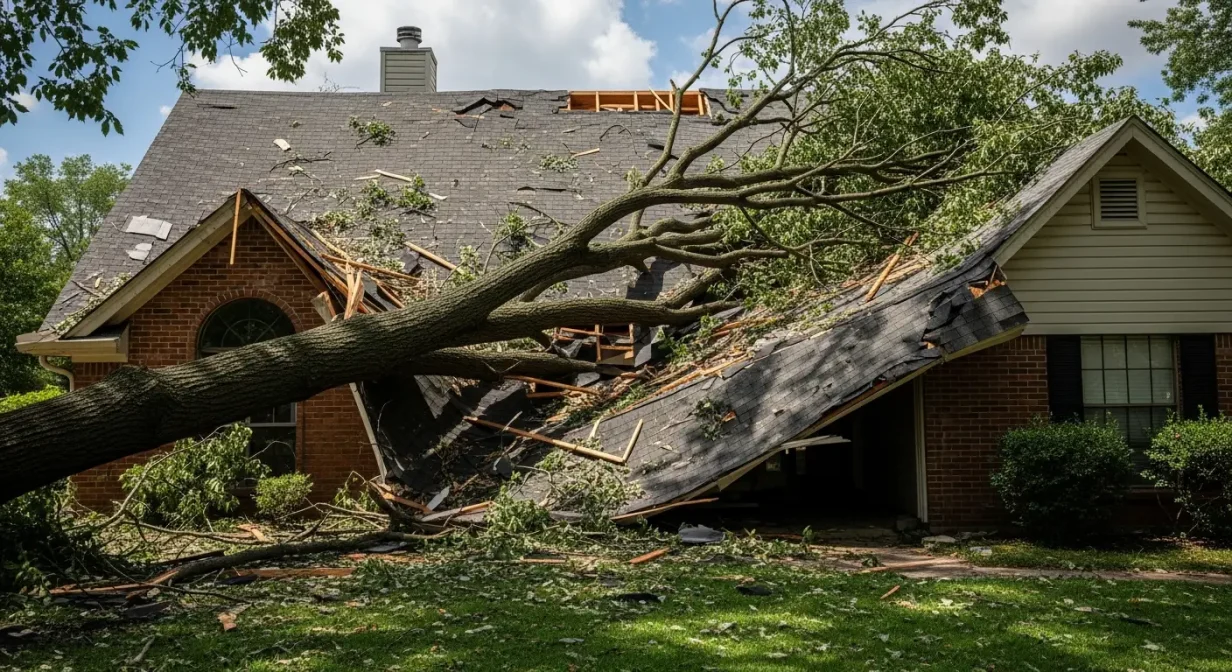
Contractor’s Bottom Line
A tree falling on a roof causes immediate, catastrophic structural damage to the framing, sheathing, and roofing materials. The impact often compromises the structural integrity of the roof trusses, requiring a professional engineer to assess whether the framing can be repaired or must be replaced. Secure the area to prevent entry, cover the breach with a tarp to prevent further water damage, and contact your insurance carrier immediately.
Key Takeaways
- Look for interior water stains and sagging ceilings, indicating potential roof leaks after a tree impact.
- A professional roof inspection is crucial to assess hidden structural damage and ensure compliance with IRC R905.
- Ignoring roof damage from a fallen tree can lead to costly repairs and potential safety hazards for your Dallas home.
A tree falling on your roof is a homeowner’s nightmare, especially in North Texas where severe weather is common. The immediate aftermath can be overwhelming, but understanding the potential damage and knowing how to respond is essential for protecting your home and family. It’s crucial to act swiftly to mitigate further damage and ensure the safety of your property, but assessing the situation calmly and methodically is equally important. In my 8+ years as a construction consultant in Dallas, I have seen countless instances of tree-related roof damage.
Many homeowners do not realize the extent of the hidden damage until it leads to significant leaks and structural problems. Working with a qualified contractor familiar with Dallas building codes and insurance claims is the best first step. The NRCA provides valuable resources for homeowners in such situations, as does FEMA.
Identifying Warning Signs of Roof Damage
After a tree falls on your roof, identifying the warning signs of damage is critical. Look for immediate signs such as missing or broken asphalt shingles, punctures in the roof surface, and sagging areas. Interior signs include water stains on ceilings and walls, peeling paint, and musty odors indicating moisture intrusion. Also, examine the attic for any visible damage to the roof sheathing or rafters.
Pay close attention to areas around chimneys, vents, and skylights, as these are common points of water entry after a roof is compromised. Even seemingly minor damage can escalate quickly, especially with Dallas’s fluctuating temperatures and heavy rainfall. A comprehensive inspection is necessary to uncover hidden problems and prevent further deterioration. These issues, if left unaddressed, can lead to further structural damage and potential mold growth.
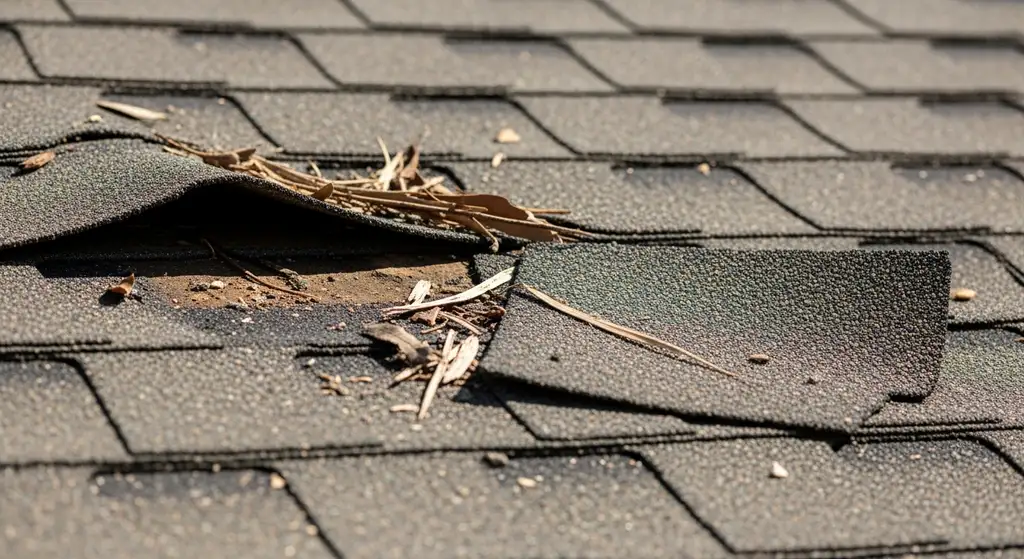
Water Leaks
Typical Cost: $500-$5000+
Prevention: Immediate tarping and professional inspection
Insurance Coverage: Typically covered, but policy-dependent
Code Reference: IRC R905
Structural Damage
Typical Cost: $2000-$20,000+
Prevention: Professional structural assessment
Insurance Coverage: Typically covered, but policy-dependent
Code Reference: IRC R803.2.1
Field Note from Experience
After inspecting dozens of Dallas-area roofs, I found that even seemingly minor tree impacts can cause hidden structural damage that leads to significant problems later on. One homeowner in Plano had a small branch fall on their roof, which initially seemed insignificant. However, the impact had weakened the underlying sheathing, leading to a major leak during a subsequent rainstorm, costing them over $8,000 in repairs.
Methods for Inspecting Roof Damage
A thorough roof inspection is crucial after a tree fall. Start with a visual inspection from the ground, using binoculars to assess the overall condition of the roof. Look for displaced, cracked, or missing shingles. Next, if safe to do so, carefully inspect the roof surface, paying attention to areas around the impact zone.
Be sure to follow OSHA safety guidelines when working at heights. Check for punctures, tears, and any signs of structural damage. Examine the flashing around vents, chimneys, and skylights for any signs of compromise. A professional roofing contractor will use specialized tools and techniques to assess the extent of the damage, including checking for hidden structural issues.
They can also provide a detailed report for your insurance company. Remember that walking on a roof, especially after damage, can be dangerous. Consider hiring a professional to ensure safety and accuracy.
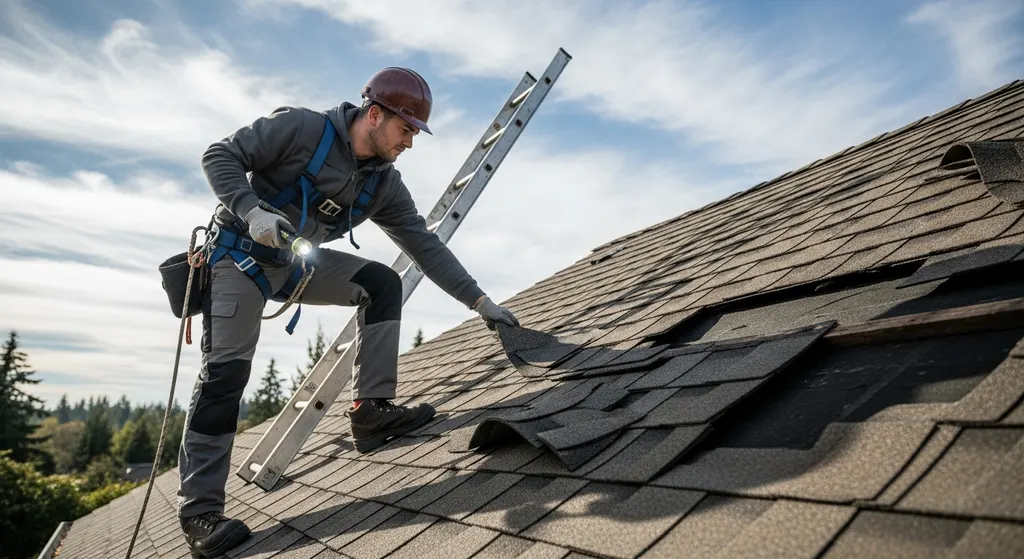
| Inspection Checklist | |
|---|---|
| Shingles | Check for missing, cracked, or displaced shingles. |
| Flashing | Inspect around vents, chimneys, and skylights. |
| Sheathing | Look for punctures or signs of water damage. |
| Attic | Check for water stains and structural issues. |
Assessing the Severity of the Damage
Assessing the severity of roof damage is essential for determining the appropriate course of action. Minor damage, such as a few missing asphalt shingles, might be addressed with a simple repair. Moderate damage, involving a larger area of missing shingles or minor structural issues, may require more extensive repairs. Severe damage, including significant structural compromise or widespread leaks, often necessitates a complete roof replacement.
The type of roofing material also influences the assessment. For example, architectural shingles may withstand impact better than 3-tab shingles. Consider the age of your roof and whether the damage has compromised its overall integrity. A qualified roofing contractor can provide a detailed assessment, including a cost estimate for repairs or replacement, ensuring compliance with the International Code Council (ICC) and local building codes.
The NRCA provides guidance on determining the extent of roof damage.
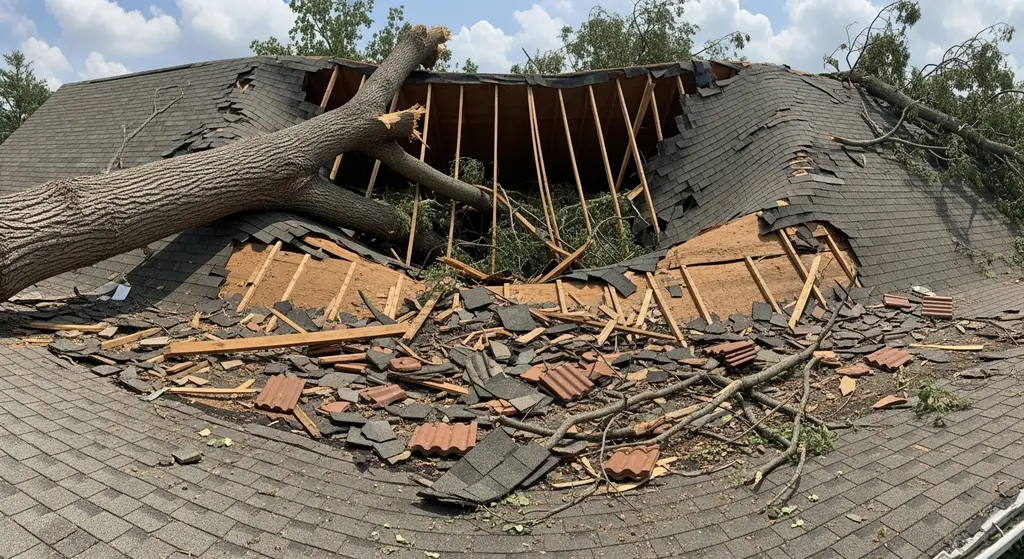
| Damage Level | Description | Action Required |
|---|---|---|
| Minor | Few missing shingles | Spot repair |
| Moderate | Larger area of damage, minor leaks | Extensive repair |
| Severe | Structural damage, widespread leaks | Roof replacement |
Field Note from Experience
In my 8+ years as a construction consultant in Dallas, I have seen insurance claims denied because the homeowner underestimated the severity of the damage. One homeowner in Frisco only noticed a few missing shingles after a storm. However, a closer inspection revealed that the impact had weakened the underlying OSB sheathing, leading to a much more extensive and costly repair. It is important to get a professional assessment to avoid issues with your insurance claim.
External Authoritative Resources
These industry-standard references support the information in this guide:
Building Codes
Frequently Asked Questions
How can I tell if a tree falling on my roof has caused structural damage?
Look for signs such as sagging ceilings, cracks in walls, and water leaks. A professional inspection is crucial to assess hidden structural damage and ensure compliance with IRC R803.2.1.
Will my insurance cover the cost of repairing or replacing my roof after a tree falls on it?
Most homeowner’s insurance policies cover damage caused by fallen trees. However, it’s important to review your policy and understand your coverage limits and deductible. Documentation is critical for a smooth claims process.
How quickly should I address roof damage after a tree falls on my roof?
It’s crucial to address roof damage as quickly as possible to prevent further deterioration and potential safety hazards. The NRCA recommends prompt action to minimize long-term costs.
What type of roofing material is most resistant to tree damage?
While no roofing material is completely immune to tree damage, some materials, such as architectural shingles and metal roofing, offer greater impact resistance than 3-tab shingles. However, the severity of the impact is the primary factor.
Can I repair the roof damage myself, or should I hire a professional?
While minor repairs might be possible for a DIY enthusiast, it’s generally recommended to hire a professional roofing contractor for safety and quality reasons. Professionals have the expertise and equipment to properly assess and repair the damage, ensuring compliance with building codes and manufacturer specifications.
What building codes apply to roof repairs in Dallas after tree damage?
Roof repairs in Dallas must comply with the International Residential Code (IRC), specifically IRC R905 for roofing requirements and IRC R803.2.1 for sheathing. Local amendments may also apply, so it’s important to check with the city’s building department.
Final Thoughts
Dealing with roof damage from a fallen tree can be a stressful experience. Prioritizing safety, assessing the damage thoroughly, and working with qualified professionals are essential steps to protect your home and family. Remember to document everything for insurance purposes and ensure that all repairs comply with local building codes. In my 8+ years of experience, I have seen many homeowners make the mistake of delaying repairs, leading to more extensive and costly problems down the road.
Don’t hesitate to contact a reputable roofing contractor in the Dallas-Fort Worth area for a comprehensive inspection and estimate. The NRCA has a directory of qualified contractors to help you find the right professional.
