
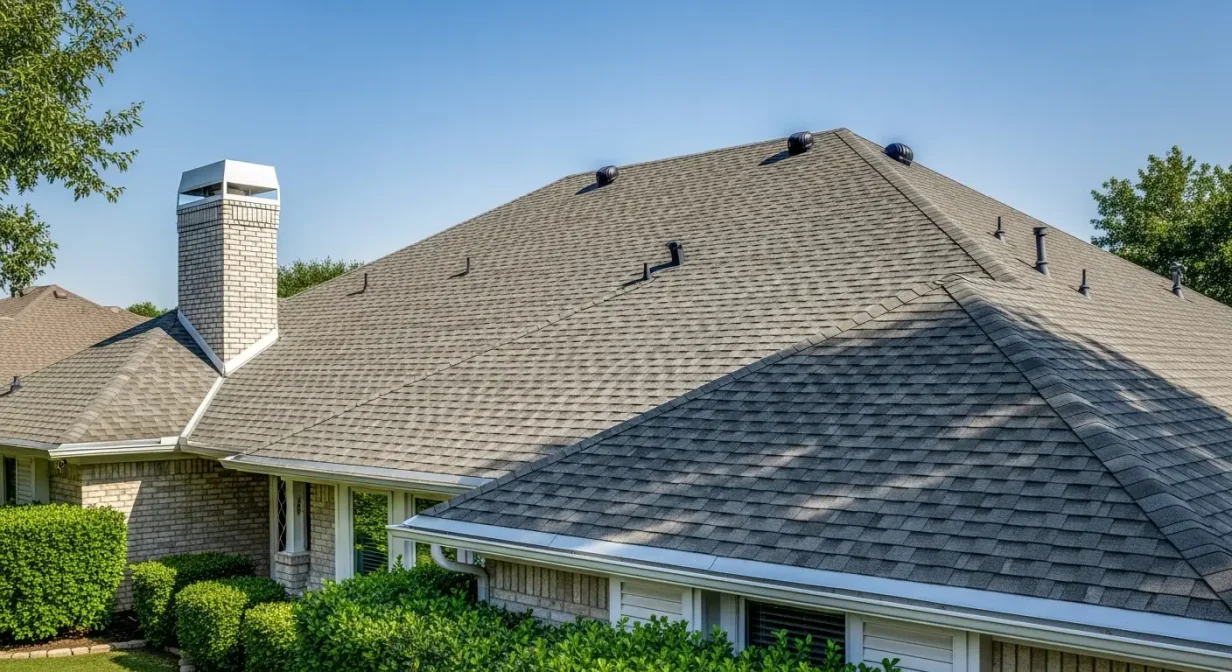
Contractor’s Bottom Line
A roof replacement is generally not tax deductible for a personal residence, as it is considered a routine home maintenance expense. However, if the roof is damaged by a federally declared disaster, the loss deduction may be claimed on itemized returns, subject to thresholds. Consult a tax professional to determine if your specific roof project qualifies for energy efficiency credits or casualty loss deductions.
Key Takeaways
- Missing or damaged asphalt shingles are a primary indicator of roof problems. Repairing these promptly prevents further water damage.
- Regular roof inspections, ideally twice a year, following NRCA guidelines, can help identify issues early and extend the life of your roof.
- In the Dallas-Fort Worth area, hail storms are a common cause of roof damage. Check your roof after any significant weather event.
Your roof is your home’s first line of defense against the elements, and in Texas, that means extreme heat, hail, and high winds. Identifying problems early can prevent costly repairs and maintain your home’s value. This guide will help you recognize common warning signs, understand inspection methods, and assess the severity of roof damage. In my 8+ years as a construction consultant in Dallas, I have seen firsthand how neglecting minor roof issues can quickly escalate into major problems, costing homeowners thousands of dollars.
Often, the damage is discovered too late, leading to denied insurance claims and extensive repairs. For instance, I inspected a roof where a small leak had gone unnoticed for months, resulting in $15,000 in damage to the attic and interior walls. The NRCA recommends regular inspections to mitigate risks.
Recognizing Common Roof Problem Warning Signs
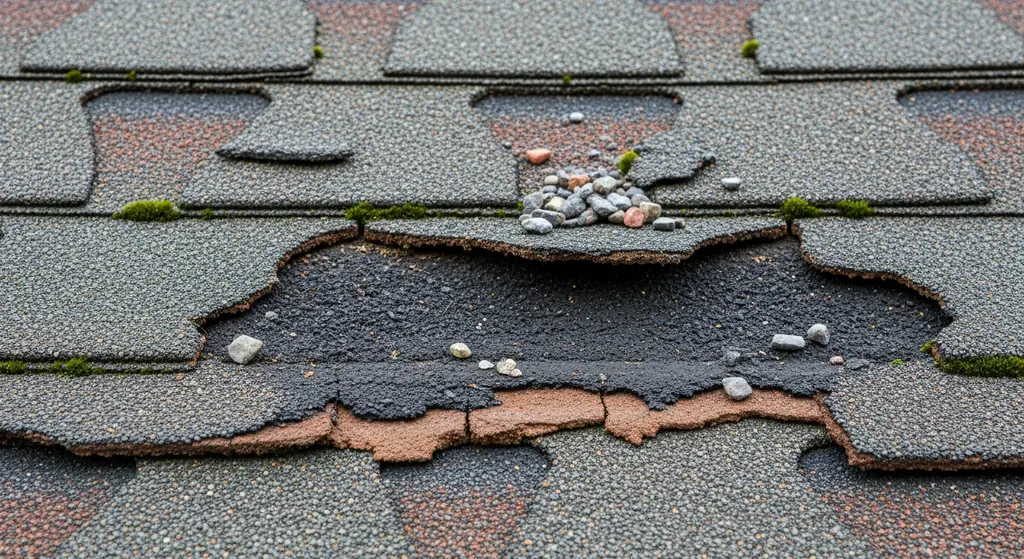
Several warning signs can indicate problems with your roof. Look for missing, cracked, or curled asphalt shingles. Granule loss, visible in your gutters or at the base of downspouts, is another sign of aging or damaged shingles. Inside your home, check for water stains on ceilings or walls, which can indicate a leak.
Remember that prompt action can prevent more extensive damage. Damaged flashing around chimneys, vents, and skylights is another common issue. These areas are particularly vulnerable to leaks. Also, inspect the soffit and fascia for signs of rot or water damage.
In the Dallas-Fort Worth area, extreme temperature fluctuations can cause materials to expand and contract, leading to cracks and leaks. Ignoring these signs can lead to secondary damage, such as mold growth, which can pose health risks.
Advantages
- Early detection saves money
- Prevents extensive water damage
Disadvantages
- Requires regular visual inspections
- Can be difficult to spot from the ground
Free roof inspections offered after storms
Consequence: May be a scam to inflate insurance claims or perform unnecessary work
Field Note from Experience
After inspecting dozens of Dallas-area roofs, I found that many homeowners are unaware of the subtle signs of roof damage, such as minor granule loss or slightly curled shingle edges. These seemingly small issues can quickly worsen, especially with Texas’s harsh weather conditions. I recommend checking your roof at least twice a year, preferably in the spring and fall.
Effective Roof Inspection Methods for Dallas Homes
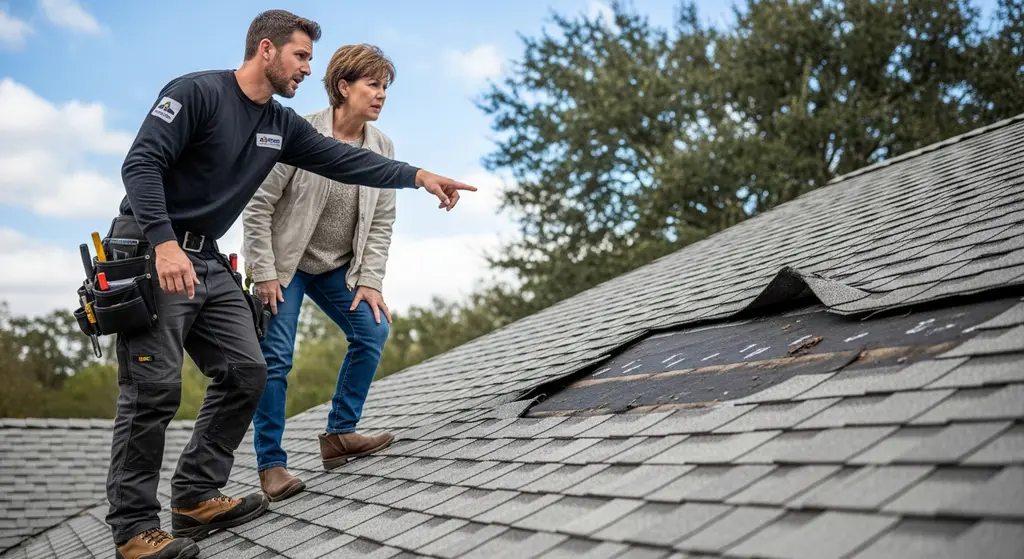
A thorough roof inspection involves both visual examination from the ground and a closer look on the roof itself, if safe to do so. From the ground, use binoculars to check for missing or damaged asphalt shingles, sagging areas, and damaged flashing. On the roof, examine the condition of the shingles, looking for cracks, curling, and granule loss. Pay close attention to areas around vents, chimneys, and skylights.
When performing a roof inspection, prioritize safety. Never walk on a wet or icy roof. If you are uncomfortable or unsure about inspecting your roof yourself, hire a qualified roofing contractor. A professional inspection will include a detailed assessment of the roof’s condition, including the underlayment and decking.
They will also check for compliance with IRC 2021 building codes, currently applicable in Dallas as of 2026. Remember to verify contractor licenses with the Texas Department of Licensing and Regulation (TDLR).
Advantages
- Detailed assessment of roof condition
- Can identify hidden problems
- Ensures compliance with building codes
Disadvantages
- Can be expensive
- Requires a qualified professional
Contractor offering to waive your deductible.
Consequence: Insurance fraud; illegal in Texas
Field Note from Experience
In my experience, many Dallas homeowners rely solely on visual inspections from the ground, which often miss critical issues. I recall a case where a homeowner only noticed a major leak after extensive water damage had occurred. A professional inspection would have identified the problem much earlier, saving them thousands of dollars. The NRCA provides excellent resources on proper inspection techniques.
Assessing the Severity of Roof Damage
Once you’ve identified potential problems, it’s crucial to assess the severity of the damage. Minor damage, such as a few missing asphalt shingles, can often be repaired relatively easily. However, more extensive damage, such as widespread shingle loss, significant leaks, or structural issues, may require a complete roof replacement. Consider the age of your roof and the extent of the damage when deciding whether to repair or replace.
Most asphalt shingle roofs last 20-30 years. Severe damage can compromise the structural integrity of your roof and lead to further problems, such as water damage to your home’s interior. In Dallas-Fort Worth, hail damage is a common cause of severe roof damage. If you suspect significant damage, contact your insurance company and a qualified roofing contractor immediately.
Document the damage with photos and videos to support your insurance claim. Remember that neglect can void your warranty and lead to denied claims.
Missing shingles after windstorm
Typical Cost: $500-$2000 for repairs
Prevention: Regular inspections, high-quality shingles
Insurance Coverage: Usually covered
Code Reference: IRC R905
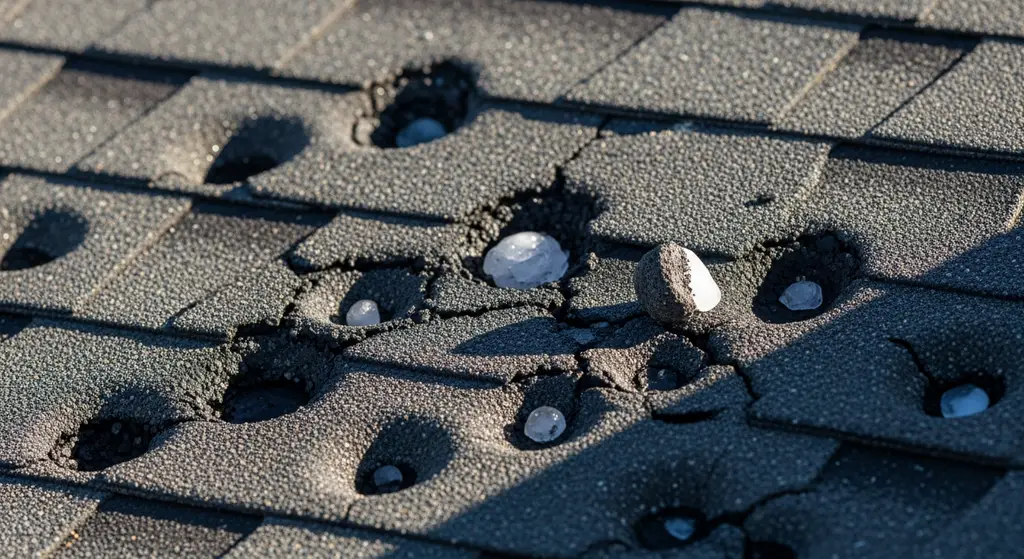
Extensive hail damage
Typical Cost: $10,000-$25,000 for replacement
Prevention: Impact-resistant shingles
Insurance Coverage: Usually covered
Code Reference: IRC R905
Field Note from Experience
Working on Texas roofing projects, I have noticed that many insurance companies require specific documentation of roof damage before approving claims. This includes photos, videos, and a detailed report from a licensed roofing contractor. Failing to provide adequate documentation can lead to delays or even denial of your claim. Always consult with a professional to ensure you have all the necessary information.
FEMA also offers resources for disaster preparedness and recovery.
External Authoritative Resources
These industry-standard references support the information in this guide:
Building Codes
Frequently Asked Questions
How often should I inspect my roof in Dallas, Texas?
In Dallas, Texas, it’s recommended to inspect your roof at least twice a year, ideally in the spring and fall. This is especially important due to the region’s susceptibility to severe weather events like hail storms and high winds. Regular inspections can help identify potential problems early and prevent costly repairs. The NRCA also recommends post-storm inspections.
What are the most common signs of roof damage?
Common signs of roof damage include missing, cracked, or curled asphalt shingles, granule loss, water stains on ceilings or walls, and damaged flashing around vents and chimneys. These signs can indicate leaks, aging shingles, or structural problems. Early detection is key to preventing further damage.
Can I repair my roof myself, or should I hire a professional?
Minor repairs, such as replacing a few missing shingles, can often be done yourself if you are comfortable and have the necessary skills. However, for more extensive damage or if you are unsure about the safety of working on your roof, it’s best to hire a qualified roofing contractor. They have the expertise and equipment to safely and effectively repair your roof. Verify that the contractor carries current insurance and a Texas Department of Licensing and Regulation (TDLR) license.
How long does a typical asphalt shingle roof last in Dallas?
A typical asphalt shingle roof in Dallas can last 20-30 years, depending on the quality of the shingles and the weather conditions. Factors like extreme heat, hail storms, and high winds can shorten the lifespan of your roof. Regular maintenance and inspections can help extend its life.
What should I do if I suspect hail damage to my roof?
If you suspect hail damage to your roof, contact your insurance company and a qualified roofing contractor immediately. Document the damage with photos and videos to support your insurance claim. A professional inspection will assess the extent of the damage and provide an estimate for repairs or replacement. Remember that proximate cause is key to a successful claim.
Are roof repairs tax deductible?
Generally, roof repairs are only tax deductible if they are for a business property or rental property. For a personal residence, roof repairs are typically not tax deductible unless they are part of a larger capital improvement project that increases the value of the home. Consult with a tax professional for specific advice.
Final Thoughts
Identifying roof problems early is crucial for maintaining the integrity of your home and preventing costly repairs. Regular inspections, prompt repairs, and professional assessments can help extend the life of your roof and protect your investment. Remember that in the Dallas-Fort Worth area, weather conditions can be particularly harsh, making regular maintenance even more important. In my 8+ years as a construction consultant, I have seen countless homeowners face unexpected expenses due to neglected roof issues.
Don’t let this happen to you. Take proactive steps to protect your roof and your home. Contact a qualified roofing contractor today for a comprehensive inspection and peace of mind. Adhering to NRCA guidelines ensures quality workmanship.
