Contractor’s Bottom Line
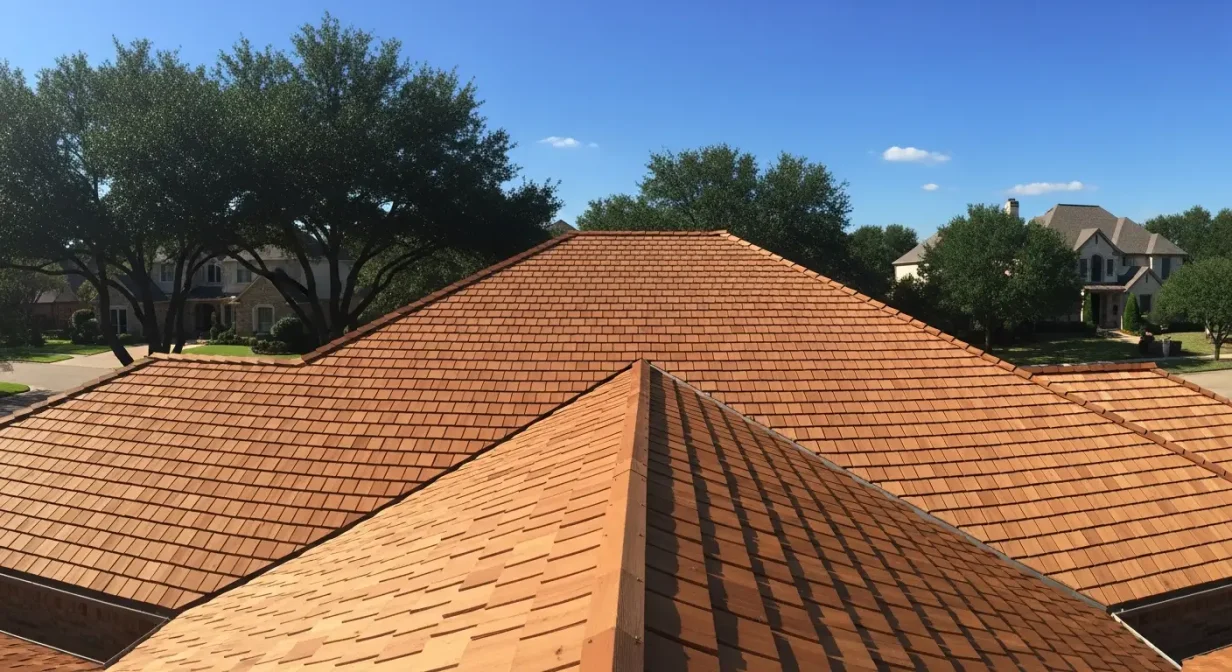
Cedar roof decking problems primarily involve moisture absorption, which causes the wood to swell, warp, and eventually develop fungal rot. While cedar is naturally resistant to decay, prolonged exposure to standing water or high humidity will overwhelm the wood’s natural preservatives. Ensure the roof design provides adequate ventilation and rapid water shedding to prevent moisture from sitting on the cedar planks.
Key Takeaways
- Early detection of cedar roof decking issues can prevent expensive repairs and potential structural damage.
- Regular inspections, especially after severe weather, are crucial for maintaining the integrity of your cedar roof decking.
- Ignoring warning signs like rot or insect infestation can lead to violations of the International Residential Code (IRC) and potential insurance claim denials in the DFW Metroplex.
Cedar roof decking offers a beautiful and durable roofing solution, but it’s not immune to problems. Regular inspections are essential to identify potential issues before they escalate into costly repairs. Understanding the common warning signs can help you proactively address problems and maintain the integrity of your roof. The National Roofing Contractors Association (NRCA) recommends annual roof inspections to ensure optimal performance and longevity.
In my 8+ years as a construction consultant in Dallas, I have seen many homeowners face unexpected expenses due to neglected roof maintenance. One particular case involved a homeowner in Plano who ignored a small leak for months, only to discover extensive rot in the cedar decking, resulting in a $15,000 repair bill. Proper maintenance and timely repairs can save you significant money in the long run. Synthetic underlayment can help protect against leaks and moisture damage.
Cedar’s natural beauty comes with the responsibility of upkeep. Factors like Dallas’s intense heat and humidity can accelerate deterioration if not properly addressed. By being vigilant and informed, you can protect your investment and ensure your cedar roof decking provides years of reliable service. Regularly clearing debris and ensuring proper ventilation are crucial steps in maintaining a healthy roof system.
Recognizing the Warning Signs of Cedar Roof Decking Problems
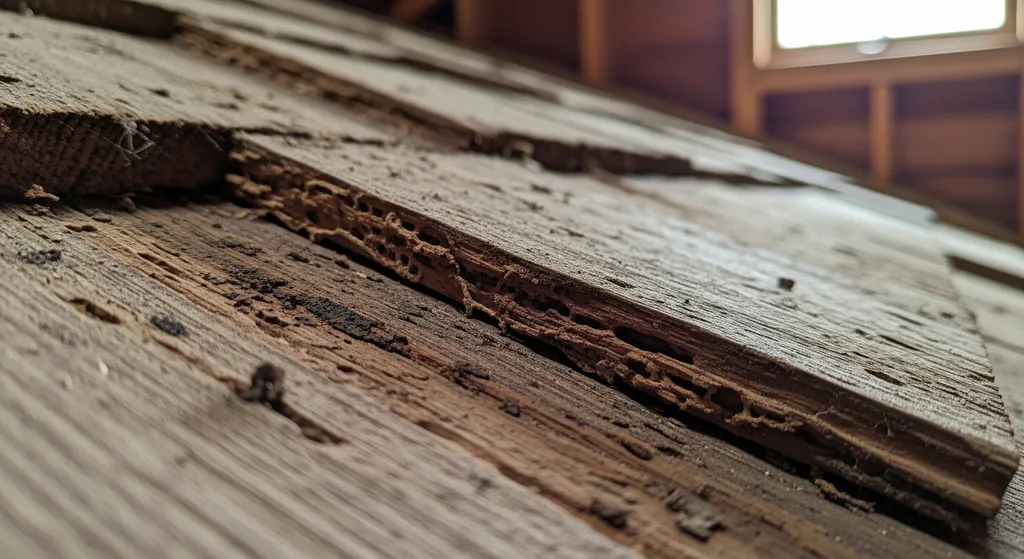
Several warning signs can indicate potential problems with your cedar roof decking. Rot is a common issue, often characterized by soft, spongy wood that crumbles easily. Warping or cupping of the cedar planks can also signal moisture damage or improper installation. Keep an eye out for discoloration, such as dark stains or patches, which may indicate fungal growth or water damage.
Insect infestation is another significant threat to cedar decking. Termites, carpenter ants, and other wood-boring insects can cause extensive damage if left unchecked. Look for signs of insect activity, such as small holes, sawdust-like material (frass), or visible insects. Addressing these issues promptly is crucial to prevent further deterioration.
Ensure proper ventilation to reduce moisture buildup, and consider using treated lumber to deter insects. The International Code Council (ICC) provides resources on pest management and building codes related to wood construction.
Field Note from Experience
After inspecting dozens of Dallas-area roofs, I found that poor ventilation is a major contributor to cedar decking rot. Ensuring adequate airflow in your attic can significantly extend the life of your roof.
Effective Inspection Methods for Cedar Roof Decking
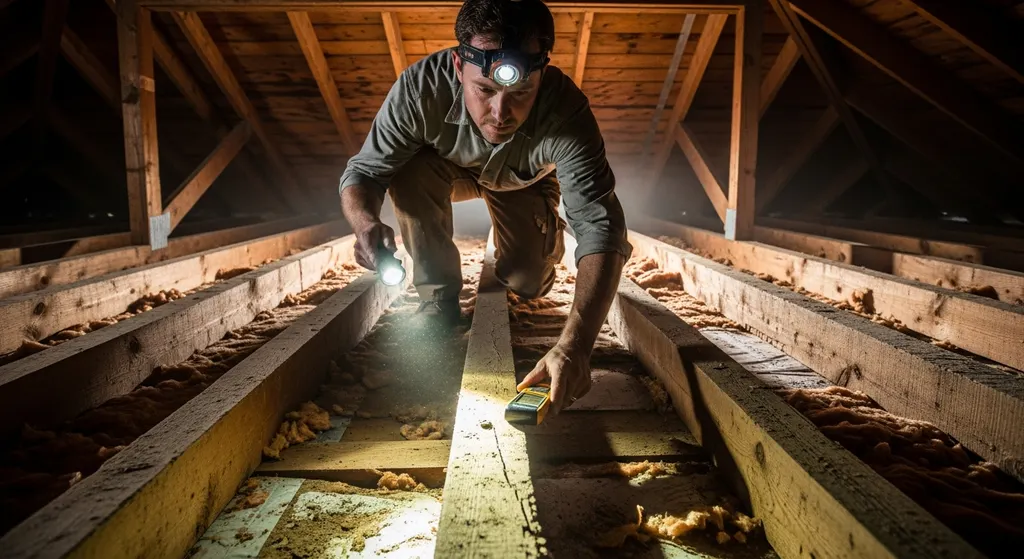
Regular inspections are essential for maintaining the health of your cedar roof decking. Begin with a visual inspection from the ground, looking for any obvious signs of damage, such as missing, cracked, or warped planks. Use binoculars to get a closer look at hard-to-reach areas. Next, conduct a thorough inspection of the attic, checking for leaks, water stains, and signs of moisture.
Pay close attention to areas around chimneys, vents, and other roof penetrations, as these are common points of water entry. Use a moisture meter to assess the moisture content of the wood. Elevated moisture levels can indicate a potential problem. For a more in-depth inspection, consider hiring a qualified roofing contractor.
They can identify subtle issues that may be missed by an untrained eye. The NRCA offers resources for finding certified roofing professionals in your area. Remember to always prioritize safety when inspecting your roof, following OSHA guidelines for fall protection.
Field Note from Experience
Working on Texas roofing projects, I have noticed that many homeowners only inspect their roofs after a major storm. Regular inspections, at least twice a year, are crucial for preventing small problems from becoming big headaches.
Assessing the Severity of Cedar Roof Decking Damage
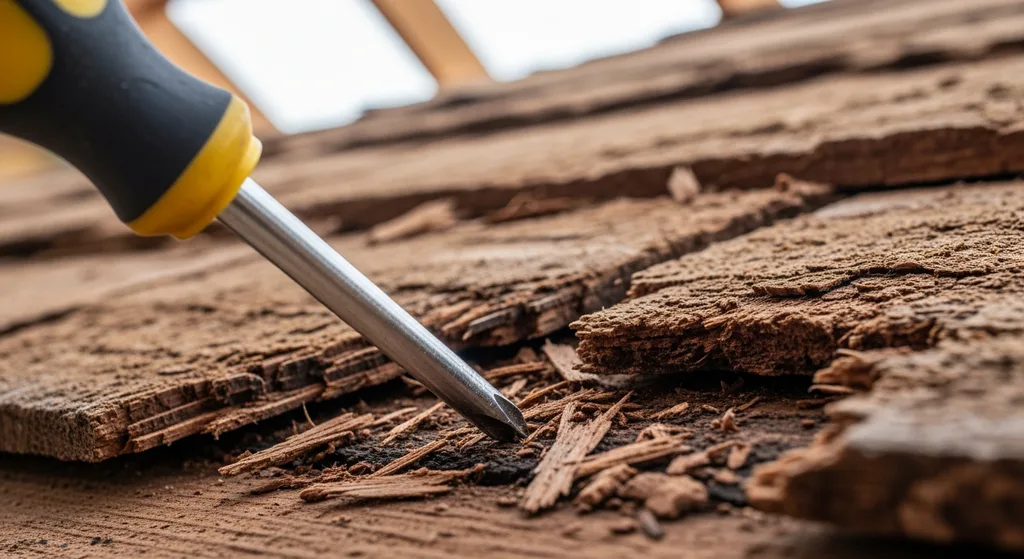
Once you’ve identified potential problems, it’s essential to assess the severity of the damage. Minor issues, such as a few cracked planks, may be easily repaired. However, extensive rot or insect infestation can compromise the structural integrity of your roof. Use a screwdriver or awl to probe the wood, checking for soft spots or hollow areas.
If the wood is easily penetrated, it indicates significant decay. Consult with a qualified roofing contractor to determine the best course of action. They can provide a professional assessment and recommend appropriate repairs or replacement. Ignoring severe damage can lead to roof collapse, which poses a serious safety risk.
Ensure that any repairs or replacements comply with local building codes and the International Residential Code (IRC). FEMA provides resources on disaster preparedness and mitigation, including guidance on roof repairs after a storm.
Field Note from Experience
In my 8+ years as a construction consultant in Dallas, I have seen firsthand the devastating consequences of neglecting severe roof damage. One homeowner in University Park ignored extensive rot, leading to a partial roof collapse during a heavy rainstorm. The resulting repairs cost over $30,000, highlighting the importance of timely intervention.
External Authoritative Resources
These industry-standard references support the information in this guide:
Building Codes
Frequently Asked Questions
How often should I inspect my cedar roof decking?
The National Roofing Contractors Association (NRCA) recommends inspecting your roof at least twice a year, typically in the spring and fall. Regular inspections can help identify potential problems early and prevent costly repairs. After severe weather events, such as hail storms or heavy rains, it’s essential to conduct an additional inspection to check for damage.
What are the most common causes of cedar roof decking problems in Dallas?
In Dallas, the most common causes of cedar roof decking problems include extreme heat, humidity, and hail storms. The intense heat can cause the wood to dry out and crack, while the humidity can promote rot and fungal growth. Hail storms can cause significant damage, including cracked or missing planks. Proper ventilation and regular maintenance are crucial for mitigating these risks.
Can I repair cedar roof decking myself, or should I hire a professional?
Minor repairs, such as replacing a few cracked planks, may be within the capabilities of a handy homeowner. However, for extensive rot, insect infestation, or structural damage, it’s best to hire a qualified roofing contractor. They have the expertise and equipment to safely and effectively address these issues. Attempting major repairs yourself can be dangerous and may void your warranty.
How can I prevent cedar roof decking problems?
Preventing cedar roof decking problems involves regular maintenance, proper ventilation, and timely repairs. Keep your roof clean by removing debris, such as leaves and branches. Ensure that your attic is properly ventilated to reduce moisture buildup. Address any leaks or other issues promptly to prevent further damage.
Consider applying a water-repellent sealant to protect the wood from moisture.
What are the signs of termite infestation in cedar roof decking?
Signs of termite infestation in cedar roof decking include small holes, sawdust-like material (frass), and visible termites. You may also notice hollow areas or soft spots in the wood. If you suspect a termite infestation, it’s essential to contact a qualified pest control professional immediately. They can assess the extent of the infestation and recommend appropriate treatment options.
According to the International Residential Code (IRC), proper termite protection measures are required during construction.
Will my homeowner’s insurance cover cedar roof decking repairs?
Whether your homeowner’s insurance will cover cedar roof decking repairs depends on the cause of the damage. Most policies cover damage caused by covered perils, such as wind, hail, or fire. However, damage caused by neglect or lack of maintenance is typically not covered. Review your policy carefully to understand your coverage.
If you experience damage, contact your insurance company to file a claim. Be sure to document the damage thoroughly with photos and videos.
Final Thoughts
Maintaining your cedar roof decking is essential for protecting your home and preserving its value. By understanding the warning signs of potential problems, conducting regular inspections, and addressing issues promptly, you can extend the life of your roof and avoid costly repairs. Remember to prioritize safety when inspecting your roof and consult with a qualified roofing contractor for any major repairs or replacements. NRCA guidelines provide valuable information on proper roofing practices.
Many Dallas homeowners do not realize the importance of proper roof ventilation. Without adequate airflow, moisture can build up in the attic, leading to rot and other problems. Ensure that your attic is properly ventilated to prevent these issues. Investing in regular maintenance and timely repairs will pay off in the long run, protecting your home and providing peace of mind.
