
Contractor’s Bottom Line
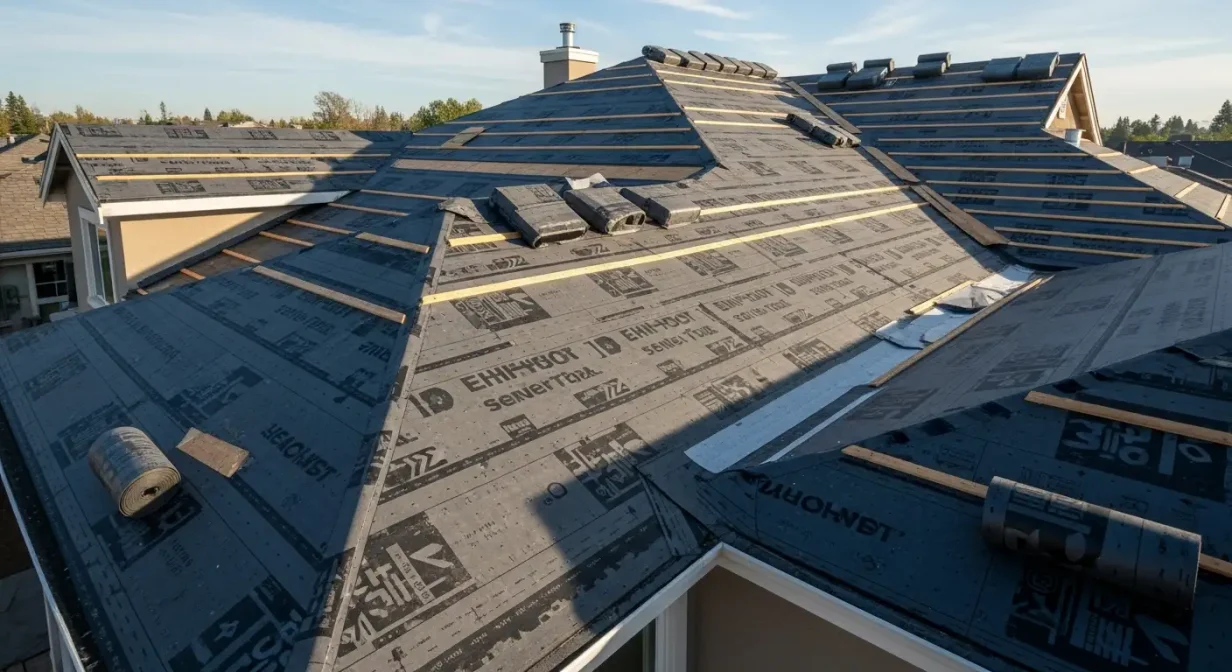
Peel and stick roof underlayment is a self-adhering rubberized asphalt membrane that creates a watertight seal directly on the roof deck. IRC R905 mandates its use in ice dam regions and along eaves to prevent water infiltration from wind-driven rain or ice back-up. Roll the membrane out carefully to avoid wrinkles, as any air pockets trapped beneath the surface can compromise the adhesive bond.
Key Takeaways
- Blistering, delamination, and improper adhesion are common problems with peel and stick underlayment, especially in Texas climates.
- Regular roof inspections can identify potential issues early, preventing costly repairs down the line. NRCA guidelines recommend annual roof inspections.
- Improper installation significantly reduces the lifespan and effectiveness of peel and stick underlayment, leading to potential water damage. In Dallas, hail storms can exacerbate these issues.
Peel and stick roof underlayment offers a robust barrier against water intrusion, making it a popular choice for both residential and commercial roofing projects. However, like any roofing material, it’s susceptible to problems that can compromise its effectiveness. Recognizing the warning signs early can save you from extensive damage and costly repairs. In my 8+ years as a construction consultant in Dallas, I have seen firsthand the devastating effects of failing roof underlayment.
Many Dallas homeowners do not realize that a seemingly minor blister or tear in the underlayment can lead to significant water damage, often resulting in thousands of dollars in repairs. The International Code Council (ICC) emphasizes the importance of proper installation and maintenance to ensure long-term performance. Understanding the potential problems and how to identify them is crucial for maintaining the integrity of your roof. This guide will walk you through common warning signs, effective inspection methods, and how to assess the severity of any damage you find.
Remember, proactive maintenance is key to protecting your investment and ensuring the longevity of your roof.
Key Warning Signs and Symptoms
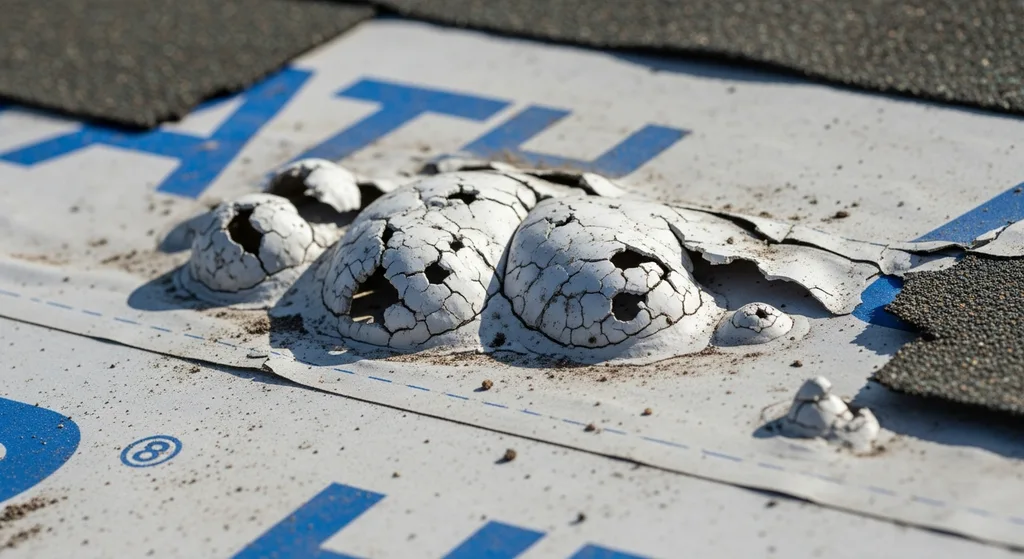
Several warning signs can indicate problems with your peel and stick roof underlayment. Blistering, where bubbles form under the underlayment, is a common issue, particularly in hot climates like Texas. Delamination, the separation of the underlayment layers, can also occur, reducing its waterproofing capabilities. These issues often stem from improper installation or material defects.
Another critical warning sign is improper adhesion. If the underlayment is not fully adhered to the roof deck, water can seep underneath, leading to rot and mold growth. Look for areas where the underlayment is lifting or peeling away from the sheathing. According to NRCA guidelines, proper adhesion is essential for effective underlayment performance.
Ignoring these signs can lead to costly structural repairs.
Advantages
- Superior Waterproofing
- Easy Installation
Disadvantages
- Higher Cost
- Susceptible to UV Damage
Blistering or Bubbling Under Underlayment
Consequence: Moisture Trapped, Potential for Rot
Delamination or Separation of Layers
Consequence: Reduced Waterproofing, Leaks
Improper Adhesion or Lifting
Consequence: Water Seepage, Mold Growth
Field Note from Experience
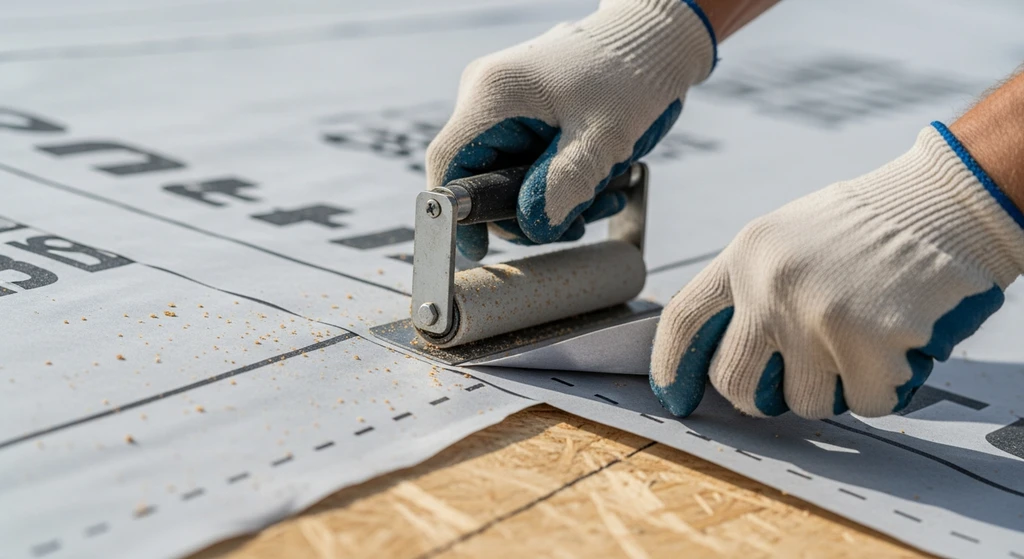
After inspecting dozens of Dallas-area roofs, I found that improper surface preparation before applying peel and stick underlayment is a major cause of adhesion problems. Often, contractors skip cleaning the roof deck thoroughly, leading to poor bonding.
Effective Inspection Methods for Underlayment
Regular roof inspections are crucial for identifying potential problems with your peel and stick underlayment. A visual inspection from the ground can reveal obvious issues like missing shingles or sagging areas, but a closer inspection is often necessary. Safely access your roof and carefully examine the underlayment, paying close attention to seams and edges. Look for any signs of blistering, delamination, or improper adhesion.
Use a small, blunt tool to gently probe for soft spots or areas where the underlayment is not securely attached. Pay particular attention to areas around penetrations like vents and chimneys, as these are common points of water entry. The NRCA recommends professional inspections at least annually, especially after severe weather events. Always prioritize safety when inspecting your roof; if you are not comfortable doing so, hire a qualified professional.
What Contractors Hide
Homeowners Often Neglect Roof Inspections
The Reality: Delaying Inspections Leads to More Extensive and Costly Damage
Field Note from Experience
Working on Texas roofing projects, I have noticed that many homeowners neglect regular roof inspections until a major leak occurs. This often leads to much more extensive and expensive repairs than would have been necessary with proactive maintenance. A simple inspection can save thousands.
Assessing the Severity of the Damage
Once you’ve identified potential problems, it’s essential to assess the severity of the damage. Minor blistering or small areas of delamination may be addressed with localized repairs. However, extensive damage or widespread adhesion issues may necessitate a complete underlayment replacement. Consider the age of the underlayment; if it’s nearing the end of its expected lifespan, replacement may be the most cost-effective solution.
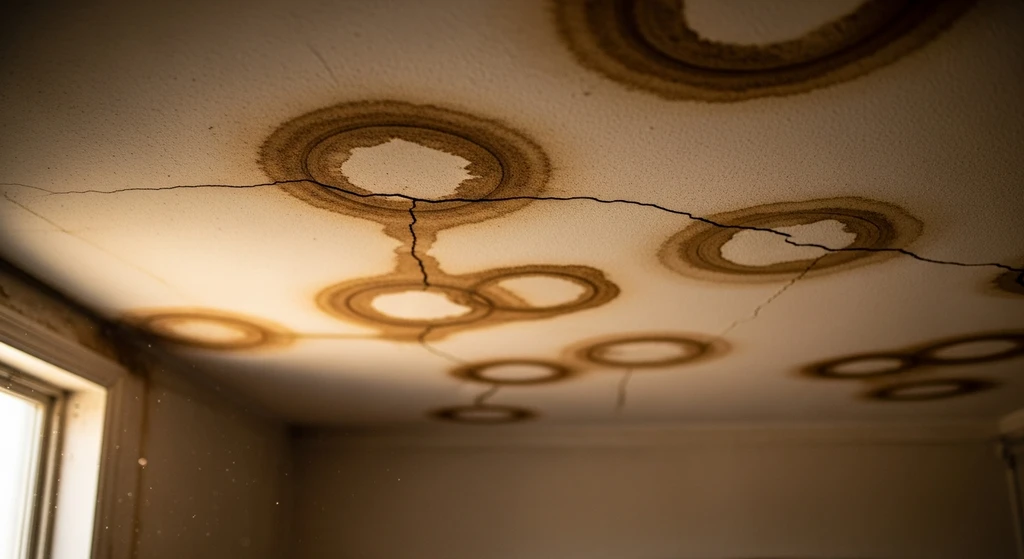
Water stains on the interior ceiling or walls are a clear indication of significant water intrusion and require immediate attention. Consult with a qualified roofing contractor to determine the best course of action. They can provide a thorough assessment and recommend appropriate repairs or replacement based on the extent of the damage and local building codes. In Dallas, the IRC 2021 is currently applicable; ensure any repairs comply with these standards.
Minor Blistering
Typical Cost: $200-$500
Prevention: Proper Ventilation, Quality Materials
Insurance Coverage: May Not Be Covered
Code Reference: IRC R905
Extensive Delamination
Typical Cost: $1,000-$5,000
Prevention: Proper Installation, Regular Inspections
Insurance Coverage: May Be Covered
Code Reference: IRC R905
Widespread Adhesion Issues
Typical Cost: $3,000-$10,000+
Prevention: Proper Surface Preparation, Quality Adhesives
Insurance Coverage: Likely Covered
Code Reference: IRC R905
Field Note from Experience
In my 8+ years as a construction consultant in Dallas, I have seen instances where homeowners tried to patch damaged peel and stick underlayment themselves, only to experience recurring leaks and more extensive damage later on. Professional repairs are often the most effective long-term solution.
External Authoritative Resources
These industry-standard references support the information in this guide:
Building Codes
Frequently Asked Questions
How long does peel and stick roof underlayment typically last?
The lifespan of peel and stick roof underlayment can vary depending on the quality of the material, installation practices, and environmental conditions. Generally, you can expect it to last between 20 to 30 years. However, extreme heat cycles in areas like Dallas, Texas, can shorten its lifespan if proper ventilation isn’t provided. Regular inspections can help identify potential problems early and extend its lifespan.
Is peel and stick underlayment better than traditional felt underlayment?
Peel and stick underlayment generally offers superior waterproofing compared to traditional felt underlayment. It creates a tighter seal, reducing the risk of water intrusion. However, it’s also more expensive and can be more challenging to install properly. Felt underlayment, while less expensive, may not provide the same level of protection in extreme weather conditions.
The NRCA provides guidelines for choosing the appropriate underlayment based on your specific needs and climate.
Can I install peel and stick underlayment myself?
While it’s possible to install peel and stick underlayment yourself, it’s generally recommended to hire a qualified roofing contractor. Proper installation is critical for ensuring its effectiveness. Improper installation can lead to adhesion problems, leaks, and other issues that can compromise its performance. A professional will have the necessary experience and equipment to ensure a proper installation that complies with local building codes.
In Dallas, the IRC 2021 governs roofing installations.
What are the common causes of peel and stick underlayment failure?
Common causes of peel and stick underlayment failure include improper installation, material defects, and exposure to extreme weather conditions. Improper surface preparation, such as failing to clean the roof deck thoroughly, can lead to adhesion problems. Material defects can cause blistering or delamination. Extreme heat cycles, common in Texas, can also degrade the underlayment over time.
Regular inspections and proper maintenance can help prevent these failures.
Does homeowners insurance cover peel and stick underlayment damage?
Homeowners insurance may cover peel and stick underlayment damage if it’s caused by a covered peril, such as wind, hail, or fire. However, damage caused by normal wear and tear or improper installation may not be covered. It’s essential to review your insurance policy carefully to understand what is covered and what is not. Documenting any damage with photos and videos can help support your claim.
In my experience, a claim is more likely to be approved if the damage is clearly linked to a covered event like a major hail storm, common in the Dallas-Fort Worth area.
How much does it cost to repair or replace peel and stick roof underlayment?
The cost to repair or replace peel and stick roof underlayment can vary depending on the extent of the damage, the size of your roof, and the roofing contractor you hire. Minor repairs may cost a few hundred dollars, while a complete replacement can cost several thousand dollars. In Dallas-Fort Worth, expect to pay between $3 to $6 per square foot for professional underlayment repair or replacement. Getting multiple quotes from qualified contractors is recommended to ensure you’re getting a fair price.
Final Thoughts
Recognizing the warning signs of peel and stick roof underlayment problems is crucial for protecting your home from water damage. Regular inspections, prompt repairs, and proper installation are key to ensuring its long-term performance. Don’t hesitate to consult with a qualified roofing contractor for expert advice and assistance. Remember, addressing minor issues early can prevent them from escalating into costly repairs.
Ignoring these warning signs can lead to significant structural damage and potential health hazards. Protect your investment and ensure the longevity of your roof by staying vigilant and proactive. Contact a licensed roofing professional in the DFW Metroplex for a comprehensive roof inspection today.
