
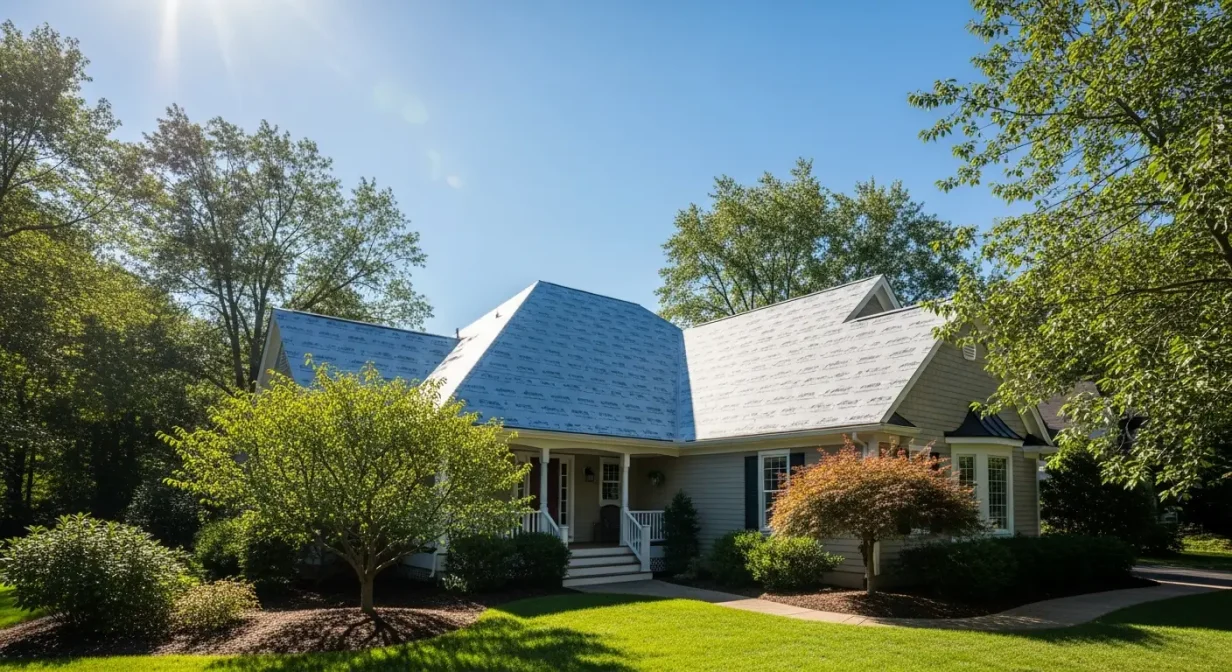
Contractor’s Bottom Line
An insurance payout for roof damage is calculated based on the policy’s coverage type, either actual cash value or replacement cost value. ACV policies deduct depreciation based on the roof’s age, resulting in a lower out-of-pocket payout to the homeowner compared to an RCV policy. Review your policy declarations carefully and negotiate with the adjuster using contractor estimates to ensure the payout covers the full cost of code-compliant repairs.
Key Takeaways
- Recognizing early warning signs of roof damage can help prevent larger, more costly problems.
- Understanding your insurance policy’s coverage, including depreciation and deductible amounts, is crucial for a successful claim.
- Documenting roof damage thoroughly with photos and videos strengthens your insurance claim and helps avoid disputes.
Roof damage can be a significant concern for homeowners, especially in the Dallas-Fort Worth area, where severe weather events are common. Understanding how insurance payouts work in these situations can save you time, money, and unnecessary stress. This guide will walk you through the process, from identifying potential problems to filing a successful claim and appealing denials. Navigating the complexities of insurance policies and building codes can be daunting.
That’s why it’s essential to be well-informed and prepared. As a construction consultant in Dallas, I’ve seen firsthand how a lack of knowledge can lead to denied claims and costly repairs. For example, I had a client whose claim was initially denied because they couldn’t prove the damage was caused by a covered event, as defined by their policy. This guide will help you avoid similar pitfalls.
The National Roofing Contractors Association (NRCA) provides valuable resources for homeowners.
Recognizing Early Warning Signs of Roof Damage
Identifying roof damage early can prevent minor issues from becoming major, costly problems. Look for telltale signs such as missing, cracked, or curling asphalt shingles. Water stains on your ceiling or walls can indicate a leak, which needs immediate attention. Also, check for granules in your gutters, as this signals shingle degradation.
In the Dallas-Fort Worth area, extreme heat cycles and frequent storms can accelerate roof wear and tear. Regular inspections are crucial. According to the NRCA, homeowners should inspect their roofs at least twice a year, preferably in the spring and fall. Ignoring these signs can lead to more extensive damage and potential insurance claim denials.
Be sure to inspect the roof after any major weather event, such as a hail storm.
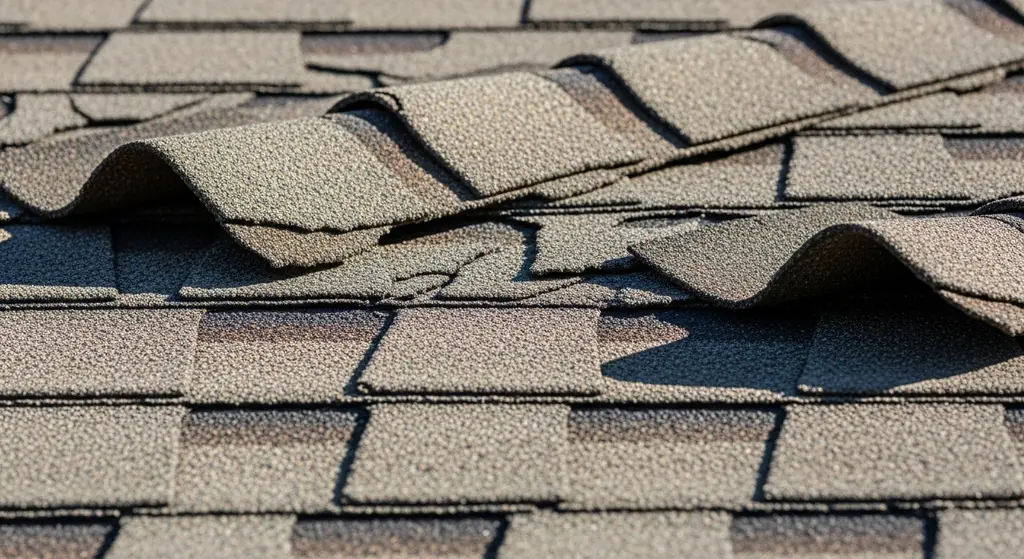
| Symptom | Potential Cause | Action |
|---|---|---|
| Missing Shingles | Wind, age, or impact | Contact a roofing contractor for inspection and repair |
| Water Stains on Ceiling | Roof leak | Investigate the source of the leak and repair immediately |
| Granules in Gutters | Shingle degradation | Monitor the condition of the shingles and consider replacement |
Field Note from Experience
After inspecting dozens of Dallas-area roofs, I found that most homeowners are unaware of the early warning signs of roof damage. Regular inspections, even from the ground, can help catch these issues before they escalate.
Assessing the Severity of Roof Damage
Once you’ve identified potential roof damage, it’s crucial to assess the severity. Minor damage, such as a few missing shingles, might be repairable. However, widespread damage, such as multiple leaks or significant shingle loss, may require a complete roof replacement. Consider the age of your roof; if it’s nearing the end of its lifespan, replacement might be the more cost-effective option.
In Dallas, hail storms are a common cause of severe roof damage. Hail can cause impact damage that isn’t immediately visible but can lead to leaks and further deterioration over time. Consulting with a qualified roofing contractor is essential for accurate assessment and proper repair or replacement. Many Dallas homeowners do not realize that even small hail can damage roofing, depending on the material.
The International Code Council (ICC) and ASTM International also provide guidelines for damage assessment.
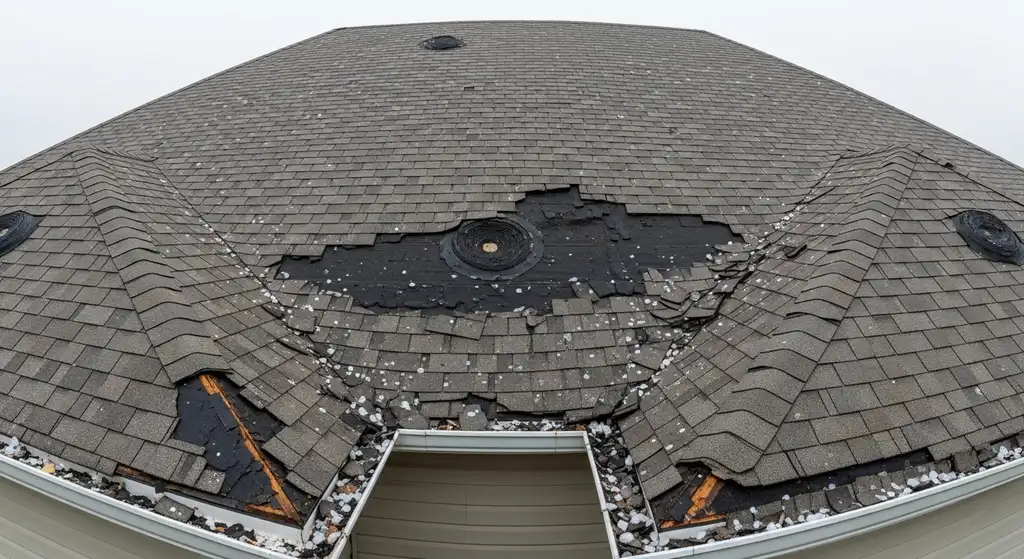
Hail Damage
Typical Cost: $5,000 – $20,000 for replacement
Prevention: Regular inspections, impact-resistant shingles
Insurance Coverage: Typically covered, subject to deductible and depreciation
Code Reference: IRC R905
Field Note from Experience
Working on Texas roofing projects, I have noticed that hail damage is often underestimated. Many homeowners only see the visible damage and don’t realize the extent of the underlying issues. A professional inspection is crucial.
Understanding Your Insurance Policy Coverage
Before filing a claim, carefully review your insurance policy to understand what’s covered and what’s not. Pay close attention to the deductible amount, which is the amount you’ll pay out-of-pocket before your insurance coverage kicks in. Also, understand the difference between replacement cost value (RCV) and actual cash value (ACV). RCV covers the cost of replacing the roof with a new one, while ACV factors in depreciation.
In Dallas, most homeowners’ insurance policies cover roof damage caused by wind, hail, and fire. However, damage caused by neglect or lack of maintenance is typically not covered. Ordinance or Law coverage is also important. This covers the increased cost of bringing your roof up to current building codes, such as the IRC 2021, if your existing roof is not compliant.
Failing to understand these details can lead to claim denials and unexpected expenses. The Federal Emergency Management Agency (FEMA) also provides resources for disaster preparedness and insurance.
| Key Policy Terms | |
|---|---|
| Deductible | Amount you pay before insurance covers the rest |
| RCV | Replacement Cost Value – cost of new roof |
| ACV | Actual Cash Value – RCV minus depreciation |
“Free roof” offers
Consequence: Often involve cutting corners and potentially illegal insurance practices
“We will pay your deductible”
Consequence: Insurance fraud and potential legal repercussions
Field Note from Experience
In my 8+ years as a construction consultant in Dallas, I have seen many homeowners confused about their insurance policies. Taking the time to read and understand your policy can save you a lot of headaches down the road. I’ve seen claims denied because homeowners didn’t understand the depreciation clauses.
Step-by-Step Guide to Filing a Roof Insurance Claim
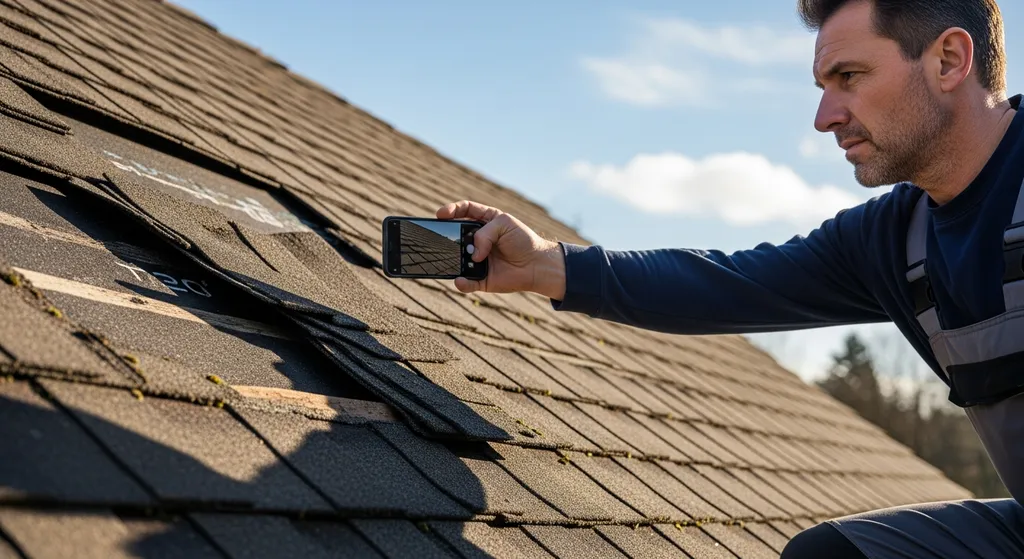
Filing a roof insurance claim can seem overwhelming, but following a structured approach can increase your chances of success. First, contact your insurance company as soon as you discover the damage. Provide them with detailed information about the event that caused the damage, such as a specific storm date. Next, document the damage thoroughly with photos and videos.
Include both close-up shots and wide-angle views of the affected areas. Obtain estimates from several licensed roofing contractors in the Dallas area. The NRCA recommends getting at least three estimates to ensure you’re getting a fair price. Submit all documentation, including photos, videos, and contractor estimates, to your insurance company.
Follow up regularly with your insurance adjuster to ensure your claim is being processed promptly. Be prepared to answer any questions they may have and provide additional information as needed.
Understanding Common Reasons for Claim Denials
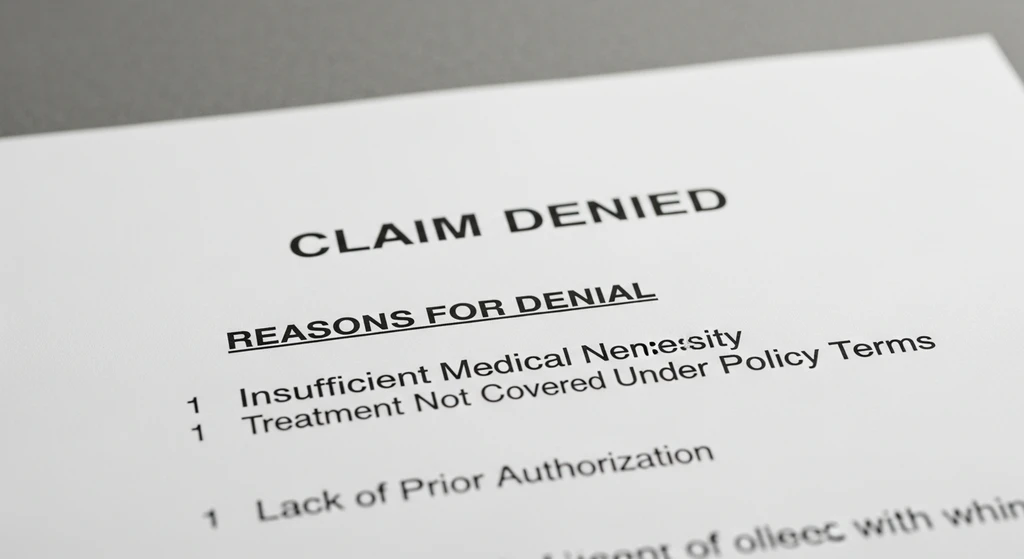
Roof insurance claims can be denied for various reasons. One common reason is that the damage is deemed to be caused by normal wear and tear, rather than a covered event. Another reason is that the damage existed prior to the policy’s effective date. Insufficient documentation or failure to provide requested information can also lead to denial.
In the Dallas-Fort Worth area, some insurance companies may deny claims if they believe the damage was caused by improper installation or substandard materials. If your claim is denied, carefully review the denial letter to understand the specific reason. You have the right to appeal the decision and provide additional evidence to support your claim. Consulting with a public adjuster or attorney specializing in insurance claims can be beneficial in these situations.
OSHA provides guidelines for safe roofing practices.
What Contractors Hide
Insurance adjusters work for the insurance company
The Reality: Their goal is to minimize the payout, not necessarily to be fair to you
Low estimates always win
The Reality: Often mean corner-cutting and subpar work
Pre-existing Damage
Typical Cost: Full cost of repair/replacement
Prevention: Regular inspections and maintenance
Insurance Coverage: Not covered
Code Reference: N/A
Field Note from Experience
I had a client in Plano whose claim was denied because the insurance company argued that the hail damage was pre-existing. After providing additional evidence, including weather reports and expert opinions, we were able to successfully appeal the decision. This highlights the importance of persistence and thorough documentation.
External Authoritative Resources
These industry-standard references support the information in this guide:
Building Codes
International Residential Code (IRC 2021)
Official building code for residential construction
ICC Code Adoption Map
Find which IRC version your state uses
Safety & Regulations
Industry Standards
Frequently Asked Questions
What should I do immediately after discovering roof damage?
First, ensure your safety and avoid walking on a damaged roof. Document the damage with photos and videos. Contact your insurance company to report the damage and obtain a claim number. Then, contact a licensed roofing contractor to assess the damage and provide an estimate.
According to the NRCA, prompt action can prevent further damage and increase the likelihood of a successful claim.
How does depreciation affect my insurance payout?
Depreciation reduces the amount you receive for your roof replacement if your policy is based on Actual Cash Value (ACV). The insurance company will deduct an amount based on the age and condition of your roof. If you have a Replacement Cost Value (RCV) policy, you may be able to recover the depreciated amount once the repairs are completed, according to your policy terms.
What if my insurance claim is denied?
Carefully review the denial letter to understand the reason for the denial. You have the right to appeal the decision. Gather additional evidence, such as weather reports, expert opinions, and additional contractor estimates, to support your claim. You may also consider consulting with a public adjuster or attorney specializing in insurance claims.
How many estimates should I get before hiring a roofing contractor?
The NRCA recommends getting at least three estimates from licensed roofing contractors. This allows you to compare prices, services, and materials, ensuring you’re getting a fair price and quality workmanship. Be sure to verify that the contractors are properly licensed and insured.
What is Ordinance or Law coverage, and why is it important?
Ordinance or Law coverage covers the increased cost of bringing your roof up to current building codes, such as the IRC 2021, if your existing roof is not compliant. This coverage is important because building codes can change over time, and your insurance policy may not cover the full cost of bringing your roof up to code without it.
Does my insurance cover damage caused by tree branches?
Typically, yes, if the tree branch falls due to a covered event such as wind or a storm. However, if the tree was already dead or diseased and you neglected to maintain it, your claim may be denied. Always maintain trees on your property to prevent potential damage. Check with your insurance provider for specific coverage details.
Final Thoughts
Navigating the roof insurance claim process can be complex, but with the right knowledge and preparation, you can increase your chances of a successful outcome. Remember to document everything, understand your policy, and seek professional help when needed. Don’t hesitate to appeal a denial if you believe it’s unjustified. In Dallas, staying proactive about roof maintenance and understanding your insurance coverage is crucial.
By taking these steps, you can protect your home and financial well-being. As a final field note, I’ve seen many homeowners save thousands of dollars by simply being well-informed and prepared. Take the time to educate yourself and protect your investment.
