
Contractor’s Bottom Line
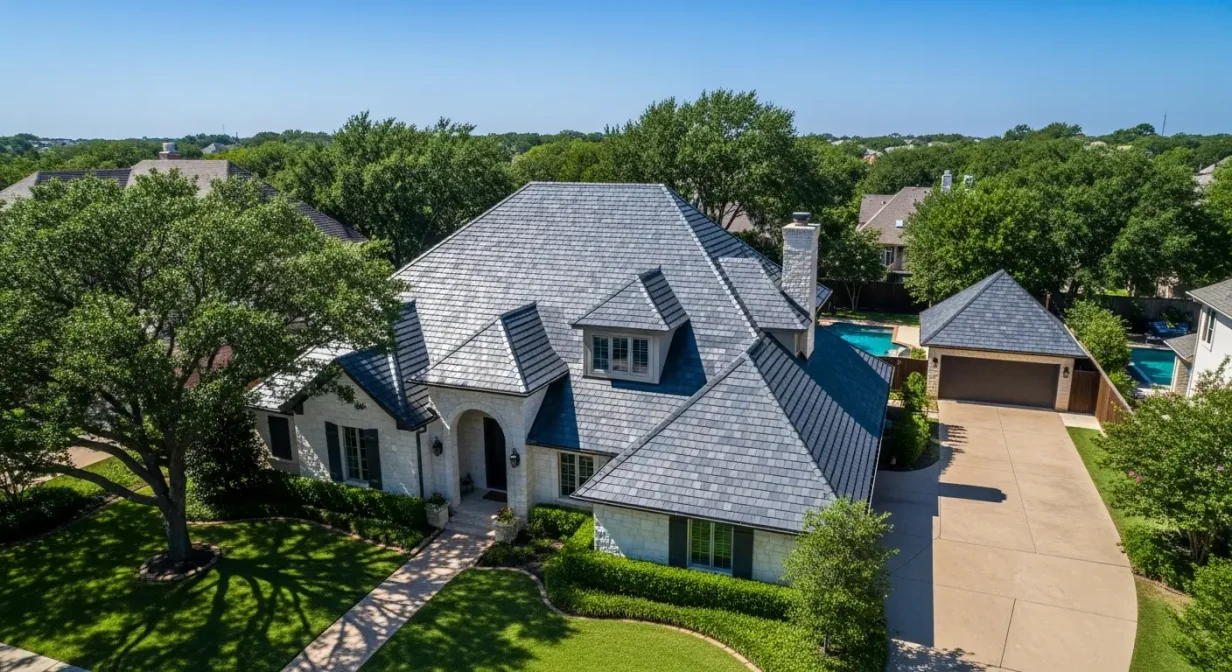
Artificial roof slates are engineered polymer or composite materials designed to replicate the appearance of natural stone without the extreme structural weight. These synthetic alternatives achieve a Class A fire rating and high impact resistance, while weighing a fraction of genuine slate to reduce framing costs. Verify the manufacturer’s thermal expansion coefficients and fastening requirements, as synthetic materials behave differently than natural stone under temperature fluctuations.
Key Takeaways
- Regular inspections, as recommended by the NRCA, are vital for identifying potential problems with artificial roof slates early.
- Ignoring warning signs like cracks or discoloration can lead to significant water damage and expensive repairs, potentially costing thousands of dollars in the Dallas-Fort Worth area.
- Proper installation and maintenance, adhering to IRC R905, are crucial for ensuring the long-term performance and weather resistance of artificial roof slates in the Texas climate.
Artificial roof slates offer a durable and aesthetically pleasing roofing solution. However, like all roofing materials, they are susceptible to damage and deterioration over time. Identifying potential problems early is crucial for preventing costly repairs and maintaining the integrity of your home. Understanding the common warning signs and knowing how to conduct a basic inspection can save you significant money and headaches in the long run.
In my 8+ years as a construction consultant in Dallas, I have seen firsthand the damage that can result from neglecting even minor roofing issues. I recall one instance where a small crack in an artificial slate led to extensive water damage inside the attic, resulting in over $10,000 in repairs. The IRC 2021, currently applicable in Dallas, provides guidelines for roof maintenance and repair. This experience underscores the importance of proactive roof maintenance and regular inspections, as recommended by the National Roofing Contractors Association (NRCA).
Recognizing the Warning Signs of Roof Slate Problems
Several warning signs can indicate potential problems with your artificial roof slates. These include cracks, chips, or breaks in the slates themselves. Discoloration or staining can also be a sign of water damage or algae growth. Loose or missing slates are another clear indicator of a problem.
These signs, if ignored, can lead to significant water intrusion and structural damage. Addressing these issues promptly prevents further deterioration. Another key indicator is the presence of granules in your gutters. While granule loss is a natural part of the aging process for asphalt shingles, excessive granule loss on artificial slates suggests material degradation.
Check for signs of warping or curling, which can indicate improper installation or material defects. The NRCA provides guidelines for proper slate installation and maintenance. In Dallas-Fort Worth, extreme heat cycles can accelerate material degradation, making regular inspections even more critical.
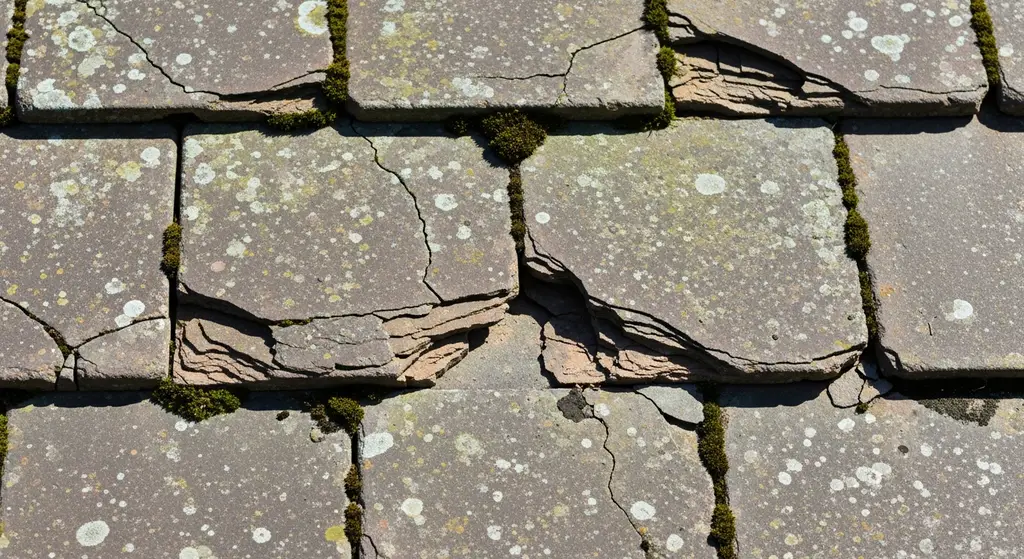
Cracked or Broken Slates
Typical Cost: $500 – $2000 per affected area
Prevention: Careful installation and avoiding foot traffic on the roof.
Insurance Coverage: May be covered if caused by a covered peril (hail, wind).
Code Reference: IRC R905 specifies requirements for roofing materials.
Discoloration and Staining
Typical Cost: $300 – $1000 for cleaning or treatment
Prevention: Regular cleaning and preventative treatments.
Insurance Coverage: Usually not covered unless caused by a covered peril.
Code Reference: IRC R905.2.4 addresses material compatibility.
Field Note from Experience
After inspecting dozens of Dallas-area roofs, I found that the most common cause of slate damage is improper installation, often violating NRCA guidelines and manufacturer specifications.
How to Inspect Your Artificial Roof Slates
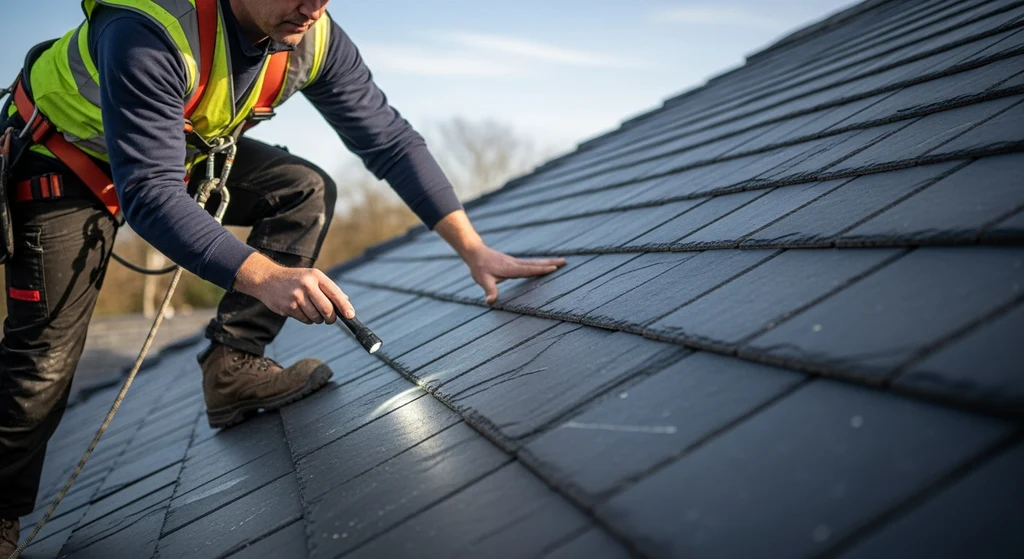
Inspecting your roof can be done safely from the ground using binoculars to look for visible damage. Check for missing or loose slates, cracks, and discoloration. A more thorough inspection requires getting on the roof, but this should only be done by professionals due to safety concerns. Look for signs of water damage around chimneys, vents, and other roof penetrations.
Pay close attention to the flashing, ensuring it is properly sealed and in good condition. When performing a closer inspection, note the condition of the underlayment if visible. Look for signs of deterioration or damage. Check the fasteners to ensure they are secure and not corroded.
The NRCA recommends specific fastener types and spacing for slate roofs. Remember to adhere to OSHA safety guidelines when working at heights. In Dallas-Fort Worth, consider hiring a professional inspector familiar with local climate conditions and common roofing issues.
Field Note from Experience
Working on Texas roofing projects, I have noticed that many homeowners neglect to inspect their roofs after severe weather events, such as hailstorms, leading to delayed repairs and increased damage.
Assessing the Severity of the Damage
Once you’ve identified potential problems, it’s crucial to assess the severity of the damage. Minor cracks or chips may only require patching or sealing. However, widespread damage, such as multiple missing or broken slates, may necessitate a complete roof replacement. Water stains inside your home are a clear indication of significant water intrusion and require immediate attention.
Consult with a qualified roofing contractor to determine the best course of action. The age of your roof also plays a role in damage assessment. If your artificial roof slates are nearing the end of their lifespan, replacing the entire roof may be more cost-effective than performing extensive repairs. Consider the long-term costs and benefits of each option.
The International Code Council (ICC) provides resources for evaluating building performance and durability. In Dallas, expect to pay between $12 and $25 per square foot for artificial slate roof replacement, depending on the material and complexity of the project.
Dallas Market Pricing
In Dallas-Fort Worth, expect to pay between $12 and $25 per square foot for artificial slate roof replacement. These are Dallas market prices; costs vary by region and can be 15-25% higher in remote Texas areas.
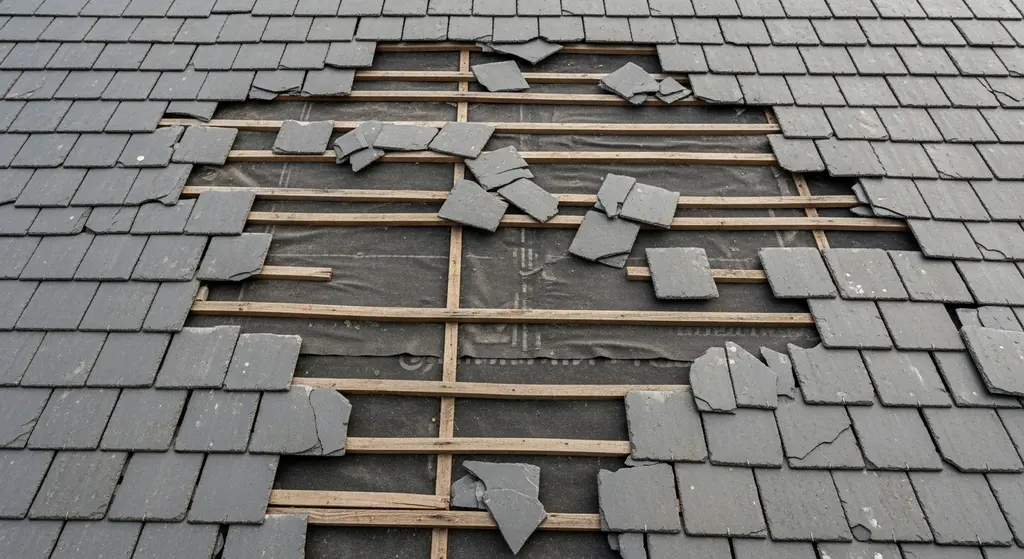
| Damage Severity Levels | |
|---|---|
| Minor Damage | Small cracks, chips, or discoloration; Repairable with patching or sealing. |
| Moderate Damage | Several missing or broken slates; Requires localized repairs. |
| Severe Damage | Widespread damage, water intrusion, or roof nearing end of lifespan; May necessitate complete roof replacement. |
External Authoritative Resources
These industry-standard references support the information in this guide:
Building Codes
Frequently Asked Questions
How often should I inspect my artificial roof slates?
It’s recommended to inspect your roof at least twice a year, typically in the spring and fall. After severe weather events, such as hailstorms or high winds, a more thorough inspection is crucial. Regular inspections, as recommended by the NRCA, can help identify potential problems early and prevent costly repairs.
What are the common causes of damage to artificial roof slates?
Common causes include weathering, impact from hail or debris, improper installation, and foot traffic. In Dallas, extreme temperature fluctuations can also contribute to material degradation. Proper installation according to IRC R905 and regular maintenance are key to preventing damage.
Can I repair damaged artificial roof slates myself?
Minor repairs, such as sealing small cracks, may be possible for experienced DIYers. However, more significant repairs, such as replacing missing or broken slates, should be left to professionals due to safety concerns and the complexity of the work. Improper repairs can void manufacturer warranties and lead to further damage.
How long do artificial roof slates typically last?
Artificial roof slates can last for 50 years or more with proper installation and maintenance. However, their lifespan can be affected by factors such as climate, material quality, and maintenance practices. Regular inspections and prompt repairs can help maximize their lifespan.
Are artificial roof slates covered by homeowners insurance?
Damage to artificial roof slates may be covered by homeowners insurance if it is caused by a covered peril, such as hail, wind, or fire. However, damage caused by normal wear and tear or improper maintenance is typically not covered. Review your insurance policy for specific coverage details.
What are the benefits of artificial roof slates compared to natural slate?
Artificial roof slates are typically more affordable and lighter than natural slate. They are also more resistant to cracking and breaking. While they may not have the same aesthetic appeal as natural slate, they offer a durable and cost-effective roofing solution.
Final Thoughts
Identifying problems with your artificial roof slates early is essential for maintaining the integrity of your home and preventing costly repairs. Regular inspections, prompt repairs, and proper maintenance are crucial for ensuring the long-term performance of your roofing system. By being proactive and addressing issues promptly, you can protect your investment and enjoy the benefits of a durable and aesthetically pleasing roof for years to come. Remember, ignoring even minor warning signs can lead to significant water damage and structural problems.
In my experience, a small investment in regular inspections and maintenance can save you thousands of dollars in the long run. Contact a qualified roofing contractor in the Dallas area today to schedule an inspection and ensure your roof is in good condition. The National Roofing Contractors Association (NRCA) is a great resource for finding qualified professionals.
