

Contractor’s Bottom Line
Gutter damage includes dents, cracks, separation at the seams, and pulling away from the fascia board due to improper installation or ice loading. Compromised gutters fail to direct water away from the foundation, leading to soil erosion, basement flooding, and structural fascia rot. Inspect the gutter system thoroughly after severe weather and re-secure any loose hangers immediately to prevent further structural damage to the eave.
Key Takeaways
- Sagging gutters, leaks, and overflowing water are key indicators of potential gutter damage.
- Regular gutter inspections, at least twice a year, can help identify problems early and prevent costly repairs.
- Ignoring gutter damage can lead to foundation problems and roof leaks, potentially costing thousands of dollars in repairs in the Dallas-Fort Worth area.
Gutters play a crucial role in protecting your home from water damage by directing rainwater away from the foundation. Damaged gutters can lead to a cascade of problems, including foundation cracks, basement flooding, and roof leaks. Regular inspection and maintenance are essential to ensure your gutter system functions effectively. The International Residential Code (IRC) addresses gutter installation and maintenance indirectly through requirements for proper drainage and water management around a building’s foundation.
In my 8+ years as a construction consultant in Dallas, I have seen firsthand the devastating effects of neglected gutter systems. I recall a home in Plano where clogged and damaged gutters caused water to pool around the foundation, leading to significant cracking and requiring over $15,000 in repairs. Understanding the warning signs of gutter damage and taking prompt action can save you significant money and headaches. Properly functioning gutters prevent water damage which, if left unchecked, can cause thousands of dollars in damage.
The NRCA recommends regular maintenance to prevent these types of problems.
Key Warning Signs of Gutter Damage
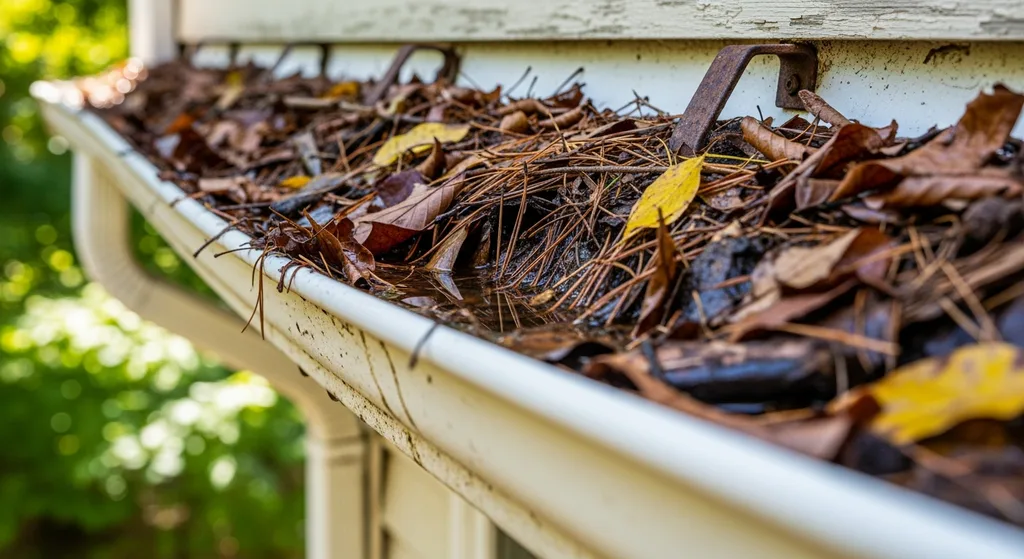
Several telltale signs indicate potential gutter damage. Sagging gutters are a common indicator, suggesting that the hangers are loose or the gutters are filled with debris. Leaks, especially at seams or joints, are another clear sign of damage. Water overflowing from the gutters during rain, rather than flowing through the downspouts, indicates a blockage or undersized system.
Pooling water around the foundation after rain is a serious warning sign that the gutters are not effectively diverting water away from the house. Other warning signs include rust spots, which indicate corrosion, and detached gutters, which require immediate attention. Look for signs of animal nesting inside the gutters, which can cause blockages and structural damage. The presence of mold or mildew on the exterior walls near the gutters can also indicate a problem.
Ignoring these warning signs can lead to significant water damage and costly repairs. The Occupational Safety and Health Administration (OSHA) recommends using proper safety equipment when inspecting gutters.
| Warning Sign | Potential Cause | Consequence |
|---|---|---|
| Sagging Gutters | Loose hangers, debris buildup | Water damage to fascia, soffit, and roof |
| Leaks at Seams | Cracked or corroded seams | Water damage to siding and foundation |
| Overflowing Water | Blockage, undersized gutters | Foundation damage, basement flooding |
| Rust Spots | Corrosion | Structural failure of gutters |
Field Note from Experience
Working on Texas roofing projects, I have noticed that heavy rainfall and extreme temperature fluctuations contribute significantly to gutter damage. The expansion and contraction of materials can weaken seams and hangers over time.
Effective Gutter Inspection Methods
Regular gutter inspections are crucial for identifying potential problems early. A visual inspection from the ground can reveal obvious issues like sagging, detachment, or overflowing water during rain. Using a ladder, carefully inspect the gutters for rust, leaks at seams, and debris buildup. Check the downspouts to ensure they are clear and properly directing water away from the foundation.
Pay attention to the condition of the gutter hangers and fasteners, ensuring they are securely attached. It’s also important to inspect the surrounding areas for signs of water damage, such as mold, mildew, or water stains on the fascia and soffit. Consider using a gutter inspection camera to reach difficult-to-access areas and get a closer look at potential problems. Remember to follow OSHA safety guidelines when working on a ladder.
The NRCA recommends professional inspections at least once every three years to identify hidden issues and ensure proper maintenance.

| Gutter Inspection Checklist | |
|---|---|
| Sagging Gutters | Check for loose hangers or debris buildup |
| Leaks | Inspect seams and joints for cracks or corrosion |
| Downspouts | Ensure they are clear and properly directing water |
| Hangers | Verify they are securely attached |
| Water Damage | Look for mold, mildew, or water stains |
Field Note from Experience
After inspecting dozens of Dallas-area roofs, I found that many homeowners neglect gutter maintenance until a major problem arises. Regular inspections, even just twice a year, can prevent significant damage and save thousands of dollars in repairs.
Assessing the Severity of Gutter Damage
The severity of gutter damage dictates the appropriate course of action. Minor issues, such as a few loose hangers or small leaks, can often be repaired relatively easily. Moderate damage, such as significant rust or several detached sections, may require more extensive repairs or partial replacement. Severe damage, such as collapsed gutters or widespread corrosion, typically necessitates full gutter replacement.
Consider the age of your gutter system when assessing the severity of damage; older systems may be nearing the end of their lifespan. When assessing damage, consider the potential consequences of inaction. Ignoring minor issues can lead to more significant problems and costly repairs. Consult with a qualified roofing contractor for a professional assessment and recommendations.
FEMA provides resources for homeowners on disaster preparedness and mitigation, including information on protecting your home from water damage. The International Code Council (ICC) publishes the International Residential Code (IRC), which addresses building standards related to water management.
Dallas Market Pricing
In Dallas-Fort Worth, expect to pay between $6 and $12 per linear foot for gutter replacement. These are Dallas market prices; costs vary by region and can be 15-25% higher in remote Texas areas.

Advantages
- Minor damage can often be repaired DIY
- Moderate damage can be addressed with partial replacement
Disadvantages
- Severe damage usually requires full gutter replacement
- Ignoring damage leads to more costly problems
Field Note from Experience
In my experience, many Dallas homeowners do not realize the extent of gutter damage until it’s too late. Small leaks can gradually erode the fascia board, leading to significant wood rot and expensive repairs. Catching these problems early is crucial.
External Authoritative Resources
These industry-standard references support the information in this guide:
Building Codes
Frequently Asked Questions
How often should I clean my gutters?
It is generally recommended to clean your gutters at least twice a year, typically in the spring and fall. However, if you live in an area with many trees, you may need to clean them more frequently. Debris buildup can cause blockages and lead to water damage. The NRCA recommends regular maintenance to prevent these issues.
What are the signs of a clogged downspout?
Signs of a clogged downspout include water overflowing from the gutters during rain, water pooling around the base of the downspout, and visible debris protruding from the downspout opening. Clogged downspouts prevent proper water flow and can lead to foundation damage.
Can I repair gutter damage myself?
Minor gutter damage, such as a few loose hangers or small leaks, can often be repaired yourself. However, more extensive damage or working at heights can be dangerous and should be handled by a professional. Always prioritize safety when working on a ladder. OSHA provides guidelines for safe ladder use.
What is the average lifespan of gutters?
The lifespan of gutters depends on the material and environmental conditions. Aluminum gutters typically last 20-30 years, while vinyl gutters last 10-15 years. Copper gutters can last 50 years or more. Regular maintenance can extend the lifespan of your gutters.
How do I prevent ice dams from forming in my gutters?
Ice dams form when snow melts and refreezes at the edge of the roof, blocking water flow. Ensure proper attic insulation and ventilation to prevent heat from escaping and melting the snow. Consider installing heated gutter cables to melt ice and snow in the gutters. This is especially important in North Texas where we have sudden temperature shifts.
Are seamless gutters better than sectional gutters?
Seamless gutters are generally considered superior to sectional gutters because they eliminate seams, reducing the risk of leaks. They are custom-made to fit your home, providing a cleaner and more durable solution. Sectional gutters are less expensive but require more maintenance.
Final Thoughts
Identifying and addressing gutter damage promptly is essential for protecting your home from water damage. Regular inspections, proper maintenance, and timely repairs can prevent costly problems and extend the lifespan of your gutter system. Don’t ignore the warning signs; take action to ensure your gutters are functioning effectively. As a final field note, I’ve seen insurance claims denied because the homeowner didn’t perform routine maintenance.
Many insurance companies will consider gutter damage due to neglect as a homeowner responsibility. Contact a qualified roofing contractor in the Dallas area for a professional assessment and recommendations. Protecting your home starts with a well-maintained gutter system.
