
Contractor’s Bottom Line
Getting insurance to pay for a roof replacement requires proving the damage was caused by a sudden, accidental peril covered under the policy. This involves providing the adjuster with detailed photographic evidence, a contractor’s scope of work, and documentation of pre-storm conditions. If the initial offer is insufficient, invoke the policy’s appraisal clause to bring in an independent umpire to determine the fair replacement cost.
Key Takeaways
- Understand your insurance policy’s coverage for roof replacement, focusing on covered perils like hail or wind versus exclusions like age or lack of maintenance.
- Document all roof damage thoroughly with photos, videos, and professional inspection reports to support your insurance claim, adhering to NRCA guidelines for assessment.
- Be prepared to appeal a denied claim by providing additional evidence, clarifying policy language, and potentially hiring a public adjuster or attorney.
Dealing with roof damage can be a stressful experience, especially when considering the financial burden of replacement. Many homeowners rely on their insurance policies to cover these costs. However, successfully navigating the insurance claim process requires understanding your policy, documenting the damage, and knowing your rights. The International Residential Code (IRC) provides standards for roof construction and maintenance, which insurance companies often reference when evaluating claims.
The National Roofing Contractors Association (NRCA) also offers guidelines for proper installation and repair, impacting claim eligibility. In my 8+ years as a construction consultant in Dallas, I have seen countless homeowners struggle with insurance claims, often due to a lack of understanding of their policy or inadequate documentation of the damage. This guide aims to empower you with the knowledge to get your insurance to pay for roof replacement.
Understanding Your Insurance Policy for Roof Replacement
Your homeowner’s insurance policy is a contract outlining what is covered and excluded. Key sections to review include the declarations page, which summarizes coverage limits, and the policy wording, which details covered perils, exclusions, and conditions. Pay close attention to definitions of terms like ‘actual cash value’ (ACV) and ‘replacement cost value’ (RCV), as these determine how much your insurance company will pay. Understanding your policy’s deductible is also crucial.
This is the amount you must pay out-of-pocket before your insurance coverage kicks in. Some policies may have separate deductibles for wind or hail damage. In Texas, insurance policies are regulated by the Texas Department of Insurance, and understanding these regulations can help you navigate the claims process more effectively. NRCA recommends understanding policy terms before needing to file a claim.
Field Note from Experience
After inspecting dozens of Dallas-area roofs, I found that many homeowners were unaware of their policy’s specific exclusions for older roofs or damage caused by lack of maintenance. This often leads to claim denials and unexpected out-of-pocket expenses.
Covered vs. Excluded Roof Damage Scenarios
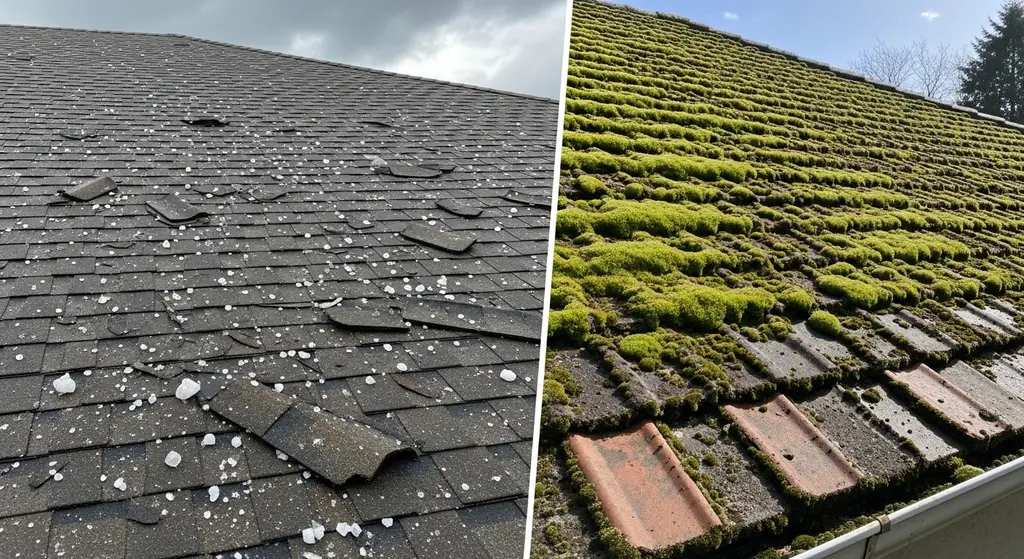
Most homeowner’s insurance policies cover sudden and accidental damage to your roof caused by covered perils. Common covered perils include hail, windstorms, fire, and damage from falling trees. For example, a roof damaged by a severe hail storm in Dallas-Fort Worth would likely be covered, provided the damage is beyond normal wear and tear. However, policies typically exclude damage caused by wear and tear, lack of maintenance, or pre-existing conditions.
For instance, a roof that is already old and deteriorating may not be covered if it collapses due to its age. Similarly, damage caused by faulty workmanship during a previous repair may also be excluded. NRCA emphasizes the importance of proper maintenance to avoid exclusions.
Hail damage
Typical Cost: $10,000
Prevention: Regular inspections
Insurance Coverage: Covered
Code Reference: IRC R905
Wear and tear
Typical Cost: $8,000
Prevention: Regular maintenance
Insurance Coverage: Not covered
Code Reference: None
Documenting Roof Damage for Your Insurance Claim
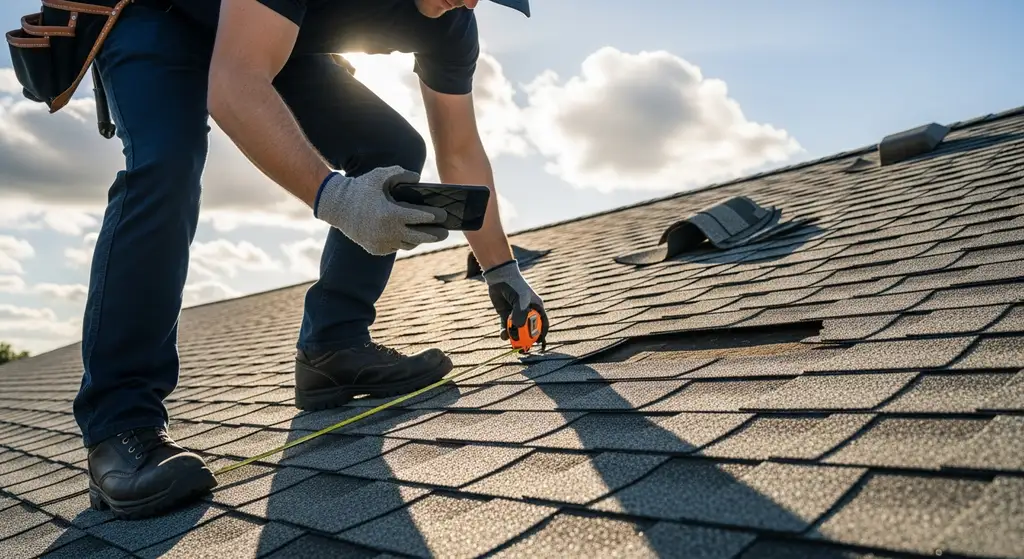
Thorough documentation is essential when filing an insurance claim for roof replacement. Start by taking detailed photos and videos of the damage, including close-ups of individual shingles, overall roof condition, and any interior damage caused by leaks. Be sure to capture images before making any temporary repairs. Obtain a professional roof inspection report from a licensed contractor.
The report should detail the extent of the damage, identify the cause, and provide an estimate for repair or replacement. Ensure the contractor is familiar with local building codes and insurance requirements. In Dallas, many contractors are familiar with insurance claims and can help you navigate the process. ASTM International provides standards for assessing roof damage, which inspectors should follow.
Field Note from Experience
Working on Texas roofing projects, I have noticed that insurance companies often request specific documentation, such as photos showing the size and pattern of hail impacts. Providing this detailed evidence upfront can significantly speed up the claim process.
Step-by-Step Guide to Filing a Roof Replacement Claim
Filing a roof replacement claim involves several key steps. First, notify your insurance company as soon as possible after discovering the damage. Most policies have a deadline for filing claims, so prompt action is essential. Provide them with your policy number, a description of the damage, and the date it occurred.
Next, gather all your documentation, including photos, videos, and the inspection report. Submit these documents to your insurance company along with your claim form. Cooperate with the insurance adjuster who will be assigned to your case. They will inspect the damage and assess the claim.
Be prepared to answer their questions and provide any additional information they request. The NRCA offers resources for homeowners on navigating the claims process.

Common Reasons for Roof Replacement Claim Denials
Insurance companies may deny roof replacement claims for various reasons. One common reason is that the damage is attributed to wear and tear or lack of maintenance, which are typically excluded from coverage. Another reason is that the damage does not meet the policy’s threshold for coverage. For example, the policy may require a certain number of shingles to be damaged before a claim is approved.
Another potential issue is that the damage is deemed pre-existing or the result of faulty workmanship. In some cases, the insurance company may argue that the damage was not caused by a covered peril. Understanding these common denial reasons can help you prepare your claim more effectively. In Dallas, many denials are related to hail damage that is deemed cosmetic rather than functional.
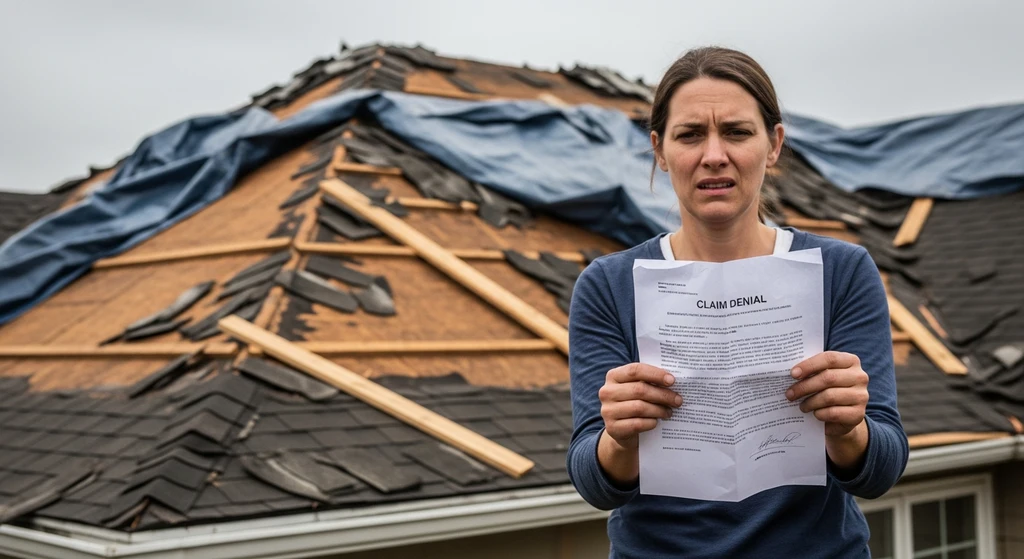
The insurance adjuster says the damage is cosmetic only.
Consequence: Claim denial and out-of-pocket expenses.
The insurance adjuster states the damage is due to wear and tear.
Consequence: Claim denial and need for full roof replacement at your expense.
Appealing a Denied Roof Replacement Claim
If your roof replacement claim is denied, you have the right to appeal the decision. The first step is to carefully review the denial letter to understand the reasons for the denial. Then, gather any additional evidence that supports your claim, such as a second opinion from a different roofing contractor or an independent inspection report. Write a formal appeal letter to your insurance company, addressing each point of contention in the denial letter.
Provide clear and concise explanations, along with supporting documentation. If your appeal is unsuccessful, you may consider hiring a public adjuster or consulting with an attorney who specializes in insurance claims. They can help you navigate the appeals process and advocate for your rights. FEMA provides resources for homeowners dealing with insurance claims after disasters.

External Authoritative Resources
These industry-standard references support the information in this guide:
Building Codes
Official building code for residential construction
ICC Code Adoption Map
Find which IRC version your state uses
Safety & Regulations
Industry Standards
Frequently Asked Questions
What type of roof damage is typically covered by insurance?
Most homeowner’s insurance policies cover sudden and accidental damage caused by covered perils such as hail, windstorms, fire, and falling trees. However, they typically exclude damage caused by wear and tear, lack of maintenance, or pre-existing conditions. In Dallas, hail damage from spring storms is a common covered peril, provided the damage is beyond normal wear and tear.
How long do I have to file a roof damage claim in Texas?
Texas law requires you to file a claim within a reasonable time after discovering the damage. While there is no specific deadline, it’s best to file as soon as possible to avoid any issues with your insurance company. Delays can raise suspicion and make it harder to prove the cause of the damage. NRCA recommends filing promptly.
What is the difference between ‘actual cash value’ and ‘replacement cost value’?
‘Actual cash value’ (ACV) is the current value of your roof, taking into account depreciation for age and wear and tear. ‘Replacement cost value’ (RCV) is the cost to replace your roof with a new one, without deducting for depreciation. RCV policies typically provide better coverage, as you receive the full cost of replacement, while ACV policies may leave you with a significant out-of-pocket expense.
What should I do if my insurance claim is denied?
If your claim is denied, carefully review the denial letter to understand the reasons. Gather any additional evidence to support your claim, such as a second opinion from a different roofing contractor. Write a formal appeal letter to your insurance company, addressing each point of contention. If necessary, consider hiring a public adjuster or consulting with an attorney.
Can I choose my own roofing contractor for the replacement?
Yes, you have the right to choose your own roofing contractor. Your insurance company cannot force you to use a specific contractor. However, they may require you to obtain multiple bids to ensure the price is reasonable. Be sure to choose a licensed and insured contractor with a good reputation.
Check their credentials with the Texas Department of Licensing and Regulation (TDLR).
What if my roof was not up to code before the damage?
If your roof was not up to code before the damage, your insurance company may still cover the cost of bringing it up to code during the replacement, depending on your policy’s ‘ordinance or law’ coverage. This coverage helps pay for the increased costs of complying with current building codes, such as those outlined in the IRC 2021, which is currently applicable in Dallas as of 2026.
Final Thoughts
Successfully navigating the insurance claim process for roof replacement requires understanding your policy, documenting the damage thoroughly, and knowing your rights. Be prepared to appeal a denied claim and seek professional assistance if needed. By taking these steps, you can increase your chances of getting your insurance to pay for your roof replacement. Remember to choose a reputable contractor and ensure they are familiar with local building codes and insurance requirements.
In my 8+ years as a construction consultant in Dallas, I have seen homeowners save thousands of dollars by being proactive and informed throughout the claims process. Don’t hesitate to seek professional guidance to ensure a smooth and successful outcome. Contact a local roofing professional today!
