
Contractor’s Bottom Line
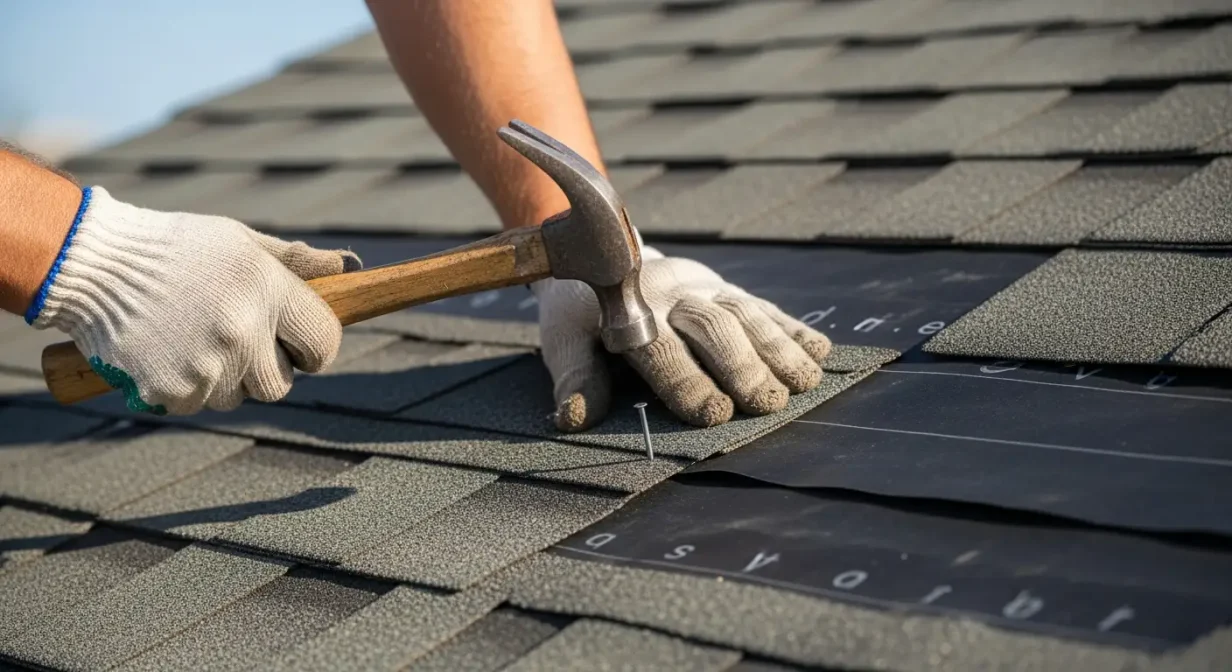
Small roof leak repair requires tracing the water path from the interior ceiling stain back to the exact point of exterior roof penetration. Water travels along rafters and underlayment, meaning the actual roof breach is often several feet horizontally displaced from the visible interior damage. Apply a temporary patch from the exterior to stop active water intrusion, then plan a permanent repair during dry weather conditions.
Key Takeaways
- A small roof leak repair in Dallas currently averages $450 to $850 for standard asphalt shingles.
- IRC R905.1 requires all roof repairs to maintain the fire-classification rating of the original assembly.
- Using synthetic underlayment meeting ASTM D4869 provides superior moisture protection compared to traditional felt in North Texas heat.
- The International Code Council (ICC) standards suggest that leaks around flashing are the primary cause of internal water damage in DFW.
Identifying a small roof leak repair early is the difference between a minor patch and a total structural failure. In the DFW Metroplex, our extreme temperature swings and spring hail storms frequently compromise the integrity of architectural shingles and flashing seals. Most homeowners notice a small water spot on the ceiling and wait for the next storm to see if it worsens, which is a critical mistake. FIELD NOTE: Last month, a Dallas homeowner in Lakewood called me after a tiny leak resulted in $4,500 in damages to their attic insulation and ceiling drywall.
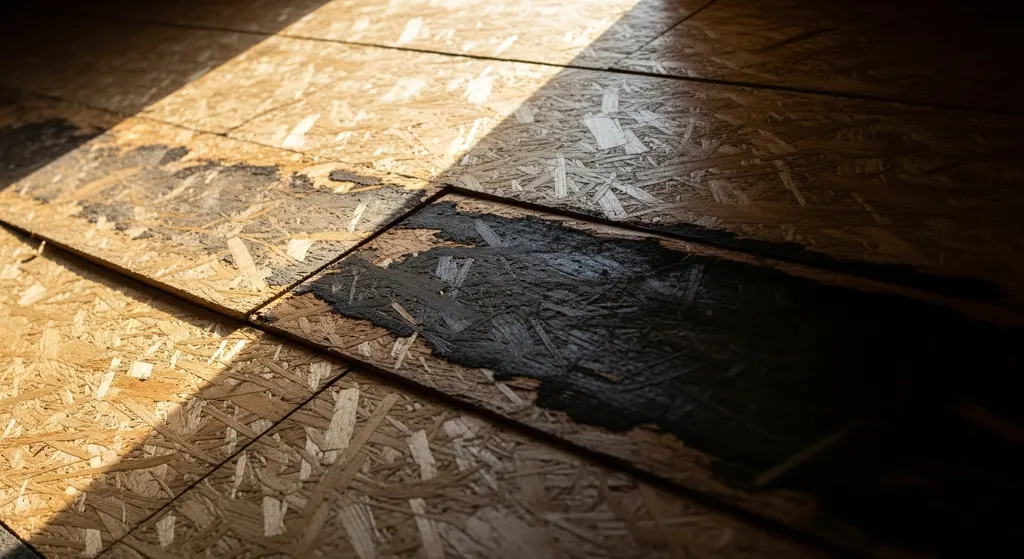
They had ignored a minor drip for three months, assuming it was just condensation. By the time I inspected it, the OSB (oriented strand board) had completely delaminated, requiring a full deck replacement in that section. We focus on permanent solutions rather than temporary bandages that fail during the next Texas thunderstorm. By adhering to the National Roofing Contractors Association (NRCA) best practices, we ensure that every small roof leak repair restores the primary water-shedding layer effectively.
This guide breaks down the technical requirements, current 2026 pricing, and code compliance standards necessary for a successful project.
Immediate Emergency Actions for Active Leaks
When water is actively entering your home, the first priority is mitigating interior damage to prevent mold growth and structural decay. Move furniture away from the area and use a bucket to catch drips, while also puncturing a small hole in the center of any bulging drywall to release trapped water safely. This prevents the ceiling from collapsing under the weight of accumulated moisture. If it is safe to do so, a temporary tarp can be installed over the exterior source of the leak, though this should only be done when the roof is dry.
Ensure the tarp extends over the ridge to prevent water from running underneath the top edge. I always recommend using heavy-duty poly tarps secured with 1×2 wood strips to avoid damaging the surrounding asphalt shingles further.
Unsecured tarps
Consequence: Can blow off in North Texas winds, causing more damage to the roof surface.
Assessing the Severity of Your Roof Leak
Determining whether you need a small roof leak repair or a full replacement starts with an inspection of the underlayment and decking. We look for signs of ‘telegraphing’ through the shingles, which indicates that the underlying CDX plywood or OSB has begun to swell or buckle. According to IRC R803.2.1, sheathing must provide a solid base, and any soft spots usually necessitate a more extensive repair than just replacing shingles. We also examine the flashing around chimneys, vents, and valleys, as these are the most common failure points in the Dallas-Fort Worth area.
If the leak is caused by aged architectural shingles reaching the end of their 25-year lifecycle, a patch may only provide a temporary fix. However, if the damage is localized to a specific impact or a failed pipe boot, a surgical repair is often the most cost-effective path.
| Symptom | Probable Cause | Severity Level |
|---|---|---|
| Granule loss in gutters | Shingle aging/UV damage | Low – Monitor |
| Curled shingle edges | Thermal expansion/Heat | Medium – Repair soon |
| Dark spots on decking | Active moisture leak | High – Immediate Action |
Field Note from Experience
During an inspection in North Dallas, I found a ‘minor’ leak that the owner thought was just a loose shingle. It turned out to be a code violation where the previous installer skipped the ice and water shield in the valley, leading to $2,800 in structural repairs that insurance wouldn’t cover due to improper installation.
Dallas Repair Costs and Financial Analysis
In the current 2026 market, a small roof leak repair in the DFW Metroplex is significantly more affordable than a full replacement, which can range from $12,000 to $25,000. Most reputable Dallas contractors charge a minimum service fee of $350 to $500 to cover labor, mobilization, and materials like synthetic underlayment and high-grade sealant. If the repair involves replacing a full square (100 sq. ft.) of shingles and some decking, expect the price to rise toward the $1,200 range.
I always advise homeowners to consider the ROI of a repair versus the age of the roof. If your roof is over 15 years old and has significant hail bruising, investing $1,500 in multiple repairs may be ‘throwing good money after bad.’ However, for a 5-year-old roof with a simple flashing failure, a professional repair is the smartest financial move to preserve your home’s value.
Dallas Market Pricing
In Dallas-Fort Worth, expect to pay $350-$1,200 per repair project. These are current 2026 Dallas market prices; costs vary by region and can be 15-25% higher in remote Texas areas. Peak pricing occurs spring (March-May) storm season.
What Contractors Hide
Service Minimums
The Reality: Most pros charge a $350 minimum even for a 15-minute fix to cover insurance and overhead.
Why DIY Roof Repairs Often Fail in Texas
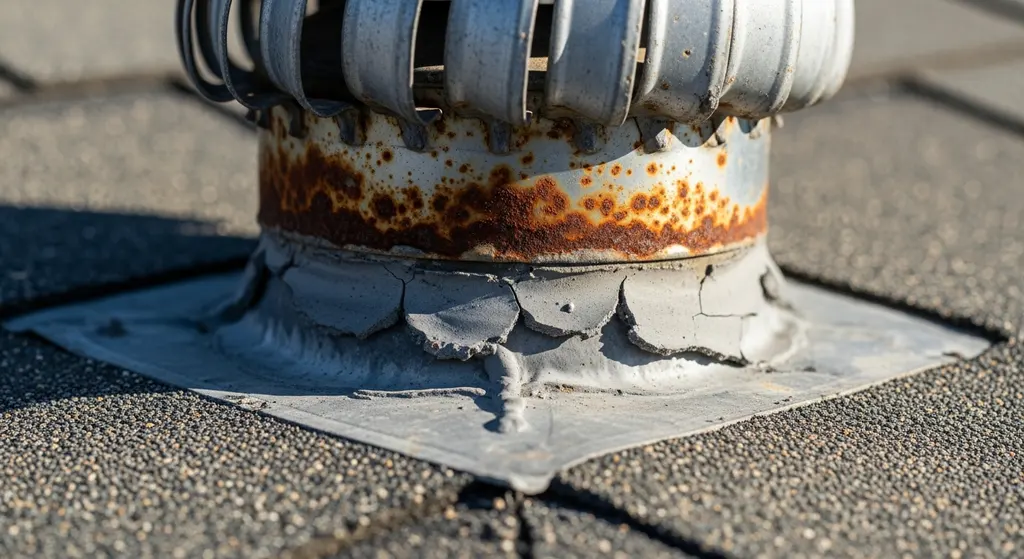
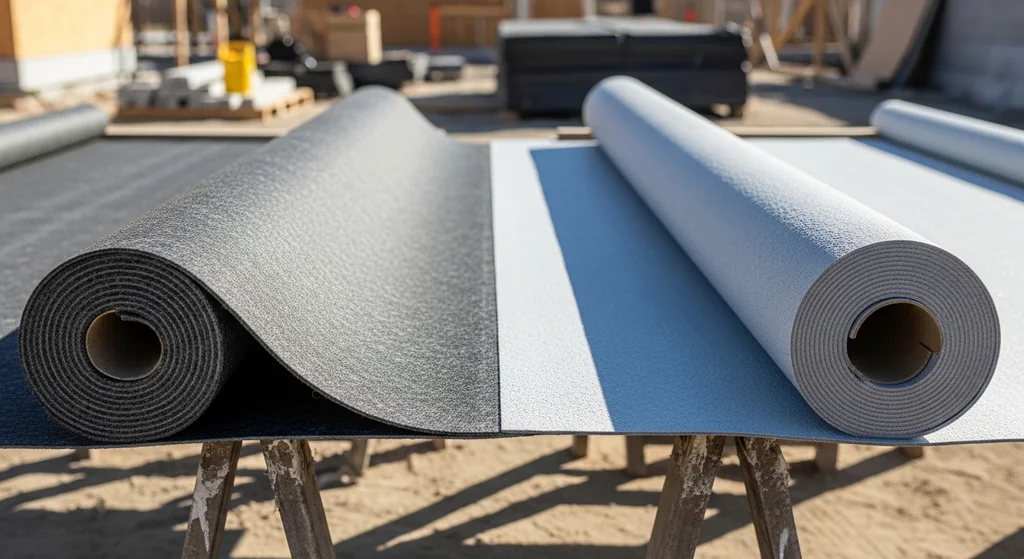
Many Dallas homeowners attempt to fix leaks using ‘roof cement’ or caulk, which often fails within months due to the extreme 100°F+ Texas heat. These materials expand and contract at different rates than asphalt shingles, leading to cracks in the seal. Furthermore, improper nailing—such as high-nailing or using the wrong fasteners—violates ASTM D1761 standards and can cause shingles to blow off during high-wind events common in North Texas. Another frequent error is ‘shingling over’ a problem without inspecting the underlayment.
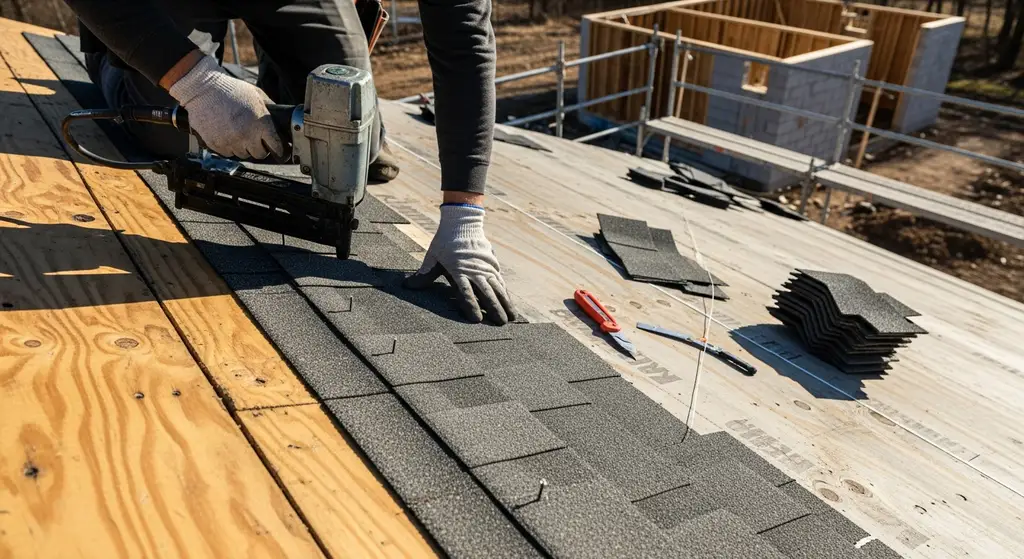
If the felt underlayment (ASTM D226) is torn or degraded, adding new shingles on top will not stop the leak. You must expose the decking, ensure it meets IRC R803.2.1 thickness requirements, and install a proper moisture barrier before laying the new architectural shingles.
| Critical DIY Hazards | |
|---|---|
| Fall Risk | OSHA requires fall protection above 6 feet |
| Code Compliance | Repairs must meet IRC 2021 standards |
| Warranty | Improper DIY can void manufacturer warranties |
Dallas Roof Maintenance Schedule
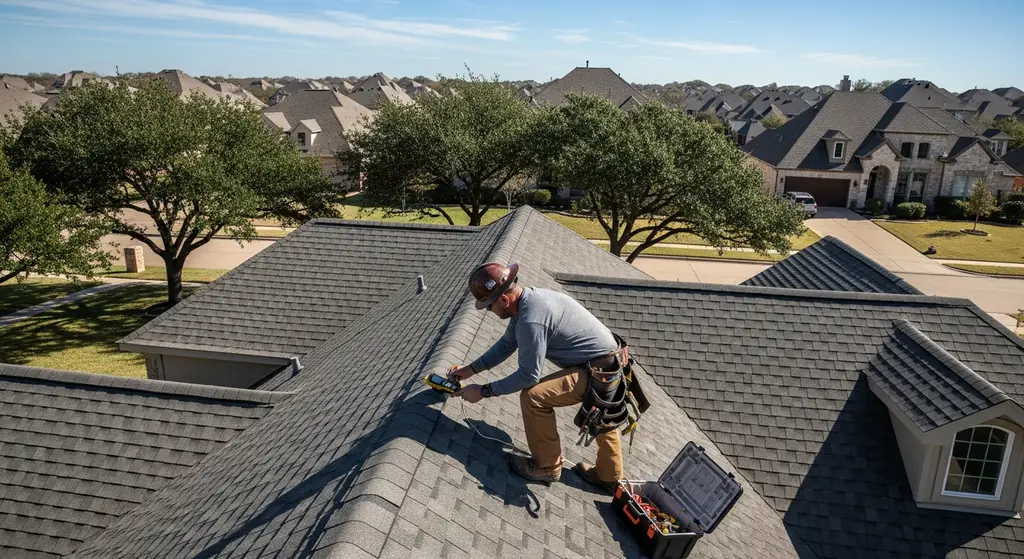
To avoid the need for emergency small roof leak repair, I recommend a bi-annual inspection schedule tailored to the North Texas climate. Spring (March) is the most critical time to check for winter wind damage and ensure gutters are clear before the heavy rain hits. Fall (October) is ideal for checking sealants that may have dried out or cracked during the intense July and August heat. During these inspections, pay close attention to the ‘valleys’ and ‘dead crickets’ where debris accumulates.
Debris holds moisture against the shingles, accelerating the breakdown of the asphaltic layer and eventually causing leaks. A simple leaf blower and a soft-bristle broom can extend the life of your roof by several years if used regularly.
Advantages
- Extends roof lifespan by 5-7 years
- Identifies hail damage for insurance documentation
- Prevents interior mold growth
Disadvantages
- Requires ladder safety equipment
- Can be time-consuming for large homes
External Authoritative Resources
These industry-standard references support the information in this guide:
Building Codes
Frequently Asked Questions
How much does a small roof leak repair cost in Dallas?
Most professional repairs in the DFW Metroplex range from $350 to $1,200. This price typically covers labor, material disposal, and high-quality components like ASTM D226 felt or synthetic underlayment.
Can I just use roof sealant to fix a small leak?
Sealant is a temporary fix and often fails in the Texas heat. The NRCA recommends a permanent repair involving the replacement of damaged shingles and flashing to meet IRC R905 standards.
Will insurance cover a small roof leak repair?
If the leak was caused by a sudden event like hail or wind, it is often covered. However, leaks caused by ‘wear and tear’ or lack of maintenance are typically excluded from standard policies.
Does IRC 2021 allow for shingle patching?
Yes, IRC R905.1 permits repairs as long as the new materials are compatible with the existing roof and maintain the required fire-resistance rating.
How do I know if my roof decking is rotten?
Soft spots when walking on the roof or visible dark stains/mold on the OSB in the attic indicate rot. Rotten decking must be replaced per IRC R803.2.1.
What is the best time of year for roof repairs in Dallas?
Late fall and early winter are ideal as demand is lower. However, emergency repairs should be performed immediately regardless of the season to prevent structural decay.
Final Thoughts
Addressing a small roof leak repair today is the most effective way to protect your largest investment. By understanding the technical requirements of IRC R905 and the environmental stressors unique to the DFW Metroplex, you can ensure your repair is handled correctly and permanently. Don’t let a minor drip turn into a major structural failure that compromises your home’s safety and value. FIELD NOTE: I recently worked with a family in Plano who nearly fell for a ‘free roof’ scam after a minor leak.
The solicitor tried to convince them to commit insurance fraud, which is a serious crime in Texas under HB 2102. Instead, we performed a legitimate $600 repair that met all NRCA standards and saved them from a potential legal nightmare. Always prioritize local expertise and code compliance over ‘too good to be true’ offers.
