
Contractor’s Bottom Line
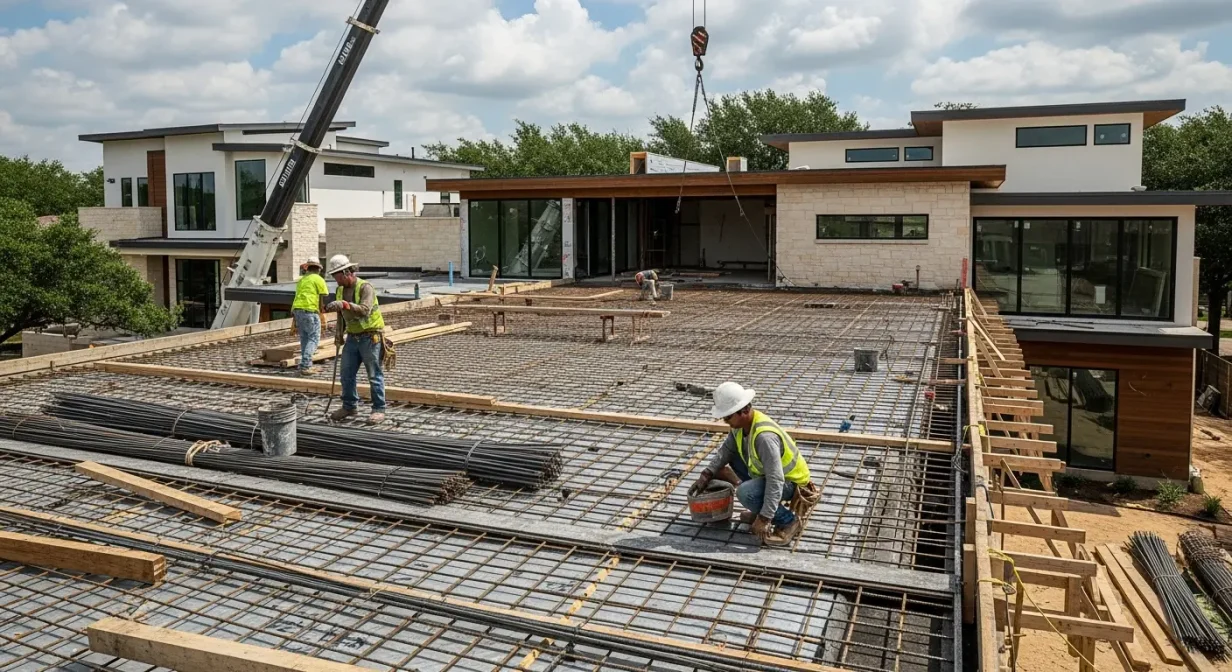
Corrugated concrete decking utilizes steel pans as permanent formwork for poured concrete, creating a composite floor or roof slab with high fire resistance. This system achieves high load-bearing capacities and superior acoustic performance compared to lightweight steel decking alone. Ensure the steel pans are adequately shored during the concrete pour to prevent structural deflection before the concrete achieves its design strength.
Key Takeaways
- Meets ASTM E119 fire-resistance standards, critical for high-density Dallas neighborhoods.
- IRC 2021 Section R505 compliance is mandatory for all cold-formed steel and concrete composite decking.
- Dallas-Fort Worth pricing for 2026 typically ranges from $12 to $18 per square foot depending on gauge and span.
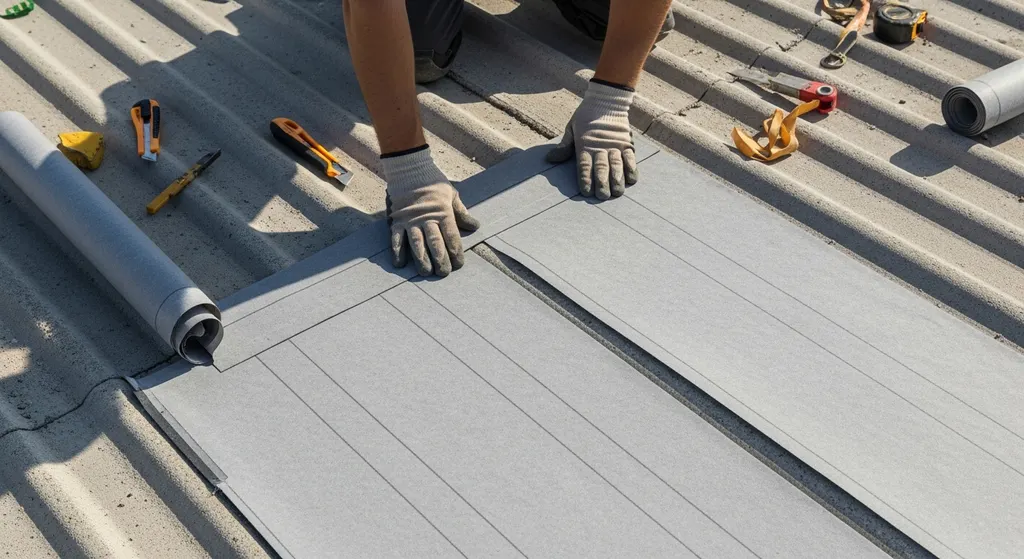
- Requires specialized synthetic underlayment meeting ASTM D226 Type II for moisture management.
As a consultant in the DFW Metroplex, I have seen a significant shift toward corrugated concrete decking in both high-end residential balconies and commercial flat roof applications. This material combines the tensile strength of steel with the compressive power of concrete, creating a substrate that laughs at the North Texas sun. The National Roofing Contractors Association (NRCA) often highlights these systems for their superior fire ratings and structural stability. FIELD NOTE #1: Last year, a homeowner in Highland Park called me after their traditional wood-framed balcony began to rot, resulting in a $15,000 structural failure.
We replaced the system with corrugated concrete decking over G-90 galvanized steel, ensuring the new structure met IRC 2021 standards for exterior balconies. This upgrade not only improved safety but significantly increased the home’s resale value by providing a non-combustible outdoor living space. Understanding the nuances of this material is vital for any property owner in Dallas-Fort Worth. From the International Code Council (ICC) requirements to the specific ASTM International standards, every detail matters for long-term performance.
We will explore why this material is becoming a staple in the Texas heat and how to ensure your contractor isn’t cutting corners on the specification.
Anatomy of Corrugated Concrete Decking
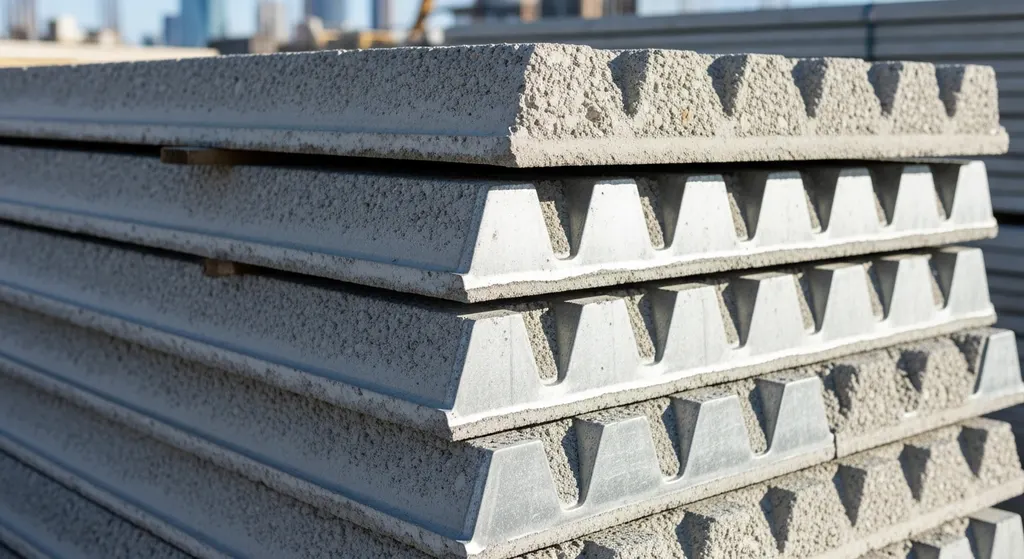
The foundation of this system is the corrugated steel deck, typically G-90 galvanized steel conforming to ASTM A653. This profile provides the necessary ‘ribs’ that allow the concrete to bond and provide structural rigidity across long spans without excessive weight. In Dallas residential applications, we often see 22-gauge or 20-gauge steel used to support a 2.5-inch to 4-inch concrete pour. The concrete component is frequently a lightweight structural mix reinforced with fiber or traditional rebar to prevent shrinkage cracks.
This composite action is what gives the decking its high shear strength and NRC rating for sound dampening. When specified correctly, these systems meet or exceed the Federal Emergency Management Agency (FEMA) guidelines for storm shelters and high-wind zones common in North Texas.
| Material Specifications | |
|---|---|
| Steel Substrate | G-90 Galvanized (ASTM A653) |
| Concrete Type | Lightweight Structural (ASTM C33) |
| Fire Rating | Class A (ASTM E119) |
Performance in the North Texas Environment
Dallas-Fort Worth presents a unique challenge with temperature swings that can exceed 40°F in a single day. Corrugated concrete decking excels here because of its low thermal expansion coefficient compared to pure steel or organic materials like OSB. This stability prevents the ‘buckling’ often seen in asphalt shingles or synthetic underlayment when the substrate shifts too rapidly. Furthermore, the high thermal mass of the concrete helps regulate indoor temperatures, which is a major benefit during our 100°F+ summer stretches.
By reducing the heat transfer through the roof or floor deck, these systems can assist in meeting Energy Star requirements and lowering cooling costs. The National Roofing Contractors Association (NRCA) emphasizes that proper insulation above the deck is still required to prevent thermal bridging.
Field Note from Experience
During an inspection in North Dallas, I found a commercial roof where the previous contractor ignored thermal expansion joints. The corrugated deck had actually sheared several fasteners, costing the owner $22,000 in structural repairs that could have been avoided with a $500 expansion joint detail.
IRC 2021 Code Compliance for Texas Builders
In the DFW Metroplex, building officials strictly adhere to IRC 2021 for residential structures. Section R505 covers cold-formed steel framing, which is the backbone of corrugated decking systems. It is imperative that the gauge of the steel and the thickness of the concrete pour match the approved engineering plans to ensure the live load and dead load requirements are met. Specifically, IRC R804 requires that all fasteners used in steel-to-steel or concrete-to-steel connections meet ASTM D1761 standards for mechanical fasteners.
We frequently check for the ‘H-clip’ or specific screw patterns that prevent uplift during high-wind events. Failure to provide a stamped engineering letter for these decks often leads to immediate red-tagging by Dallas city inspectors.
Unstamped Engineering
Consequence: City of Dallas will deny the final permit and require expensive destructive testing.
Improper Fastener Coating
Consequence: Non-galvanized screws will corrode in the concrete, leading to structural collapse within 10 years.
Investment Analysis and Dallas Pricing
Corrugated concrete decking is a premium solution, and the pricing reflects the specialized labor and materials required. Unlike standard 3-tab shingles or architectural shingles over plywood, this system requires a coordinated effort between steel erectors and concrete finishers. The complexity of the installation often requires OSHA-certified fall protection and specialized equipment. Material costs for the steel deck and concrete mix have stabilized but remain higher than traditional wood products.
In Dallas, the labor pool for these specific installations is competitive, but high demand for storm-resistant building materials keeps prices firm. We recommend budgeting for a 10-15% contingency for complex edge details and flashing integrations required by the International Code Council (ICC).
Dallas Market Pricing
In Dallas-Fort Worth, expect to pay $12-$18 per square foot. These are current 2026 Dallas market prices; costs vary by region and can be 15-25% higher in remote Texas areas. Peak pricing occurs spring (March-May) storm season.
| Component | Estimated Cost (Per Sq Ft) |
|---|---|
| G-90 Steel Decking (22ga) | $4.50 – $6.00 |
| Lightweight Concrete Pour | $3.50 – $5.00 |
| Specialized Labor/Finishing | $4.00 – $7.00 |
What Contractors Hide: The Truth About Decking
Many contractors will try to substitute G-60 galvanized steel for the required G-90 to save roughly 15% on material costs. While it looks identical to the untrained eye, G-60 lacks the zinc thickness required to resist the corrosive nature of wet concrete during the curing process. This shortcut significantly shortens the lifespan of the deck and violates ASTM A653 standards. Another common tactic is skipping the edge reinforcement or ‘pour stops.’ Without these, the concrete can thin out at the edges, leading to cracking and water infiltration that destroys the synthetic underlayment and eventually the structural steel.
Always ask for the material delivery tickets to verify the gauge and galvanized rating of the steel being installed on your Dallas property.
What Contractors Hide
Substituting lower-grade steel
The Reality: Results in premature rust and structural failure hidden beneath the concrete.
Reusing old flashing
The Reality: Contractors do this to save $500-$1000, but it is the #1 cause of leaks in concrete deck systems.
External Authoritative Resources
These industry-standard references support the information in this guide:
Building Codes
Frequently Asked Questions
Is corrugated concrete decking waterproof?
No, the concrete and steel system is structural; it requires a finished roofing membrane or waterproofing system meeting ASTM D4869 standards to be watertight. The NRCA recommends a multi-layer approach for all flat surfaces.
Can I install asphalt shingles over this deck?
It is possible with a ‘nail box’ or sleeper system, but not common. Most Dallas applications use this for flat roofs with TPO or liquid-applied membranes that meet ICC codes.
How long does a concrete deck last in Texas?
When properly installed to ASTM standards, the structural deck can last 50+ years. The waterproofing layer will typically need replacement every 20-25 years according to NRCA guidelines.
Does it require special permits in Dallas?
Yes, any structural decking change requires a building permit from the City of Dallas and an inspection to verify IRC R505 compliance.
Is it hail resistant?
The structural deck itself is nearly impervious to hail damage, unlike OSB or plywood. This often leads to lower insurance premiums in the DFW Metroplex.
Can it be used for residential balconies?
Yes, it is the preferred material for fire-rated balconies in Highland Park and Uptown Dallas to meet strict ICC fire codes.
Final Thoughts
Corrugated concrete decking represents the gold standard for structural integrity in the North Texas market. By adhering to IRC 2021 codes and insisting on ASTM-rated materials, you are investing in a structure that can withstand the extreme heat and storm cycles of Dallas-Fort Worth. While the upfront cost is higher, the reduction in maintenance and insurance premiums provides a clear long-term ROI. FIELD NOTE #3: I recently consulted on a project in the DFW Metroplex where the owner chose corrugated concrete for a rooftop patio.
Despite a severe spring hail storm that decimated neighboring roofs, their structure remained entirely sound, requiring only a minor cleaning of the surface. When you build with these specifications, you aren’t just building for today; you’re building for the next fifty years. Always verify your contractor’s licensing through the Texas Department of Licensing and Regulation (TDLR) before signing a contract.
