
Contractor’s Bottom Line
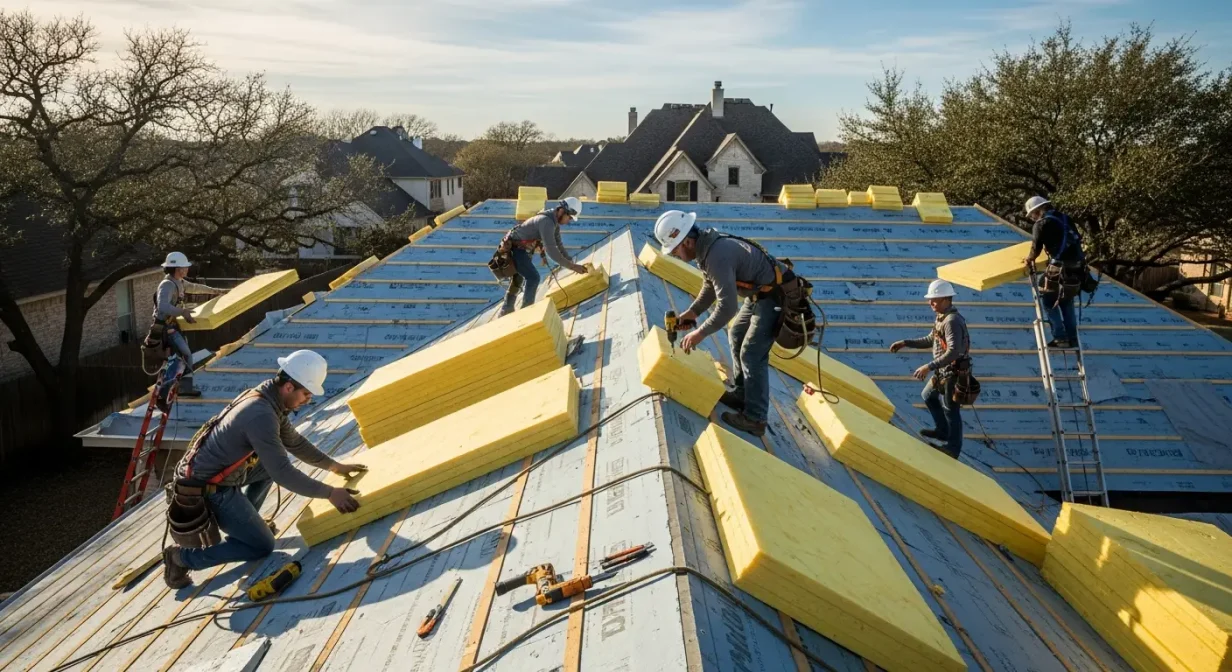
Roof insulation installed at the attic floor or directly under the roof deck controls heat transfer and prevents moisture condensation. The required thermal resistance is dictated by local energy codes, with uninsulated assemblies allowing significant energy loss and ice dam formation in cold climates. Ensure a proper air barrier is installed adjacent to the insulation layer to prevent warm, humid air from degrading the roof structure.
Key Takeaways
- Dallas is located in Climate Zone 3, requiring a minimum R-49 for ceiling insulation per IRC 2021 standards.
- Polyisocyanurate (Polyiso) offers the highest R-value per inch, often conforming to ASTM C1289 specifications.
- Improperly installed insulation can lead to thermal bridging, reducing effective energy efficiency by up to 20% in Texas heat.
- Energy Star certified products can significantly reduce cooling loads during peak North Texas summer months.
Selecting the right roof insulation is critical for managing the extreme temperature swings we experience in North Texas. From freezing winter fronts to blistering summer heat, your roofing system’s thermal envelope dictates both your comfort and your utility bills. We focus on materials that stand up to the high UV exposure and humidity common in the DFW Metroplex. FIELD NOTE: Last July, a Dallas homeowner in Lake Highlands called me because their upstairs was hitting 85°F despite the AC running constantly.
I found their attic insulation had settled to an R-19 level, which is far below the National Roofing Contractors Association (NRCA) recommendations. Upgrading them to R-49 saved them nearly $150 a month on electricity and stabilized their indoor climate immediately. Understanding the relationship between the International Code Council (ICC) standards and material performance is the first step in a successful roofing project. Whether you are installing asphalt shingles or a commercial TPO system, the insulation layer remains the unsung hero of the assembly.
We will break down the technical specifications you need to know for a code-compliant installation.
Core Materials for North Texas Roof Insulation
The most common materials used in Dallas residential and commercial projects include Polyisocyanurate (Polyiso), Extruded Polystyrene (XPS), and Spray Polyurethane Foam (SPF). Polyiso is a closed-cell, rigid foam board that frequently meets ASTM C1289 standards and is favored for its high thermal resistance and fire performance. It is often used in flat roof applications beneath a TPO or EPDM membrane to provide a stable substrate. Spray Polyurethane Foam (SPF) has gained massive popularity in the Dallas-Fort Worth area due to its ability to create an airtight seal.
SPF conforms to ASTM D7425 and effectively eliminates air leakage, which is a major source of energy loss in older North Texas homes. For traditional vented attics, blown-in fiberglass or mineral wool meeting ASTM C764 remains a cost-effective choice for reaching high R-values. When specifying these materials, I always look for Energy Star certification to ensure the product meets rigorous efficiency guidelines. Manufacturers like GAF, Owens Corning, and CertainTeed provide detailed technical data sheets that outline the compressive strength and thermal aging of their products.
Choosing a material with high dimensional stability is essential to prevent gaps from forming during the extreme thermal expansion cycles of Texas summers.
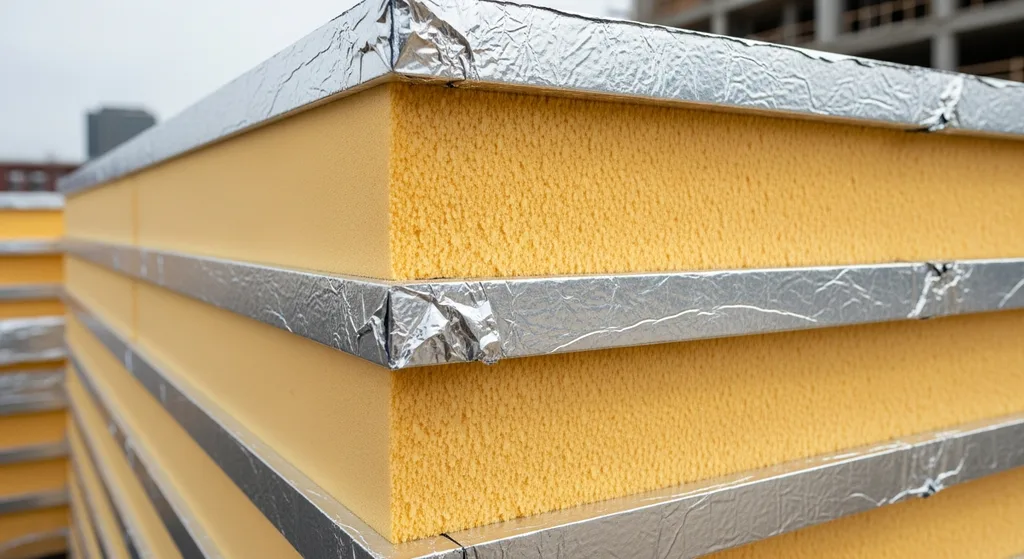
| Insulation Material Comparison | |
|---|---|
| Polyiso R-Value | 6.0 – 6.8 per inch |
| Closed-Cell SPF | 6.5 – 7.0 per inch |
| Fiberglass Batts | 3.1 – 3.4 per inch |
IRC 2021 Code Compliance in Dallas County
The International Residential Code (IRC) 2021, currently adopted by most municipalities in the DFW Metroplex, categorizes Dallas in Climate Zone 3. Under IRC N1102.1, the prescriptive requirement for ceiling insulation is R-49, a significant increase from older code cycles. This requirement ensures that homes can withstand the high cooling degree days characteristic of the Texas climate. Proper installation must also account for IRC R806, which governs attic ventilation.
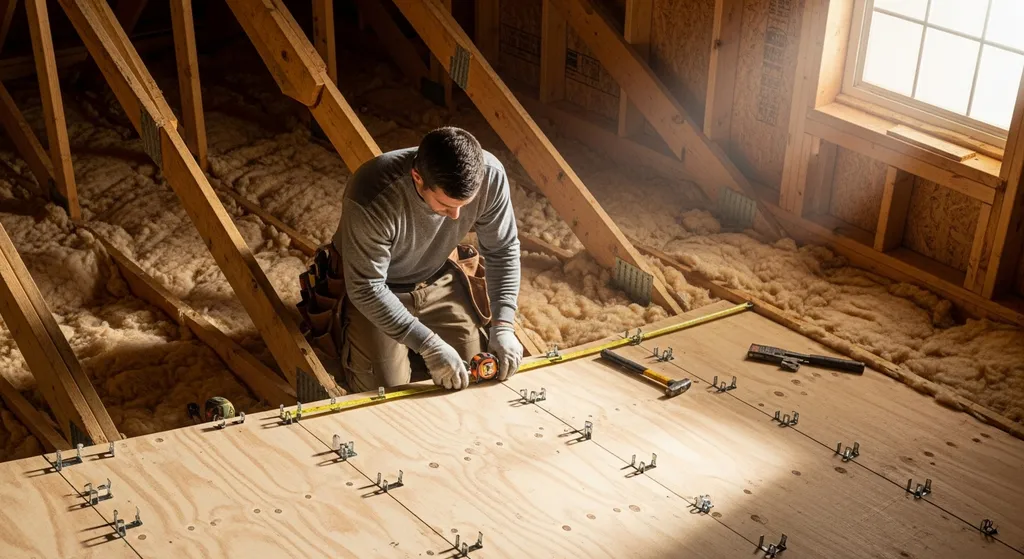
If you are using traditional insulation, you must maintain a 1-inch clear path between the insulation and the roof sheathing (like CDX plywood or OSB) to allow for airflow. Failure to provide this ventilation can lead to heat buildup and premature failure of architectural shingles due to ‘baking’ the granules from the underside. For unvented attic assemblies, IRC R806.5 allows for the use of air-impermeable insulation, such as closed-cell spray foam, applied directly to the underside of the roof deck. This method moves the thermal envelope to the roofline, which is highly effective in Dallas for protecting HVAC equipment located in the attic.
I always verify that the chosen SPF meets ASTM E84 for flame spread and smoke development before signing off on an inspection.
Field Note from Experience
During a code compliance inspection in Frisco, I discovered a contractor had installed R-30 batts in a new build, claiming it was ‘standard.’ I had to cite IRC N1102.1 to show that the R-49 requirement was mandatory. The fix cost the builder $4,500 in additional labor and materials, but it saved the homeowner from failing their final energy audit.
Thermal Performance in North Texas Heat Cycles
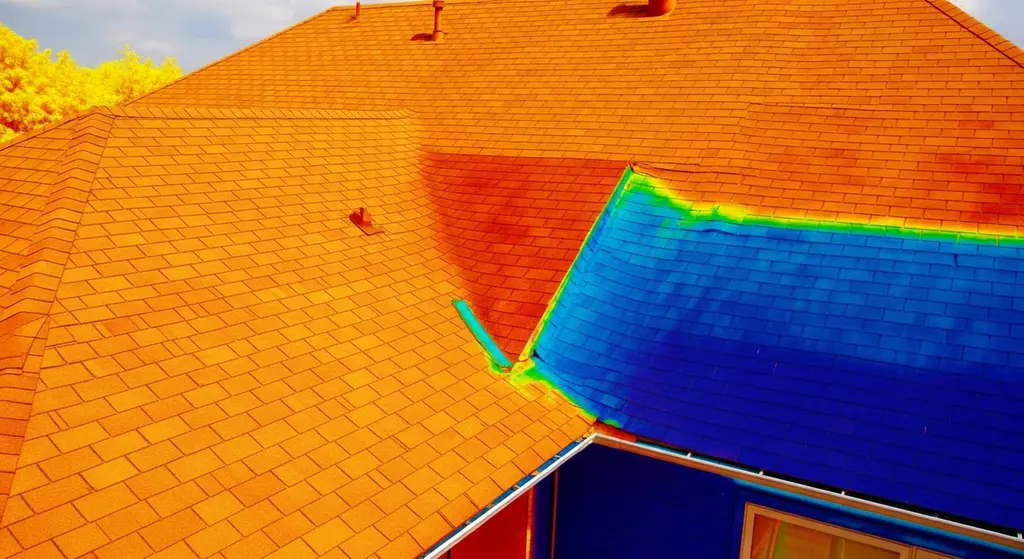
In the Dallas-Fort Worth area, we deal with ‘thermal shock,’ where roof surface temperatures can swing from 70°F at night to 150°F by mid-afternoon. High-quality insulation must manage this heat flux to prevent the transfer of radiant heat into the living space. Radiant barriers, often used in conjunction with traditional insulation, can reflect up to 97% of radiant heat, making them a staple in North Texas construction. Moisture control is another critical factor due to our humid spring seasons.
The International Code Council (ICC) emphasizes the use of vapor retarders in certain assemblies to prevent interstitial condensation. In Dallas, we typically see the most success with ‘smart’ vapor retarders that allow the assembly to dry towards the interior or exterior depending on the season. This prevents mold growth on the OSB or oriented strand board roof decking. We also have to consider the impact of hail on the overall roofing system.
While insulation is beneath the deck, high-density cover boards (like Securock or DensDeck) are often specified in commercial Dallas projects to provide a ‘cushion’ for the membrane. This assembly, meeting ASTM D4869 standards for underlayment integration, helps the entire roof system survive the violent spring storms common in the Metroplex.
Advantages
- Reduces AC run-time during 100-degree Dallas days
- Protects roof decking from extreme temperature fluctuations
- Increases the lifespan of HVAC equipment in attics
Disadvantages
- High initial cost for premium materials like SPF
- Can hide roof leaks if not monitored correctly
- Requires professional installation to avoid ventilation issues
Dallas Roof Insulation Pricing and ROI
The cost of roof insulation in Dallas is influenced by material choice, attic accessibility, and current labor demand. Blown-in fiberglass is the most economical, while closed-cell spray foam sits at the top of the price bracket. For a standard 2,000-square-foot home in the DFW area, upgrading from R-19 to R-49 typically pays for itself in energy savings within 3 to 5 years. Labor rates in Dallas remain competitive but can spike after major hail events when roofing crews are in high demand.
It is important to remember that ‘cheap’ insulation often leads to gaps or thin spots that create thermal bridges. I recommend getting quotes that specifically itemize the R-value per inch and the total bags or board-feet of material to be used. This ensures you are getting exactly what the IRC 2021 code requires for your specific neighborhood. Permit fees in cities like Dallas or Plano usually range from $50 to $150 for an insulation retrofit, but these are often bundled into larger roofing contracts.
Always ensure your contractor is not cutting corners by skipping the baffles at the eaves, which are necessary to keep soffit vents clear. This small detail is frequently overlooked by low-bid contractors looking to save on labor time.
Dallas Market Pricing
In Dallas-Fort Worth, expect to pay $1.50-$4.50 per square foot for roof insulation. These are current 2026 Dallas market prices; costs vary by region and can be 15-25% higher in remote Texas areas. Peak pricing occurs spring (March-May) storm season.
| Insulation Type | Cost per Sq. Ft. (Installed) | R-Value per Inch |
|---|---|---|
| Blown-in Fiberglass | $1.50 – $2.25 | 2.5 – 3.2 |
| Polyiso Board | $2.75 – $3.50 | 6.0 – 6.5 |
| Closed-Cell SPF | $3.75 – $4.50 | 6.5 – 7.0 |
What Contractors Hide
Contractors ‘fluffing’ blown-in insulation
The Reality: Adding more air to the mix makes it look deep but results in a lower actual R-value once it settles.
Skipping the thermal barrier
The Reality: Some installers skip the fire-rated coating on spray foam to save $500, creating a massive safety violation.
Measuring Efficiency: R-Values and U-Factors
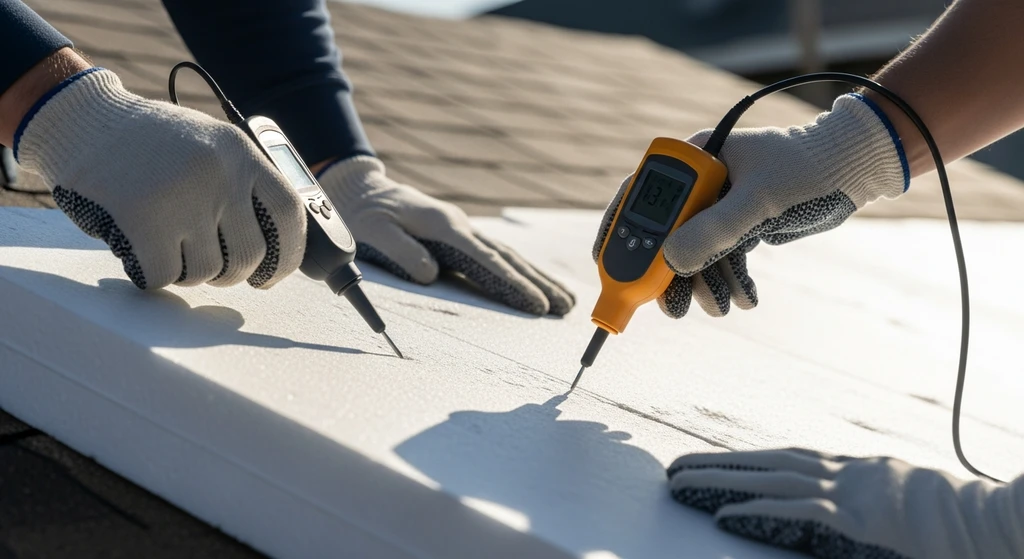
To understand insulation performance, you must look at both R-value (resistance to heat flow) and U-factor (thermal transmittance). While R-value tells you how well a material resists heat, the U-factor tells you how well the entire roof assembly performs as a unit. In Dallas, the goal is a high R-value and a low U-factor to keep the heat out during July and August. ASTM International provides the testing protocols for these metrics, such as ASTM C518 for steady-state thermal transmission.
When I specify GAF EnergyGuard or similar polyiso products, I am looking for the Long-Term Thermal Resistance (LTTR) value. This accounts for the natural ‘off-gassing’ of the insulation over time, ensuring the roof maintains its performance for 20+ years. This is a critical distinction that many homeowners miss when comparing budget brands. Furthermore, the Occupational Safety and Health Administration (OSHA) provides guidelines for the safe installation of these materials, particularly SPF which requires specific respiratory protection.
Ensuring your contractor follows these safety standards is a sign of a professional outfit. High-performance insulation isn’t just about the numbers; it’s about the precision of the installation and the long-term stability of the thermal envelope.
Field Note from Experience
I once saw a ‘cost-saving’ installation in University Park where the contractor used standard felt underlayment (ASTM D226) instead of a proper vapor barrier with SPF. Within two years, the roof deck began to rot because moisture was trapped between the foam and the wood. The repair cost the homeowner $22,000, which far outweighed the initial $2,000 they ‘saved’ on the cheap install.
External Authoritative Resources
These industry-standard references support the information in this guide:
Building Codes
Frequently Asked Questions
What is the minimum R-value for roofs in Dallas?
According to IRC 2021, the minimum requirement for Climate Zone 3 (Dallas) is R-49 for ceiling insulation. This standard ensures optimal energy efficiency for the North Texas climate.
Does roof insulation help with hail damage?
While insulation is installed under the deck, high-density cover boards like those meeting ASTM D4869 can provide structural support that helps the roof system resist impact damage from hail.
Is spray foam better than fiberglass batts for Dallas homes?
Spray foam is generally superior for the DFW Metroplex because it creates an air seal, preventing the humid North Texas air from entering the attic, though it carries a higher price point.
What is Polyiso insulation used for?
Polyisocyanurate (Polyiso) is a rigid foam board meeting ASTM C1289 used primarily in flat or low-slope roofing to provide high R-values and fire resistance.
Should I remove old insulation before adding new?
The NRCA recommends removing old insulation if it has been damaged by moisture or pests. If it is dry and clean, you can often ‘cap’ it with new blown-in material to reach R-49.
Does insulation affect my roof warranty?
Yes, improper insulation that blocks ventilation can void warranties from manufacturers like GAF or CertainTeed due to excessive heat buildup on the shingles.
Final Thoughts
Investing in high-quality roof insulation is one of the most effective ways to combat the rising energy costs in the Dallas-Fort Worth area. By adhering to IRC 2021 standards and selecting materials that meet ASTM specifications, you protect your home from the brutal Texas heat while extending the life of your entire roofing system. Whether you choose Polyiso boards or Spray Foam, the key is a precision installation that respects ventilation and code requirements. FIELD NOTE: I always tell my Dallas clients that the most expensive roof is the one you have to install twice.
I recently helped a family in Richardson who had a ‘free roof’ from a storm chaser that skipped the insulation upgrade. Their first summer electric bill was $600. We went back in, brought them up to NRCA standards, and cut that bill in half. Don’t settle for the bare minimum; your comfort and wallet will thank you in the long run.
Ready to upgrade your home’s thermal envelope? Contact a qualified local professional to schedule an attic inspection today.
