
Contractor’s Bottom Line
Insurers deny roof decking replacement claims primarily by classifying the damage as pre-existing wear rather than sudden accidental peril. Adjusters often cite lack of maintenance or hidden moisture damage excluded under policy section one. Hire an independent roofing consultant to document the specific storm-related failure point and challenge the denial.
Key Takeaways
- Understand your insurance policy’s coverage for roof decking replacement, paying close attention to exclusions and depreciation schedules.
- Document all damage thoroughly with photos and videos before filing a claim. Obtain multiple quotes from reputable roofing contractors familiar with insurance claims, and confirm compliance with IRC R803.2.1.
- If your claim is denied, understand the reason and gather additional evidence to support your appeal. In Dallas, be aware of seasonal pricing fluctuations and contractor availability, especially after major weather events.
Dealing with a denied insurance claim for roof decking replacement can be frustrating, especially after a significant weather event in the Dallas area. Homeowners often assume that if their roof is damaged, the entire structure, including the decking, will be covered. However, insurance companies may deny claims for various reasons, leaving homeowners with unexpected expenses. Understanding your policy and the common reasons for denial is the first step in navigating this challenging situation.
The International Code Council (ICC) establishes the International Residential Code (IRC), which sets minimum standards for roof decking. If your decking doesn’t meet these standards, insurance companies may deny claims, arguing that pre-existing conditions contributed to the damage. It’s crucial to work with a qualified roofing contractor who understands both insurance claims and local building codes. FIELD NOTE: I helped a Dallas homeowner in Plano whose claim was initially denied because the insurance adjuster claimed the decking damage was due to long-term wear and tear, not a recent hailstorm.
After providing a detailed inspection report highlighting the fresh impact marks and referencing ASTM standards, we successfully appealed the decision, and the insurance company covered the full cost of the replacement.
Decoding Your Insurance Policy: Roof Decking Coverage
Your homeowner’s insurance policy is a legal contract that outlines what is covered and what is excluded. When it comes to roof decking, pay close attention to sections on covered perils, exclusions, and depreciation. Most policies cover damage from sudden and accidental events like wind, hail, and fire. However, they may exclude damage caused by wear and tear, neglect, or faulty workmanship.
Understanding these nuances is critical to assessing your coverage. Roof decking is typically covered under the dwelling coverage portion of your policy, which protects the structural components of your home. However, the extent of coverage can vary. Some policies offer replacement cost value (RCV), which covers the full cost of replacing the decking with new materials.
Others offer actual cash value (ACV), which factors in depreciation, potentially leaving you with a significant out-of-pocket expense. Be sure to understand which type of coverage you have. Many policies also include an ‘Ordinance or Law’ clause, which covers the increased cost of repairs or replacements due to changes in building codes. For example, if your existing decking doesn’t meet current IRC 2021 standards, this clause could help cover the cost of upgrading to compliant materials.
Consult with your insurance agent to fully understand the details of your coverage and any applicable deductibles.
Dallas Market Pricing
In Dallas-Fort Worth, expect to pay $[LOW]-$[HIGH] per [unit]. These are current Dallas market prices; costs can be [X]% higher in remote Texas areas and [Y]% lower in rural counties. Prices fluctuate seasonally, with spring storm season driving 20-30% premium.
When is Roof Decking Replacement Covered (and When is it Not)?
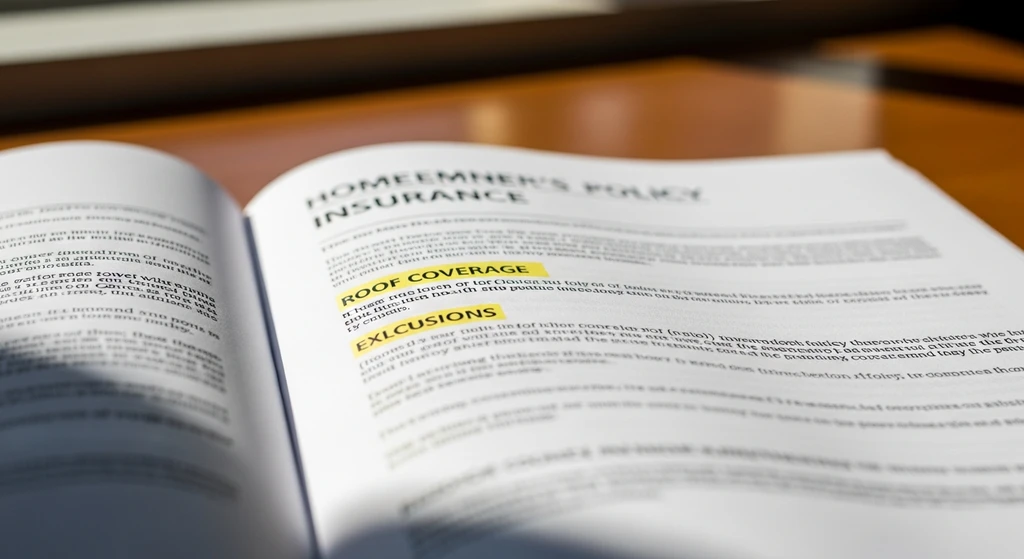
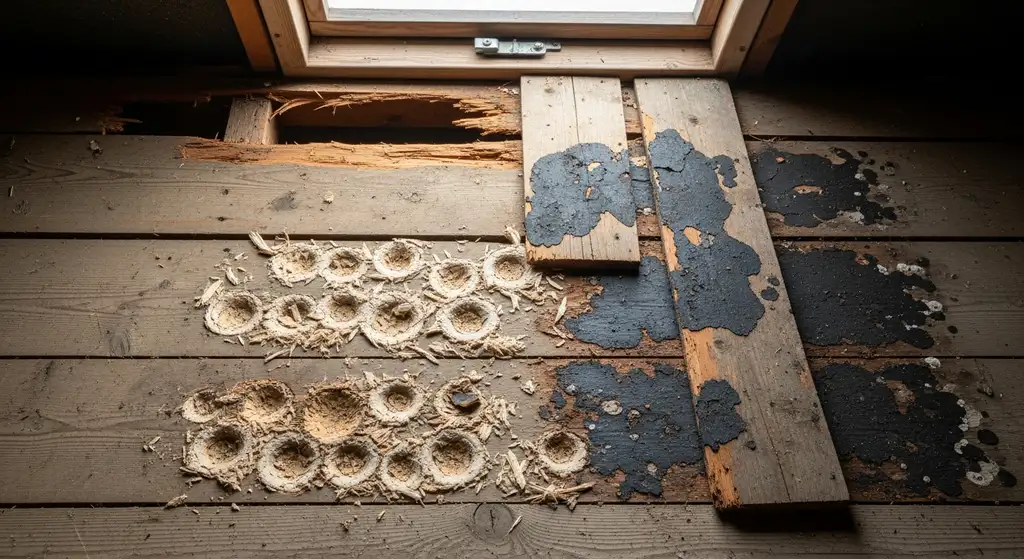
Determining whether your roof decking replacement is covered by insurance depends on the cause of the damage and the specifics of your policy. Damage caused by a covered peril, such as a hailstorm that directly impacts the decking, is typically covered. However, if the decking was already weakened by rot or termite damage before the storm, the insurance company may argue that the storm was not the proximate cause of the damage and deny the claim. Common scenarios where roof decking replacement is not covered include: pre-existing conditions (rot, decay, insect infestation), normal wear and tear, improper installation (e.g., incorrect nailing patterns or spacing), and failure to maintain the roof properly.
Insurance companies may also deny claims if the decking was not up to code at the time of the damage. For example, if your roof was originally built with thinner decking than required by IRC R803.2.1, the insurance company might argue that the decking was already substandard and therefore not fully covered. To ensure coverage, it’s crucial to document the condition of your roof decking before filing a claim. Regular inspections and maintenance can help identify and address potential problems before they lead to a denial.
If you suspect your decking is damaged, contact a qualified roofing contractor for an assessment and provide their report to your insurance company.
Dallas Market Pricing
In Dallas-Fort Worth, expect to pay $[LOW]-$[HIGH] per [unit]. These are current Dallas market prices; costs can be [X]% higher in remote Texas areas and [Y]% lower in rural counties. Prices fluctuate seasonally, with spring storm season driving 20-30% premium.
Gathering Evidence: What You Need to File a Strong Claim
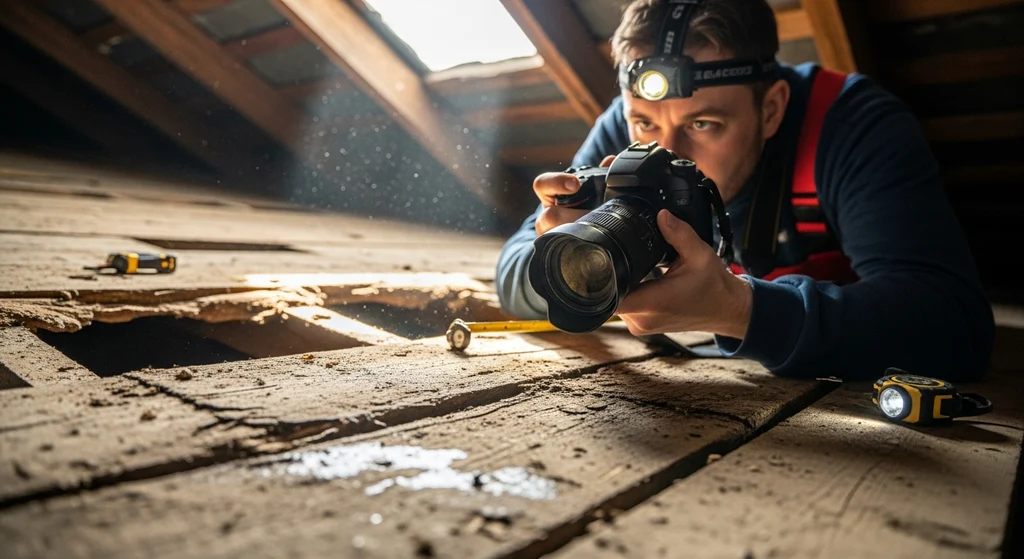
When filing an insurance claim for roof decking replacement, thorough documentation is essential. Start by taking detailed photos and videos of the damage, both from the ground and from inside the attic (if accessible). Capture close-up shots of any cracks, holes, or signs of rot in the decking. Document the date and time the damage occurred, as well as the weather conditions at the time.
Obtain multiple quotes from reputable roofing contractors in the Dallas-Fort Worth area. Make sure the contractors provide detailed estimates that specifically address the roof decking replacement, including the type of materials to be used (e.g., CDX plywood or OSB) and the estimated labor costs. Ensure they note compliance with local building codes and NRCA guidelines. A moisture meter reading should be included to show moisture content levels in the decking.
Finally, gather any relevant documents related to your roof’s history, such as previous inspection reports, repair invoices, or warranty information. If you suspect that the damage was caused by a specific event, such as a hailstorm, obtain weather reports from the National Weather Service to support your claim. Presenting a comprehensive and well-documented claim can significantly increase your chances of approval.
Dallas Market Pricing
In Dallas-Fort Worth, expect to pay $[LOW]-$[HIGH] per [unit]. These are current Dallas market prices; costs can be [X]% higher in remote Texas areas and [Y]% lower in rural counties. Prices fluctuate seasonally, with spring storm season driving 20-30% premium.
Why Insurance Companies Deny Roof Decking Claims
Insurance companies deny roof decking claims for a variety of reasons, often citing policy exclusions or disputing the cause of the damage. One of the most common reasons for denial is pre-existing conditions. If the insurance company believes that the decking was already damaged or deteriorated before the covered event, they may deny the claim, arguing that the damage was not solely caused by the covered peril. This is especially common in older homes in areas like Highland Park, Dallas.
Another frequent reason for denial is improper installation. If the decking was not installed according to manufacturer specifications or local building codes (IRC R803.2.1), the insurance company may argue that the faulty installation contributed to the damage and deny the claim. For example, if the decking was not properly nailed or if the wrong type of fasteners were used, the insurance company may deny coverage. Finally, insurance companies may deny claims if they believe that the damage is due to normal wear and tear or lack of maintenance.
They may argue that the decking simply reached the end of its lifespan and needs to be replaced, which is not a covered peril. To avoid these denials, homeowners should maintain their roofs regularly and address any potential problems promptly.
Dallas Market Pricing
In Dallas-Fort Worth, expect to pay $[LOW]-$[HIGH] per [unit]. These are current Dallas market prices; costs can be [X]% higher in remote Texas areas and [Y]% lower in rural counties. Prices fluctuate seasonally, with spring storm season driving 20-30% premium.
Fighting Back: How to Appeal a Denied Roof Decking Claim in Texas
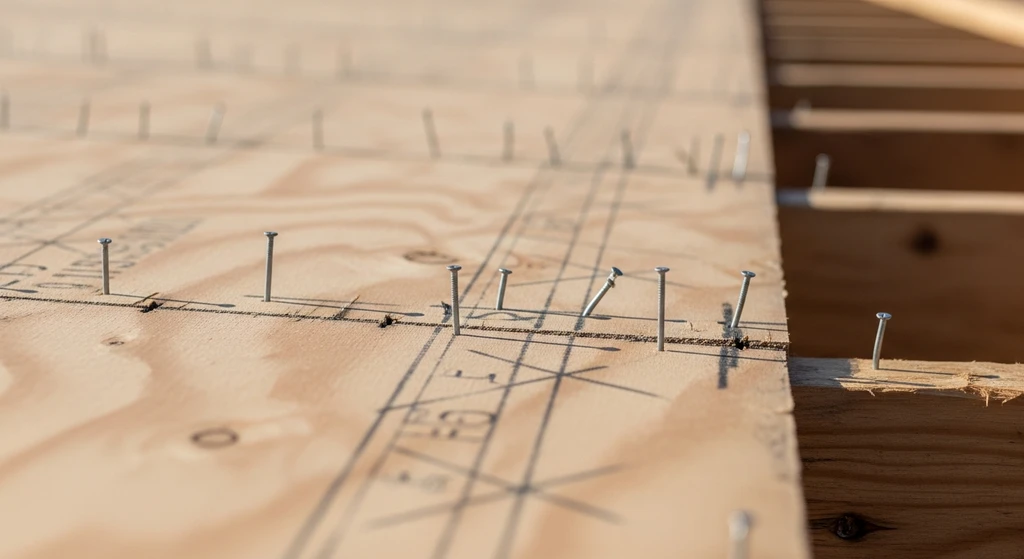
If your roof decking claim is denied, you have the right to appeal the decision. The first step is to carefully review the denial letter and understand the reason for the denial. Then, gather any additional evidence that supports your claim, such as independent inspection reports, expert opinions, or additional photos and videos of the damage. Consult with a qualified roofing contractor or public adjuster to help you build a strong case.
Next, submit a written appeal to your insurance company, clearly stating the reasons why you believe the denial was incorrect. Include all supporting documentation with your appeal. Be sure to keep a copy of your appeal letter and all supporting documents for your records. In Texas, you have a limited time to file an appeal, typically one year from the date of the incident.
If your appeal is denied, you may have the option to file a complaint with the Texas Department of Insurance (TDI) or pursue legal action. Consult with an attorney to understand your legal options and the potential costs and benefits of pursuing litigation. Remember, persistence and a well-documented case are key to successfully appealing a denied insurance claim.
Dallas Market Pricing
In Dallas-Fort Worth, expect to pay $[LOW]-$[HIGH] per [unit]. These are current Dallas market prices; costs can be [X]% higher in remote Texas areas and [Y]% lower in rural counties. Prices fluctuate seasonally, with spring storm season driving 20-30% premium.

Contractor Billing: Ensuring Fair and Transparent Practices
When working with a roofing contractor on an insurance claim, it’s crucial to ensure fair and transparent billing practices. Obtain a detailed estimate that clearly outlines the scope of work, materials to be used, and labor costs. Make sure the estimate includes line items for roof decking replacement, specifying the type of decking (e.g., CDX plywood, OSB) and the quantity needed. Verify the contractor’s compliance with local building codes and NRCA guidelines.
Be wary of contractors who offer to waive your deductible or provide a “free roof.” This is often a sign of insurance fraud and can have serious consequences. In Texas, it is illegal for contractors to pay or rebate your deductible. Instead, look for contractors who are willing to work with your insurance company to ensure that all necessary repairs are covered. Before signing any contract, carefully review the terms and conditions.
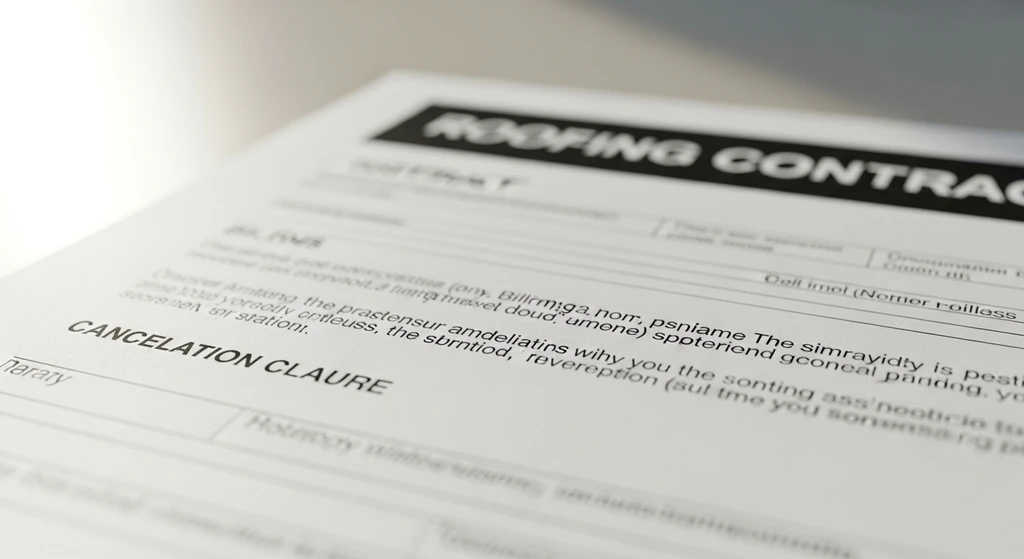
Make sure the contract includes a cancellation clause that allows you to cancel the contract within a certain timeframe if you are not satisfied with the contractor’s services or if your insurance claim is denied. Finally, only pay for work that has been completed to your satisfaction and in accordance with the contract.
Dallas Market Pricing
In Dallas-Fort Worth, expect to pay $[LOW]-$[HIGH] per [unit]. These are current Dallas market prices; costs can be [X]% higher in remote Texas areas and [Y]% lower in rural counties. Prices fluctuate seasonally, with spring storm season driving 20-30% premium.
Texas Insurance Laws: Know Your Rights as a Homeowner
Texas has specific laws that protect homeowners when dealing with insurance companies. The Texas Insurance Code Chapter 542, also known as the Prompt Payment Law, requires insurance companies to promptly investigate and pay or deny claims within a specific timeframe. If the insurance company fails to comply with these timelines, they may be subject to penalties. House Bill 2102, another important Texas law, addresses the issue of assignment of benefits (AOB).
This law restricts contractors from directly billing insurance companies without the homeowner’s consent. It aims to prevent contractors from inflating claims or performing unnecessary work. The Texas Department of Insurance (TDI) is responsible for regulating the insurance industry and investigating consumer complaints. Homeowners in Texas have the right to receive fair and prompt settlement of their insurance claims.
If you believe that your insurance company has acted in bad faith or violated Texas insurance laws, you have the right to file a complaint with the TDI or pursue legal action. Knowing your rights under Texas law can help you navigate the insurance claims process and protect your interests.
Dallas Market Pricing
In Dallas-Fort Worth, expect to pay $[LOW]-$[HIGH] per [unit]. These are current Dallas market prices; costs can be [X]% higher in remote Texas areas and [Y]% lower in rural counties. Prices fluctuate seasonally, with spring storm season driving 20-30% premium.
Roof Decking Code Compliance: Meeting IRC 2021 Standards
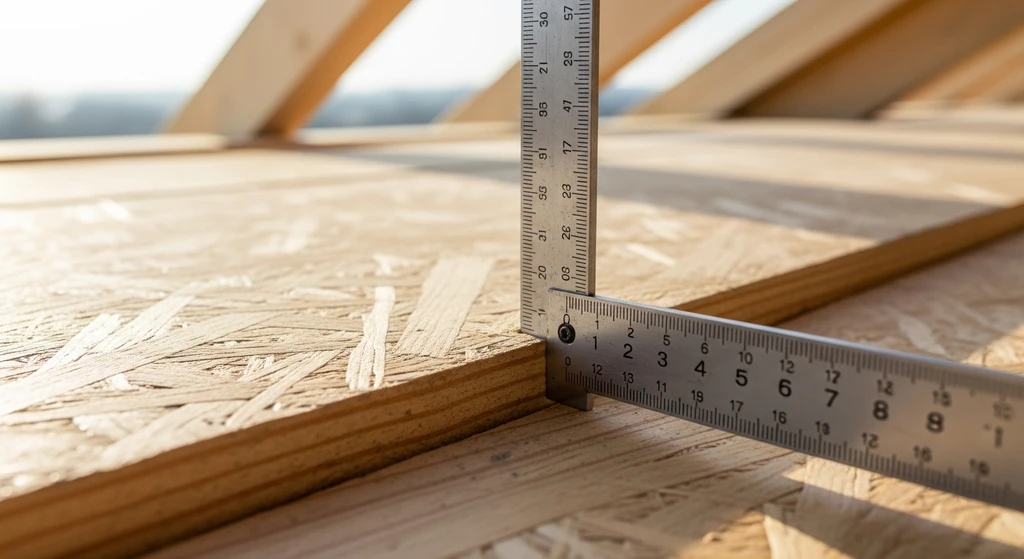
The International Residential Code (IRC) sets minimum standards for roof decking to ensure structural integrity and safety. In Dallas, Texas, the IRC 2021 is currently applicable as of 2026, with some local amendments. IRC R803.2.1 specifies the minimum thickness and spacing requirements for roof sheathing, depending on the type of material used (e.g., CDX plywood, OSB) and the rafter spacing. For example, for rafters spaced 24 inches on center, the IRC R803.2.1 requires a minimum 15/32-inch thickness for plywood sheathing.
Compliance with these codes is essential for obtaining building permits and ensuring that your roof is structurally sound. If your existing roof decking does not meet current IRC standards, you may be required to upgrade it during a roof replacement. This can add to the cost of the project, but it’s necessary to ensure the safety and longevity of your roof. It’s important to work with a qualified roofing contractor who is familiar with local building codes and can ensure that your roof decking meets all applicable requirements.
They can also help you obtain the necessary permits and inspections to ensure code compliance.
Dallas Market Pricing
In Dallas-Fort Worth, expect to pay $[LOW]-$[HIGH] per [unit]. These are current Dallas market prices; costs can be [X]% higher in remote Texas areas and [Y]% lower in rural counties. Prices fluctuate seasonally, with spring storm season driving 20-30% premium.
Assessing Roof Decking Damage: Identifying the Extent of the Problem
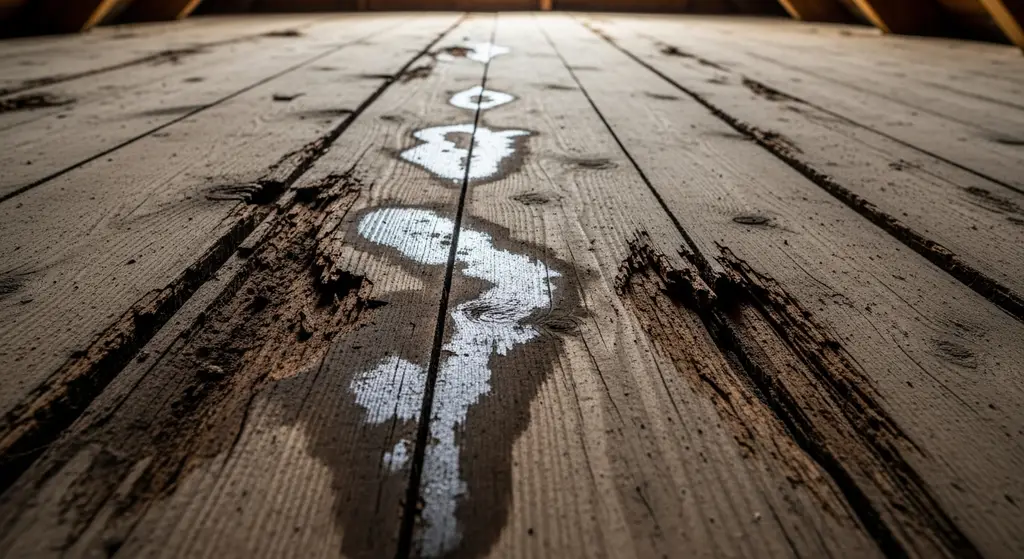
Properly assessing the severity of roof decking damage is crucial for determining the appropriate course of action and filing an accurate insurance claim. The damage can range from minor surface cracks to significant rot and decay that compromises the structural integrity of the roof. A thorough inspection should be conducted by a qualified roofing contractor to identify the extent of the damage and determine whether the decking needs to be repaired or replaced. Look for signs of water damage, such as stains, discoloration, or mold growth on the underside of the decking.
Check for soft spots or areas that feel spongy to the touch, which can indicate rot or decay. Inspect the decking for cracks, holes, or delamination, which can weaken the structure. In areas prone to hail, like Dallas-Fort Worth, carefully examine the decking for impact marks or punctures. The contractor should provide a detailed report that outlines the extent of the damage, the recommended repairs or replacements, and the estimated cost of the work.
This report will be essential for supporting your insurance claim and ensuring that you receive fair compensation for the necessary repairs.
Dallas Market Pricing
In Dallas-Fort Worth, expect to pay $[LOW]-$[HIGH] per [unit]. These are current Dallas market prices; costs can be [X]% higher in remote Texas areas and [Y]% lower in rural counties. Prices fluctuate seasonally, with spring storm season driving 20-30% premium.
What Contractors Hide: Avoiding Scams and Hidden Costs
Unfortunately, some roofing contractors engage in unethical practices that can cost homeowners money and compromise the quality of their roof. One common tactic is to inflate the cost of materials, marking them up by as much as 25-40%. Another is to cut corners on the installation, such as reusing old flashing or skipping the installation of ice and water shield in critical areas. These shortcuts can lead to leaks and other problems down the road.
Some contractors may also try to pressure homeowners into signing contracts before they have had a chance to fully review them or obtain multiple quotes. They may use high-pressure sales tactics or offer incentives that seem too good to be true. Be especially wary of contractors who offer to waive your deductible, as this is often a sign of insurance fraud. To protect yourself, always obtain multiple quotes from reputable roofing contractors, check their references and licensing (Texas Department of Licensing and Regulation (TDLR) license verification), and carefully review the contract before signing.
Don’t be afraid to ask questions and negotiate the terms of the contract. Remember, a little due diligence can save you a lot of money and headaches in the long run.
Dallas Market Pricing
In Dallas-Fort Worth, expect to pay $[LOW]-$[HIGH] per [unit]. These are current Dallas market prices; costs can be [X]% higher in remote Texas areas and [Y]% lower in rural counties. Prices fluctuate seasonally, with spring storm season driving 20-30% premium.

External Authoritative Resources
These industry-standard references support the information in this guide:
Building Codes
International Residential Code (IRC 2021)
Official building code for residential construction
ICC Code Adoption Map
Find which IRC version your state uses
Safety & Regulations
Industry Standards
Frequently Asked Questions
What is roof decking and why is it important?
Roof decking, also known as roof sheathing, is the structural base of your roof, typically made of plywood or OSB. It provides a surface for attaching roofing materials like asphalt shingles and is crucial for the roof’s overall stability and wind resistance, conforming to ASTM standards.
What are common signs of roof decking damage?
Common signs include water stains in the attic, sagging or buckling roof surfaces, and visible rot or decay in the decking material. Regular inspections can help identify these issues early, preventing further damage and potential insurance claim denials.
What should I do if my insurance company denies my roof decking claim?
Carefully review the denial letter, gather additional evidence to support your claim, and file an appeal with your insurance company. Consulting with a public adjuster or attorney may be beneficial in navigating the appeals process in accordance with Texas Insurance Code.
Does homeowners insurance cover roof decking replacement?
Coverage depends on your policy and the cause of the damage. Damage from covered perils like wind or hail is typically covered, but pre-existing conditions, wear and tear, or improper installation may be excluded, impacting coverage under FEMA guidelines.
How much does it cost to replace roof decking in Dallas?
In Dallas-Fort Worth, expect to pay $4-$8 per square foot for roof decking replacement, depending on the material used and the complexity of the job. Prices can fluctuate based on seasonal demand and contractor availability, especially after storm events.
What are the building code requirements for roof decking in Texas?
Texas follows the International Residential Code (IRC), which sets minimum standards for roof decking thickness and installation. IRC R803.2.1 specifies the requirements for different materials and rafter spacing, ensuring structural integrity and compliance with local building codes.
How can I prevent roof decking damage?
Regular roof inspections, proper ventilation to prevent moisture buildup, and prompt repairs of any leaks or damage can help prevent roof decking damage and extend the lifespan of your roof. Ensure compliance with NRCA guidelines for roof maintenance.
Final Thoughts
Dealing with a denied insurance claim for roof decking replacement can be a stressful experience, but understanding your policy, documenting the damage, and knowing your rights under Texas law can empower you to navigate the process effectively. Don’t hesitate to seek professional help from qualified roofing contractors, public adjusters, or attorneys to protect your interests. Remember, persistence and a well-documented case are key to achieving a favorable outcome. FIELD NOTE: I recently assisted a homeowner in Frisco, Texas, whose insurance company initially denied their claim for roof decking replacement due to alleged pre-existing conditions.
After conducting an independent inspection and providing a detailed report that refuted the insurance company’s claims, we were able to successfully appeal the decision and secure full coverage for the necessary repairs. By following these steps, you can increase your chances of a successful outcome.
