
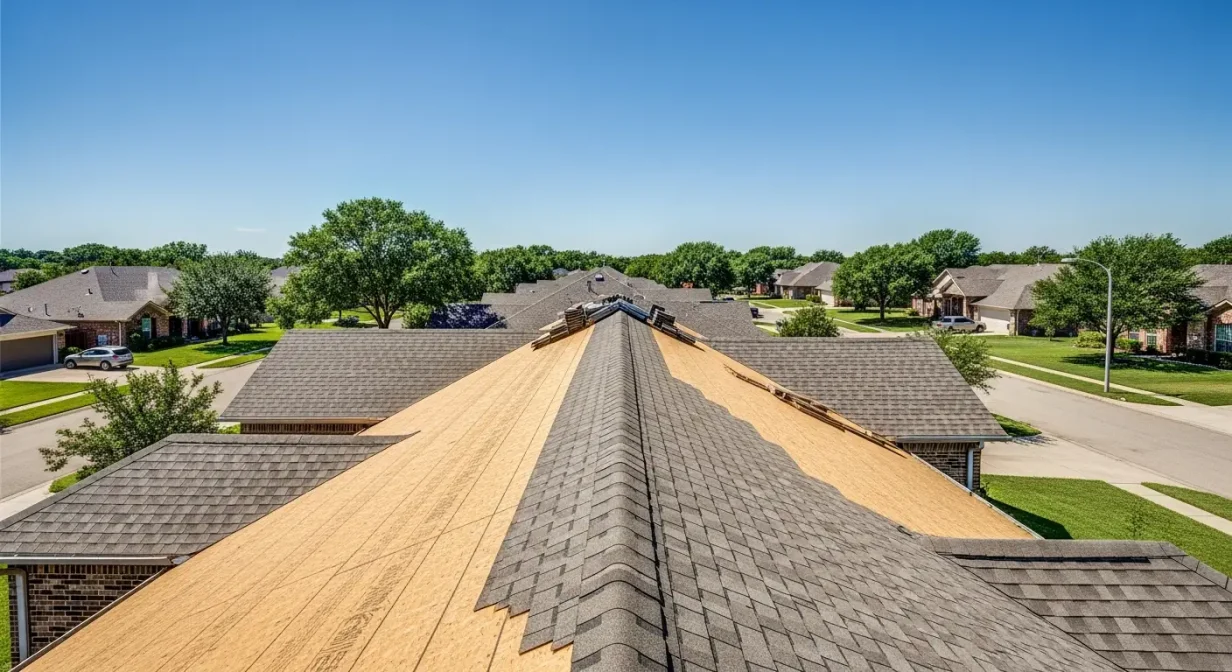
Contractor’s Bottom Line
Oriented strand board (OSB) is a common roof decking material, offering a cost-effective alternative to plywood. However, its performance in Dallas-Fort Worth’s extreme heat and humidity requires careful consideration. Proper installation according to IRC R803.2.1, including adequate ventilation, is crucial to prevent moisture damage and ensure longevity. While OSB can save on upfront material costs, neglecting proper installation can lead to premature failure and repairs costing thousands. Consider professional installation to adhere to NRCA guidelines.
Key Takeaways
- OSB is a cost-effective roof decking material but requires careful consideration in humid climates like Dallas.
- Proper installation, including adequate ventilation, is crucial to prevent moisture damage and ensure longevity, according to IRC R803.2.1.
- In Dallas-Fort Worth, OSB’s performance is affected by extreme heat and humidity cycles, potentially leading to premature degradation.
- Adhering to ASTM standards for OSB and following NRCA guidelines for installation are essential for a durable roof.
Oriented strand board (OSB) is a widely used material in residential and commercial construction, particularly for roof decking. It offers a balance of affordability and structural performance, making it a popular choice for builders and homeowners alike. Understanding its composition, properties, and proper installation techniques is crucial for ensuring a long-lasting and reliable roof. The International Code Council (ICC) provides guidelines for roof sheathing materials in the International Residential Code (IRC), which is adopted and amended by local jurisdictions.
In Dallas, where we experience intense heat, humidity, and occasional hailstorms, the choice of roof decking material is even more critical. OSB’s susceptibility to moisture absorption necessitates careful attention to ventilation and weatherproofing. Failing to do so can lead to costly repairs and premature roof failure. FIELD NOTE: Last year, I inspected a home in Plano where improper OSB installation led to significant water damage and a $10,000 repair bill.
It’s these real-world experiences that underscore the importance of informed decision-making. We always recommend consulting with the National Roofing Contractors Association (NRCA) guidelines for best practices. This guide provides a comprehensive overview of OSB roof decking, covering its composition, manufacturing, performance, and installation considerations. We’ll delve into the applicable ASTM standards, discuss its suitability for the Dallas climate, and offer practical advice for homeowners and contractors alike.
By understanding the nuances of OSB, you can make informed decisions and ensure the longevity and integrity of your roof.
Understanding OSB: Composition and Manufacturing
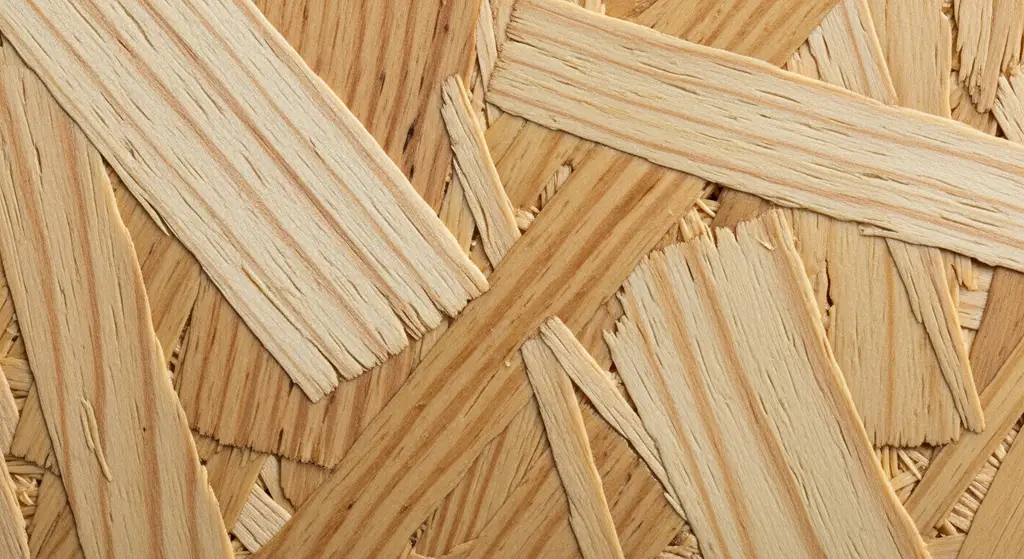
Oriented strand board (OSB) is an engineered wood product formed by layering strands of wood, oriented in specific directions, and bonded together with adhesives under heat and pressure. These adhesives are typically resins, such as phenol-formaldehyde or methylene diphenyl diisocyanate (MDI), which provide moisture resistance and structural integrity. The orientation of the wood strands contributes to OSB’s strength and stiffness, making it suitable for structural applications like roof decking. The manufacturing process involves selecting suitable wood species, typically fast-growing softwoods like aspen or pine.
The logs are debarked and then processed into strands of specific dimensions. These strands are then dried, sorted, and coated with adhesive. The coated strands are arranged in layers, with the outer layers oriented parallel to the long axis of the panel, providing strength along that direction. The panels are then pressed under high heat and pressure to cure the adhesive and bond the strands together.
ASTM International sets standards for OSB, including ASTM D1037 for evaluating the properties of wood-based fiber and particle panel materials.
Field Note from Experience
I’ve seen lower-quality OSB panels delaminate after only a few years due to poor adhesive quality, especially in attics with poor ventilation. Always verify the material meets ASTM standards.
The OSB Manufacturing Process: A Step-by-Step Overview
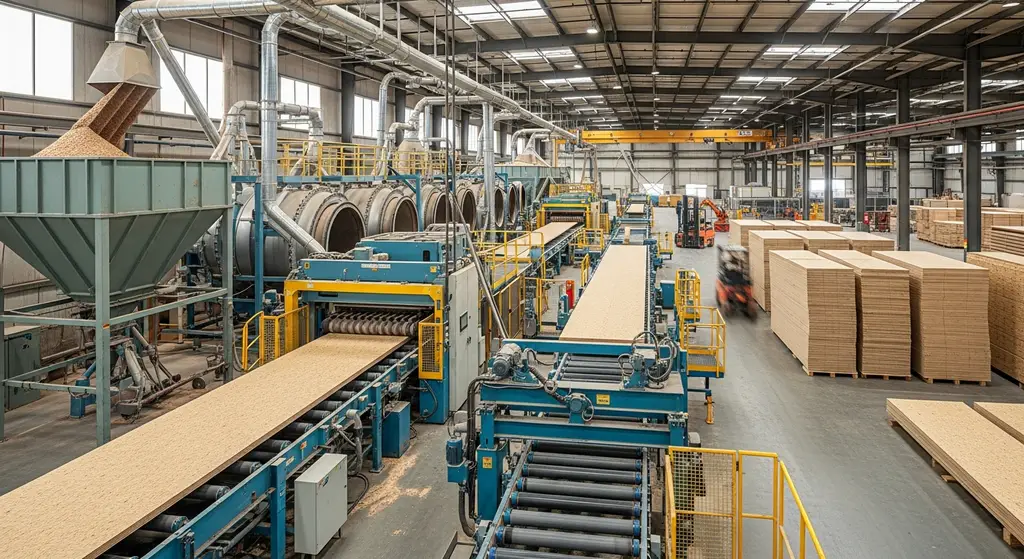
The OSB manufacturing process begins with harvesting and preparing wood strands. Logs are debarked and fed into stranders, which produce long, thin strands of wood. These strands are then dried to a specific moisture content to ensure proper bonding with the adhesive. After drying, the strands are sorted and mixed with resin adhesives.
Next, the strands are oriented into mats, with the surface layers aligned in the long direction of the panel and the core layers aligned perpendicularly. This cross-lamination provides OSB with its characteristic strength and stiffness. The mats are then pressed under high heat and pressure, which activates the adhesive and bonds the strands together. Finally, the panels are cooled, trimmed to size, and graded according to quality standards set by organizations like APA – The Engineered Wood Association.
NRCA provides guidelines for proper handling and storage of OSB at the job site to prevent moisture damage.
Field Note from Experience
I visited an OSB plant in East Texas. Seeing the precision of the manufacturing process gave me a better appreciation for the engineering behind this material.
A Brief History of OSB in Construction
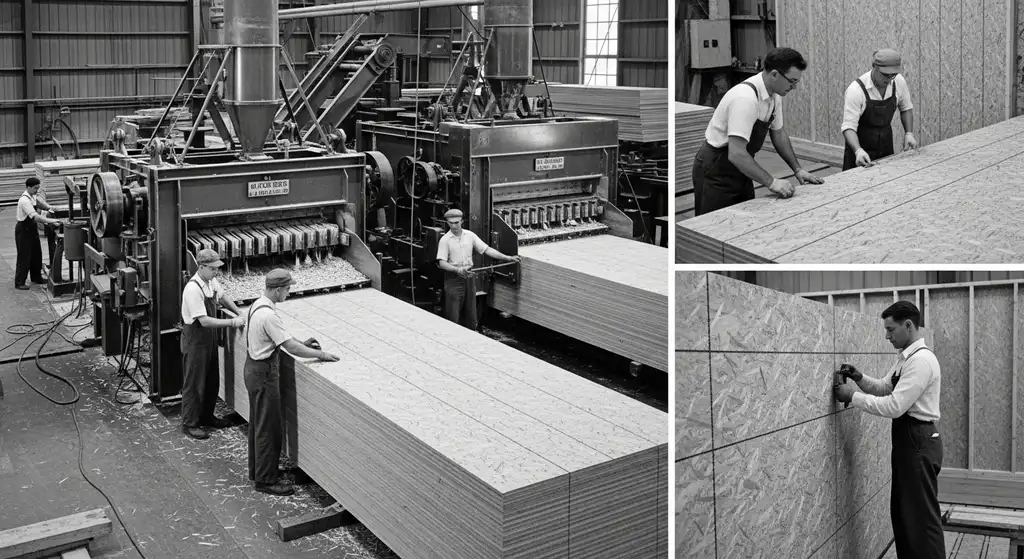
Oriented strand board (OSB) emerged as a construction material in the late 20th century as an alternative to plywood. Its development was driven by the need for a more efficient and cost-effective way to utilize wood resources. Plywood production relied on large, clear-grained logs, which were becoming increasingly scarce. OSB, on the other hand, could be manufactured from smaller, faster-growing trees.
Over time, OSB’s manufacturing processes and adhesive technologies have improved significantly, resulting in enhanced strength, durability, and moisture resistance. Today, OSB is a widely accepted and commonly used material for roof decking, wall sheathing, and flooring in both residential and commercial construction. The International Code Council (ICC) recognizes OSB as a suitable material for structural applications, provided it meets the requirements of the International Residential Code (IRC).
Field Note from Experience
I remember when OSB first started gaining popularity. Many builders were skeptical, but its affordability and improved performance eventually won them over.
When is OSB the Right Choice for Roof Decking?
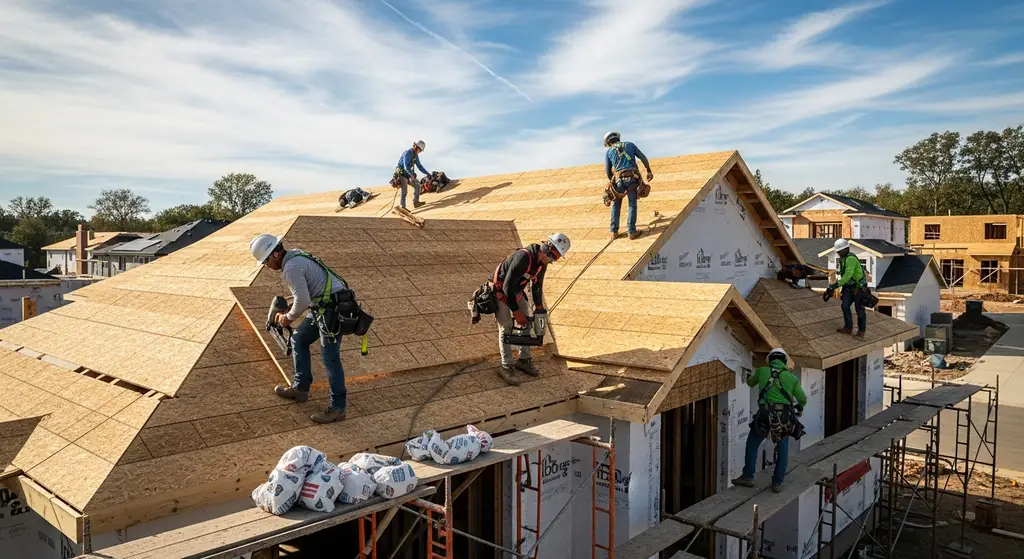
OSB is a suitable choice for roof decking in several scenarios. It is particularly well-suited for projects where cost is a primary concern, as OSB is generally less expensive than plywood. OSB is also a good option for roofs with simple geometries and moderate slopes, where the risk of water ponding is minimal. In regions with relatively dry climates, OSB can perform well as long as it is properly installed and protected from moisture.
When selecting OSB for roof decking, it is important to choose a grade that is appropriate for the intended application. Look for OSB panels that are APA-rated and meet the requirements of the International Residential Code (IRC). Ensure that the panels are properly fastened to the roof framing and that all seams are sealed to prevent water intrusion. Synthetic underlayment meeting ASTM D226 Type II standards with 180-day UV exposure rating should be used to protect the OSB from weather exposure prior to shingle installation.
Proper attic ventilation is also crucial to prevent moisture buildup and maintain the integrity of the OSB decking.
Field Note from Experience
I’ve seen OSB perform well in new construction where the builder followed all the best practices for installation and ventilation. It really comes down to doing it right.
When OSB Fails: Incompatible Applications and Common Problems
OSB is not suitable for all roof decking applications. In areas with high humidity or frequent rainfall, OSB can be prone to moisture absorption, leading to swelling, delamination, and decay. Roofs with complex geometries or low slopes are also not ideal for OSB, as they are more likely to experience water ponding. Additionally, OSB should not be used in situations where it will be exposed to prolonged periods of direct sunlight or extreme temperatures.
Common problems associated with OSB roof decking include water damage, mold growth, and structural failure. These problems can be exacerbated by improper installation, inadequate ventilation, and the use of low-quality OSB panels. In Dallas-Fort Worth, the combination of high humidity and extreme heat can accelerate the degradation of OSB if it is not properly protected. FIELD NOTE: I inspected a home in Garland where the OSB roof decking had completely deteriorated due to water damage, resulting in a $15,000 replacement cost.

Field Note from Experience
I helped a family in Dallas-Fort Worth whose insurance claim was denied because the water damage was deemed to be caused by improper maintenance, not a covered peril.
OSB in the Dallas Climate: Challenges and Considerations
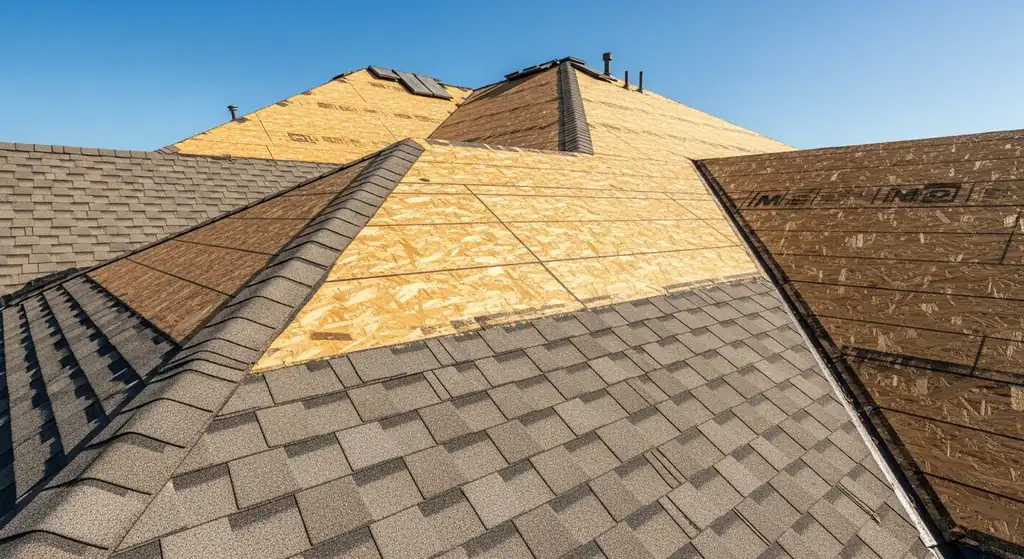
The Dallas-Fort Worth area presents unique challenges for OSB roof decking due to its hot, humid summers and occasional severe weather events. The extreme heat can cause OSB to expand and contract, leading to stress and potential cracking. The high humidity can promote moisture absorption, which can weaken the OSB and create a breeding ground for mold and mildew. Additionally, hailstorms, which are common in North Texas, can damage OSB and compromise its structural integrity.
To mitigate these risks, it is essential to take extra precautions when using OSB for roof decking in Dallas. Ensure that the OSB panels are properly sealed and protected from moisture. Provide adequate attic ventilation to reduce humidity levels. Consider using a thicker grade of OSB to improve its resistance to hail damage.
It’s also crucial to ensure proper installation following NRCA guidelines. Finally, regular roof inspections are essential to identify and address any potential problems early on.
Field Note from Experience
I’ve seen OSB fail in Texas heat because of thermal expansion. Using thicker panels and proper ventilation can help mitigate this.
ASTM Standards for OSB Roof Decking: Ensuring Quality and Performance
Several ASTM standards are relevant to OSB roof decking, ensuring quality and performance. ASTM D1037 covers the standard test methods for evaluating the properties of wood-based fiber and particle panel materials, including OSB. This standard outlines procedures for measuring strength, stiffness, and dimensional stability. ASTM D3043 pertains to the testing of plywood in flexure, which can provide insights into the structural behavior of OSB as well.
ASTM D226 and ASTM D4869 cover asphalt-saturated organic felt and asphalt-saturated nonorganic felt underlayment used to protect OSB roof decking from moisture. These standards specify the minimum performance requirements for these materials, ensuring that they provide adequate protection for the OSB. Adhering to these ASTM standards is crucial for ensuring the longevity and reliability of OSB roof decking. Additionally, ASTM D1761 outlines testing methods for mechanical fasteners in wood, which is relevant for ensuring proper attachment of OSB to roof framing.
Field Note from Experience
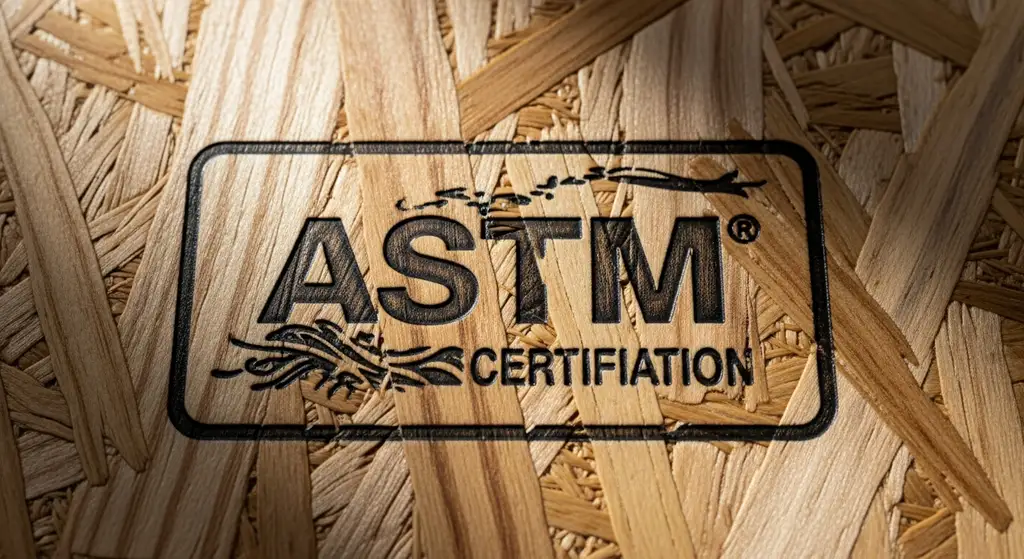
Always check for the ASTM stamp on OSB panels to ensure they meet the required standards. I’ve seen panels without the stamp fail prematurely.
Thermal and Structural Properties of OSB
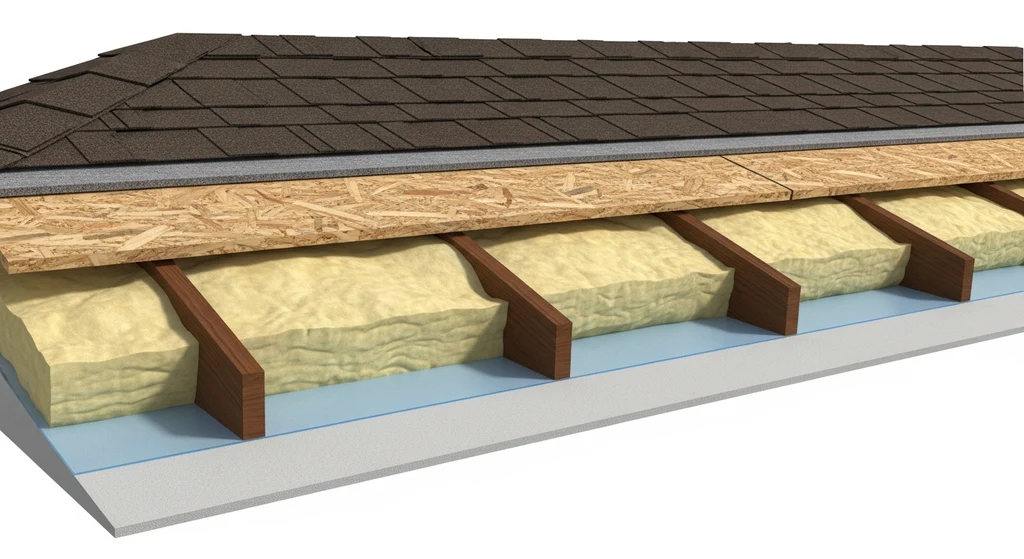
OSB possesses specific thermal and structural properties that influence its performance as roof decking. Its R-value, a measure of thermal resistance, is relatively low compared to insulation materials, meaning it doesn’t provide significant insulation on its own. However, it contributes to the overall thermal performance of the roof assembly when combined with insulation. Structurally, OSB exhibits good shear strength and bending stiffness, making it capable of withstanding typical roof loads.
The specific thermal and structural properties of OSB vary depending on its thickness, density, and manufacturing process. Thicker OSB panels generally have higher R-values and greater structural capacity. It’s important to consult manufacturer’s specifications for detailed information on the thermal and structural properties of specific OSB products. Always consider the NRCA recommendations for proper roof ventilation to mitigate thermal bridging and moisture issues.
Field Note from Experience
I’ve seen homes where inadequate insulation combined with OSB decking resulted in high energy bills. Proper insulation is key to maximizing energy efficiency.
Installing OSB Roof Decking: A Step-by-Step Guide
Installing OSB roof decking involves several key steps. First, ensure that the roof framing is properly aligned and level. Then, cut the OSB panels to the required size and shape, taking care to minimize waste. Next, apply adhesive to the top of the roof framing members.
Position the OSB panels onto the framing, ensuring that they are properly aligned and spaced. Fasten the OSB panels to the framing using nails or screws, following the manufacturer’s recommendations for fastener type, spacing, and penetration depth. Ensure that all seams are properly sealed to prevent water intrusion. Finally, install roofing underlayment over the OSB decking to provide additional protection from the elements.
IRC 2021, section R803.2.1 specifies minimum thickness requirements for roof sheathing based on rafter spacing. For example, IRC R803.2.1 requires minimum 15/32-inch thickness for roof sheathing when rafters are spaced 24 inches on center. Always consult local building codes and NRCA guidelines for specific installation requirements.

Field Note from Experience
On a project in Dallas, I discovered an installation error where the previous contractor used the wrong nail spacing. This could have led to structural problems down the line.
External Authoritative Resources
These industry-standard references support the information in this guide:
Building Codes
Frequently Asked Questions
Is OSB a good choice for roof decking in Dallas?
OSB can be a viable option in Dallas if properly installed and ventilated to mitigate moisture absorption. Consider the climate and potential for hail damage when making your decision. NRCA guidelines offer best practices.
How thick should OSB roof decking be?
The required thickness depends on the rafter spacing, but IRC R803.2.1 typically requires a minimum of 15/32-inch for rafters spaced 24 inches on center. Always consult local building codes.
What are the signs of OSB roof decking failure?
Signs include water stains, swelling, delamination, mold growth, and sagging. These indicate moisture damage and potential structural issues. Regular inspections can help catch these early.
How can I protect OSB roof decking from moisture?
Use roofing underlayment, ensure proper attic ventilation, and seal all seams to prevent water intrusion. Synthetic underlayment is preferable to felt underlayment for its durability.
Does OSB roof decking require any special maintenance?
Regular roof inspections and prompt repairs of any leaks or damage are essential. Keep gutters clean to prevent water buildup. Seasonal maintenance is key.
What is the cost of OSB roof decking compared to plywood?
OSB is generally less expensive than plywood, but the exact cost varies depending on the grade, thickness, and market conditions. In Dallas-Fort Worth, expect to pay slightly less per sheet for OSB compared to CDX plywood.
Final Thoughts
Oriented strand board (OSB) offers a cost-effective solution for roof decking, but its performance in demanding climates like Dallas-Fort Worth requires careful consideration. Understanding its composition, properties, and proper installation techniques is crucial for ensuring a long-lasting and reliable roof. By adhering to ASTM standards, following NRCA guidelines, and implementing appropriate moisture control strategies, homeowners and contractors can maximize the benefits of OSB while minimizing the risks. FIELD NOTE: Last month, a Dallas homeowner called me after a contractor installed OSB without proper sealing, resulting in significant water damage during a heavy rainstorm.
The homeowner faced a $5,000 repair bill. Don’t let this happen to you! If you’re considering OSB for your roof, consult with a qualified roofing professional to ensure proper installation and long-term performance. Remember to verify their TDLR license and insurance.
