
Contractor’s Bottom Line
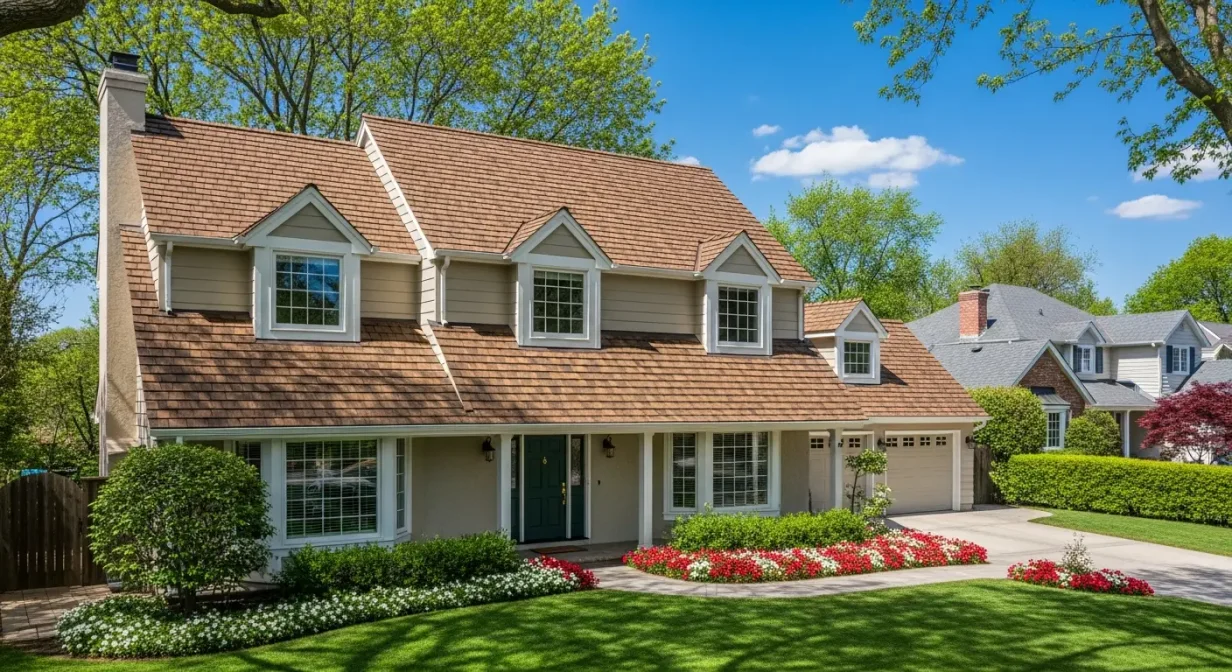
Choosing between laminate (architectural) and fiberglass (3-tab) shingles depends on budget, aesthetic preferences, and desired lifespan. Laminate shingles, while more expensive (expect $4.50-$7.00 per square foot installed in Dallas), offer greater durability and visual appeal. Fiberglass shingles, costing $3.00-$5.00 per square foot installed, are a budget-friendly option. Both must meet ASTM D3043 standards. Consider wind uplift requirements per IRC R905 based on your location. Improper installation voids warranties and can lead to premature failure. Always verify contractor licensing with the Texas Department of Licensing and Regulation (TDLR).
Key Takeaways
- Laminate shingles (architectural shingles) offer superior wind resistance and a longer lifespan compared to fiberglass shingles, often exceeding 30 years.
- Fiberglass shingles are more budget-friendly upfront, but their shorter lifespan may result in higher long-term costs due to more frequent replacements. Expect to pay $3.00 – $5.00 per square foot installed in Dallas.
- Proper installation is crucial for both types of shingles to prevent leaks and ensure warranty coverage. Follow NRCA guidelines for fastening and overlap.
- Consider the aesthetic appeal of each shingle type, as laminate shingles offer a wider variety of colors and styles.
Selecting the right roofing material is a critical decision for any homeowner in the Dallas-Fort Worth area. Asphalt shingles are a popular choice, and within that category, laminate and fiberglass shingles are two common options. Understanding the differences between these materials is essential for making an informed decision that aligns with your budget, aesthetic preferences, and long-term needs. Fiberglass shingles, often called 3-tab shingles, are the traditional, cost-effective choice.
Laminate shingles, also known as architectural or dimensional shingles, offer a more premium look and enhanced durability. In my 8+ years as a construction consultant in Dallas, I have seen countless homeowners struggle with this decision. Choosing the wrong shingle can lead to premature failure, leaks, and costly repairs. NRCA provides detailed guidelines for shingle selection and installation to help prevent these issues.
This guide dives into the specifics of each type to help you make the best choice for your home.
Key Differences Between Laminate and Fiberglass Shingles
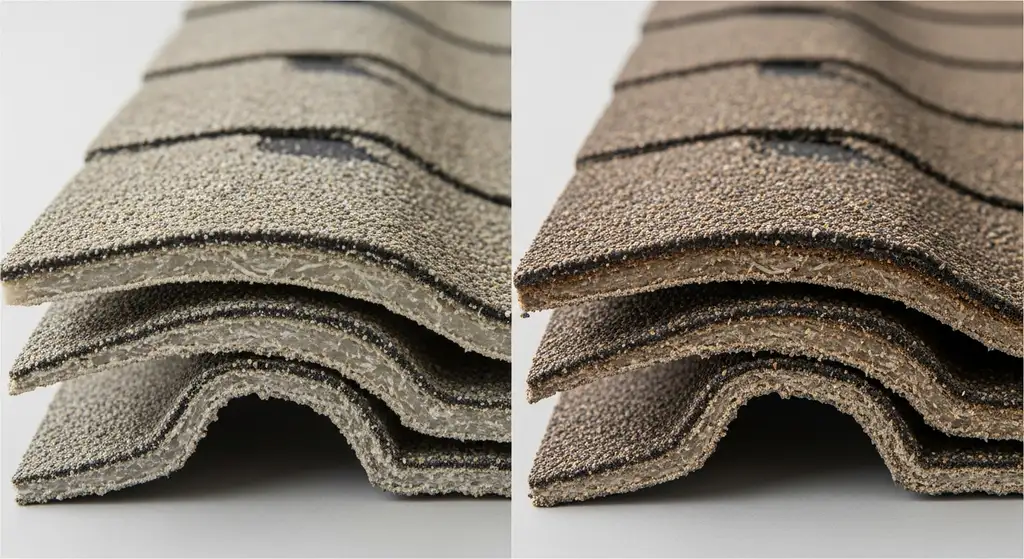
The primary difference lies in their construction. Fiberglass shingles consist of a fiberglass mat coated with asphalt and granules. Laminate shingles, on the other hand, have multiple layers of asphalt laminated together, creating a thicker, more dimensional appearance. This layered construction provides enhanced durability and wind resistance compared to traditional fiberglass shingles.
Fiberglass shingles are generally lighter and thinner, making them easier to install. However, this also makes them more susceptible to damage from hail and strong winds, common occurrences in North Texas. Laminate shingles, with their added thickness and weight, offer better protection against these elements. Both types must adhere to ASTM D3043 standards for asphalt shingles.
Field Note from Experience
Working on Texas roofing projects, I have noticed that laminate shingles hold up better against the frequent hail storms we experience in the DFW Metroplex.
Laminate vs. Fiberglass Shingles: A Head-to-Head Comparison
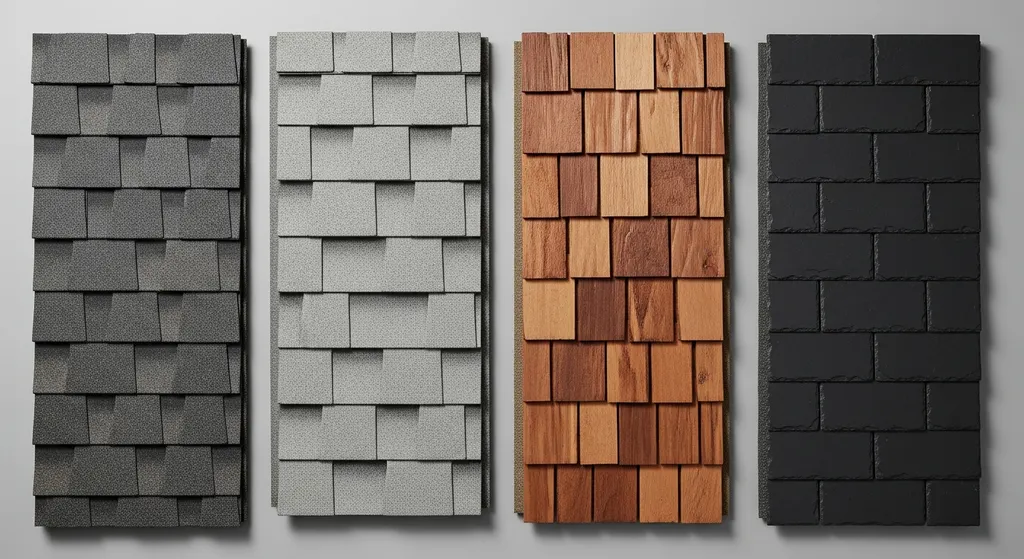
Here’s a detailed comparison highlighting the key specifications of laminate and fiberglass shingles, helping you understand their strengths and weaknesses.
| Feature | Fiberglass Shingles (3-Tab) | Laminate Shingles (Architectural) |
|---|---|---|
| Lifespan | 15-25 years | 20-30+ years |
| Wind Resistance | 60-80 mph | 110-130 mph |
| Cost (Installed – Dallas) | $3.00 – $5.00 per sq ft | $4.50 – $7.00 per sq ft |
| Weight | Lighter | Heavier |
| Appearance | Flat, uniform | Dimensional, varied |
| Warranty | 20-25 years | 30-50 years |
| Hail Resistance | Lower | Higher |
| Code Compliance | Meets IRC R905 | Meets IRC R905 |
Real-World Performance and Durability
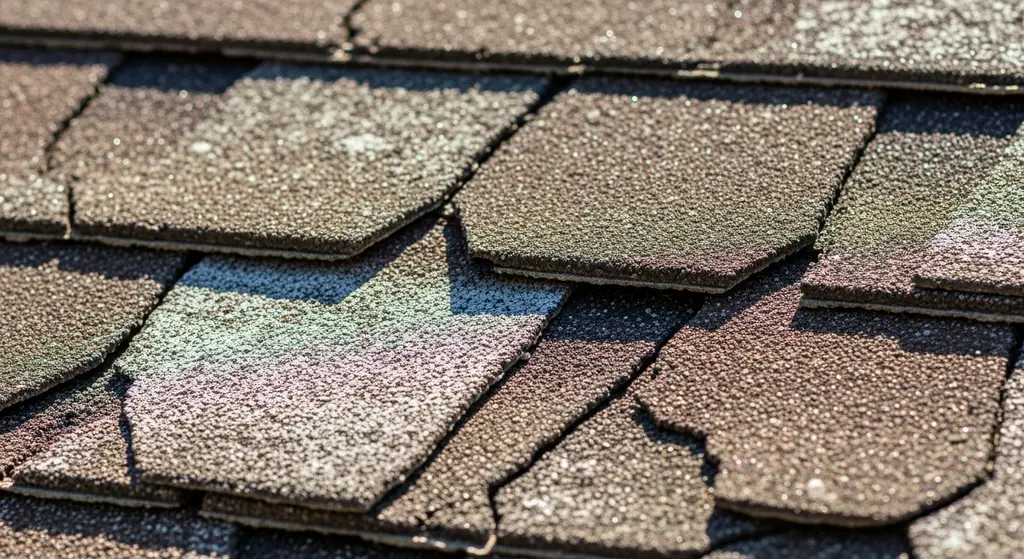
In the harsh Texas climate, roofing materials face extreme heat, intense UV exposure, and the potential for hail storms. Laminate shingles generally outperform fiberglass shingles in these conditions due to their thicker construction and greater resistance to impact and thermal expansion. This translates to fewer repairs and a longer lifespan, especially in areas prone to severe weather. Fiberglass shingles can become brittle and crack over time due to prolonged exposure to the sun.
Laminate shingles, with their multiple layers, are less susceptible to this type of degradation. Proper attic ventilation, as recommended by the NRCA, can help mitigate the effects of heat and moisture on both types of shingles.
Field Note from Experience
After inspecting dozens of Dallas-area roofs, I found that laminate shingles consistently show less wear and tear after 10-15 years compared to fiberglass shingles, particularly on south-facing slopes.
Longevity and Expected Lifespan
The expected lifespan is a crucial factor when choosing roofing materials. Fiberglass shingles typically last 15-25 years, while laminate shingles can last 20-30 years or more. This difference in longevity can significantly impact the total cost of ownership over time. A roof replacement is a major expense, so choosing a longer-lasting material can save you money in the long run.
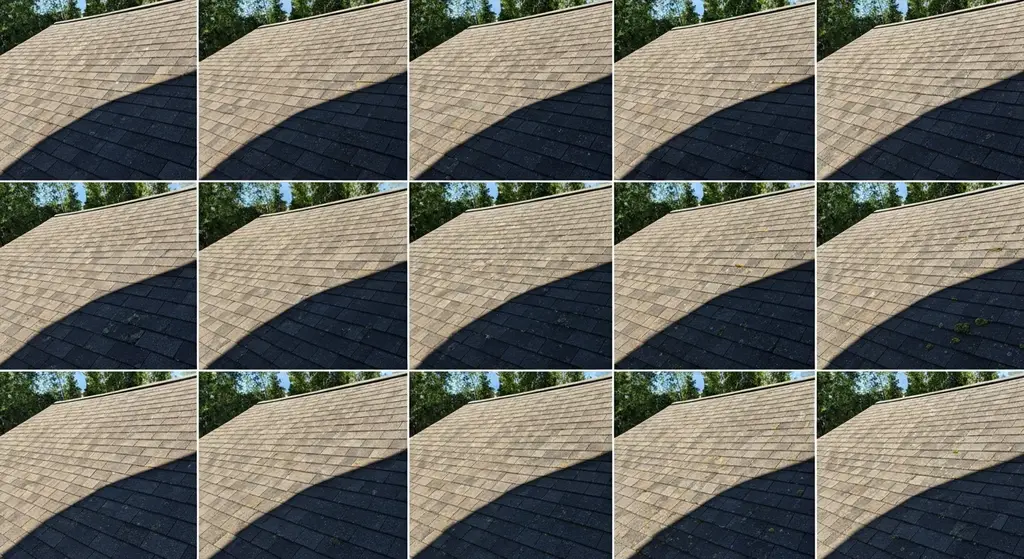
Factors that affect shingle lifespan include the quality of the materials, the installation method, and the climate. In Dallas-Fort Worth, extreme heat cycles can accelerate the degradation of roofing materials. Proper maintenance, such as cleaning debris and inspecting for damage, can help extend the lifespan of both types of shingles.
Field Note from Experience
Many Dallas homeowners do not realize that inadequate attic ventilation can significantly shorten the lifespan of their shingles, regardless of the material. I’ve seen roofs fail prematurely due to this issue.
Warranty Coverage and Considerations
Both fiberglass and laminate shingles come with warranties, but the terms and coverage can vary significantly. Fiberglass shingles typically have a 20-25 year warranty, while laminate shingles often have a 30-50 year warranty. It’s essential to read the fine print and understand what is covered and what is excluded. Warranties often cover manufacturing defects but may not cover damage from hail, wind, or improper installation.
To ensure your warranty remains valid, it’s crucial to hire a licensed and insured contractor who follows the manufacturer’s installation guidelines. Improper nailing patterns or inadequate underlayment can void the warranty. Always keep records of your installation and any maintenance performed on your roof.

Field Note from Experience
In my experience, many homeowners fail to properly register their shingle warranties, which can create problems if they need to file a claim later. It’s a simple step that can save you headaches down the road.
Installation Complexity and Requirements
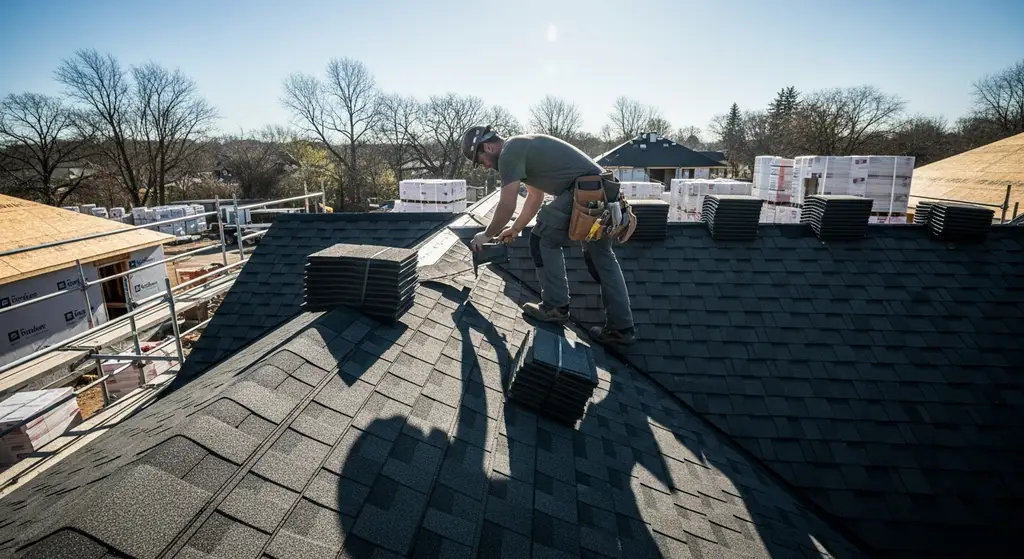
While both types of shingles can be installed by experienced roofing contractors, there are some differences in the installation process. Fiberglass shingles are lighter and easier to handle, making the installation process generally faster and less labor-intensive. Laminate shingles, being heavier and thicker, require more precision and attention to detail during installation. Proper installation is crucial for both types of shingles to prevent leaks and ensure warranty coverage.
This includes using the correct nailing patterns, ensuring adequate overlap, and properly flashing around chimneys, vents, and other roof penetrations. Refer to the NRCA Roofing Manual for detailed installation guidelines. According to the International Code Council (ICC), all installations must comply with the IRC 2021, currently applicable in Dallas as of 2026, and any local amendments.
Field Note from Experience
I have seen many roofs fail prematurely due to improper installation, costing homeowners thousands of dollars in repairs. Always hire a qualified contractor with a proven track record.
Pros and Cons: Laminate vs. Fiberglass Shingles
Here’s a summary of the pros and cons of each type of shingle to help you weigh your options:.
Advantages
- Laminate Shingles: Enhanced durability and longer lifespan
- Laminate Shingles: More visually appealing with dimensional appearance
- Laminate Shingles: Higher wind resistance (up to 130 mph)
- Laminate Shingles: Increased hail resistance
Disadvantages
- Laminate Shingles: Higher upfront cost
- Laminate Shingles: More complex installation
- Fiberglass Shingles: Lower upfront cost
- Fiberglass Shingles: Lighter weight, easier installation
Field Note from Experience
After inspecting roofs in Dallas, I’ve noticed homeowners often regret choosing the cheaper option if they experience frequent hail damage. The long-term costs can outweigh the initial savings.
Which Shingle Type is Right for You?
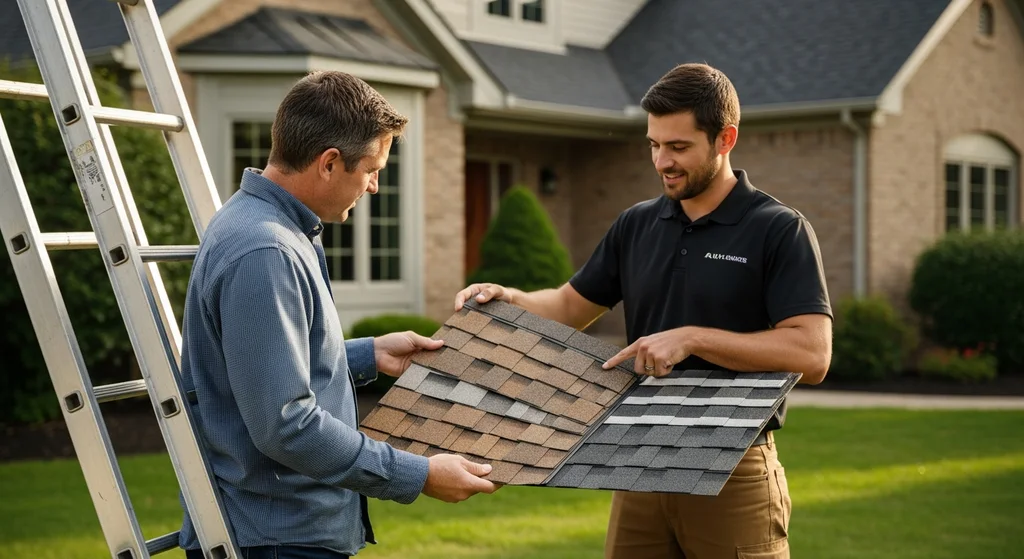
The best choice depends on your specific needs and priorities. If you’re on a tight budget and looking for a basic, cost-effective roofing solution, fiberglass shingles may be a suitable option. However, if you’re willing to invest more upfront for a longer-lasting, more durable, and aesthetically pleasing roof, laminate shingles are the better choice. Consider your budget, the climate in your area, and the overall appearance you want to achieve.
Consider also the impact of insurance rates. Some insurance companies offer discounts for roofs with higher hail resistance ratings. In Dallas, where hail storms are common, this can be a significant factor. Consult with a qualified roofing contractor to assess your needs and recommend the best shingle type for your home.
Field Note from Experience
In my 8+ years as a construction consultant in Dallas, I have seen homeowners save money in the long run by investing in higher-quality laminate shingles, especially considering the frequent hail storms in the area.
External Authoritative Resources
These industry-standard references support the information in this guide:
Building Codes
Frequently Asked Questions
Are laminate shingles worth the extra cost?
In many cases, yes. While laminate shingles have a higher upfront cost, their enhanced durability, longer lifespan, and aesthetic appeal can make them a worthwhile investment. They offer better protection against wind and hail, which are common concerns in the Dallas-Fort Worth area. Consider the long-term cost of ownership when making your decision.
Laminate shingles also often carry longer warranties, offering additional peace of mind.
How do I choose the right color for my shingles?
Consider the style of your home, the color of your siding, and the overall aesthetic you want to achieve. Darker colors absorb more heat, which can increase energy costs in the summer. Lighter colors reflect more heat and can help keep your home cooler. Drive around your neighborhood and see what colors appeal to you on similar homes.
In Dallas, lighter colors are often preferred to mitigate heat gain.
What is the difference between a 3-tab shingle and an architectural shingle?
A 3-tab shingle, also known as a fiberglass shingle, is a single-layer shingle with a uniform, flat appearance. An architectural shingle, also known as a laminate shingle, has multiple layers laminated together, creating a dimensional, textured look. Architectural shingles are generally more durable and offer better wind and hail resistance.
How do I find a reputable roofing contractor in Dallas?
Start by asking for referrals from friends, family, and neighbors. Check online reviews and ratings on sites like Google, Yelp, and the Better Business Bureau. Verify that the contractor is licensed and insured with the Texas Department of Licensing and Regulation (TDLR). Get multiple quotes and compare their proposals.
Look for contractors who are certified by shingle manufacturers like GAF, Owens Corning, and CertainTeed.
What type of underlayment should I use with my shingles?
Synthetic underlayment is generally recommended over felt underlayment due to its superior water resistance, durability, and tear strength. Look for a synthetic underlayment that meets ASTM D226 Type II standards and has a UV exposure rating of at least 180 days. In areas prone to ice dams, consider using an ice and water shield along the eaves.
How important is attic ventilation for shingle lifespan?
Attic ventilation is crucial for shingle lifespan. Proper ventilation helps regulate attic temperature and moisture levels, preventing overheating in the summer and condensation in the winter. Inadequate ventilation can lead to premature shingle failure, wood rot, and mold growth. Ensure your attic has adequate intake and exhaust vents, following NRCA guidelines.
IRC R803.2.1 addresses ventilation requirements in detail.
What should I do if I suspect my roof has hail damage?
Contact your insurance company immediately to file a claim. Have a qualified roofing contractor inspect your roof for damage. Document the damage with photos and videos. Be wary of contractors who offer to waive your deductible, as this is considered insurance fraud in Texas.
Ensure the contractor follows FEMA guidelines for roof repairs to avoid future issues.
Final Thoughts
Choosing between laminate and fiberglass shingles is a significant decision that impacts the long-term performance and value of your home. By understanding the key differences, weighing the pros and cons, and considering your specific needs, you can make an informed choice that provides years of reliable protection and aesthetic appeal. Always consult with a qualified roofing contractor to ensure proper installation and compliance with local building codes. Remember that the cheapest option isn’t always the best.
In my 8+ years as a construction consultant in Dallas, I have seen firsthand the costly consequences of cutting corners on roofing materials and installation. Invest in quality and peace of mind. Contact a licensed roofing professional in the Dallas area for a comprehensive assessment and tailored recommendations.
