

Contractor’s Bottom Line
Detecting roof leaks early is crucial to prevent extensive damage and costly repairs. Look for interior water stains, exterior shingle damage, and attic mold. A professional inspection in Dallas-Fort Worth typically costs $250-$750. Immediate action includes covering the leak with a tarp and contacting a qualified roofing contractor. Ignoring leaks can lead to structural damage and potential insurance claim issues. The International Residential Code (IRC) requires proper roof maintenance to prevent water intrusion.
Key Takeaways
- Early detection of roof leaks can save thousands of dollars in repair costs.
- Regular roof inspections, especially after storms, are essential for maintaining roof integrity; the NRCA recommends at least twice a year.
- Ignoring roof leaks can lead to structural damage, mold growth, and decreased property value in the Dallas area.
Roof leaks are a common problem for homeowners, especially in areas like Dallas, Texas, where extreme weather conditions prevail. From intense summer heat to occasional hailstorms, the DFW Metroplex puts roofs to the test. Recognizing the early signs of a roof leak can prevent significant damage and costly repairs. In my 8+ years as a construction consultant in Dallas, I have seen firsthand how quickly a small leak can escalate into a major problem.
Ignoring seemingly minor issues often leads to extensive structural damage, mold growth, and hefty repair bills. The International Code Council (ICC) emphasizes proactive maintenance to prevent these problems. Understanding what to look for is the first step in protecting your home. This guide will help you identify the warning signs of a roof leak, conduct a basic inspection, and assess the severity of the damage.
We’ll also discuss the importance of addressing leaks promptly and seeking professional assistance when needed. Remember, a proactive approach can save you time, money, and a lot of headaches in the long run. Always consult the NRCA guidelines for best practices in roofing maintenance and repair.
Recognizing the Warning Signs of a Roof Leak
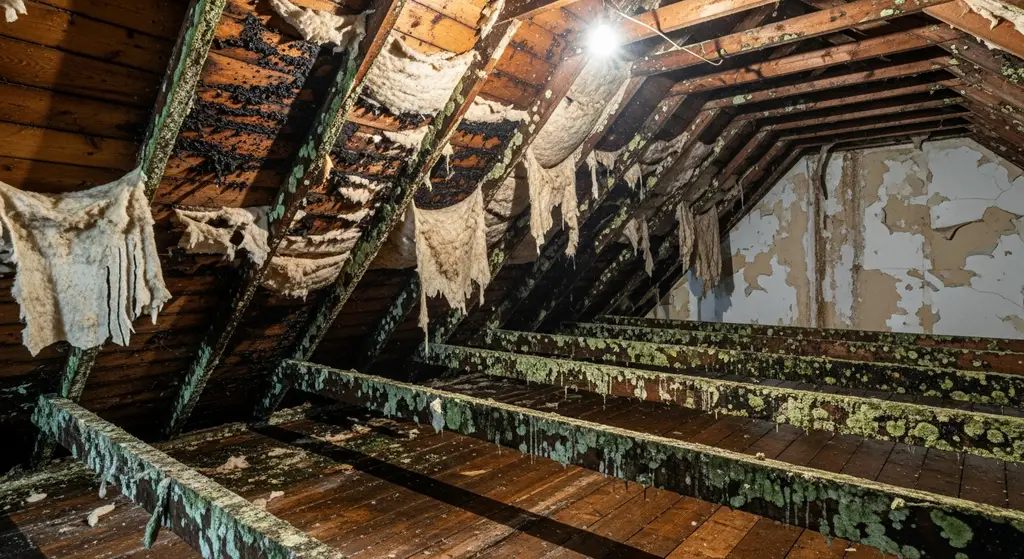
Identifying roof leaks early can save you from costly repairs. Inside your home, look for water stains on ceilings and walls, particularly after rain. Discolored or bubbling paint can also indicate moisture intrusion. In the attic, check for damp spots, mold growth, and water stains on rafters or insulation.
Outside, inspect your roof for missing, cracked, or curled shingles. Pay attention to areas around chimneys, vents, and skylights, as these are common leak points. Granules from asphalt shingles in your gutters are another sign of wear and tear, potentially leading to leaks. Remember, early detection is key to preventing extensive damage and maintaining the structural integrity of your home, as required by the International Residential Code (IRC).

Field Note from Experience
After inspecting dozens of Dallas-area roofs, I found that many homeowners only notice leaks after significant water damage has occurred. Regular attic inspections are crucial.
Conducting a Basic Roof Inspection
A visual inspection can help you identify potential roof problems. Start by walking around your property and observing the roof from the ground. Use binoculars for a closer look, focusing on areas prone to leaks like flashing around vents and chimneys. Check for missing, damaged, or curled shingles.
If you’re comfortable and it’s safe to do so, carefully inspect the roof itself. Wear appropriate safety gear, including non-slip shoes and a safety harness. Look for signs of deterioration, such as cracked or blistered shingles. Pay close attention to areas where different roof sections meet, as these are often vulnerable points.
The NRCA recommends professional inspections at least twice a year to ensure thorough assessment and prevent future issues.

Field Note from Experience
Working on Texas roofing projects, I have noticed that many homeowners are hesitant to climb on their roofs, which is understandable. However, a simple visual inspection from the ground can still reveal a lot.
Assessing the Severity of the Roof Leak
Determining the extent of the damage is crucial for planning the appropriate response. A minor leak, characterized by small water stains and minimal attic moisture, may be addressed with a simple repair. However, significant water damage, mold growth, and structural issues indicate a more serious problem requiring professional attention. Consider the age of your roof and the extent of the damage.
If your roof is nearing the end of its lifespan, a complete replacement may be more cost-effective than multiple repairs. Consult with a qualified roofing contractor to assess the damage and provide recommendations based on your specific situation. Ignoring severe leaks can lead to major structural problems and potential safety hazards, which violate the International Residential Code (IRC) and could affect your insurance coverage.
Dallas Market Pricing
In Dallas-Fort Worth, expect to pay $250-$750 for a professional roof inspection. These are Dallas market prices; costs vary by region and can be 15-25% higher in remote Texas areas.
Field Note from Experience
In my 8+ years as a construction consultant in Dallas, I have seen roofs with so much hidden water damage that the cost of repairs exceeded the cost of a full replacement. Always get a professional assessment.
External Authoritative Resources
These industry-standard references support the information in this guide:
Building Codes
Frequently Asked Questions
How can I tell if my roof is leaking?
Look for water stains on ceilings and walls, especially after it rains. Check your attic for damp spots, mold, or water damage. Outside, inspect your roof for missing, cracked, or curled shingles. Granules in your gutters can also be a sign of shingle deterioration.
What should I do immediately after discovering a roof leak?
Cover the affected area with a tarp to prevent further water damage. Place buckets or containers to catch dripping water. Contact a qualified roofing contractor as soon as possible to assess the damage and provide repair options.
How much does a roof inspection cost in Dallas?
In the Dallas-Fort Worth area, a professional roof inspection typically costs between $250 and $750, depending on the size and complexity of your roof. This cost can vary based on the contractor and the services included.
Will my insurance cover roof leak repairs?
Whether your insurance covers roof leak repairs depends on the cause of the damage. Most policies cover damage caused by sudden and accidental events, such as hail or windstorms. However, they typically do not cover damage caused by normal wear and tear or lack of maintenance.
How often should I have my roof inspected?
The NRCA recommends having your roof inspected at least twice a year, typically in the spring and fall. Regular inspections can help identify potential problems early and prevent costly repairs. It’s also a good idea to inspect your roof after severe weather events, such as hailstorms or high winds.
What are the common causes of roof leaks in Dallas?
Common causes of roof leaks in Dallas include hail damage, wind damage, thermal expansion and contraction due to extreme temperature fluctuations, and deterioration of flashing around vents and chimneys. Improper installation and lack of maintenance can also contribute to leaks.
Final Thoughts
Detecting roof leaks early is essential for protecting your home from extensive damage. By understanding the warning signs, conducting regular inspections, and addressing issues promptly, you can prevent costly repairs and maintain the structural integrity of your roof. Don’t hesitate to contact a qualified roofing professional for assistance. Many Dallas homeowners do not realize that neglecting minor roof repairs can lead to significant problems down the road.
Proactive maintenance and timely repairs are crucial for preserving the value and safety of your home. For expert advice and reliable roofing services, consult with a trusted contractor in the Dallas-Fort Worth area. Remember to check the Texas Department of Licensing and Regulation (TDLR) to verify their credentials.
