
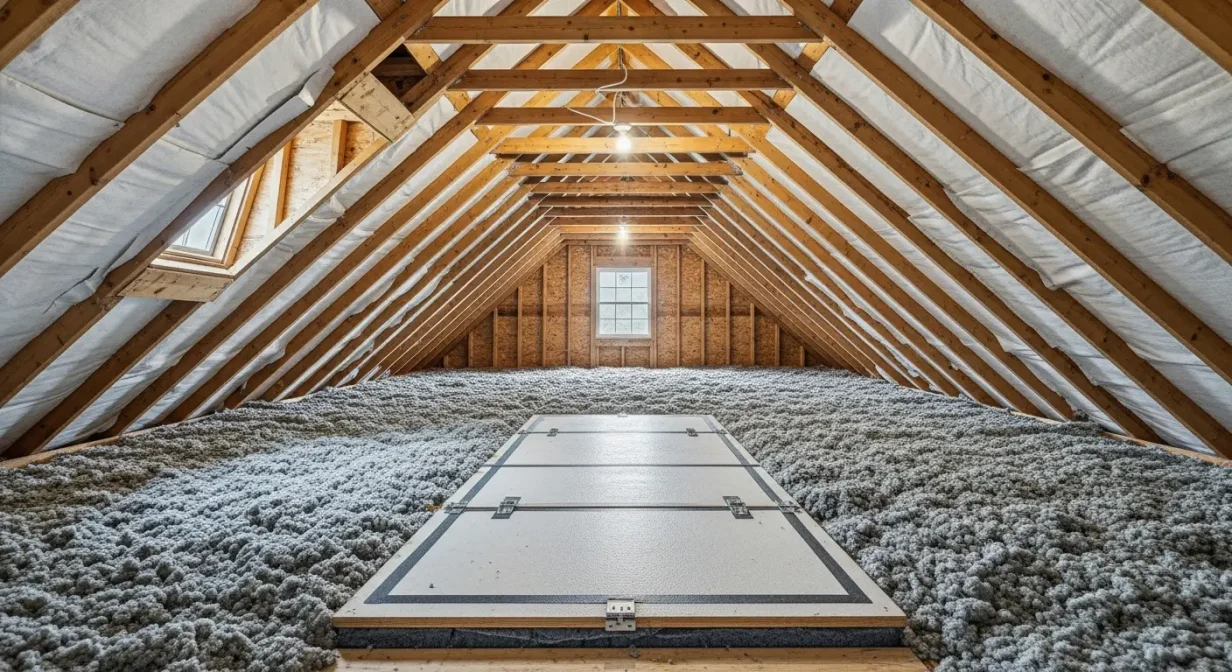
Contractor’s Bottom Line
In the Dallas-Fort Worth Metroplex, proper attic insulation is the most effective way to combat 100-degree summers and rising utility costs. At present, the International Residential Code (IRC 2021) requires a minimum R-49 rating for Climate Zone 3, which encompasses North Texas. Most Dallas homeowners should expect to pay between $1,800 and $4,500 for a professional upgrade, depending on the material choice between blown-in cellulose or spray foam. I recommend focusing on air sealing and baffles to ensure the National Roofing Contractors Association (NRCA) ventilation standards are met, preventing moisture buildup and premature shingle failure.
Key Takeaways
- IRC 2021 Section N1102.1.2 mandates R-49 insulation for new builds and major renovations in Dallas.
- Blown-in cellulose often outperforms fiberglass batts in Texas heat due to higher density and reduced convection.
- Proper attic ventilation per NRCA standards is critical to prevent moisture trapped by new insulation layers.
- Energy Star certified materials can reduce Dallas cooling costs by up to 15% annually when paired with air sealing.
Upgrading your attic insulation is more than just a home improvement project; it is a necessity for surviving the extreme thermal cycles of North Texas. I have spent over eight years inspecting attics from Plano to Fort Worth, and the most common issue I see is ‘insulation fatigue’ where older fiberglass has settled and lost its R-value. This degradation leads to overworked HVAC systems and astronomical electric bills during our July heatwaves. FIELD NOTE #1: Last month, a Dallas homeowner in the M-Streets called me because their second floor wouldn’t cool below 78 degrees.
Upon inspection, I found original 1950s rockwool that had compressed to just three inches, providing almost no thermal resistance against the 140-degree attic air. We upgraded them to R-49 blown-in cellulose, and their next electricity bill dropped by $165, proving that insulation is an investment that pays for itself. To achieve true efficiency, we must look at the system as a whole, including the thermal envelope and ventilation. Organizations like the National Roofing Contractors Association (NRCA) emphasize that insulation without proper airflow can lead to attic mold.
In this guide, we will break down the technical specifications, building codes, and Dallas-specific costs you need to know.
Understanding R-Values and Thermal Performance
The effectiveness of attic insulation is measured by its R-value, which represents the material’s resistance to conductive heat flow. In the DFW Metroplex, we deal with extreme radiant heat that penetrates through asphalt shingles and into the attic space. High R-value materials like closed-cell spray foam or dense-pack cellulose are tested under ASTM C518 standards to ensure they maintain performance even as temperatures climb. Thermal bridging is another critical factor that many Dallas contractors overlook during installation.
When insulation is only placed between ceiling joists, the wood itself acts as a bridge, allowing heat to bypass the insulation. The International Code Council (ICC) recommends over-blowing insulation to cover the tops of joists, creating a continuous thermal blanket that significantly improves the home’s overall efficiency.
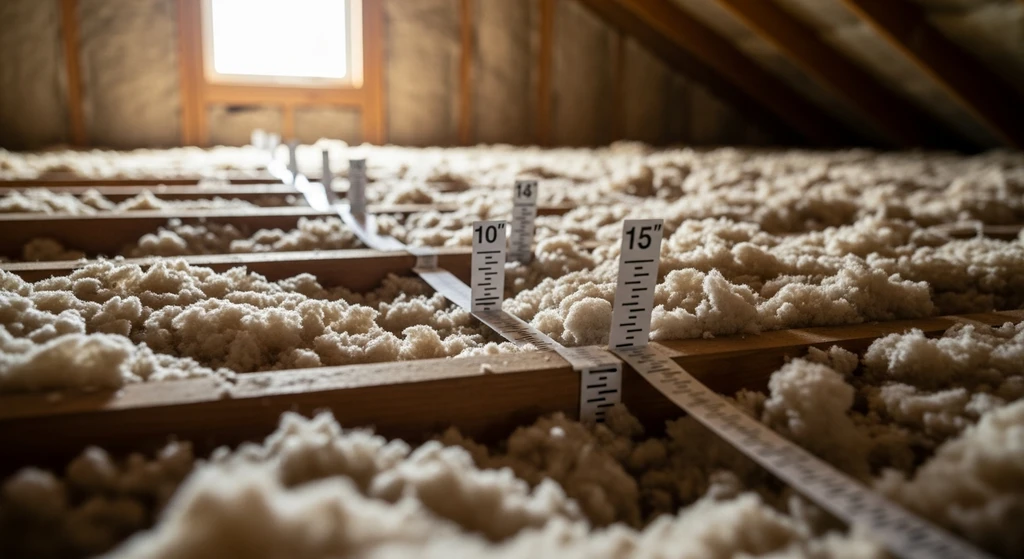
| Dallas Thermal Standards | |
|---|---|
| Required R-Value | R-49 (IRC 2021) |
| Avg. Attic Temp | 140°F – 155°F in Summer |
| Standard Test | ASTM C518 |
Comparing Insulation Materials for North Texas
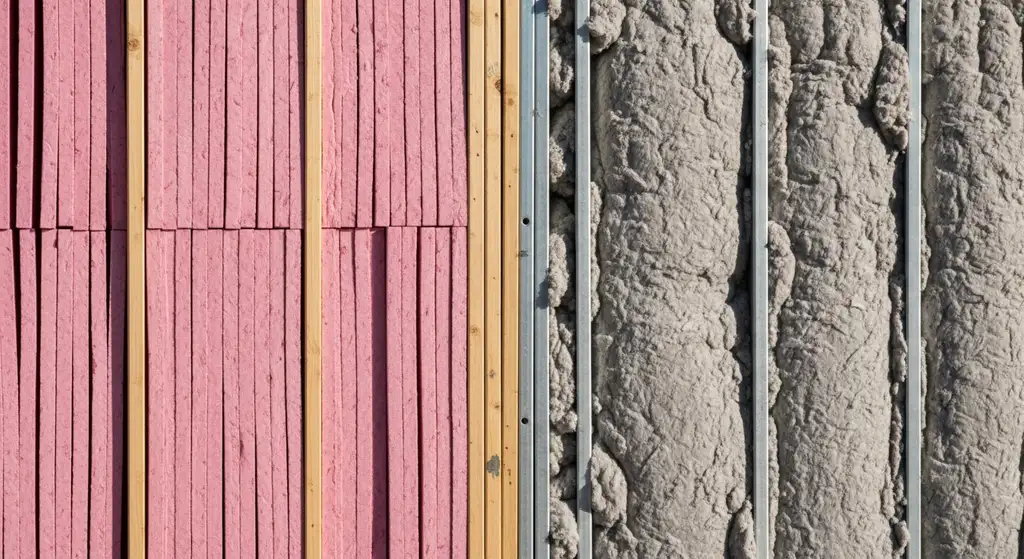
Fiberglass batts remain a common choice, but they often struggle in the Dallas climate due to air bypass and sagging over time. Blown-in fiberglass, meeting ASTM C764 standards, offers better coverage around obstructions like recessed lights and HVAC ducts. However, cellulose is frequently my top recommendation for North Texas because its higher density provides better sound dampening and superior resistance to airflow. For homeowners looking for the ultimate performance, spray polyurethane foam (SPF) creates both an insulation layer and an air seal.
While more expensive, SPF applied to the roof deck can move the thermal envelope to the roofline, keeping the attic within 10 degrees of the living space. This is particularly beneficial in the DFW Metroplex where HVAC units and ductwork are often located in the attic, significantly reducing the load on the equipment.
Advantages
- Cellulose: High recycled content and excellent R-value per inch
- Spray Foam: Provides superior air sealing and structural reinforcement
- Fiberglass: Non-combustible and widely available at lower price points
Disadvantages
- Fiberglass: Can lose up to 25% efficiency if air sealing is skipped
- Cellulose: Can be dusty during installation and heavy for some ceilings
Dallas Building Codes and IRC 2021 Compliance
The City of Dallas and surrounding municipalities have transitioned toward the IRC 2021 standards to improve regional energy resilience. Under IRC N1102.1.2, the prescriptive requirement for attic insulation in Climate Zone 3 has moved from R-38 to R-49. This change reflects the increasing demand on the Texas power grid and the need for homes to maintain habitable temperatures during extreme weather events. Compliance also requires specific attention to attic access hatches and pull-down stairs.
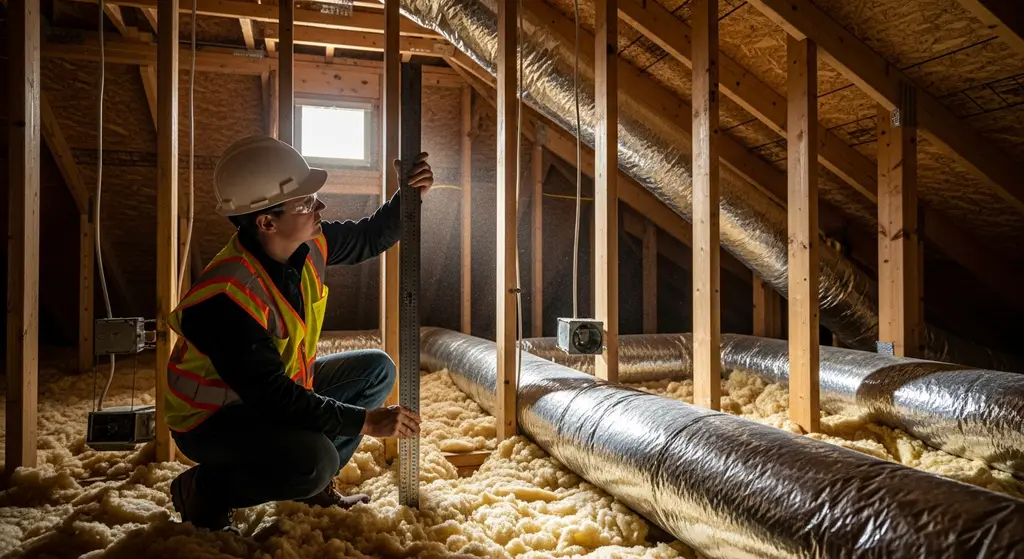
Per IRC N1102.2.4, these openings must be insulated to the same level as the surrounding ceiling and must be weather-stripped to prevent air leakage. During a building inspection in the DFW Metroplex, a code official will look for an insulation certificate posted near the attic access, detailing the material used and the number of bags installed to reach the target R-value.
Field Note from Experience
During an inspection in a Highland Park renovation, I found a contractor had installed R-38 batts, claiming they were ‘grandfathered’ in. I had to point out that because they had stripped the drywall, the current 2026 Dallas code required an upgrade to R-49. This mistake could have led to a failed final inspection and an additional $2,200 in remediation costs.
Dallas-Fort Worth Attic Insulation Pricing
In Dallas-Fort Worth, expect to pay $1.50 to $3.50 per square foot for professional attic insulation installation. These are current 2026 Dallas market prices; costs vary by region and can be 15-25% higher in remote North Texas areas due to mobilization fees. Most standard 2,000-square-foot homes in the DFW Metroplex will see project totals ranging from $3,000 to $7,000 when including professional air sealing and baffle installation. Labor rates in Dallas are currently driven by high demand during the spring storm season and the peak summer heat.
I recommend scheduling insulation work in the late fall or winter (October-February) when demand for roofing and insulation services typically dips. This can often result in a 10-15% discount compared to the emergency calls we receive when the first 100-degree day hits in June.
Dallas Market Pricing
In Dallas-Fort Worth, expect to pay $1.50-$3.50 per square foot. These are current 2026 Dallas market prices; costs vary by region and can be 15-25% higher in remote Texas areas. Peak pricing occurs spring (March-May) storm season.
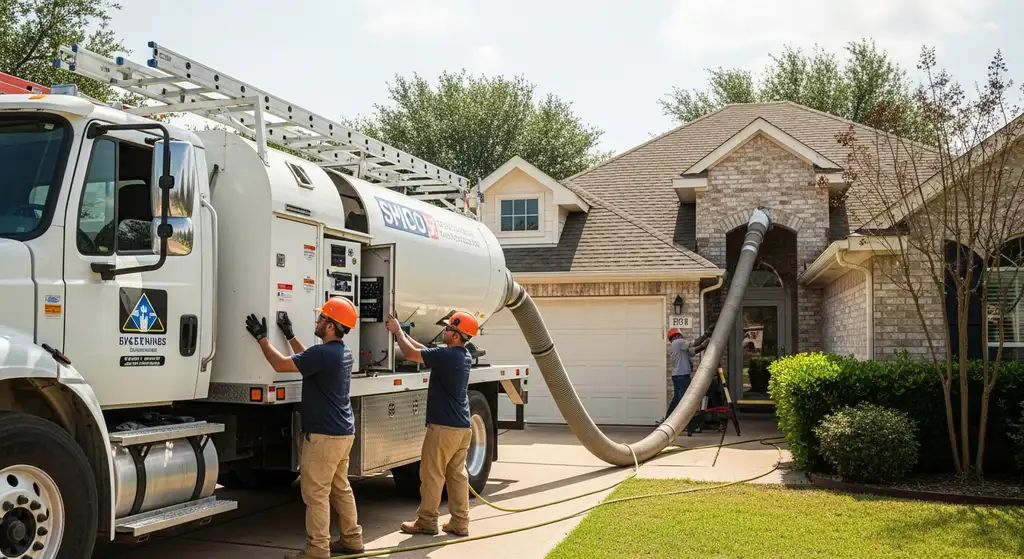
| Material Type | Cost per Sq. Ft. (Installed) | Estimated R-Value/Inch |
|---|---|---|
| Blown-in Cellulose | $1.50 – $2.25 | 3.5 – 3.8 |
| Blown-in Fiberglass | $1.25 – $1.95 | 2.2 – 2.7 |
| Open-Cell Spray Foam | $3.00 – $4.50 | 3.5 – 3.7 |
The Hidden Truths of Attic Insulation Quotes
Many ‘low-bid’ contractors in the Dallas market will quote a price for R-49 but fail to perform the necessary prep work that makes the insulation effective. The most common shortcut is skipping air sealing—the process of using foam or caulk to seal gaps around plumbing stacks, electrical wires, and top plates. Without air sealing, your new insulation acts like a filter rather than a barrier, allowing conditioned air to escape into the attic. Another industry secret is the ‘fluffing’ of loose-fill insulation.
By increasing the air-to-material ratio during the blowing process, a contractor can make the insulation look deep enough to meet code while actually providing a lower R-value because the density is insufficient. Always ask for the ‘bag count’ and compare it to the manufacturer’s coverage chart to ensure you are getting the actual material you paid for.
Extremely Low Quotes
Consequence: Usually indicates the contractor is skipping air sealing or the baffle installation.
No Insulation Certificate
Consequence: You will likely fail a municipal building inspection and have no warranty recourse.
What Contractors Hide
Skipping Attic Baffles
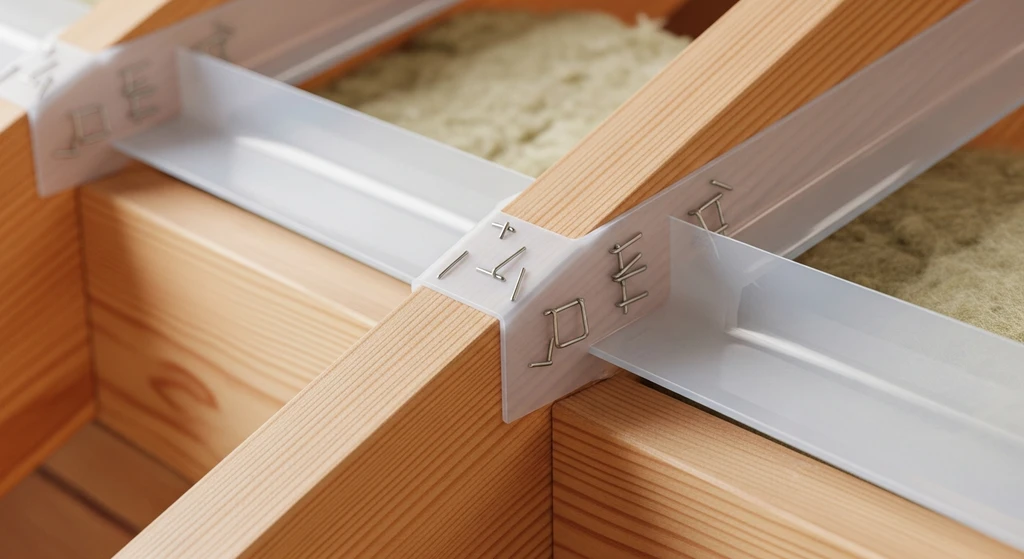
The Reality: Contractors often blow insulation over soffit vents, which chokes attic ventilation and leads to roof rot.
Using Under-Rated Materials
The Reality: Some installers use lower-grade fiberglass that doesn’t meet ASTM D226 standards for moisture resistance.
Avoiding Critical Installation Mistakes
Proper installation requires more than just blowing material into a void; it requires careful management of the attic’s ecosystem. One of the most severe errors I see in North Texas is the failure to install rafter vents or baffles. These components ensure that air from the soffit vents can travel over the insulation to the ridge vent, as recommended by the National Roofing Contractors Association (NRCA). Additionally, contractors must be mindful of OSHA safety standards regarding heat stress and electrical hazards.
Working in a 140-degree Dallas attic requires strict hydration protocols and proper lighting to avoid stepping through the ceiling. Homeowners should also verify that any recessed ‘can’ lights are rated for Insulation Contact (IC-rated) before they are covered, as non-IC lights pose a significant fire risk when buried in cellulose or fiberglass.
Blocked Soffit Vents
Typical Cost: $1,500 – $5,000
Prevention: Install baffles before blowing insulation
Insurance Coverage: Rarely covered if caused by poor workmanship
Code Reference: IRC R806.1
Recessed Light Fire
Typical Cost: Varies (Total Loss)
Prevention: Use only IC-rated fixtures
Insurance Coverage: Covered, but premiums will spike
Code Reference: IRC E4004.9
External Authoritative Resources
These industry-standard references support the information in this guide:
Building Codes
International Residential Code (IRC 2021)
Official building code for residential construction
ICC Code Adoption Map
Find which IRC version your state uses
Energy & Efficiency
Frequently Asked Questions
How much insulation do I need for a home in Dallas?
Per the IRC 2021 code for Climate Zone 3, you should have a minimum of R-49, which typically equates to 15-18 inches of blown-in cellulose. This depth ensures maximum resistance against the intense North Texas summer heat.
Can I install new insulation over my old insulation?
Yes, as long as the old material is dry and free of mold. The NRCA recommends removing old insulation if it has been contaminated by rodents or water damage to ensure a clean, effective thermal barrier.
Does attic insulation help with Dallas hail storm noise?
Dense-pack cellulose and mineral wool are excellent at dampening sound. These materials meet ASTM standards for acoustic performance, significantly reducing the ‘drumming’ effect of hail on asphalt shingles.
Is spray foam better than blown-in for Texas homes?
Spray foam provides a superior air seal but is significantly more expensive. For most Dallas budgets, blown-in cellulose combined with professional air sealing offers the best return on investment and meets all ICC energy codes.
Will new insulation cause my roof to rot?
Only if ventilation is blocked. Ensuring that your contractor follows NRCA guidelines for intake and exhaust ventilation will prevent moisture buildup and protect your roof deck from rot.
Are there rebates for insulation in North Texas?
Many DFW utility providers offer Energy Star incentives or rebates for upgrading to R-49. Check with your specific provider before starting the project to ensure you meet their documentation requirements.
Final Thoughts
Optimizing your attic insulation is the single most impactful step you can take to improve your home’s comfort and value in the Dallas market. By adhering to the IRC 2021 standards and selecting high-performance materials like cellulose or spray foam, you protect your home from the brutal Texas sun. Remember that the quality of installation—specifically air sealing and ventilation—is just as important as the material itself. FIELD NOTE #3: I recently helped a family in Richardson who had just replaced their roof but skipped the insulation upgrade.
Their AC was running 18 hours a day, and the shingles were already showing signs of thermal blistering. After adding R-49 insulation and proper baffles, their AC runtime dropped by 40%, and they secured a $500 rebate from their energy provider. Don’t wait for your cooling system to fail; take control of your home’s thermal envelope today.
